
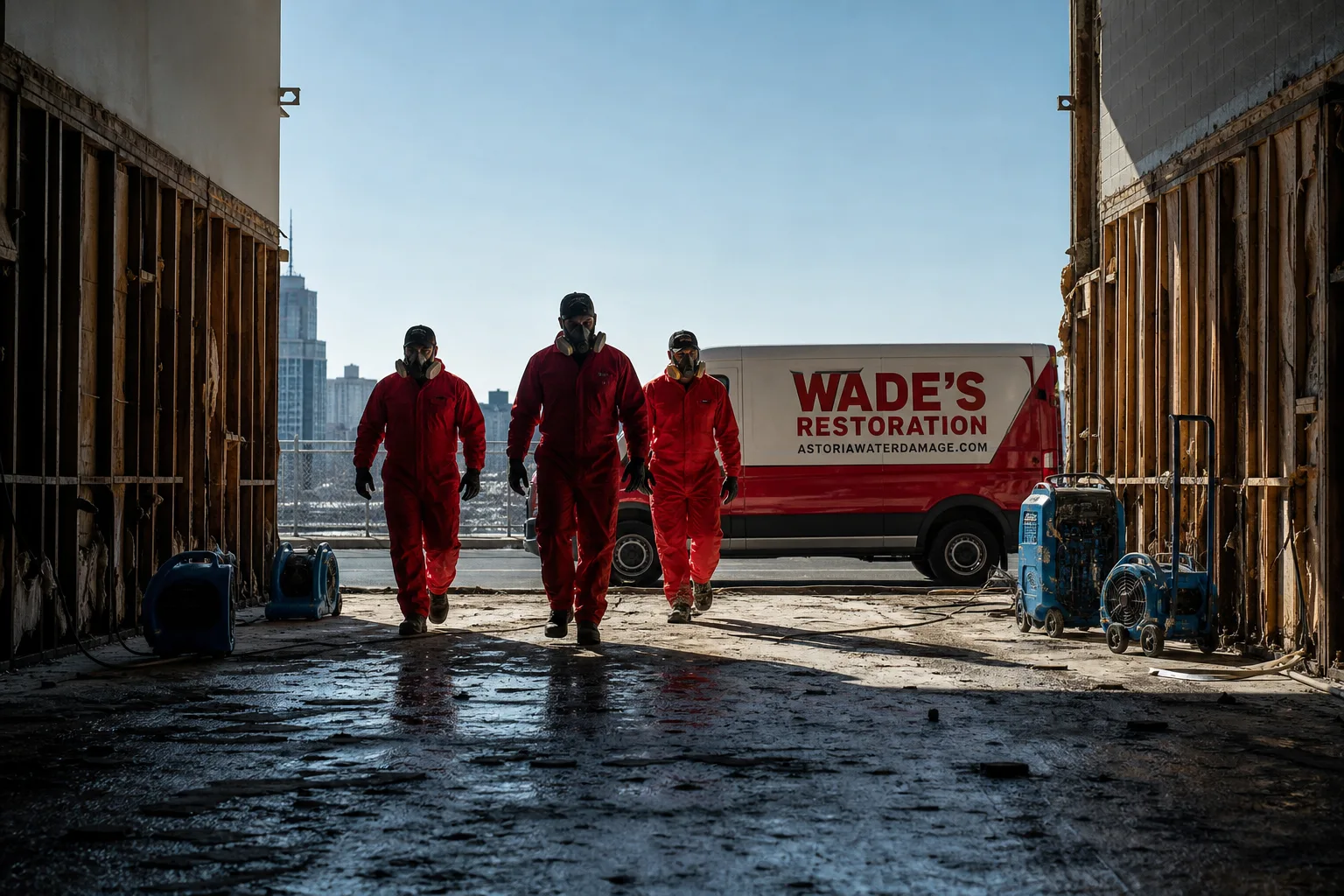
Free visual inspection and a written scope of work before any mitigation begins - photos, moisture readings, and drying logs go in your claim file
The scope we write is the scope we bill. Anything new gets shown to you, in writing, before we touch it.
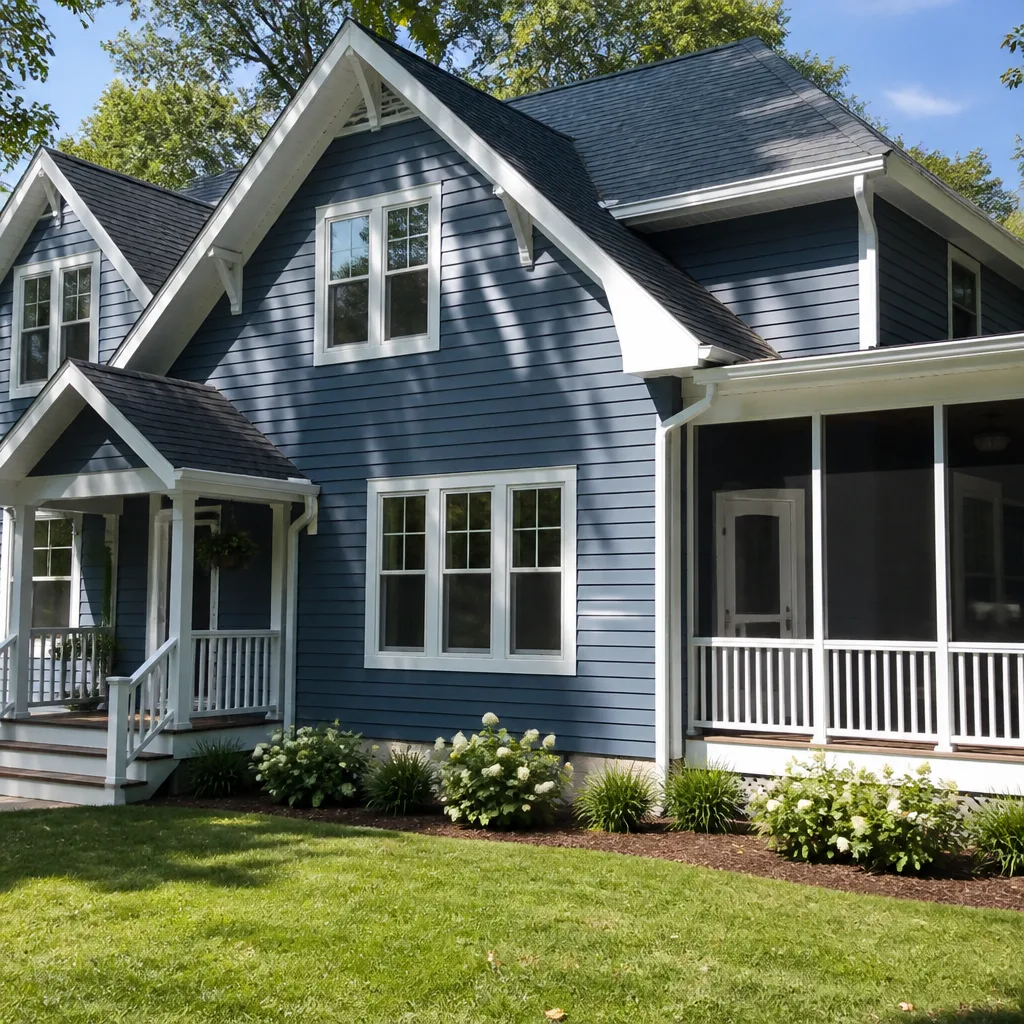
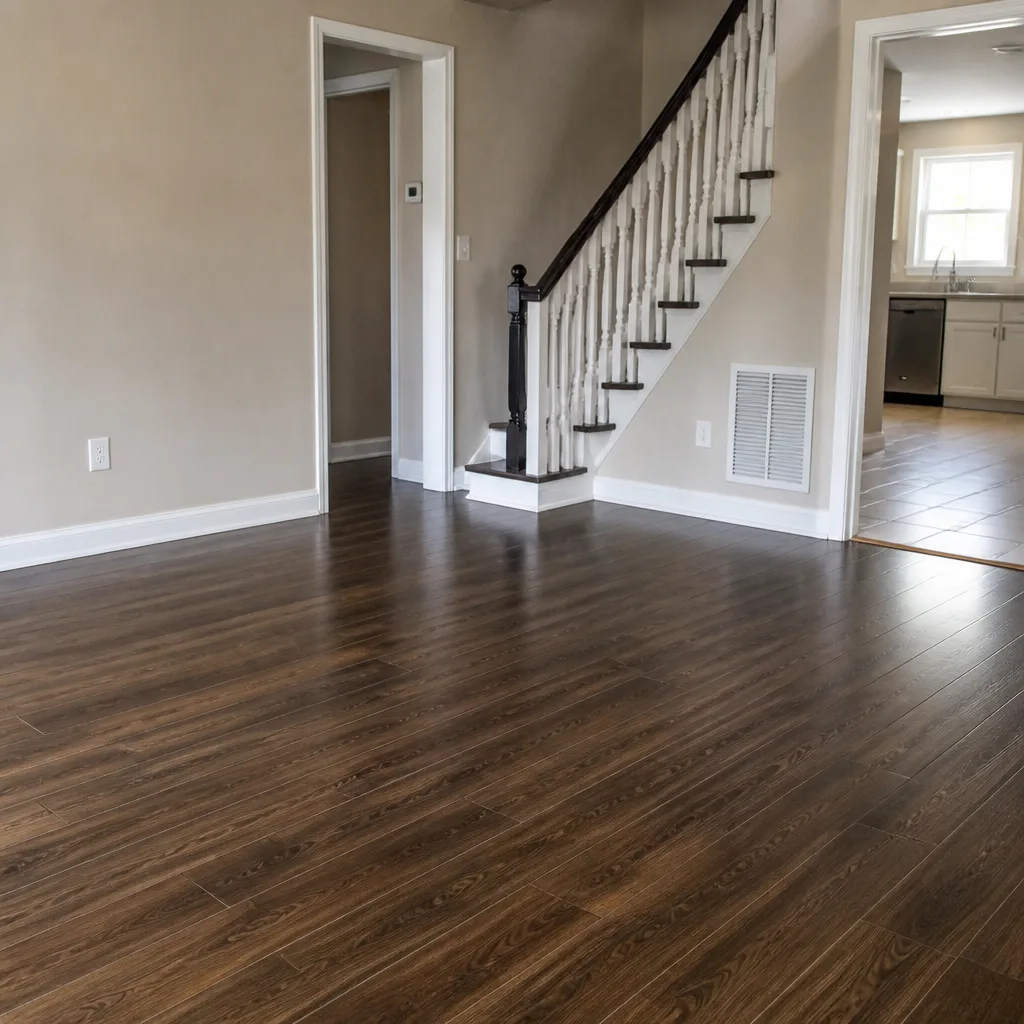
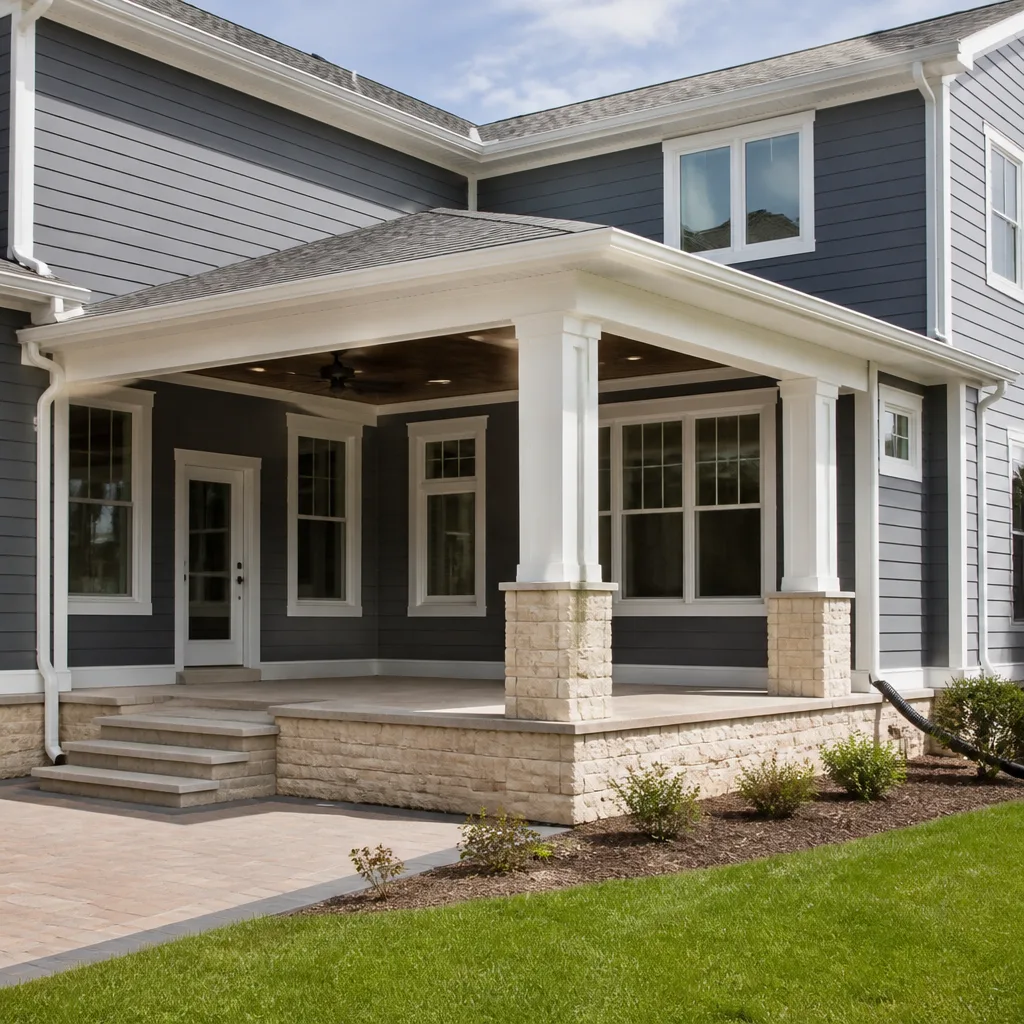
 Before
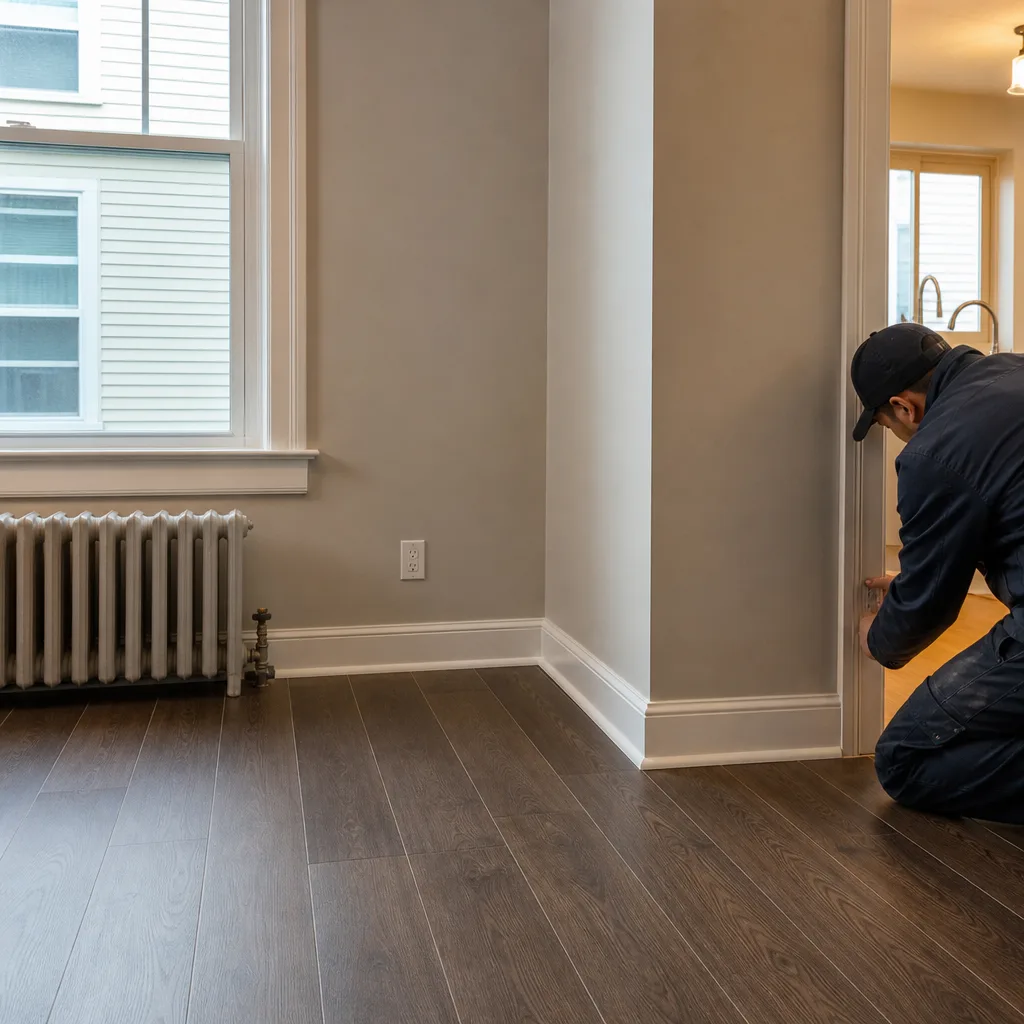 After
After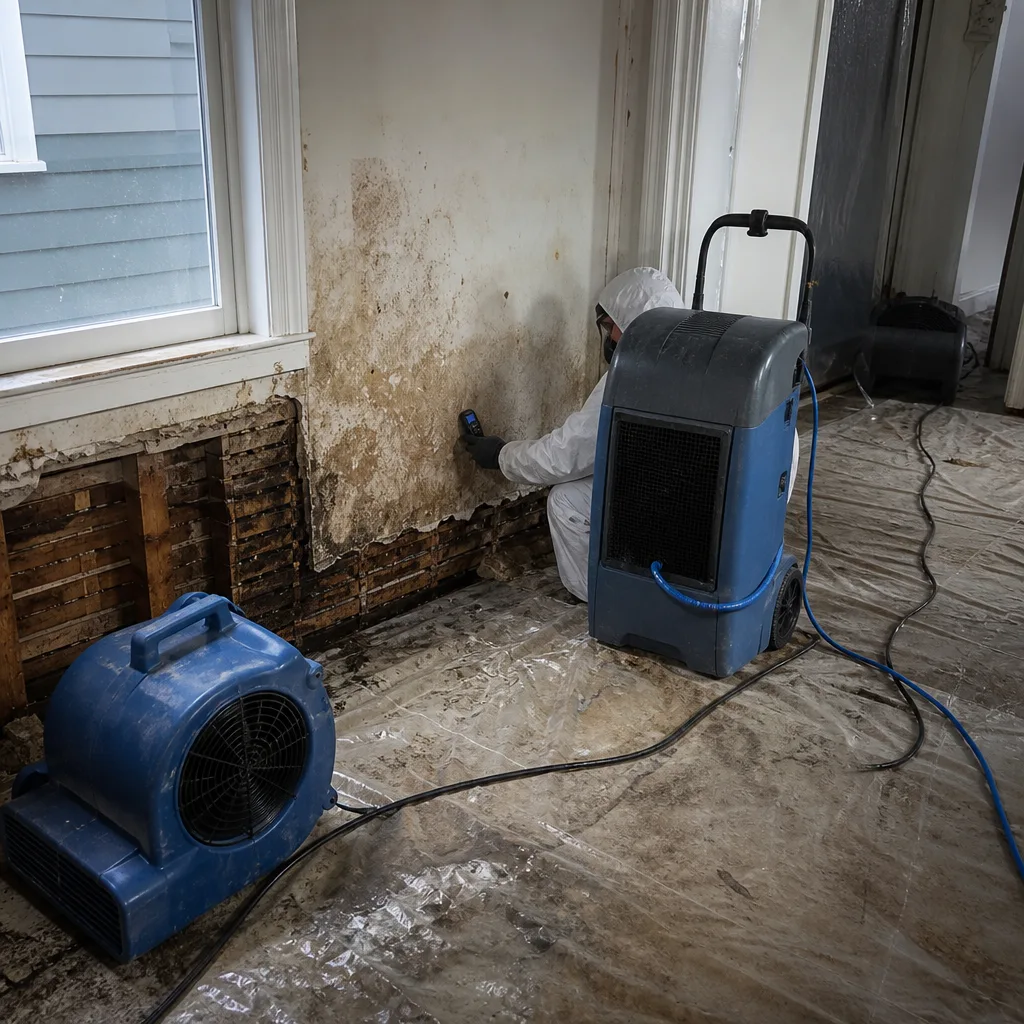 Before
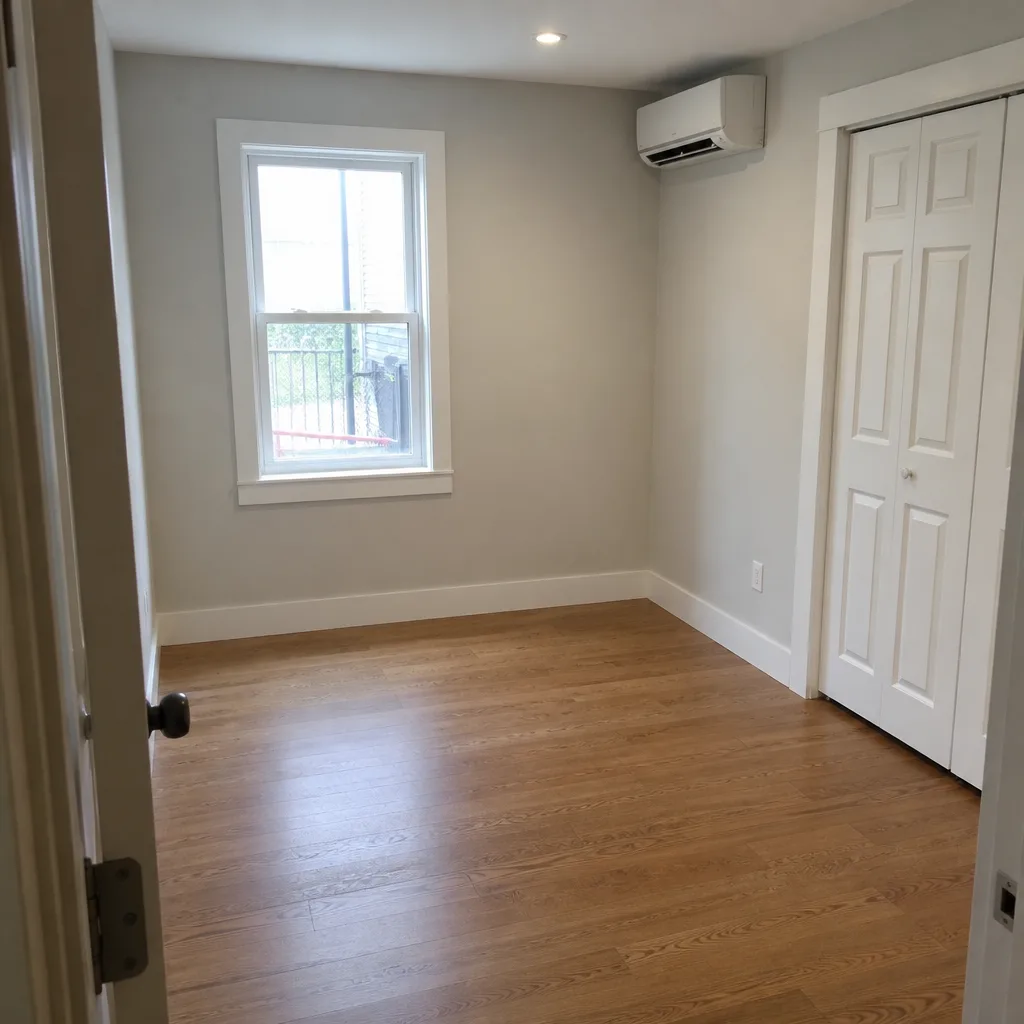 After
After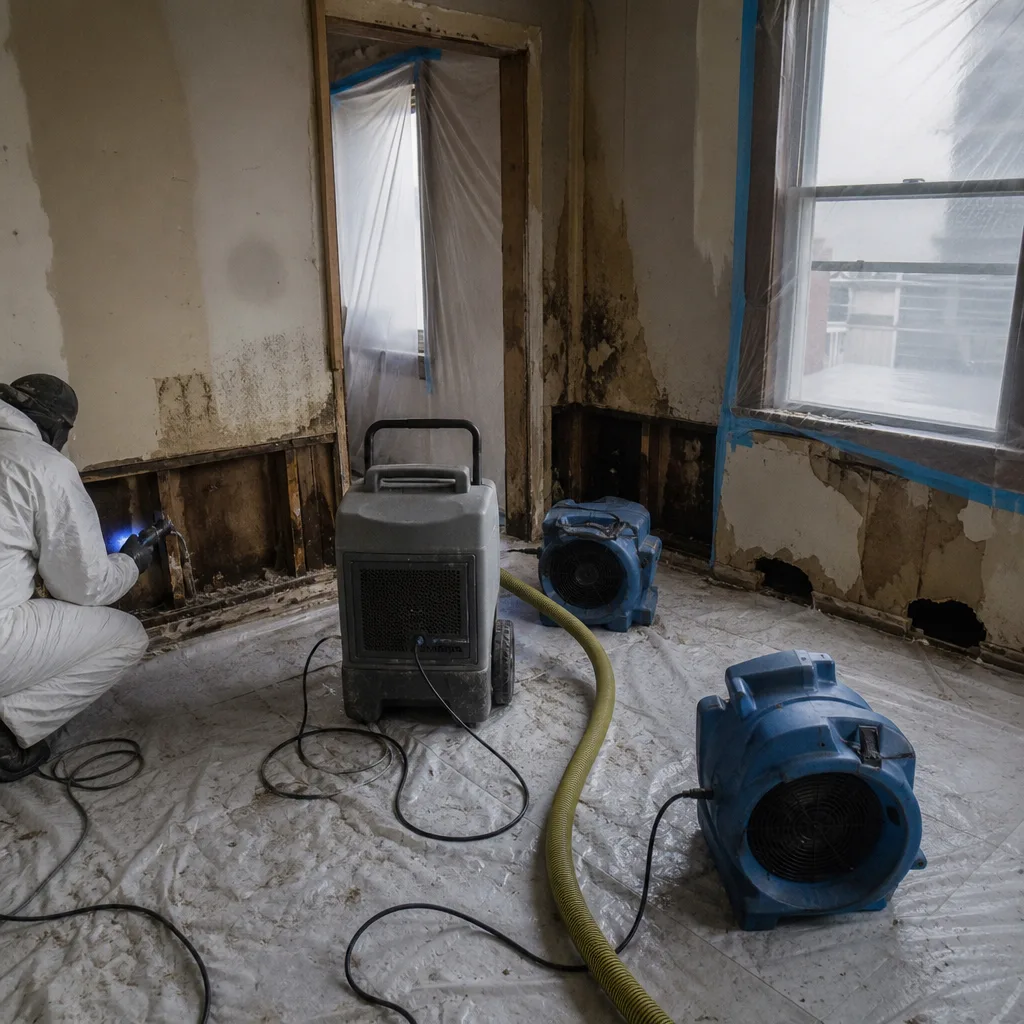 Before
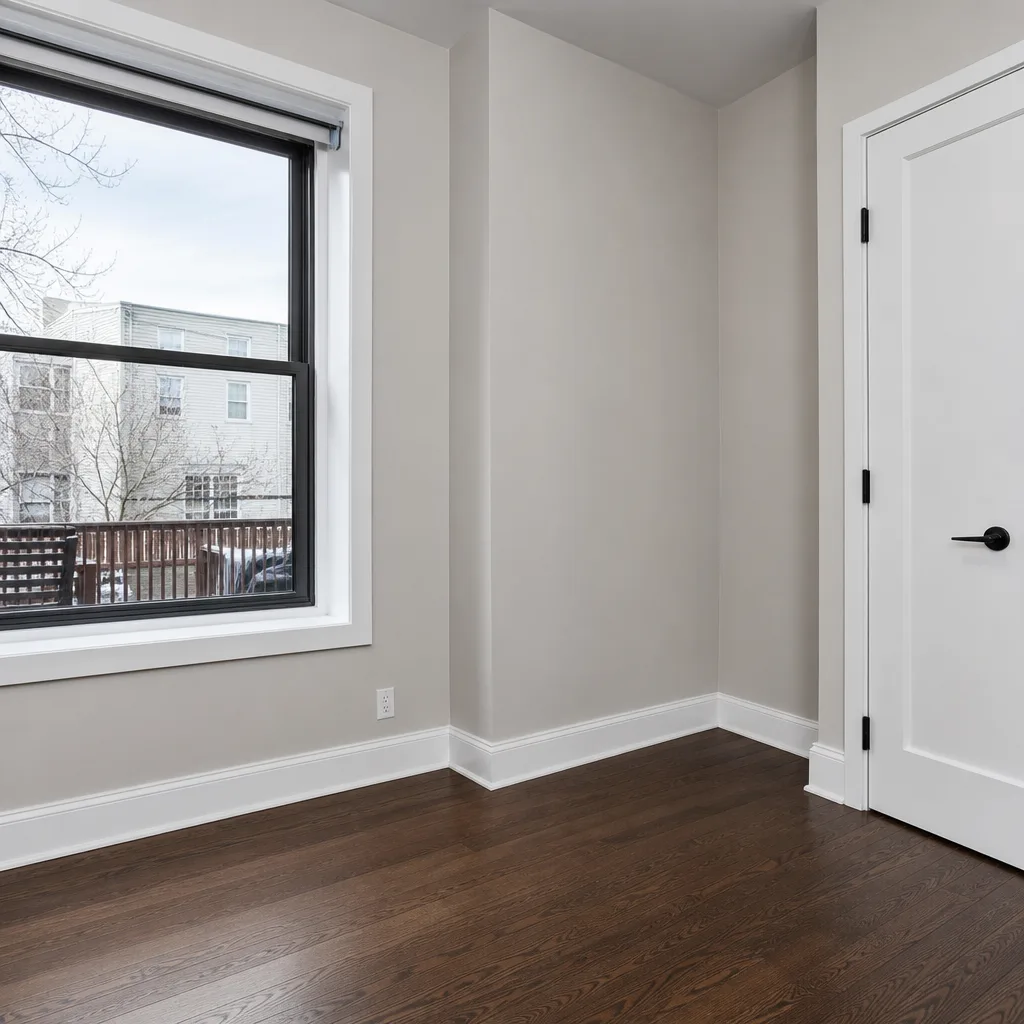 After
After24/7 Emergency Water Damage Restoration in Midtown Manhattan
Water damage in Midtown Manhattan rarely announces itself politely. A cast-iron riser gives out on the 14th floor at 2 a.m., a roof drain freezes over and backs up into a corner office, a Con Edison steam main lets go under Lexington Avenue and suddenly three sub-basements are breathing wet, asbestos-laced air. We answer the phone at (363) 208-1526 around the clock, because Midtown doesn’t keep business hours. Our crews stage out of the New York City office and can be inside your building, moisture meters down, within the hour. The first 60 minutes decide whether you’re looking at extraction and drying or demolition and mold remediation. That’s not sales pressure. That’s just what horsehair plaster does when it holds water overnight.
Every inspection is free. Every scope is written before work starts. And if it’s not done right, Wade Ferris makes it right, in writing, for 90 days after the job closes. That’s the promise, and it’s stamped on the contract you sign.
Understanding Water Damage Restoration Severity in Midtown Manhattan Properties
Not all water is equal, and in Midtown Manhattan the building itself often determines how bad a Category 1 loss becomes. Category 1 water starts clean, from a burst supply line or an overflowing bathtub. Category 2 carries contaminants, think washing machine discharge or a wet heating loop. Category 3 is the stuff nobody wants to touch without gloves: sewage backups, street flooding, steam-main condensate laced with decades of street grime. In a pre-war high-rise on West 57th, a Category 1 leak can behave like a Category 2 loss within 48 hours, because water travels down through horsehair plaster, original wood lath, and five layers of lead paint before it even shows a stain on the ceiling below.
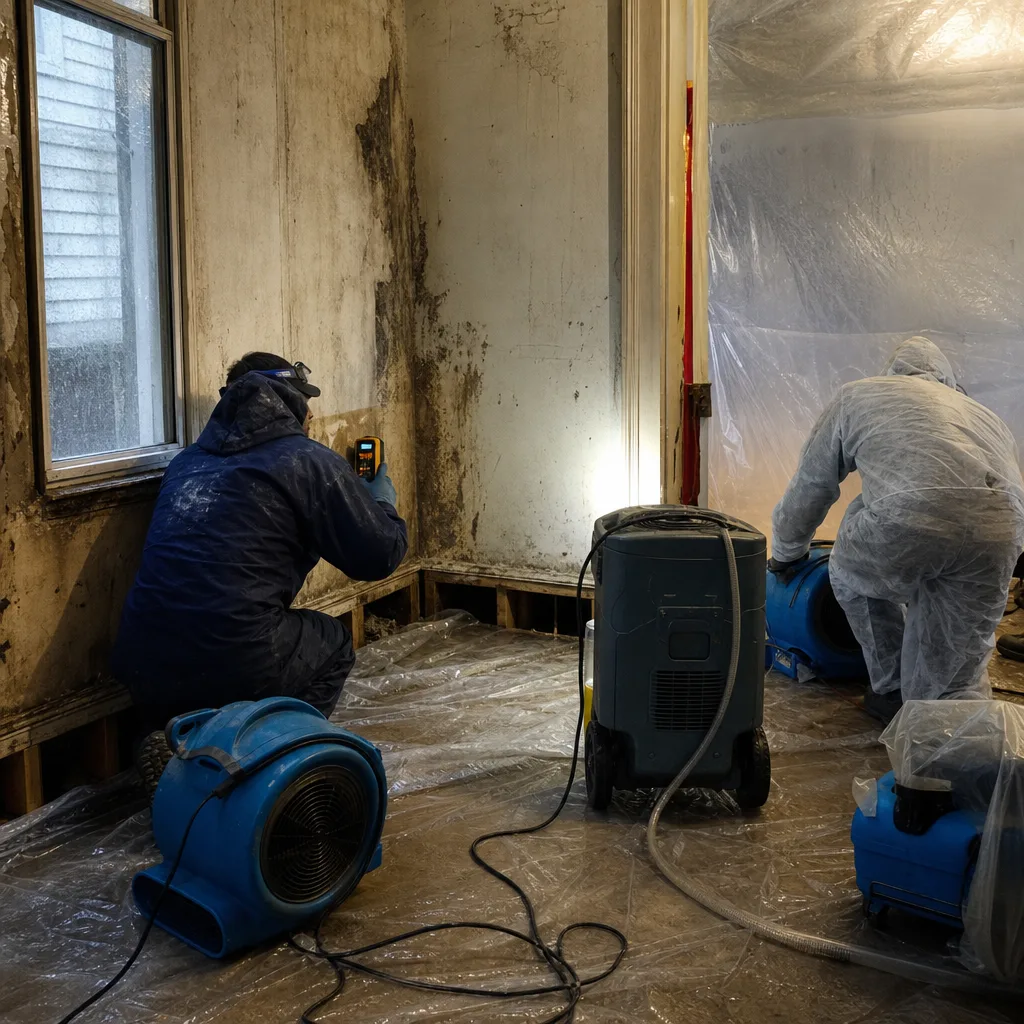
Moisture mapping is the difference between “we dried it” and “we think we dried it.” We use penetrating and non-penetrating meters, thermal imaging to read temperature differentials behind walls, and daily hygrometer logs to track humidity in each affected cavity. In Midtown’s older buildings, the real risk is hidden moisture pockets inside plaster walls and under restored wood floors. That’s why we don’t trust a visual dry-out. We log numbers every day, and you get the full log when we’re done. Almost nobody in this trade hands over that paperwork. We do.
Why Midtown Manhattan Property Owners Choose Wade’s Restoration
- 45-minute response commitment. Wade Ferris answers his own phone, and our crews stage from the city office. In Midtown, that means we can be on-site fast, often before building management finishes the incident report.
- 24/7 live answer, never an automated menu. You call, a person picks up. At 3 a.m. on a February night when a pipe froze on your terrace, that matters.
- IICRC-certified crews. Wade’s team holds WRT (Water Damage Restoration Technician) and ASD (Applied Structural Drying) certifications through the IICRC, with RIA and IFA backing. The people we send into your co-op know Category 3 from Category 1, and they know Midtown’s buildings.
- Free visual inspection. No trip charge inside our county. We walk the loss with you before any money gets discussed.
- Direct insurance billing and adjuster communication. Wade handles the adjuster directly, so you’re not relaying between two sides. Photo documentation from hour one, line-item scopes, drying logs, the whole file.
- One team from extraction to reconstruction. We dry it, we clean it, and if it needs rebuilding, the same crew does the work. No handing you off to a subcontractor you’ve never met.
Our Water Damage Restoration Process
Inspection & Assessment
We map every affected surface with penetrating moisture meters and thermal imaging. On a pre-war Midtown property, we also flag potential asbestos-containing materials and coordinate survey access with the building super before any demo begins. You get a written scope and a firm price before we cut a single hole.
Extraction & Stabilization
Standing water comes out first. We use truck-mounted and portable extraction units, plus Injectidry systems for trapped water in plaster and under floors. In Midtown, this step usually happens inside a freight-elevator window that building management gives us, so we work fast and clean.
Drying & Dehumidification
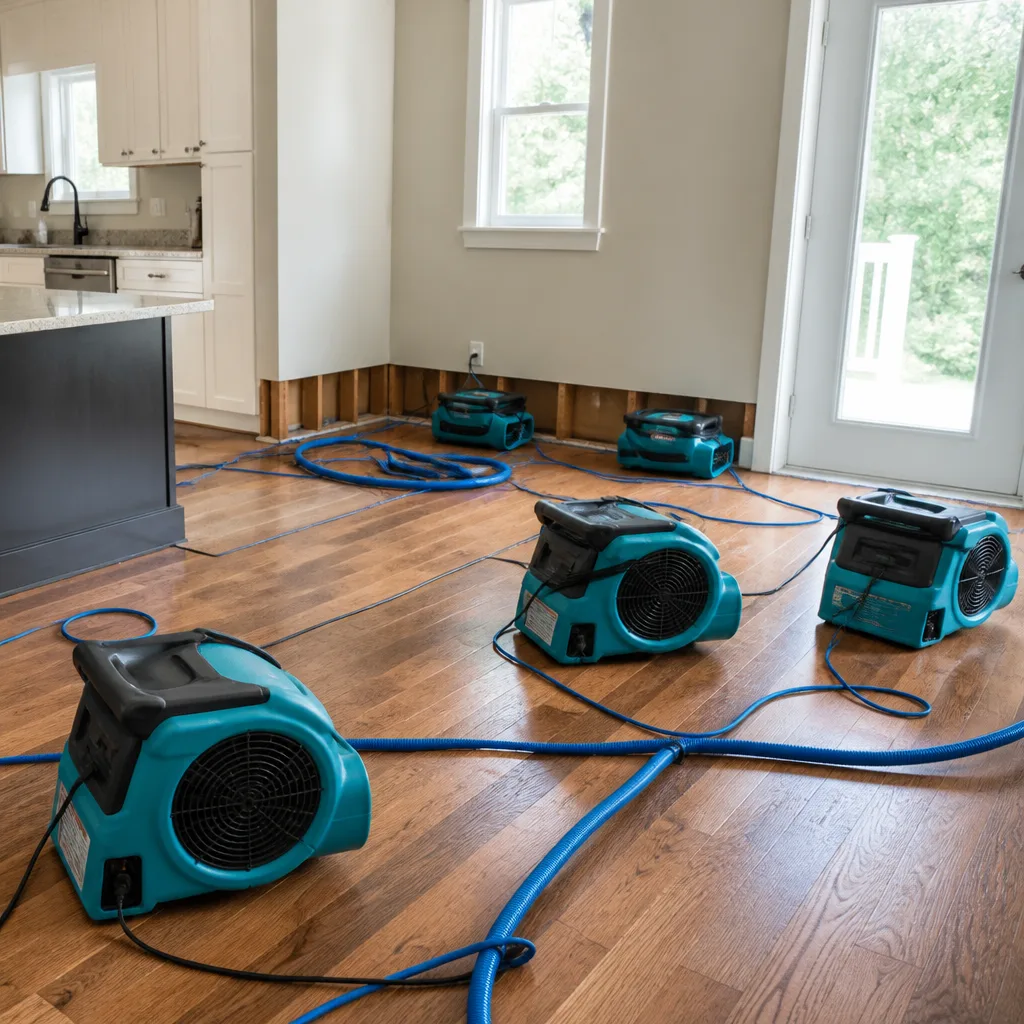
Dri-Eaz air movers and Phoenix dehumidifiers go in, placed to avoid pressurizing hallways and pushing humid air into neighboring units. We run daily moisture readings and adjust equipment placement until every cavity hits its dry standard, not just the surface.
Cleaning & Sanitization
Category 2 and 3 losses get treated with EPA-registered antimicrobials and, where needed, HEPA air scrubbing to clear airborne contaminants before finish work begins. We protect the parts of the home that didn’t get wet.
Asbestos & Material-Specific Treatment
If the building’s pipe insulation, floor tile, or plaster contains asbestos, that gets addressed the right way before drying equipment is staged. We coordinate with licensed abatement contractors and the building’s management to keep the job moving, because a stop-work order wastes everyone’s time and money.
Repairs & Restoration
Once the structure is dry and verified, we rebuild: plaster repair, wood floor refinishing, cabinet replacement, painting, whatever the unit needs to look like the loss never happened. The 90-Day Done Right Promise covers the whole job, in writing.
Need Emergency Water Damage Restoration in Midtown Manhattan Now?
Crews minutes away, answering live 24 hours a day. The sooner we start, the less it costs.
Working With Your Insurance Company
Insurance is almost always in the room after a water loss in Midtown Manhattan, and nobody wants to be the middleman between their adjuster and a restoration crew. We handle it differently. From the first hour, we photograph every affected surface and material, room by room. We take moisture readings every single day and hand the full log to your carrier, so the adjuster sees exactly what we saw. Our scopes are line-item and written in the same language adjusters use, which means fewer disputes, faster approvals, and less time wondering whether the drying actually happened. Wade talks to the adjuster directly. You don’t relay information between two sides. That’s a Water Damage Restoration claim handled the way it should be.
What We Provide Your Insurer
- Thorough documentation of the loss
- Photos of all damage, room by room
- Moisture readings and drying logs
- A detailed, line-item scope of work
- Direct coordination with your carrier
Built for Midtown Manhattan’s Loss Calendar
Midtown Manhattan’s water damage follows a calendar of its own, shaped by the canyon-like street grid and hard winters. January and February are the burst-pipe months: rooftop supply lines and perimeter plumbing freeze during deep cold snaps, then thaw and dump water into the top floors of pre-war towers and converted office buildings. A line that froze at 3 a.m. on a Monday, by 9 a.m. it’s running down through a dozen floors and three tenants. We see it every year around Park Avenue and Fifth.
April and May are thaw and rain months. Aging roof drains and parapet flashing give way, and nor’easters drive water through window gaskets and facade seams on the east-facing glass towers. Summer brings flash thunderstorms that overwhelm the sewer system, and with it, Category 3 water backing up into sub-basements and mechanical rooms. And then there’s the district steam network, Con Edison’s alone in the Western Hemisphere, running under Midtown’s streets. When a steam main ruptures, like the Lexington Avenue event near Grand Central in 2018, the moisture doesn’t behave like normal water. It carries heat, street contaminants, and often disturbed asbestos-containing material from old pipe insulation. That’s a loss that needs an industrial hygienist and abatement coordination before drying even starts.
Water Damage Restoration Across Midtown Manhattan’s Neighborhoods
We work the whole grid, and different pockets of Midtown Manhattan break differently. In Hell’s Kitchen, the walk-ups and tenements between 9th and 11th Avenues are mostly 1900s-era construction, original cast-iron risers, horsehair plaster, and long vertical drain runs that have been patched and repiped for a century. A leak on the top floor can wick down four stories before anyone sees it. In Murray Hill, the pre-war co-ops and brownstones east of Lexington are tight buildings with old radiator piping, and a failed valve means water inside finished walls, behind custom paneling, under restored hardwood.
Around Grand Central and the towers on Madison Avenue, the losses are more commercial: mechanical failures on upper floors, cooling-tower overflow, steam condensate from the district network. Building management runs the show there, and they run it through a freight-elevator schedule and a long list of access rules. We’re used to that. Over by the Hudson Yards towers and the glass buildings along West 42nd, it’s newer construction but not immune: construction defects, facade leaks, and floor-to-floor plumbing failures that spread fast through open floor plates. Each area has its own rhythm. We know them all, because we’re in and out of these buildings every week.
Specialized Water Damage Restoration Services We Offer in Midtown Manhattan
Emergency Water Extraction
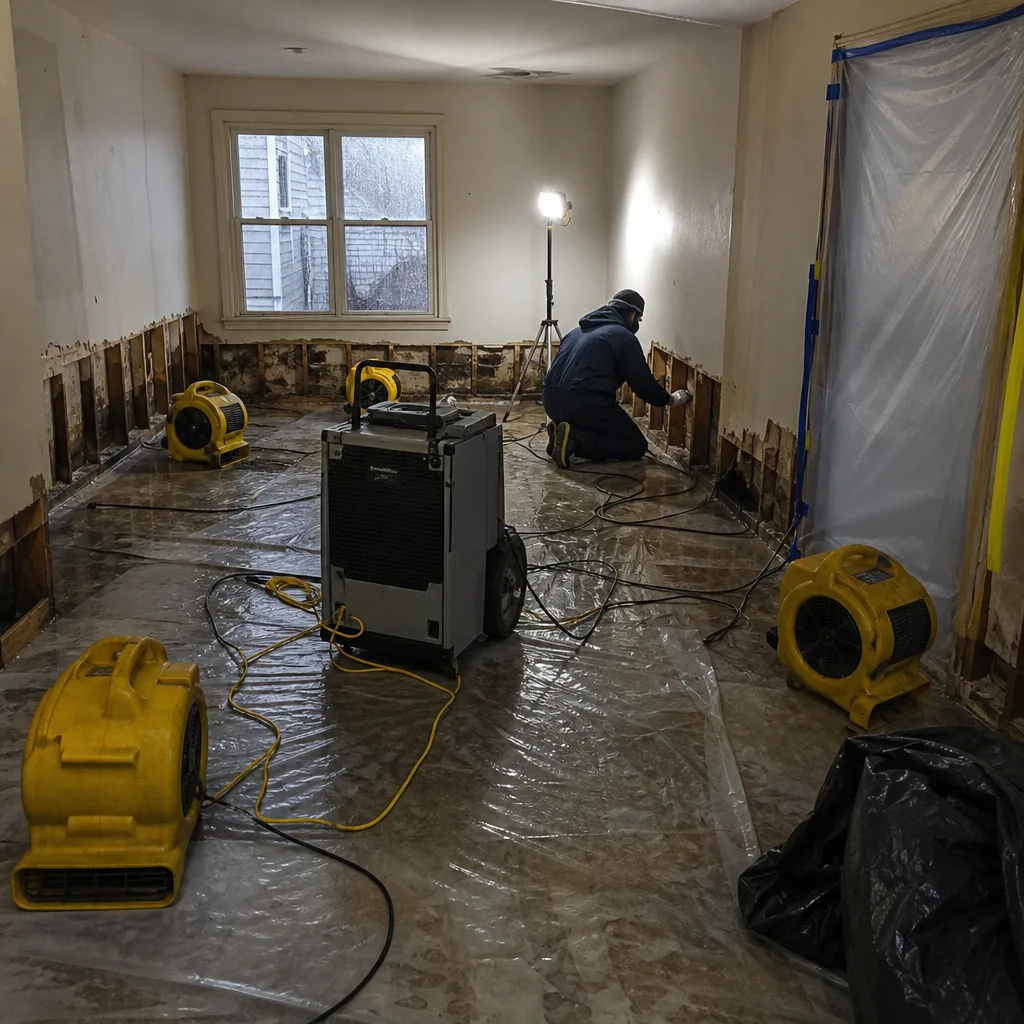
When a supply line bursts inside a Midtown Manhattan high-rise, minutes matter. Standing water on a 25th-floor unit doesn’t stay there, it migrates down through floor assemblies and into the units below. We extract first, using high-volume portable units that fit through apartment doors and inside freight elevators, then move to structural drying. On a 1900s-era Hell’s Kitchen tenement, we arrived to find water from a failed cast-iron riser had wicked deep into horsehair-plaster walls on four floors. Before structural drying could begin, we coordinated with the building super to set up containment and schedule asbestos testing. Once cleared, we ran moisture mapping with our Injectidry system and placed Dri-Eaz air movers and Phoenix dehumidifiers to bring the units to pre-loss condition, all while working within the freight-elevator windows and logging drying progress daily for three insurance carriers.
Structural Drying & Dehumidification
Midtown’s pre-war walls hold water differently than modern drywall. Horsehair plaster is dense and porous, and moisture gets deep before it ever shows a stain. We place air movers to avoid pressurizing hallways and elevators, and we adjust equipment daily based on the numbers, not a timer. A finished co-op on Park Avenue can’t afford a hidden moisture pocket behind custom wainscoting that feeds mold six months later. So we dry to standard, and we prove it with logs.
Ceiling & Roof Leak Water Damage
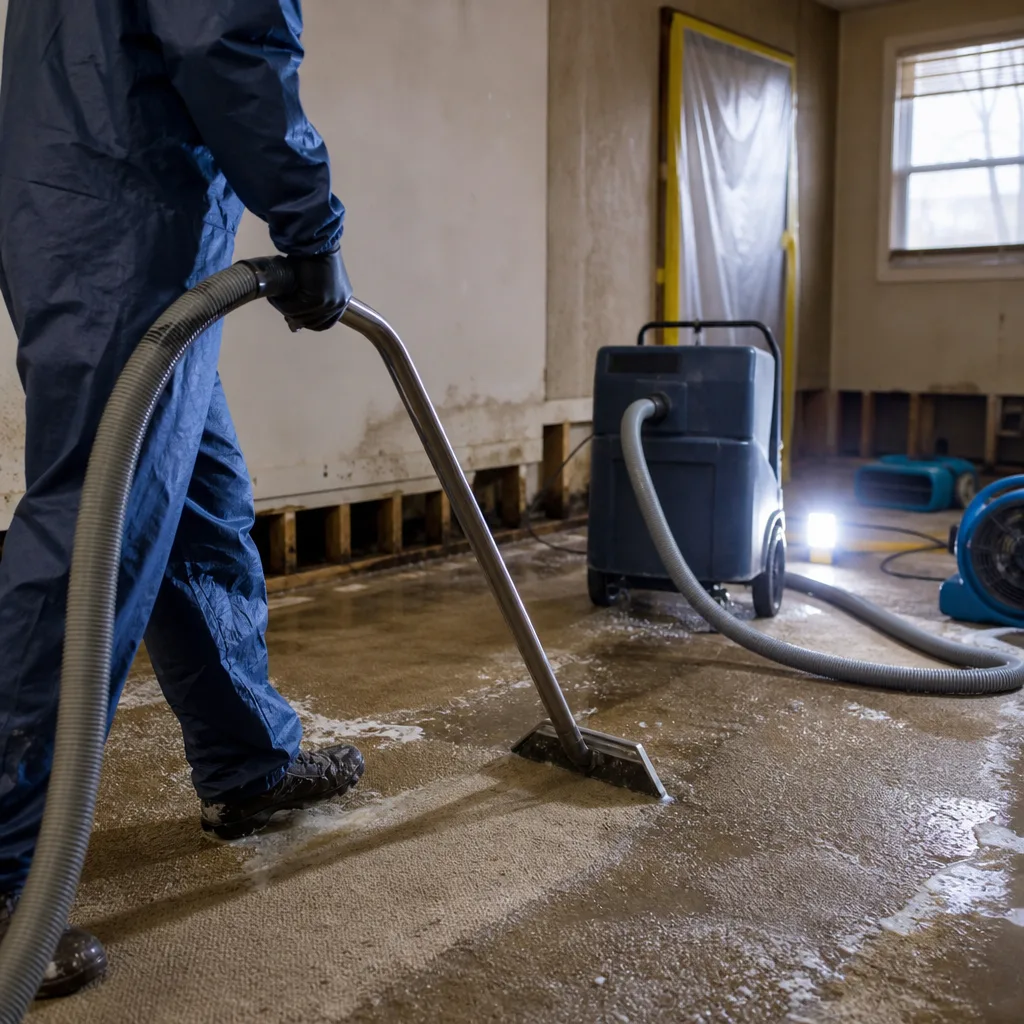
Roof-drain ice damming is a January regular in Midtown Manhattan, especially on older buildings where parapet walls trap snowmelt and force water under the membrane. That water comes down through ceiling cavities, light fixtures, and often right into the top-floor unit’s living space. We trace the path, extract what’s trapped, and dry the ceiling assembly before repairs. On buildings with asbestos-containing ceiling texture or pipe insulation, the abatement survey happens first.
Burst Pipe Restoration
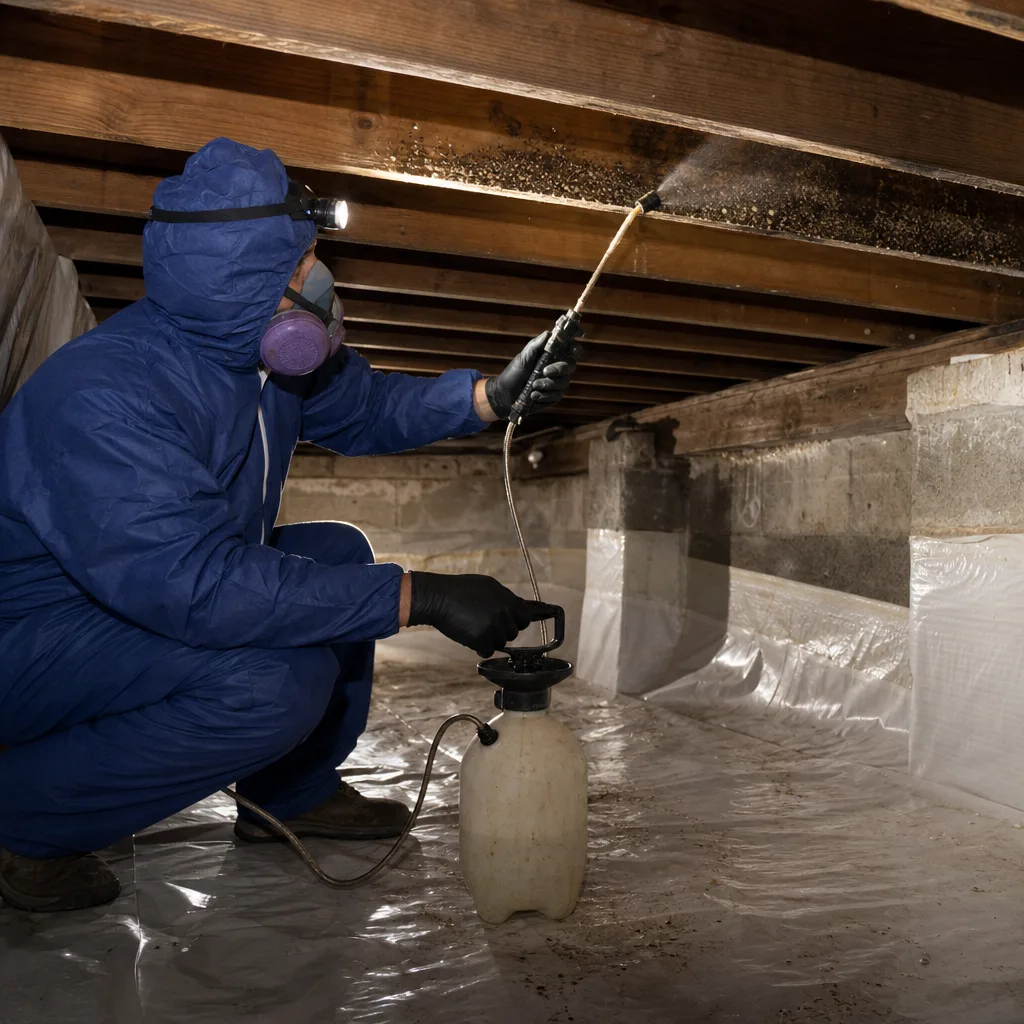
The cast-iron risers in Hell’s Kitchen and Murray Hill were installed when the buildings went up, and they’ve been corroding from the inside ever since. When one lets go, the water is usually Category 1 if it’s a domestic supply line, but the path it takes through old plaster and lath turns a clean-water loss into a rebuild project fast. We stabilize first, then dry, then rebuild.
Basement Water Removal
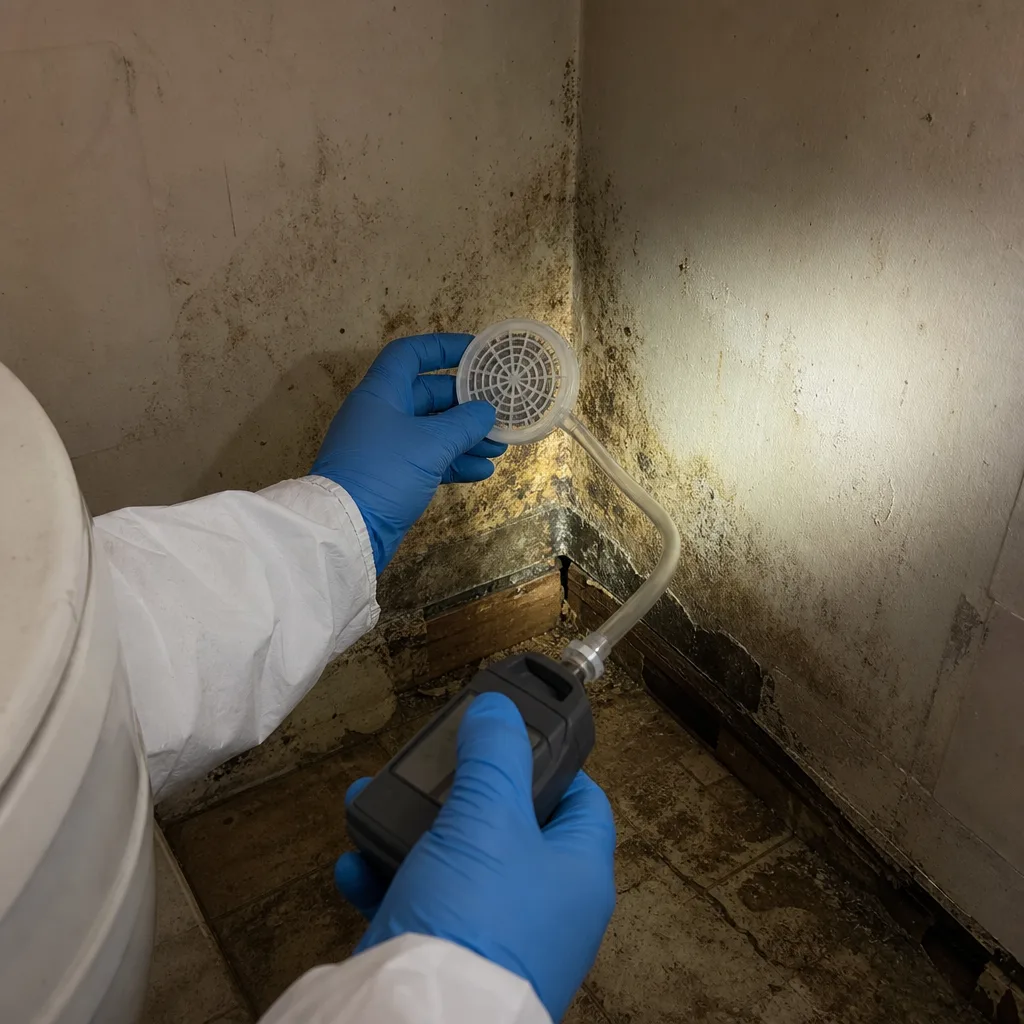
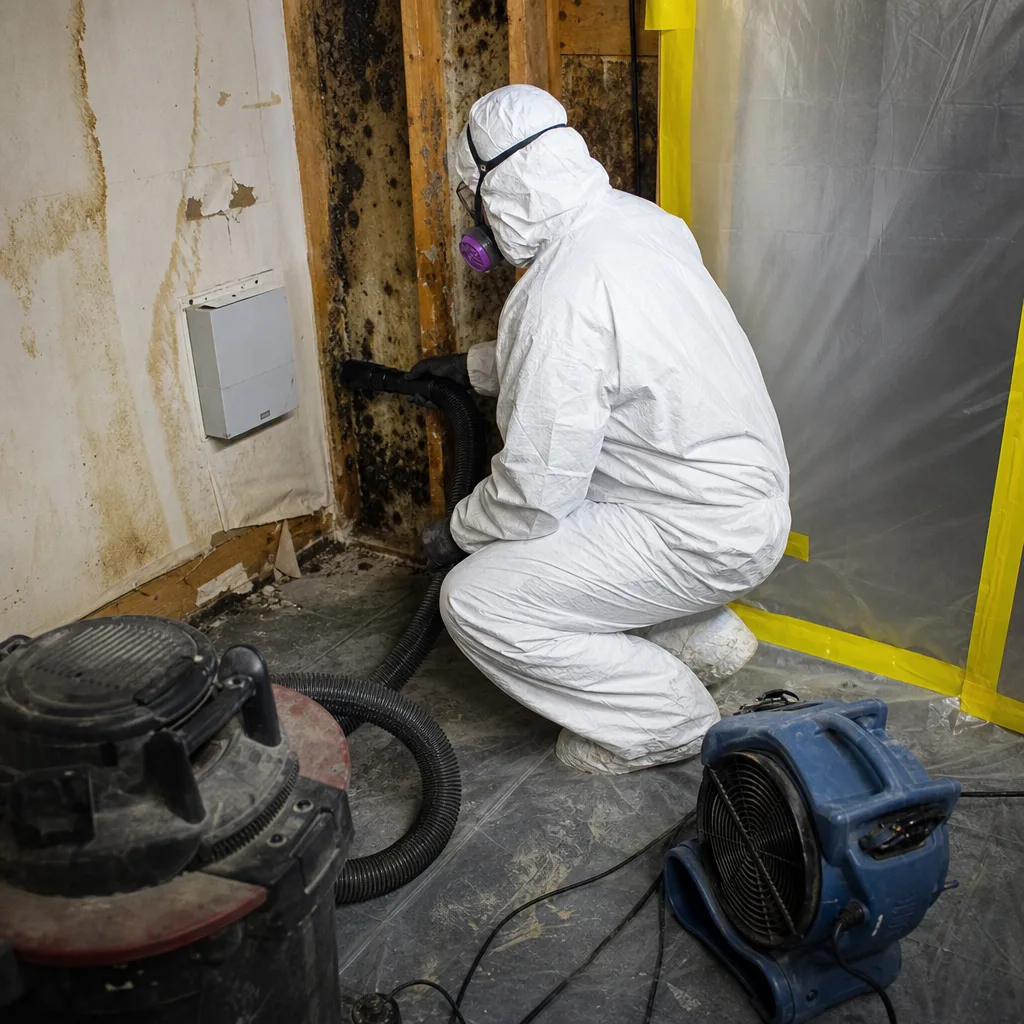
Midtown basements aren’t like suburban ones. They’re sub-basements under street level, often mechanical rooms, storage, and retail back-of-house. When stormwater overwhelms the sewer system or a steam main ruptures nearby, that water is Category 3 and it carries contaminants. Full PPE, containment, antimicrobial treatment, and often asbestos coordination come first. You can’t just pump it out and call it done.
Flood Cleanup
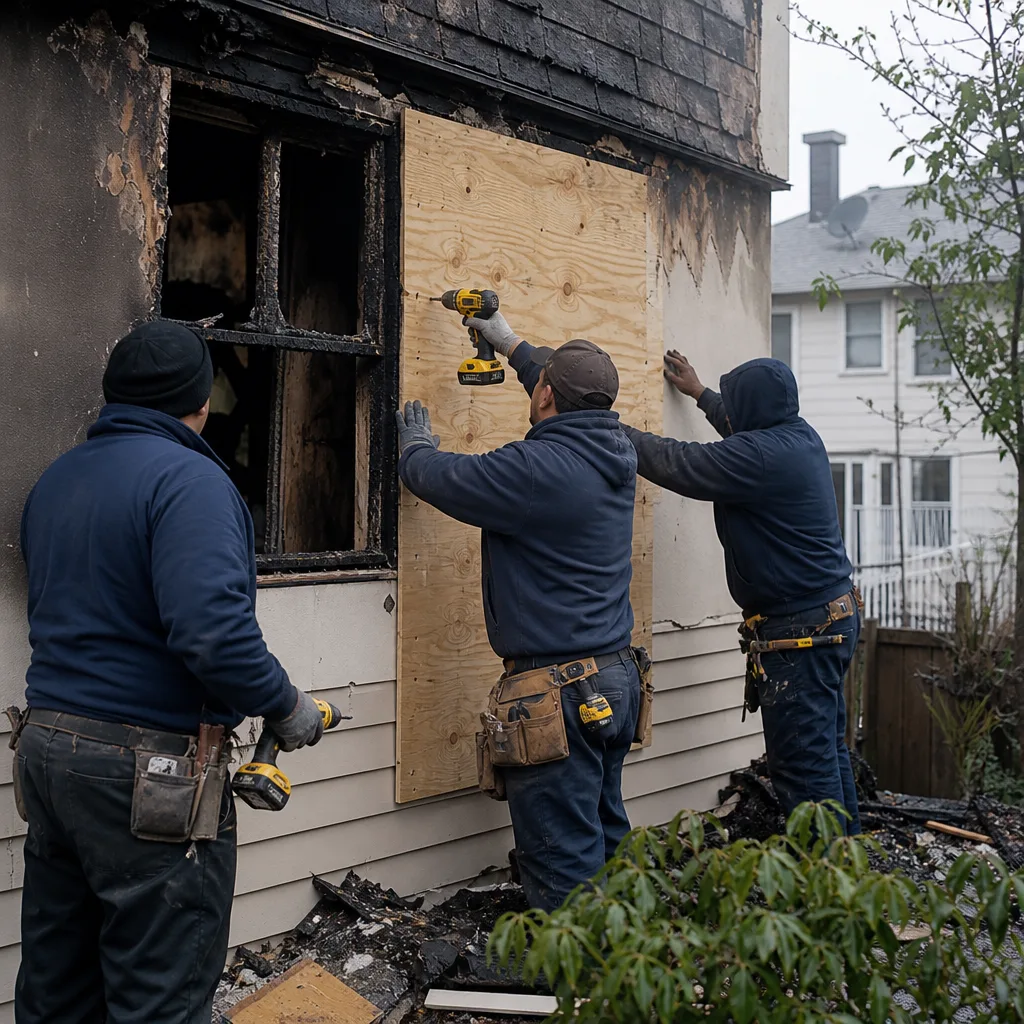
Nor’easters and summer thunderstorms both drive water into Midtown’s street-level retail and residential entrances. We handle the full scope: extraction, debris removal, sanitization, drying, and rebuilding. For businesses that can’t close, we work in phases, around operating hours, which is how Midtown Manhattan properties stay open while the loss gets handled.
What happens when you call
- 1
A real person answersNo phone trees - you reach a local pro.
- 2
You get an upfront price rangeHonest numbers before anyone is dispatched.
- 3
A background-checked tech heads outLicensed & insured, dispatched right away.
- 4
You approve before work beginsNothing starts until you say go.
Water Damage Restoration Costs in Midtown Manhattan, NY
Honest numbers, because you deserve them. In Midtown Manhattan, emergency water extraction for a single apartment or office typically runs $2,500 to $7,500, depending on how much water moved and how many rooms are involved. Structural drying and dehumidification across two or three rooms runs $1,800 to $5,000, more if the affected area includes plaster walls, wood floors, or concealed cavities that need Injectidry treatment. A full ceiling-and-floor water loss in a co-op unit, with plaster repair, floor refinishing, and painting, usually lands between $8,000 and $25,000. Basement flood cleanup with Category 3 water starts around $4,500 and climbs with the size of the affected space and whether asbestos abatement is required. The free visual inspection gives you a firm written scope, no trip charge inside our county, before any work begins. Call (363) 208-1526 and we’ll walk the loss with you.
We Also Serve Cities Near Midtown Manhattan
Wade’s Restoration covers Midtown Manhattan and the surrounding area, including Astoria across the East River, Financial District and Lower Manhattan to the south, and Flushing to the east. If you’re on the edge of Midtown, call and ask. No trip charge inside our county.
Serving Midtown Manhattan, NY - Our Local Coverage Area
We’re based in the Midtown Manhattan area and know this community well. Use the map below to see our service coverage - if you’re nearby, we can almost certainly help.
Midtown Manhattan Water Damage Restoration Questions, Answered
Why do I need an asbestos survey before you dry out my Midtown co-op’s water-damaged ceiling?
Because a huge share of Midtown Manhattan’s pre-war buildings have asbestos-containing plaster, pipe insulation, or ceiling texture, and cutting into that material without a survey can trigger a stop-work order and a licensed abatement project you didn’t budget for. We coordinate the survey with your building management before any demo starts, so the drying work doesn’t get delayed by regulatory trouble.
How do you handle water extraction on a 25th-floor apartment when the building freight elevator is booked solid?
We work in scheduled freight-elevator windows, use portable extraction units that fit through standard elevator cars, and coordinate with the building super to stage equipment on the floor of the loss. It’s slower than a ground-floor entry, but it’s how Midtown Manhattan high-rise work gets done, and we plan for it from the first call.
Can you save horsehair-plaster walls after a Category 2 water loss, or do they always need to be torn out?
Often they can be saved, if we get to them before the moisture soaks deep and the lath swells. Horsehair plaster is dense and holds water stubbornly, which means drying takes longer and requires penetrating moisture readings daily, but we’ve brought many four-story tenement losses back to pre-loss condition without gutting every wall. The key is starting fast and drying to standard, not to surface touch.
A Con Edison steam main ruptured near my building-what should I do about steam moisture and possible asbestos in my basement mechanical room?
Treat it as a Category 3 loss. Don’t enter without proper PPE, especially if the building is older and may have asbestos-containing pipe insulation or ceiling materials. Call us at (363) 208-1526. We’ll coordinate with the building’s super, bring in an industrial hygienist if needed, and handle the drying and restoration after the hazardous material concerns are addressed.
How do you dry a high-rise commercial space in Midtown when the tenant cannot close for repairs?
We phase the work around operating hours, contain the affected area with plastic sheeting, and place equipment to minimize disruption. Extraction and demo happen before opening if possible; drying runs during business hours in stages. We’ve done this in retail spaces along Fifth Avenue, restaurant back-of-house off Broadway, and hotel rooms with guests on either side of the loss.
How fast can someone actually get here?
We commit to being on-site within 45 minutes inside the Midtown Manhattan area, and often we’re faster. Wade answers the phone himself, 24 hours a day, and crews stage from the New York City office. You’ll get a real person, not a queue, and a fixed arrival window, not “sometime this afternoon.”
Will insurance cover this?
Most water damage from burst pipes, roof leaks, or appliance failures is covered under standard property or co-op insurance policies. Flooding from street stormwater or steam-main ruptures may fall under different coverage. We document everything, bill directly, and deal with your adjuster ourselves. Call (363) 208-1526 with your policy in hand and we’ll help you understand what’s covered.
What should I do in the first 30 minutes after discovering water damage?
If it’s safe, shut off the water source or main valve. Kill the power to the affected area if water is near outlets or the panel. Move valuables and furniture out of the water path. Then call us. Don’t wait for the building super to file a report, don’t wait for the water to stop spreading. The first hour determines whether you’re dealing with a dry-out or a rebuild. Call (363) 208-1526 and we’ll walk you through the next steps.
Written by Wade Ferris, Owner at Wade’s Restoration, serving New York City and Midtown Manhattan locally with crews that answer live, dry to standard, and stand behind the 90-Day Done Right Promise.