
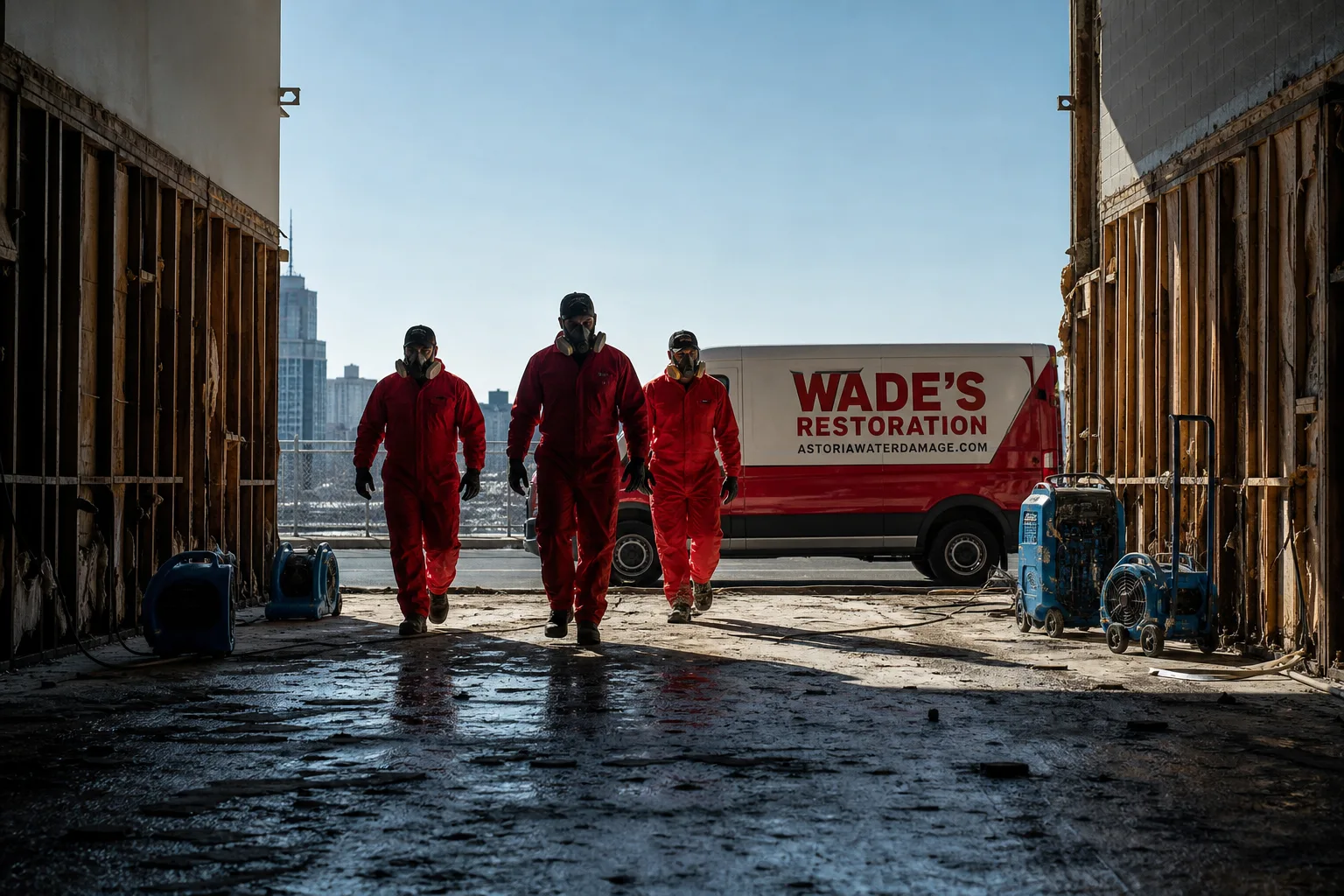
Free visual inspection and a written scope of work before any mitigation begins - photos, moisture readings, and drying logs go in your claim file
The scope we write is the scope we bill. Anything new gets shown to you, in writing, before we touch it.
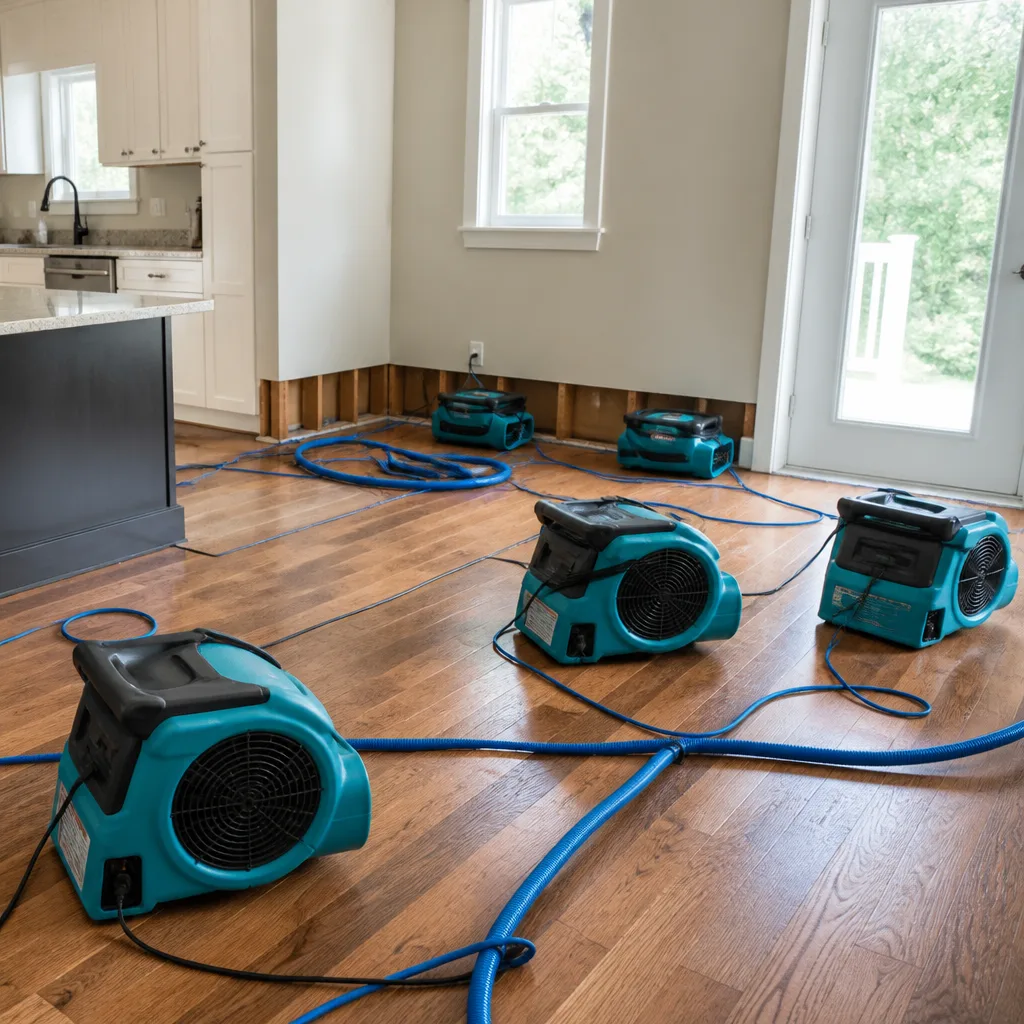

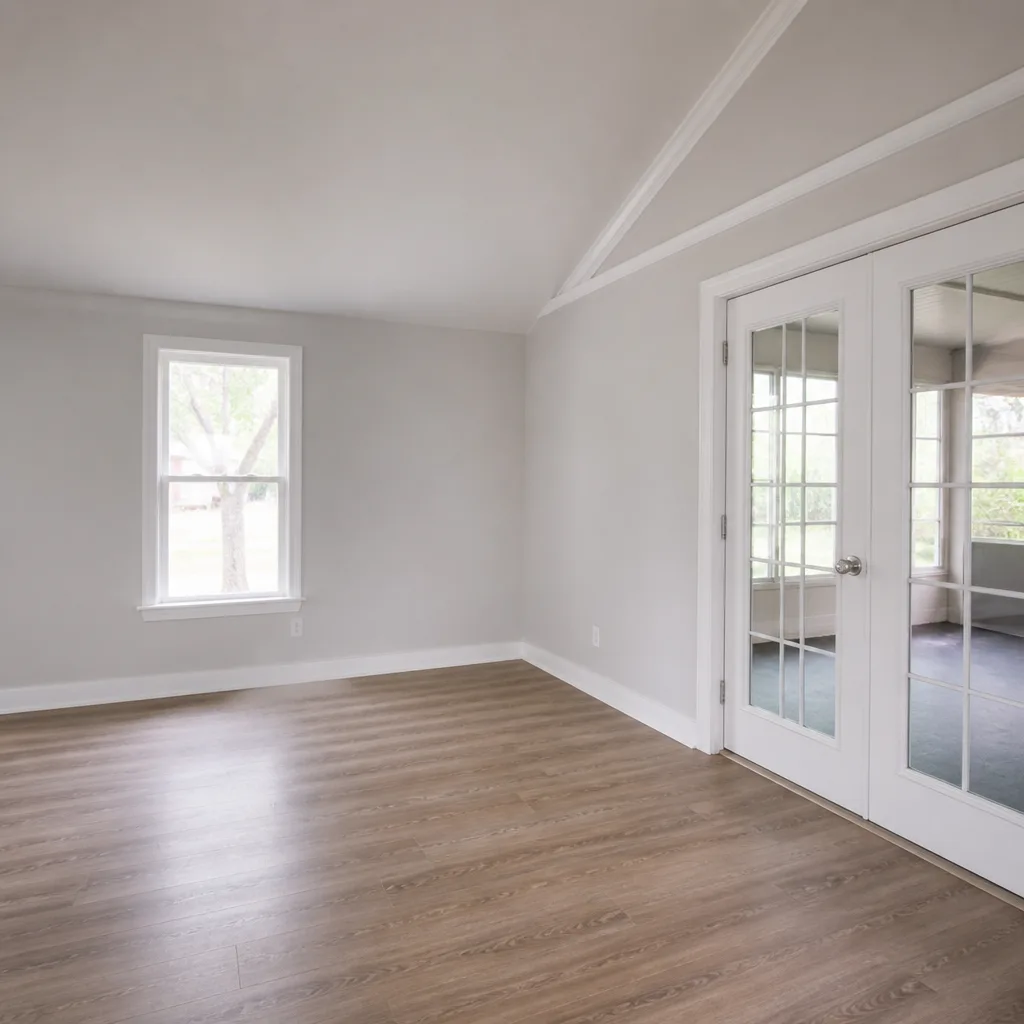

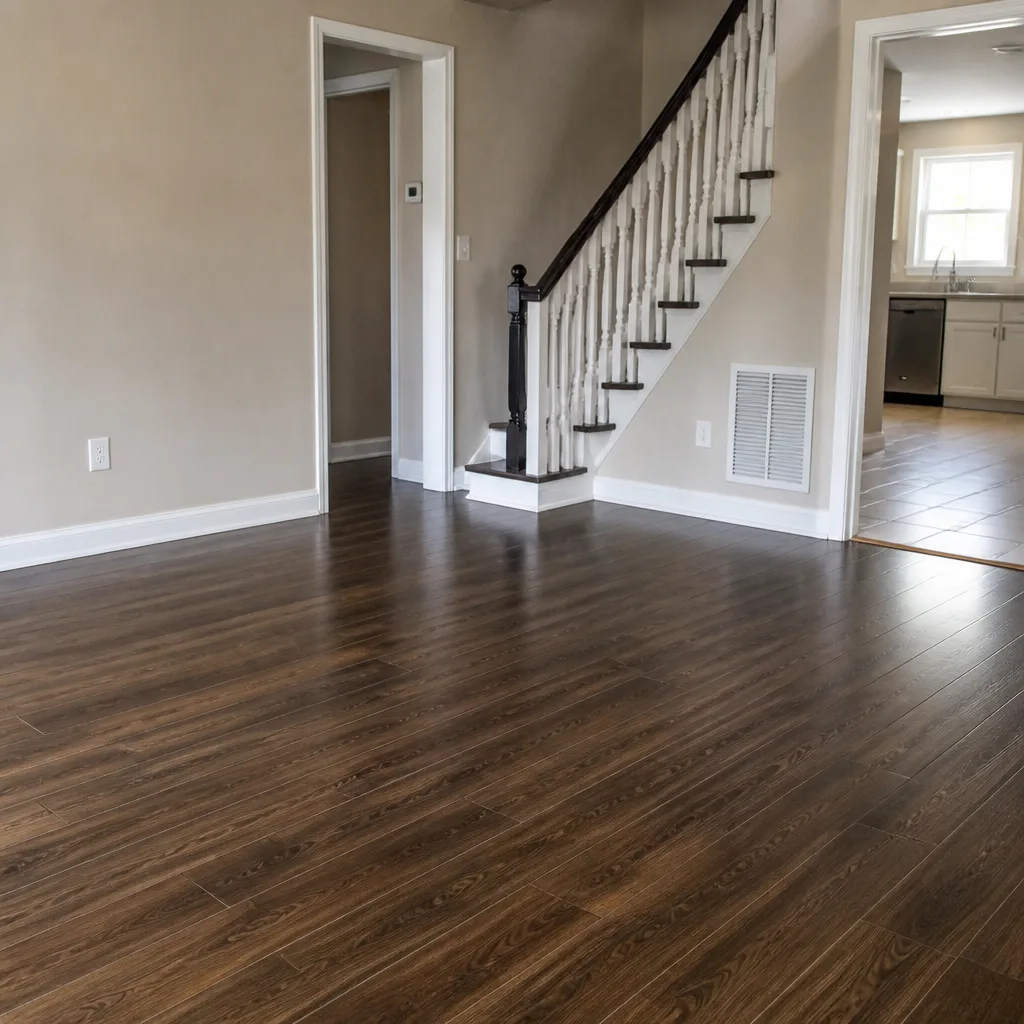

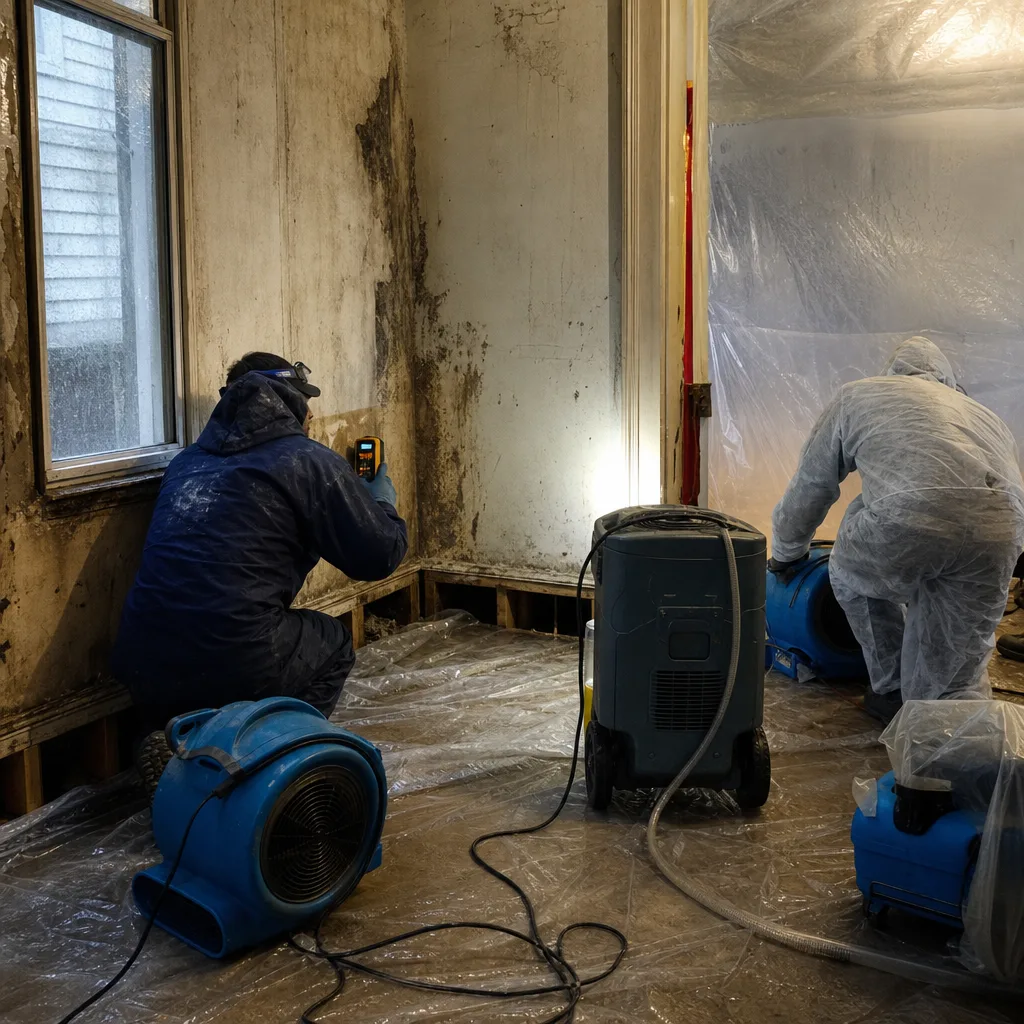 Before
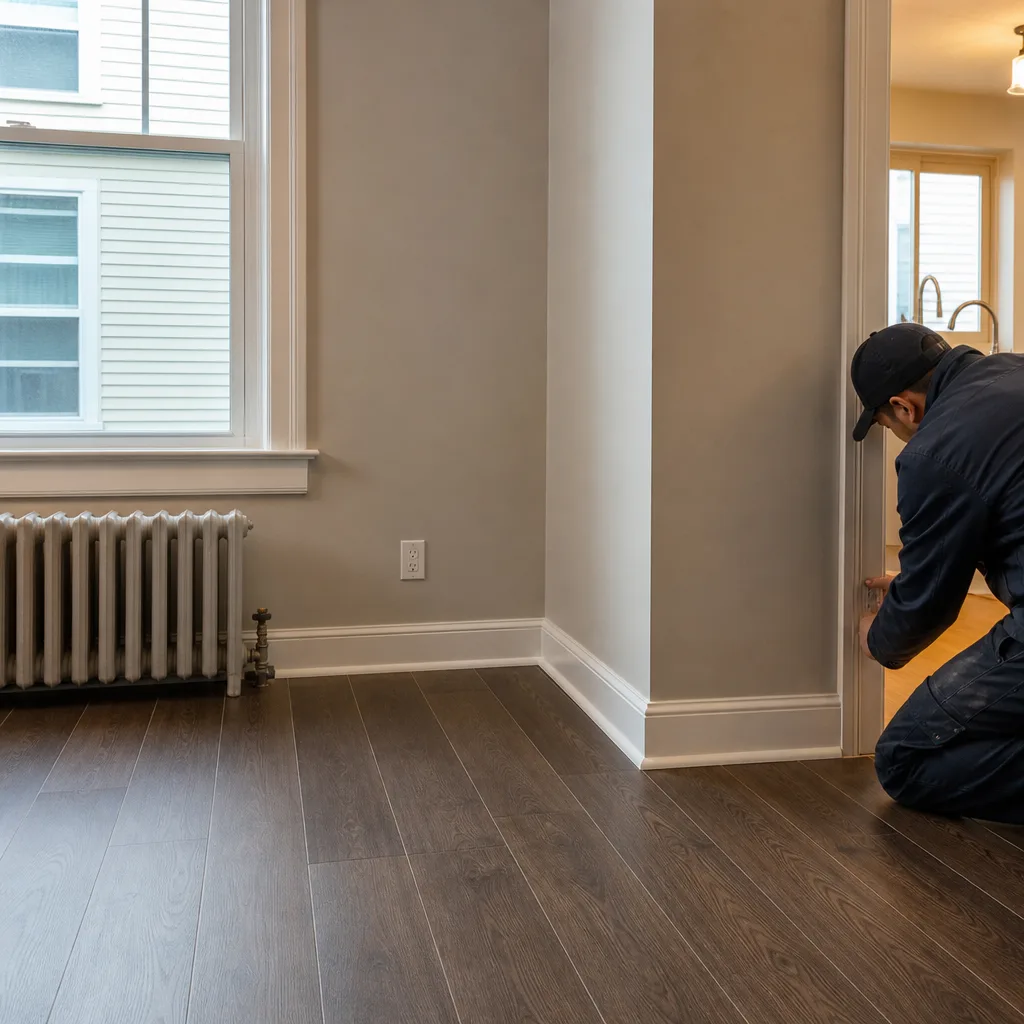 After
After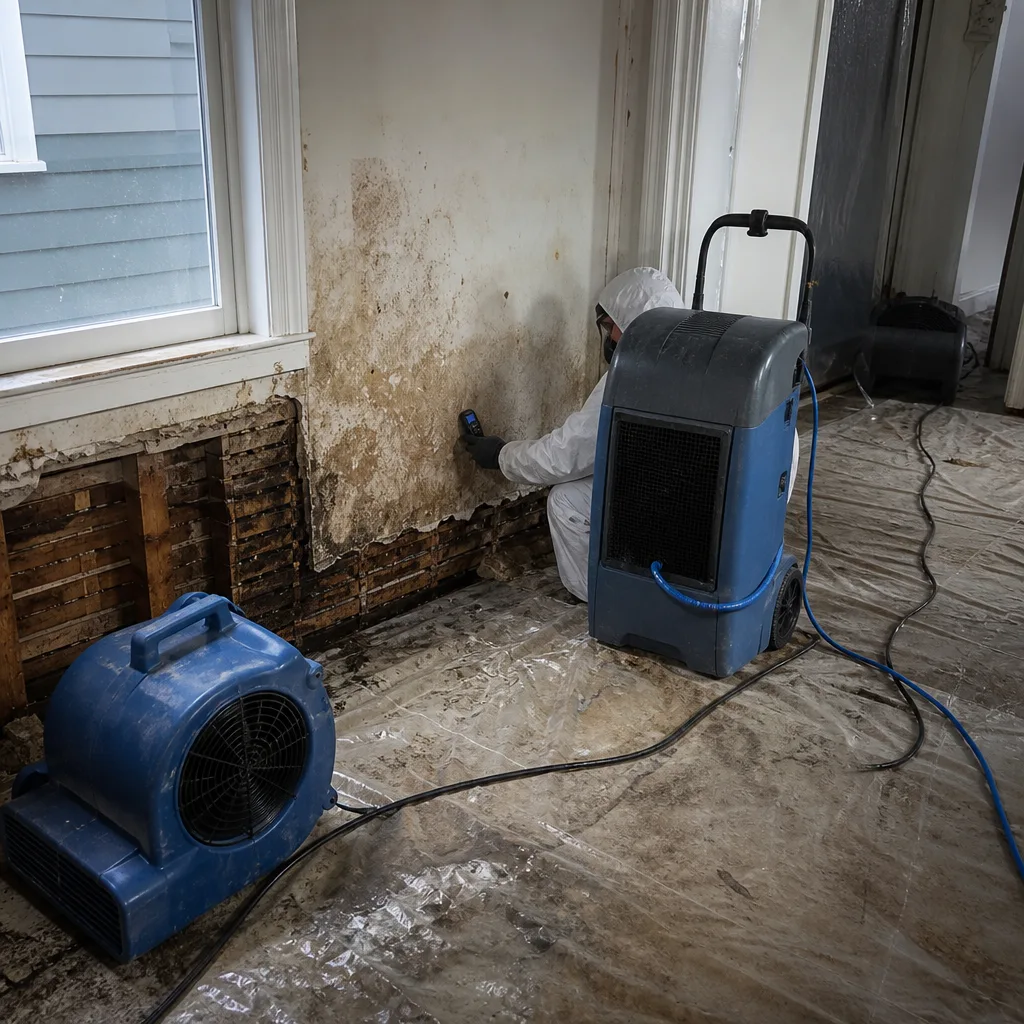 Before
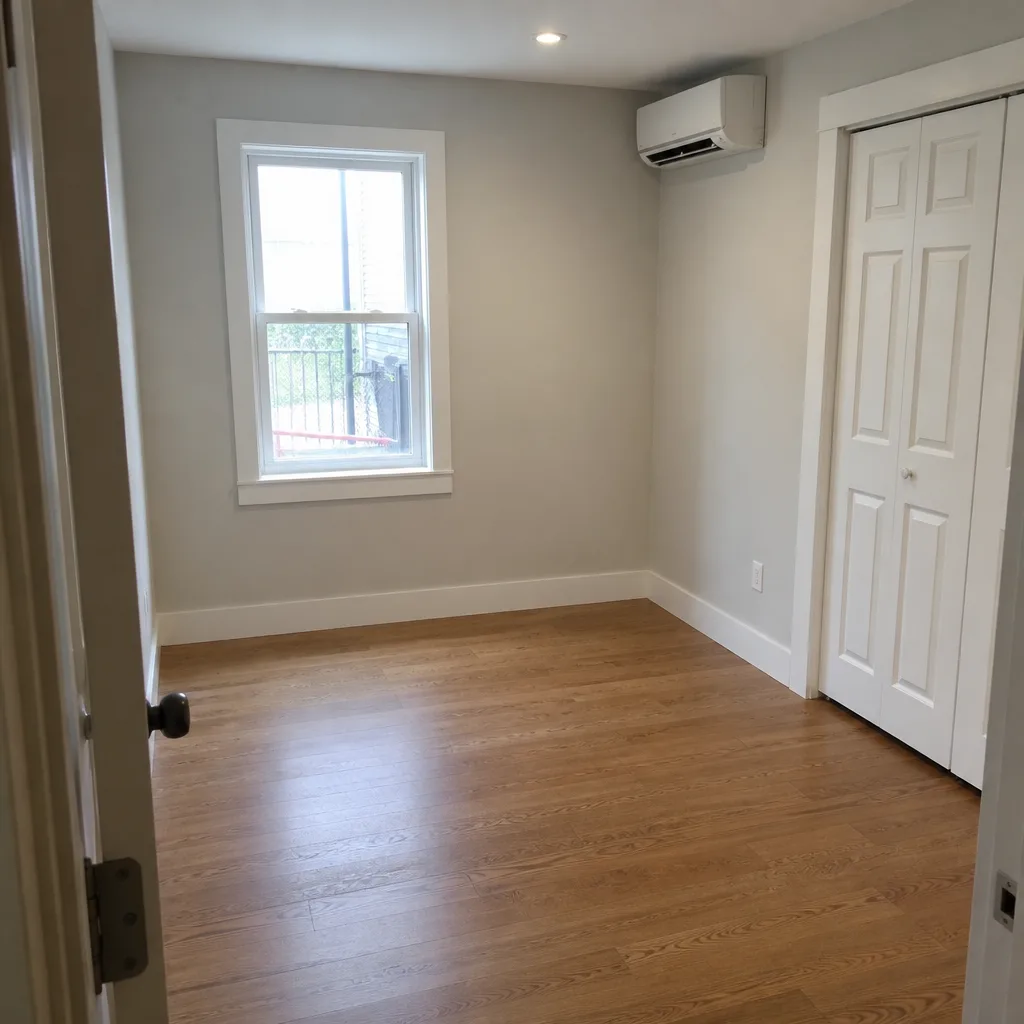 After
After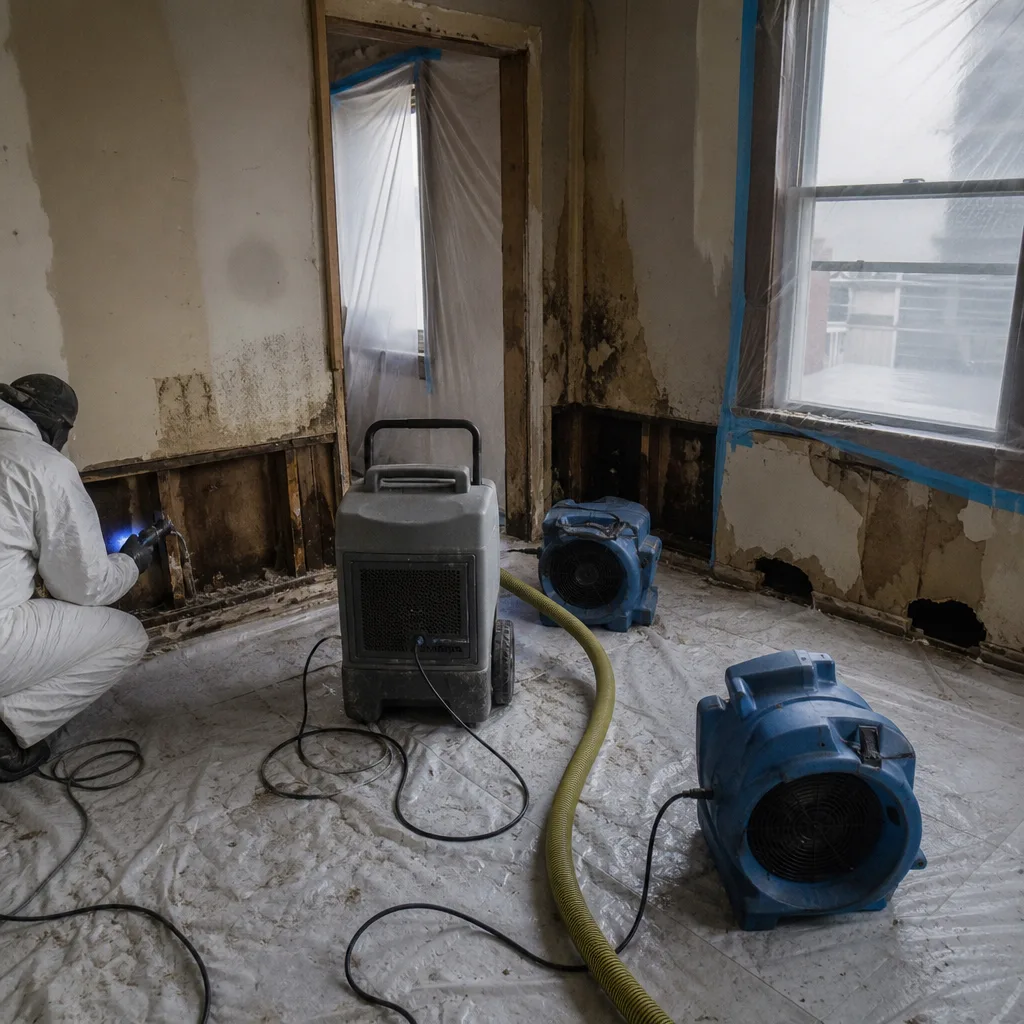 Before
 After
After24/7 Emergency Biohazard & Crime Scene Cleanup in Long Island City
When a biohazard event happens in Long Island City, property owners need a real person on the phone now, not a call center, not a recording. That’s exactly what we are. A live person answers (363) 208-1526 around the clock, every day of the year. Wade Ferris answers his own phone, and his crew can be rolling toward Hunters Point, Dutch Kills, or Court Square inside the hour. The first hour after a trauma, unattended death, sewage backup, or crime scene matters because blood and bodily fluids wick into porous surfaces fast. Linoleum, grout, drywall, and subfloor soak up those fluids quicker than people assume. The sooner containment goes up and extraction begins, the less demolition and replacement you’re looking at. We offer a free visual inspection on every Long Island City biohazard call, and we work directly with your insurance adjuster so you’re not stuck being the messenger between two sides.
Understanding Biohazard & Crime Scene Cleanup Severity in Long Island City Properties
Biohazard severity is classified by what the source is, not just how bad it looks. Category 3 water, often called black water, carries pathogenic, toxigenic, or otherwise harmful agents. That’s raw sewage, floodwater from the East River or Newtown Creek, or any water that has sat long enough for bacteria to bloom. In Long Island City, a basement hatchway seeping during a nor’easter is not the same as a toilet line backing up, but both demand immediate containment and antimicrobial treatment. Bloodborne pathogens, which require full PPE and a written bloodborne pathogen exposure control plan under OSHA 29 CFR 1910.1030, are a daily reality here. What makes Long Island City different from, say, a single-family suburb is the building stock. Converted early-1900s lofts and warehouses have old wood framing, multiple floor layers, and shared wall cavities. Newer high-rises have common hallways, shared HVAC risers, and dense occupancy. Contaminants move through both, just differently. In a Dutch Kills loft, fluids travel through tongue-and-groove subfloor and into joist bays. In a Hunters Point tower, smoke and pathogens can migrate through the building’s mechanical ducting. Our Biohazard & Crime Scene Cleanup teams are trained to map the actual spread, not guess at it.
Why Long Island City Property Owners Choose Wade’s Restoration
- Wade answers his own phone, 24/7. You get the owner, not a queue, not a script reader.
- Crews are dispatched from our New York City office and serve Long Island City locally, with a response commitment measured in minutes, not days.
- IICRC-certified technicians handle bloodborne pathogen cleanup, trauma scene decontamination, and Category 3 black water mitigation.
- Free visual inspection on every call, with a written scope before any billable work starts. No pressure, no mystery charges.
- Direct insurance billing and adjuster communication, with moisture readings, photo documentation, and a line-item scope your carrier can actually read.
- One team from containment through reconstruction, so you never get handed off to a stranger mid-job.
Our Biohazard & Crime Scene Cleanup Process
Inspection & Assessment
We walk every affected space, including below the visible floor line and behind wall cavities. In Long Island City’s older lofts, that means checking joist bays, original pine subfloor, and masonry party walls. In new towers, it means mapping the HVAC path and common-area access points.
Containment & Stabilization
We set up negative air pressure and HEPA-filtered air scrubbers before anything moves. This prevents cross-contamination into hallways, adjacent units, and building mechanical systems, which is critical in occupied LIC buildings where neighbors are feet away.
Extraction & Removal
Blood, bodily fluids, sewage, hoarded materials, and contaminated surfaces come out under controlled conditions. We bag, seal, and remove biohazardous waste through approved regulated medical waste channels, not the building’s trash chute.
Drying & Dehumidification
Using Dri-Eaz dehumidifiers, Phoenix air movers, and daily moisture readings, we dry structural framing and substrate to pre-loss conditions. In LIC’s converted industrial spaces, this can mean drying original timber joists that have been wet for years, not days.
Cleaning, Antimicrobial & Odor Treatment
Every affected surface is cleaned with hospital-grade antimicrobials, then sealed where necessary. Odor from decomposition or sewage is treated at the source with hydroxyl or ozone generation, never masked with fragrance. We verify with third-party clearance testing when requested.
Repairs & Reconstruction
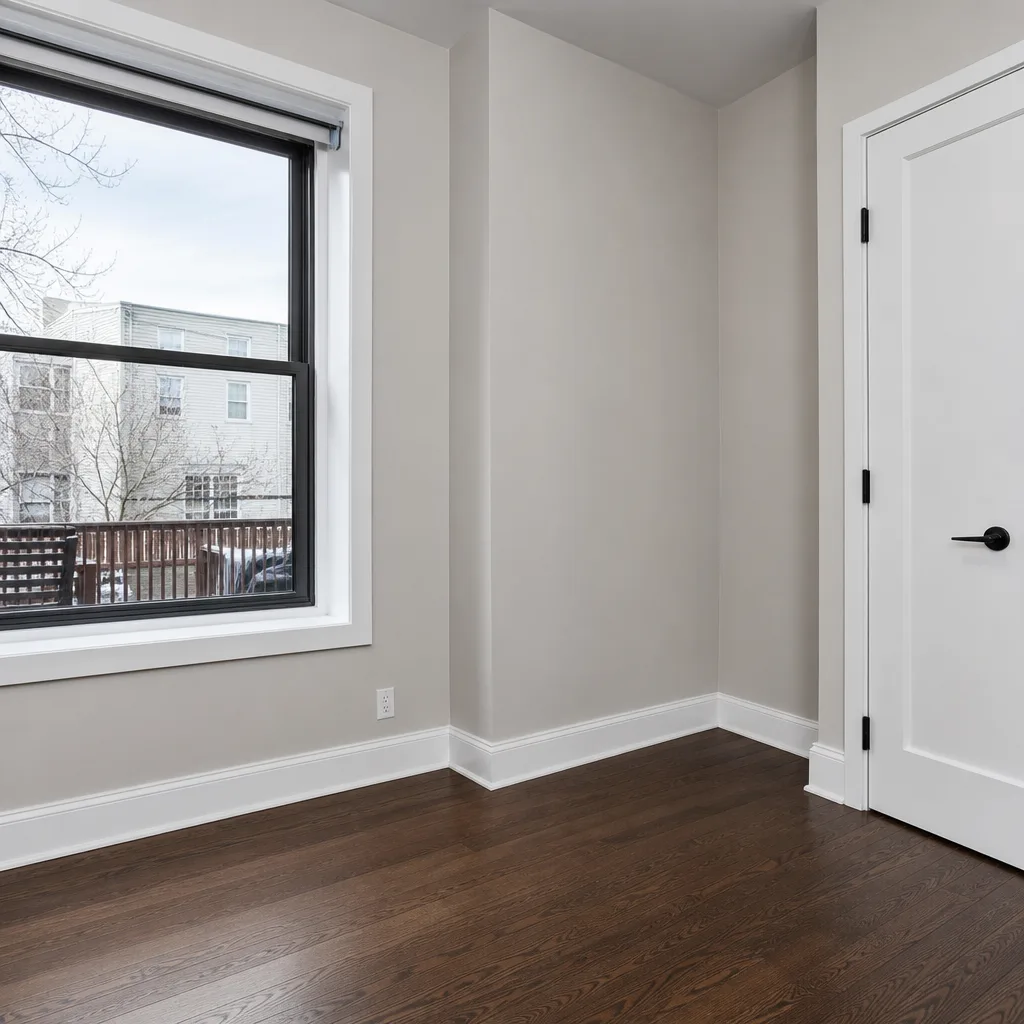
Flooring, drywall, painting, trim, and fixture replacement happen in-house. We coordinate with your building’s management and board where required, especially in LIC condos with alteration agreements and insurance rider requirements.
Need Emergency Biohazard & Crime Scene Cleanup in Long Island City Now?
Crews minutes away, answering live 24 hours a day. The sooner we start, the less it costs.
Working With Your Insurance Company
Insurance claims for biohazard and crime scene cleanup are messy by nature. Your carrier needs documentation that proves what was damaged, what was contaminated, and what we did about it. We start photographing from the first walkthrough and keep going until the last trim piece goes back on. Every drying log, every negative air pressure reading, every line-item material cost goes into a packet we send directly to your adjuster. Wade has spent nearly two decades talking to adjusters on Long Island City claims, from Hunters Point co-op boards to Dutch Kills loft owners. When questions come up, he picks up the phone and answers them. You don’t relay information, and you don’t get caught between a carrier that wants to pay less and a contractor who wants to charge more.
What We Provide Your Insurer
- Thorough documentation of the loss
- Photos of all damage, room by room
- Moisture readings and drying logs
- A detailed, line-item scope of work
- Direct coordination with your carrier
Built for Long Island City’s Loss Calendar
Long Island City doesn’t have an off-season for biohazard work. It has a calendar of different causes. January deep freezes burst supply lines in uninsulated loft walls and unheated mechanical rooms, sending Category 3 water through occupied units. March and April bring thaw and rain, when Newtown Creek and the East River rise and combined sewer lines back up into basements along 21st Street, Jackson Avenue, and Vernon Boulevard. Summer thunderstorms hit fast and hard, overwhelming LIC’s aging catch basins and flooding ground-floor retail and residential spaces, often mixing street runoff with raw sewage. September through November is nor’easter season, when storm surge pushes up against the Hunters Point waterfront and into building substructures. All year round, unattended deaths, suicide cleanups, and hoarding situations require the same response speed and the same discretion. The common thread is that water intrusion in Long Island City is rarely clean water. It’s black water or it becomes black water fast.
Biohazard & Crime Scene Cleanup Across Long Island City’s Neighborhoods
The call types shift from block to block. In Dutch Kills, where converted warehouses and low-rise older stock sit near the creek, we see sewage backups, hoarding situations, and trauma cleanups in buildings where the floor framing is original and the walls hide a century of accumulated material. Along the Hunters Point waterfront, newer high-rise towers with curtain-wall glass and tightly sealed envelopes create different challenges: contaminants can travel through shared hallways, elevator shafts, and HVAC risers, and co-op boards demand detailed containment plans before we even start. Court Square and Queens Plaza, with their mix of pre-war brick buildings and glass towers along 44th Drive and Crescent Street, show the full range: burst riser lines, backed-up sewer laterals, and crime scenes in buildings with 24-hour doormen who want discretion above all. And over near the Pulaski Bridge entrance and the industrial stretch along Review Avenue, the old brick combined sewer laterals are some of the worst in the borough. Any ground-floor biohazard call after moderate rain gets treated as Category 3 until proven otherwise. That’s not caution. That’s experience.
Specialized Biohazard & Crime Scene Cleanup Services We Offer in Long Island City
Crime Scene Cleanup
After law enforcement releases a scene, someone has to deal with what’s left. Blood, tissue, fingerprint dust, and bodily fluids are biohazards, not just cleaning problems. We handle them with full PPE, containment, and regulated waste disposal. We’ve worked scenes in Long Island City apartments, retail spaces, and public stairwells, always with discretion and speed.
Trauma & Unattended Death Cleanup
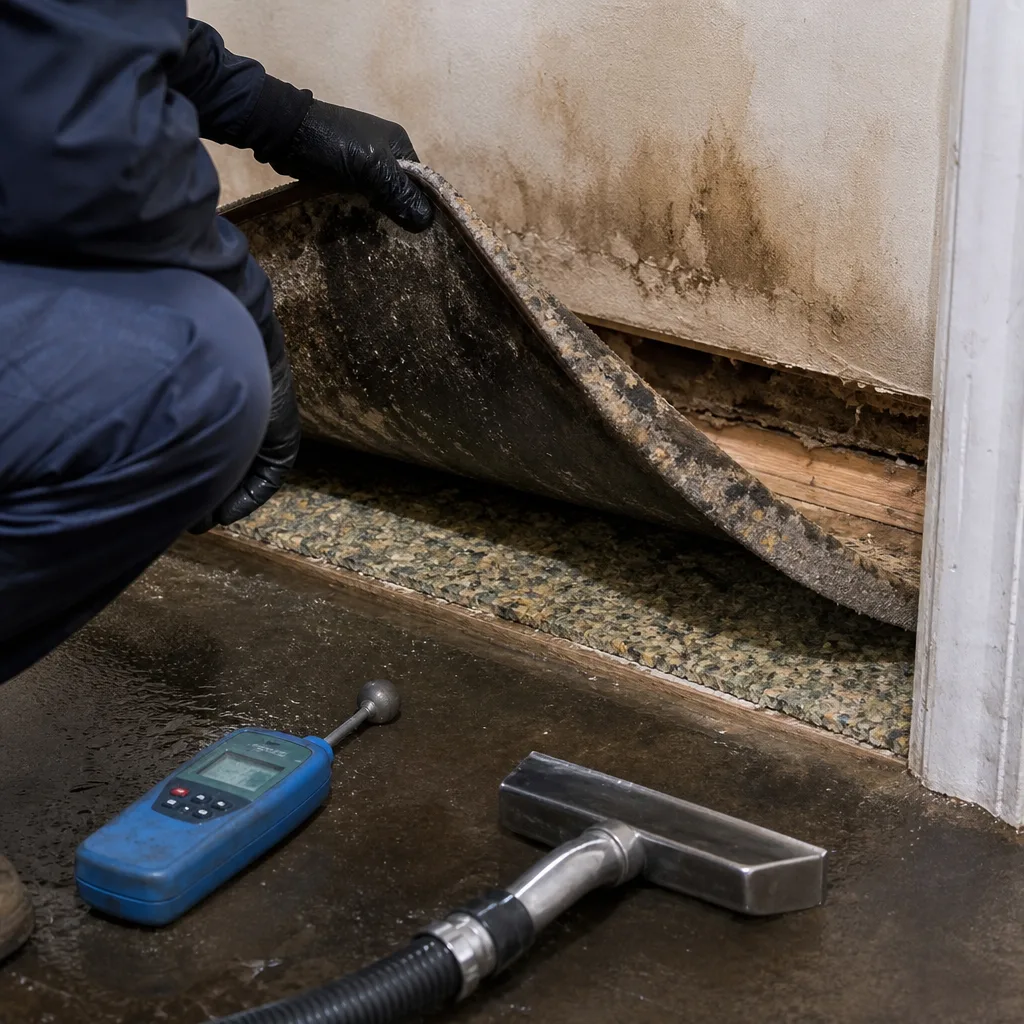
Decomposition fluids are aggressive. They soak through carpet, padding, hardwood, subfloor, and into joist bays. By the time the smell is noticed, the damage is usually structural. We remove affected materials, treat the framing, and dry the space until readings are back to normal. In pre-war LIC buildings, that often means exposing brick and original timber and treating both.
Hoarding Cleanup
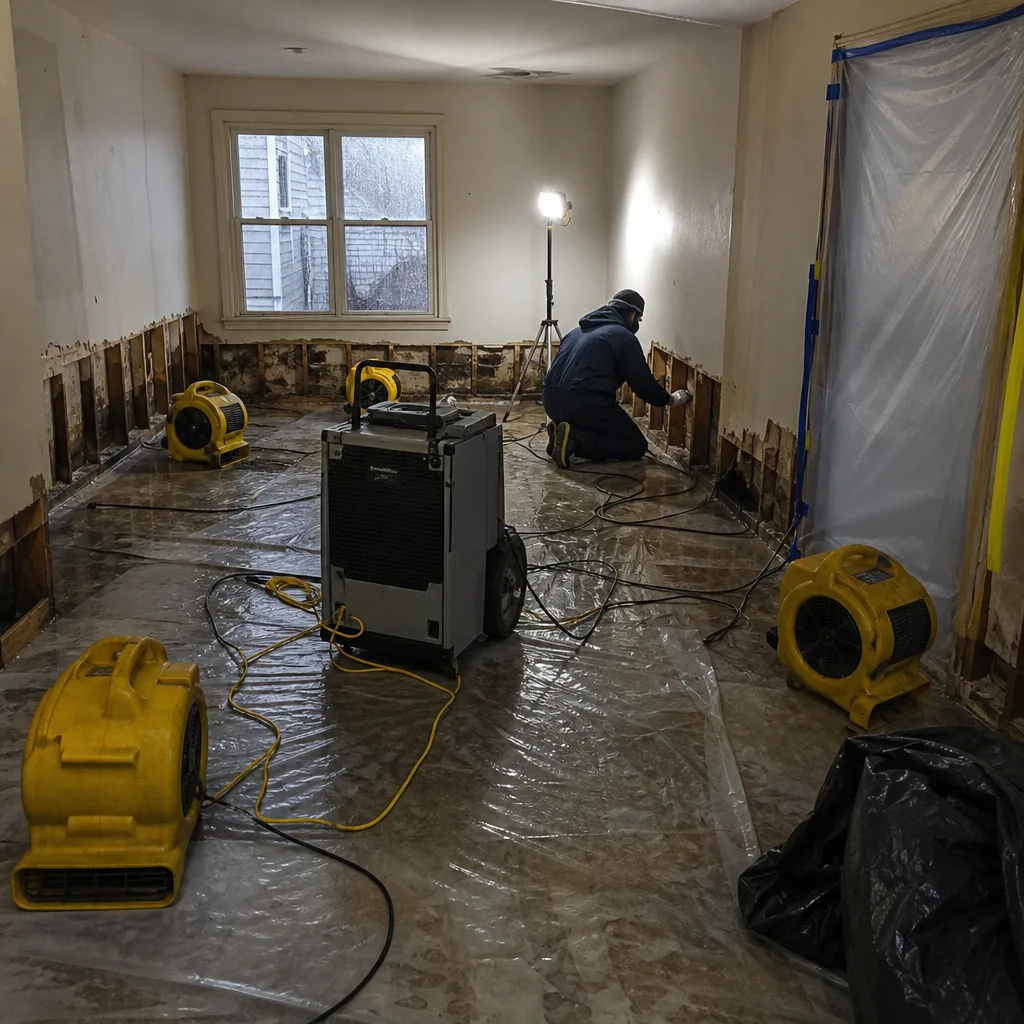
Hoarding in Long Island City’s small apartments and old lofts can hide structural damage, biohazardous material, and fire hazards. We work with property managers, families, and the occupant where possible. Removal is done with respect, and the cleanup includes sanitization, not just hauling.
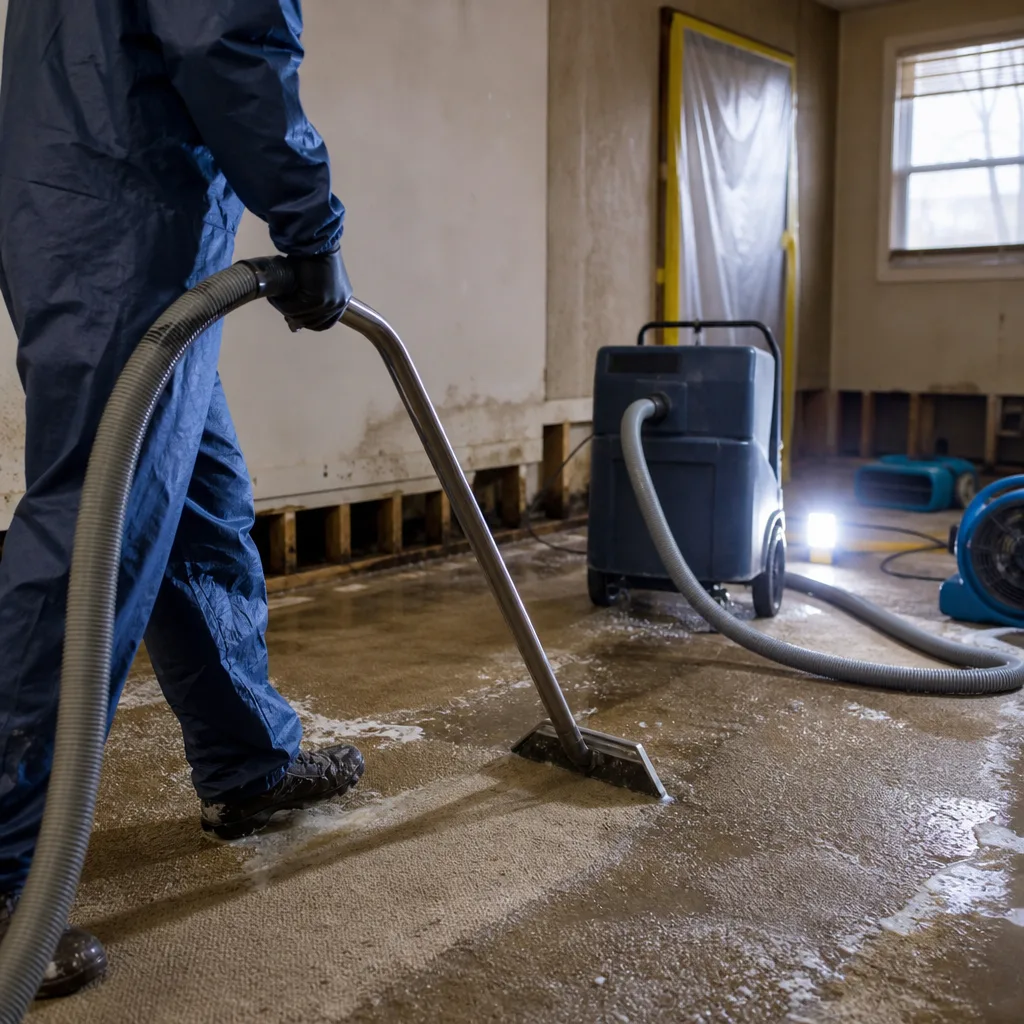
Blood & Bodily Fluid Cleanup
We remove, clean, and disinfect every material exposed to blood or body fluids, following OSHA bloodborne pathogen standards. Carpets and pads come out. Hard surfaces get treated and sealed. We don’t just clean what you can see, we open the spaces fluids travel into.
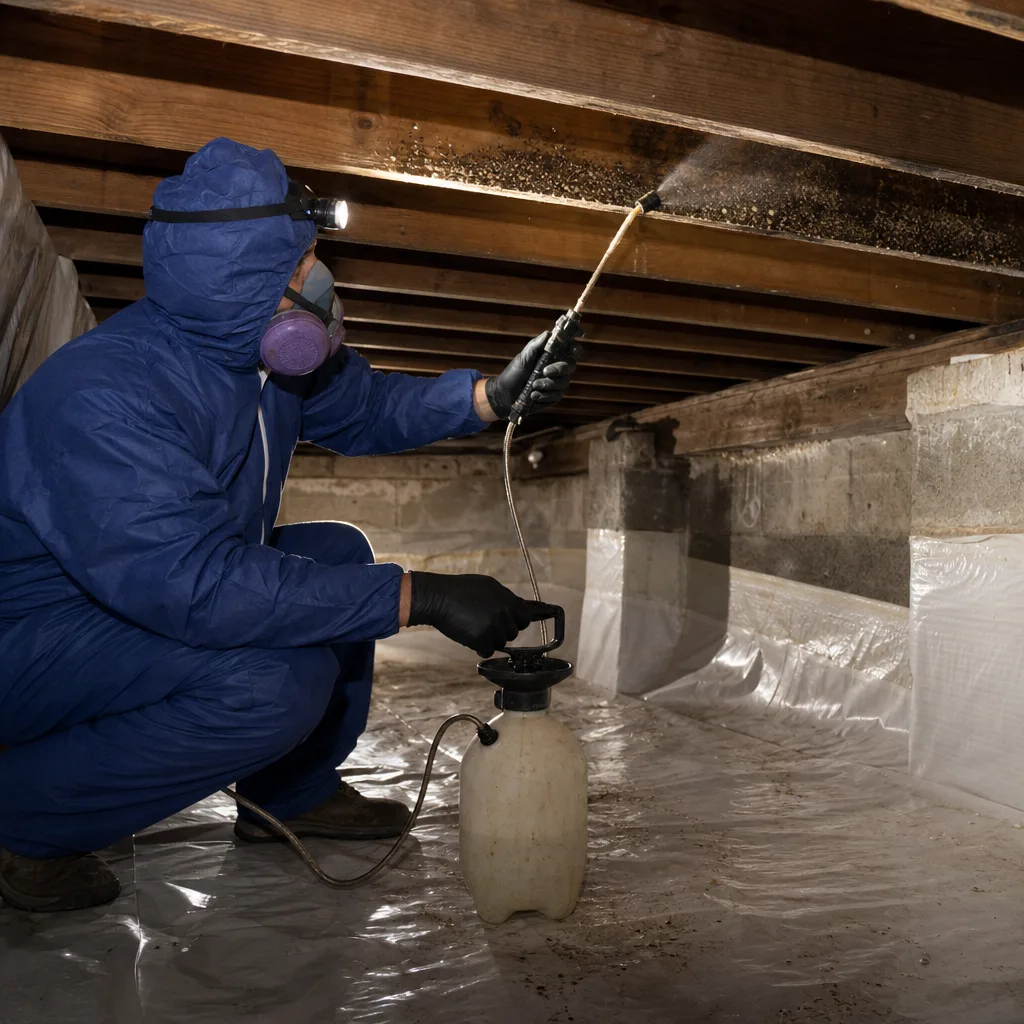
Infectious Disease Disinfection
When someone with a confirmed infectious illness, including MRSA, C. diff, COVID-19, or tuberculosis, has been in a space, we can disinfect using hospital-grade products and proper dwell times. It’s more than wiping surfaces. We reach the air, the ducting where accessible, and every touch point.
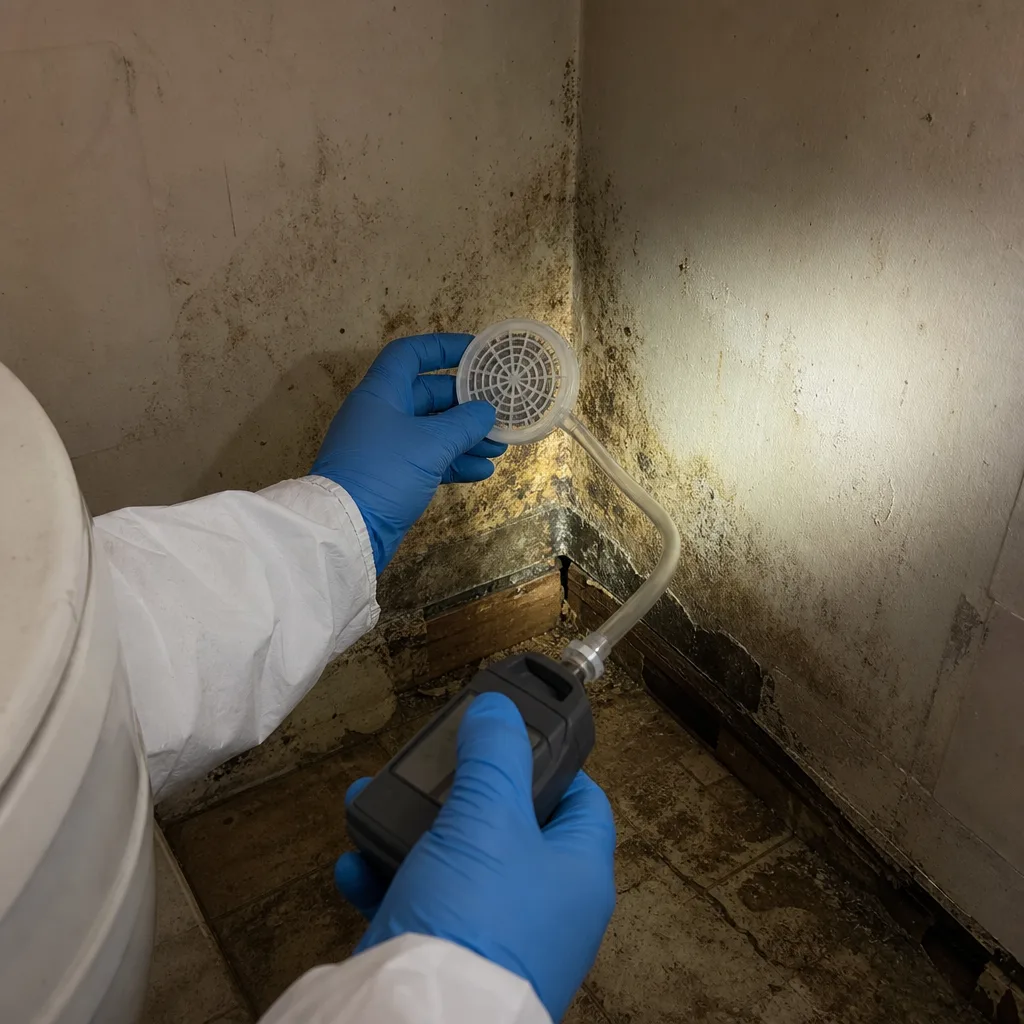
Tear Gas & Chemical Cleanup
Tear gas residue clings to walls, floors, furnishings, and HVAC filters. In LIC’s new curtain-wall towers, the challenge is that sealed windows mean the residue recirculates through the mechanical system. We clean affected surfaces and recommend filter replacement where ventilation has been compromised.
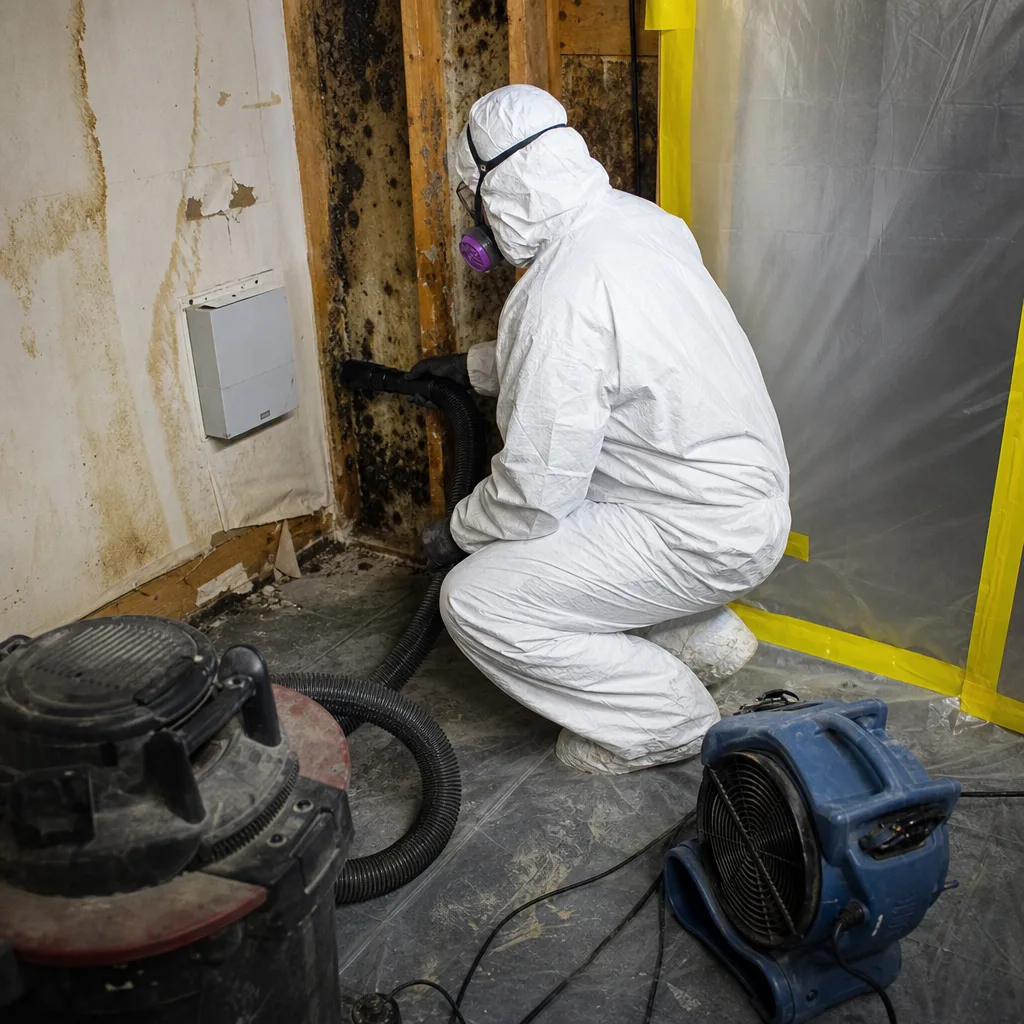
What happens when you call
- 1
A real person answersNo phone trees - you reach a local pro.
- 2
You get an upfront price rangeHonest numbers before anyone is dispatched.
- 3
A background-checked tech heads outLicensed & insured, dispatched right away.
- 4
You approve before work beginsNothing starts until you say go.
Biohazard & Crime Scene Cleanup Costs in Long Island City, NY
A typical trauma or unattended death cleanup in Long Island City runs $2,500 to $8,000 depending on how far the fluids traveled. A single-room blood cleanup after a crime scene might be $1,200 to $3,500. Sewage backup mitigation with Category 3 water damage in a Dutch Kills basement usually runs $4,000 to $12,000 once you factor in demolition, drying, sanitization, and reconstruction of what came out. Hoarding cleanups are the wildest range, $2,000 for a single cluttered room to $30,000 or more for a full apartment with structural packing and decades of material. What moves the price is what we find when we open the space, and in Long Island City’s older buildings, we find lead paint and asbestos that has to be addressed before restoration continues. That adds days and cost, but skipping it is illegal and dangerous. Insurance covers many biohazard and crime scene claims under your property policy, and we handle the paperwork. Call (363) 208-1526 for an exact scope after a free visual inspection, we can usually be there within the hour.
We Also Serve Cities Near Long Island City
Beyond Long Island City, our crews regularly respond across the East River corridor and into nearby Queens. We serve Long Island City and the surrounding areas including Astoria to the north and Flushing to the northeast, with the same owner-answered phone and the same live 24/7 response.
Serving Long Island City, NY - Our Local Coverage Area
We’re based in the Long Island City area and know this community well. Use the map below to see our service coverage - if you’re nearby, we can almost certainly help.
Long Island City Biohazard & Crime Scene Cleanup Questions, Answered
Does a biohazard cleanup in a Dutch Kills basement after a rainstorm always require treating it as sewage backup?
Yes, if there’s any possibility that combined sewer overflow entered the space, it’s Category 3 black water until testing or circumstances prove otherwise. In Dutch Kills, the old brick sewer laterals combine stormwater and sanitary flow, so a moderate storm can push raw sewage into basements through floor drains and sump pits. Treating it as anything less is a health risk.
How do you handle blood or bodily fluids in a Hunters Point high-rise without spreading contaminants through the building’s HVAC?
We set up containment with negative air pressure and HEPA air scrubbers before anything moves, and we seal off return air openings in the affected unit. In high-rise buildings with shared ducting, we also coordinate with building management to prevent cross-contamination through common areas and hallway pressurization systems.
Can an unattended death in a converted loft building leave contamination in the floor below?
Absolutely. Decomposition fluids wick through tongue-and-groove flooring, old pine subfloor, and into joist bays, where they can soak through plaster ceilings or masonry below. We inspect cavities under the affected area and treat structural framing, not just the visible surface.
Is tear gas residue cleanup more complex in LIC’s new curtain-wall towers?
Yes, because sealed curtain-wall buildings recirculate air through HVAC systems, meaning tear gas residue can spread beyond the immediate scene and into filters and ducting. Cleanup requires addressing surfaces plus ventilation, and in some buildings, the board requires third-party clearance testing.
What if the building super says the flood in our Long Island City basement is just groundwater and not sewage?
Don’t trust the super. In most of Long Island City, groundwater intrusion is rare compared to sewer backup. The combined sewer system means stormwater and sanitary waste share the same pipes, and when the system overloads, sewage rises with the water. We treat it as Category 3 until proven clean, and we document why.
How fast can you get to Long Island City for an emergency biohazard cleanup?
We commit to a 45-minute response window in Long Island City. Wade answers the phone directly, and if he’s not already on a job, he’s on the road immediately. In many cases, we can have containment up within two hours of your call.
Will my insurance cover biohazard or crime scene cleanup in Long Island City?
In many cases, yes. Standard property policies often cover biohazard remediation, trauma cleanup, and sewage backup under water damage or peril-specific clauses. We work directly with your adjuster and provide documentation from the first hour, which is the difference between a covered claim and a denied one.
What should I do in the first 30 minutes after I discover blood, sewage, or an unattended death?
Call 911 first if it’s a death or crime scene. Then call us at (363) 208-1526. Don’t go near the affected area without proper protection, don’t turn on fans or HVAC, and don’t attempt to clean it yourself. The more you disturb the area, the bigger the contamination zone becomes.
Wade’s Restoration serves Long Island City from our New York City office, with crew dispatch and scheduling coordinated locally so response times stay short. We’re not a franchise, not a middleman, and not a call center. We’re a locally owned, owner-operated company that has been doing this work since 2007. Lead paint, asbestos, combined sewer overflows, curtain-wall towers, converted lofts, we know these blocks. Call (363) 208-1526 any time. If it’s a real emergency, Wade answers.
Written by Wade Ferris, Owner at Wade’s Restoration, serving New York City and Long Island City since 2007.