
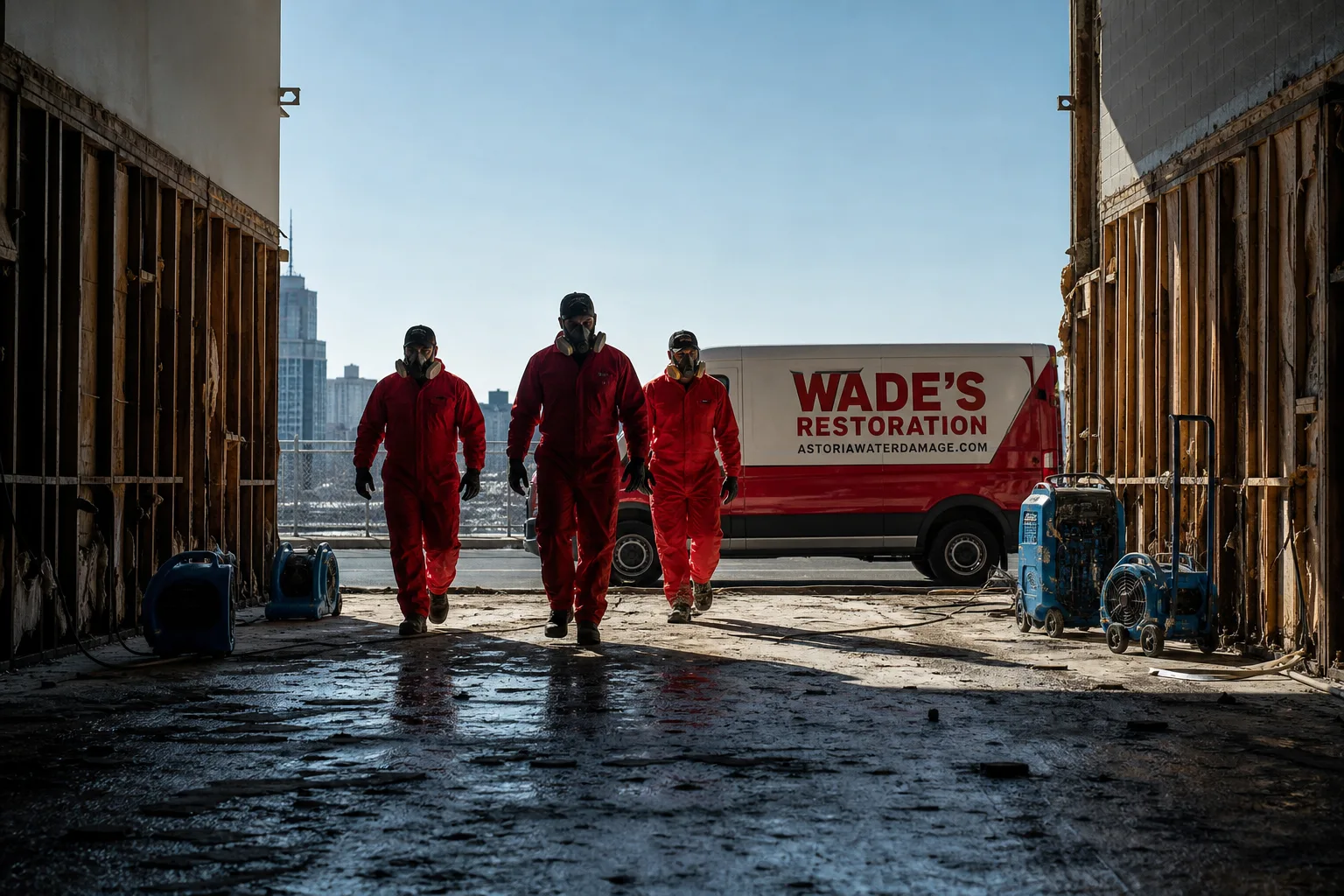
Free visual inspection and a written scope of work before any mitigation begins - photos, moisture readings, and drying logs go in your claim file
The scope we write is the scope we bill. Anything new gets shown to you, in writing, before we touch it.
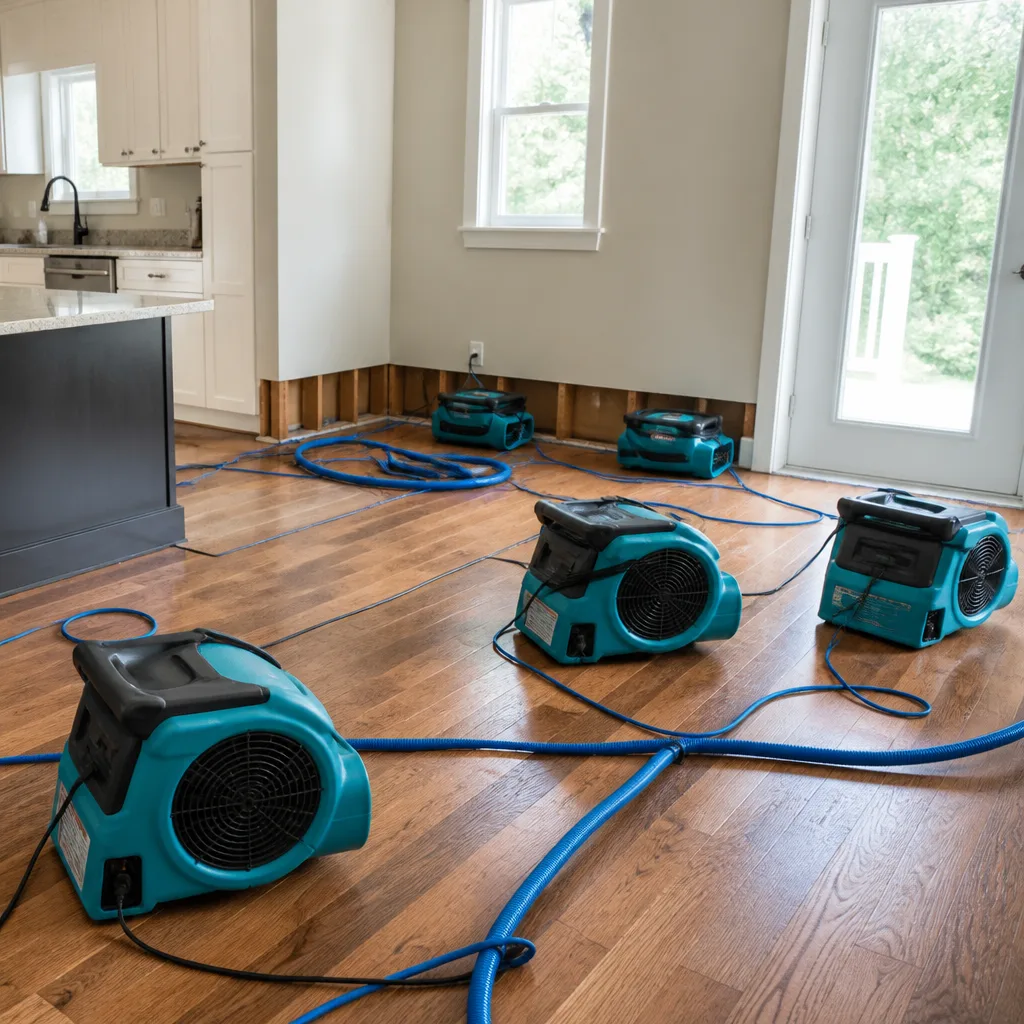
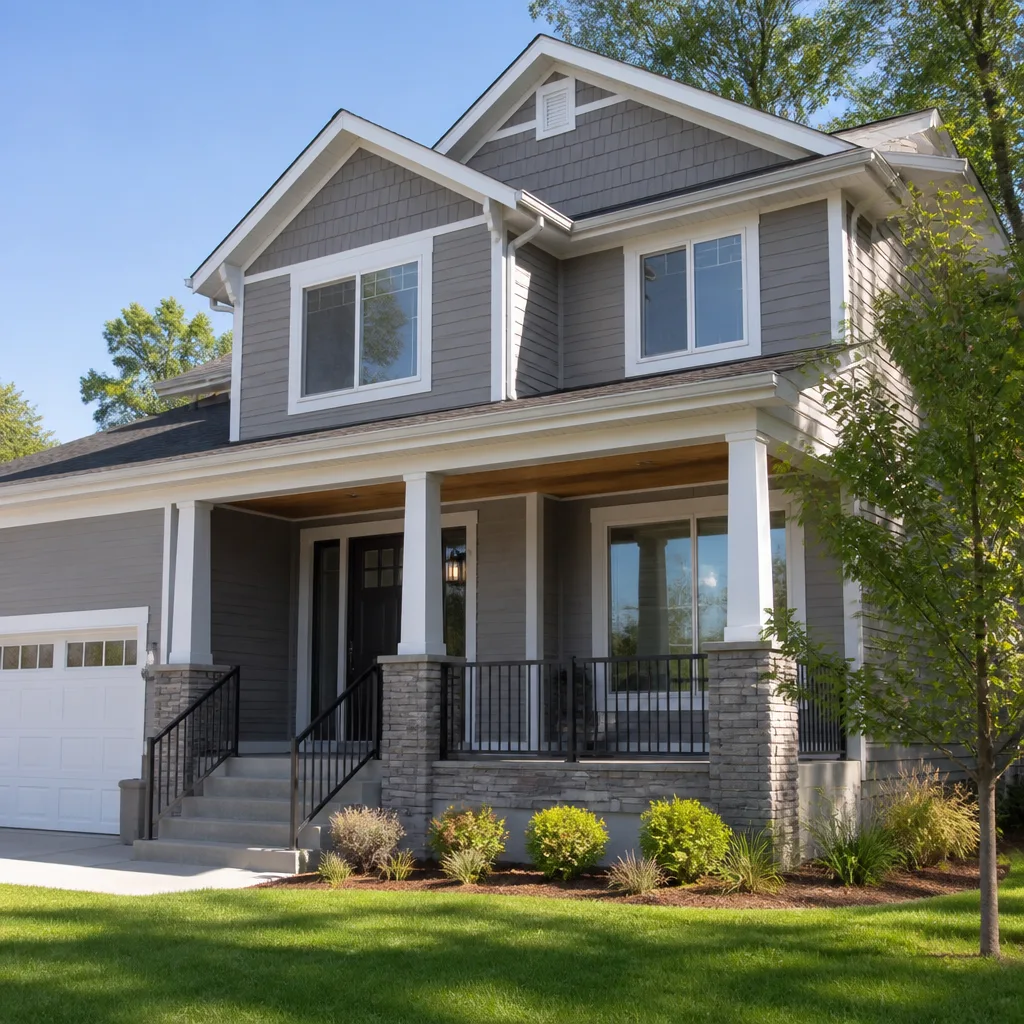
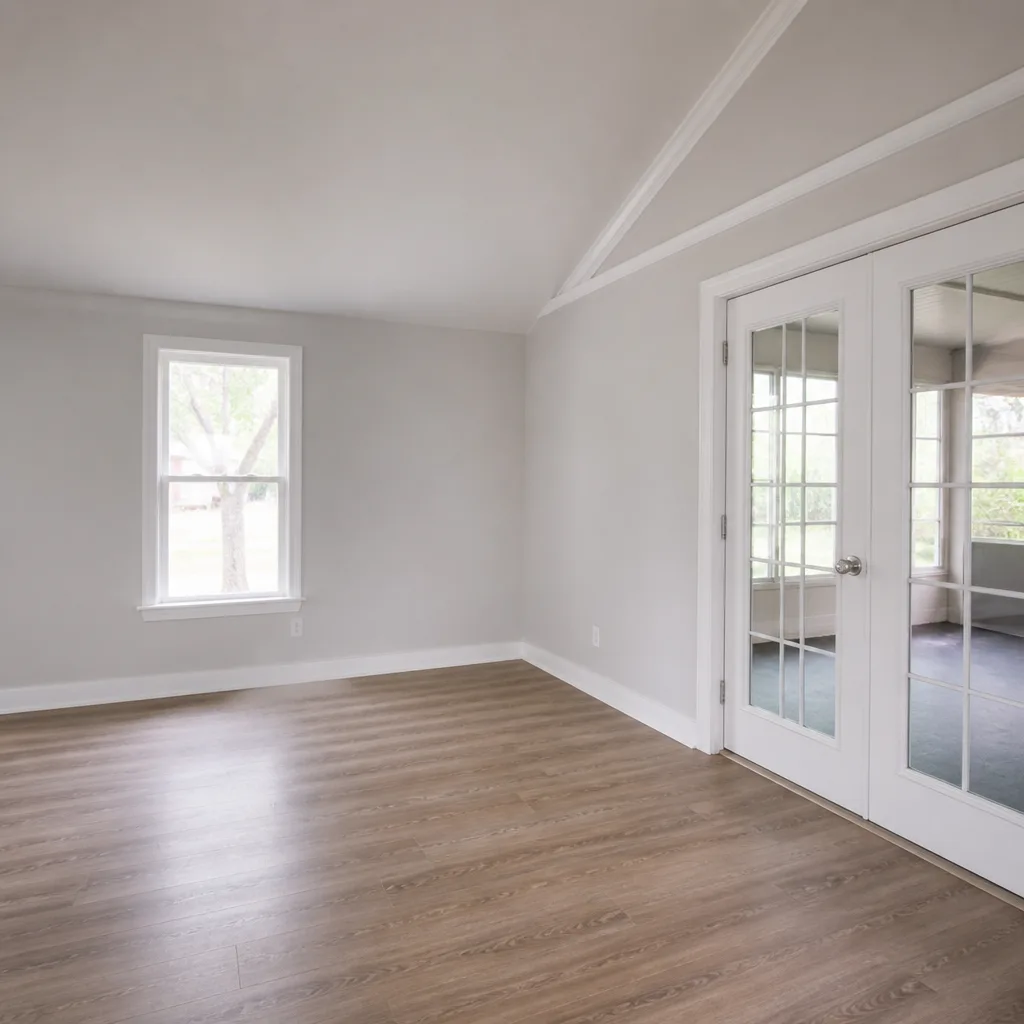
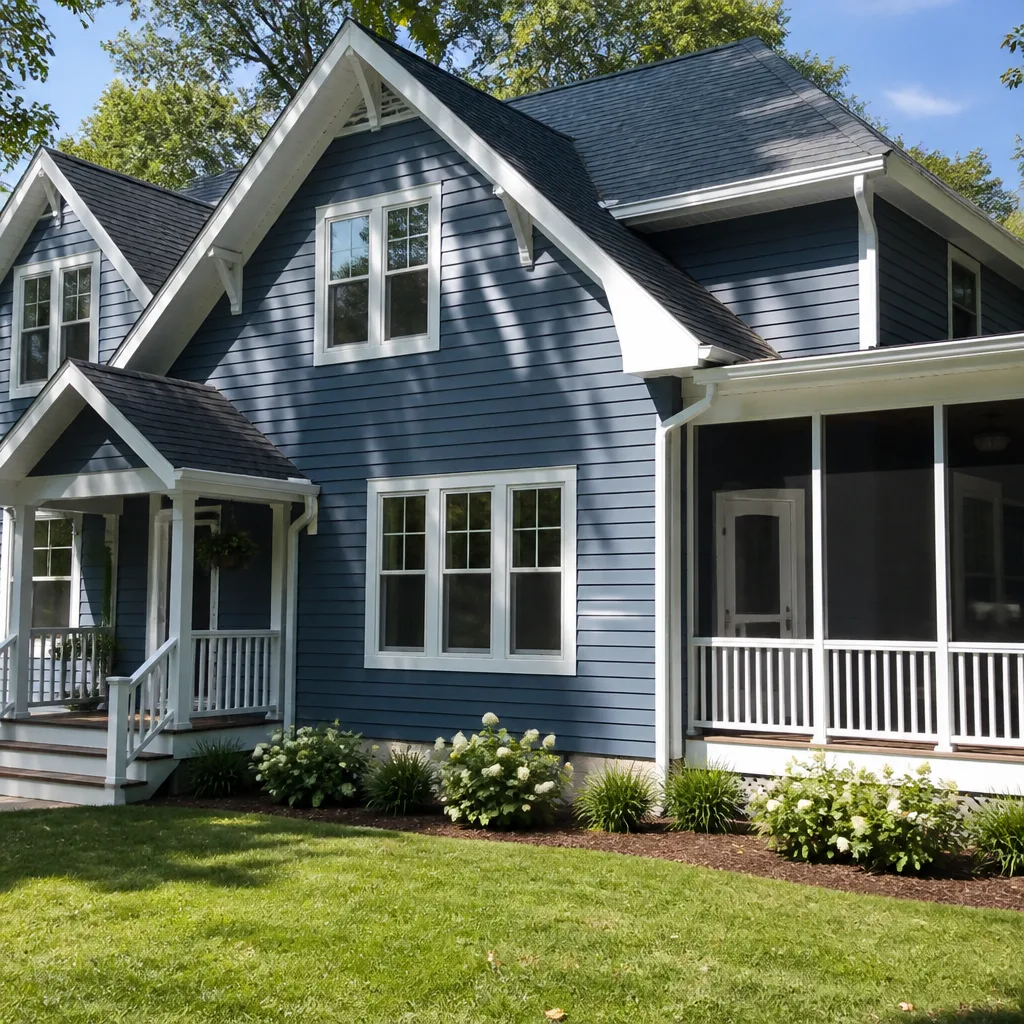
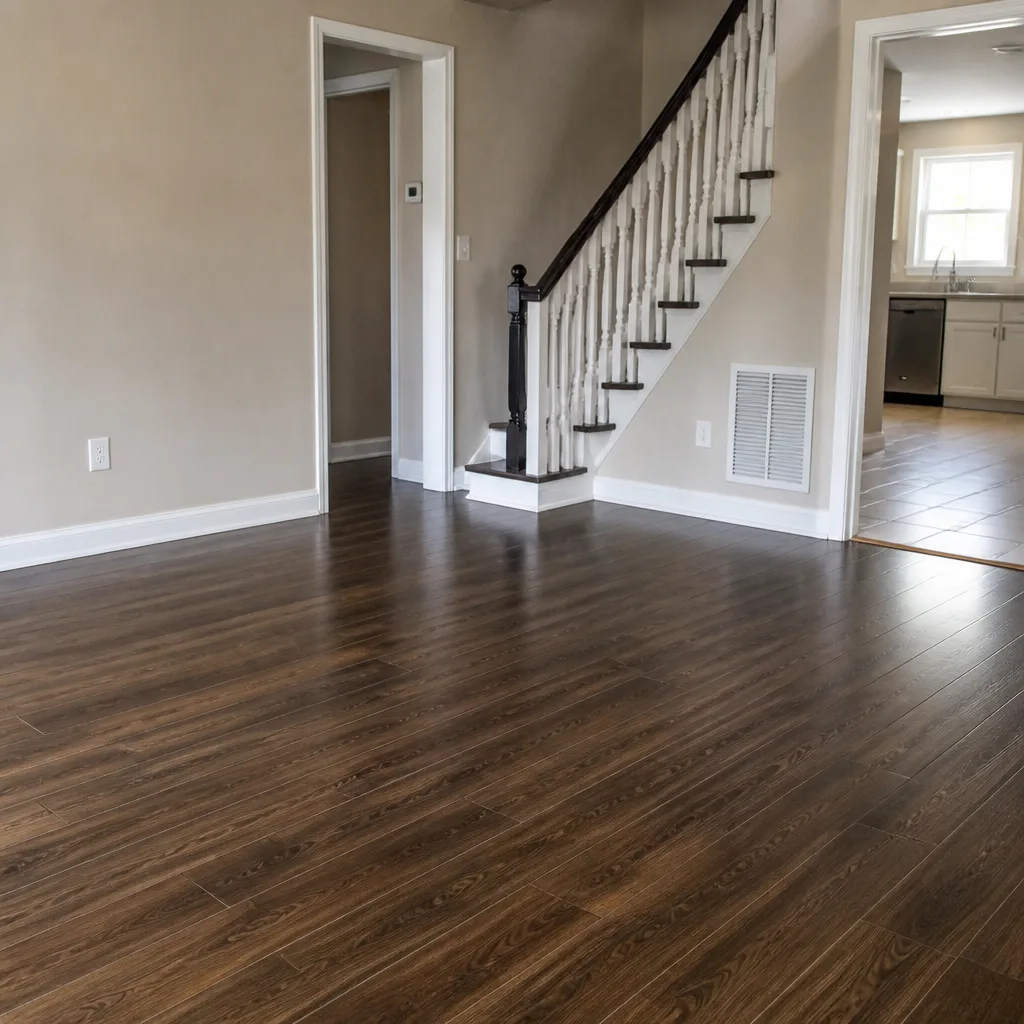
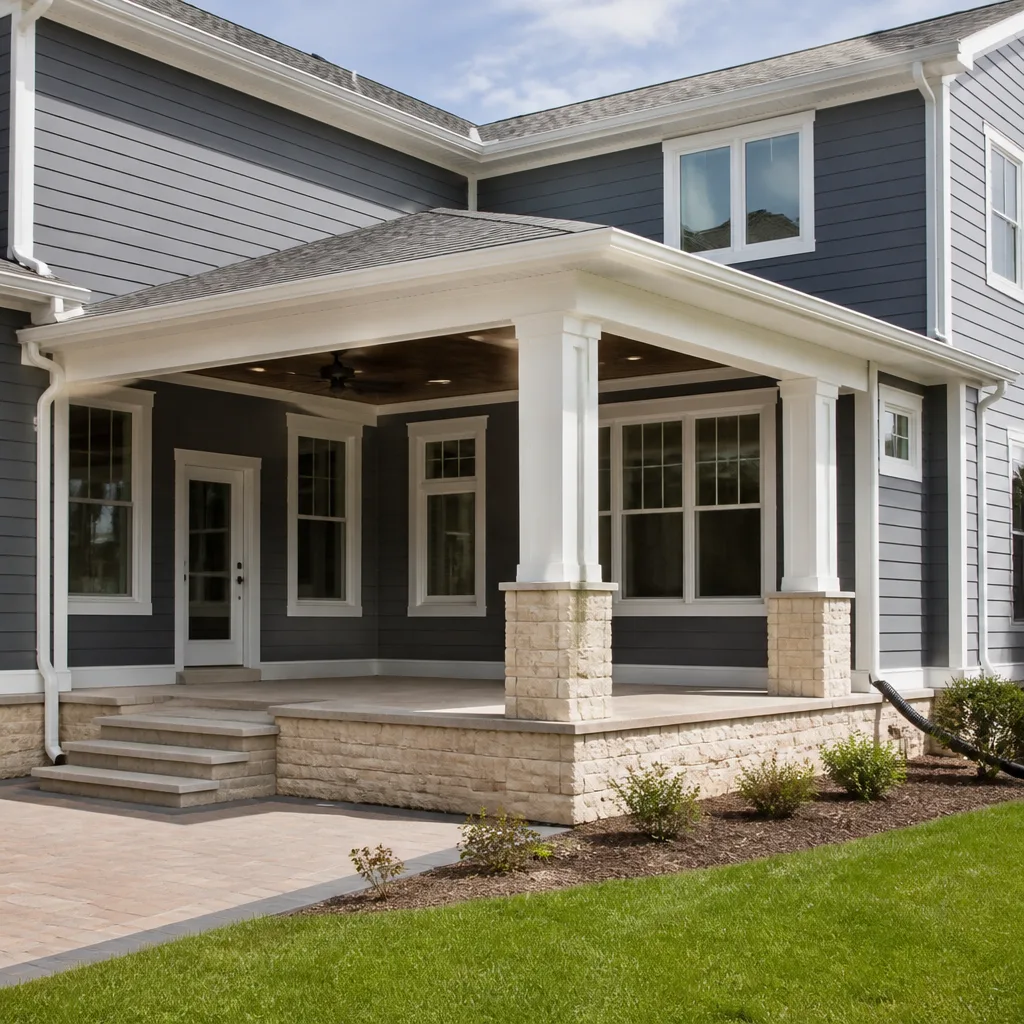
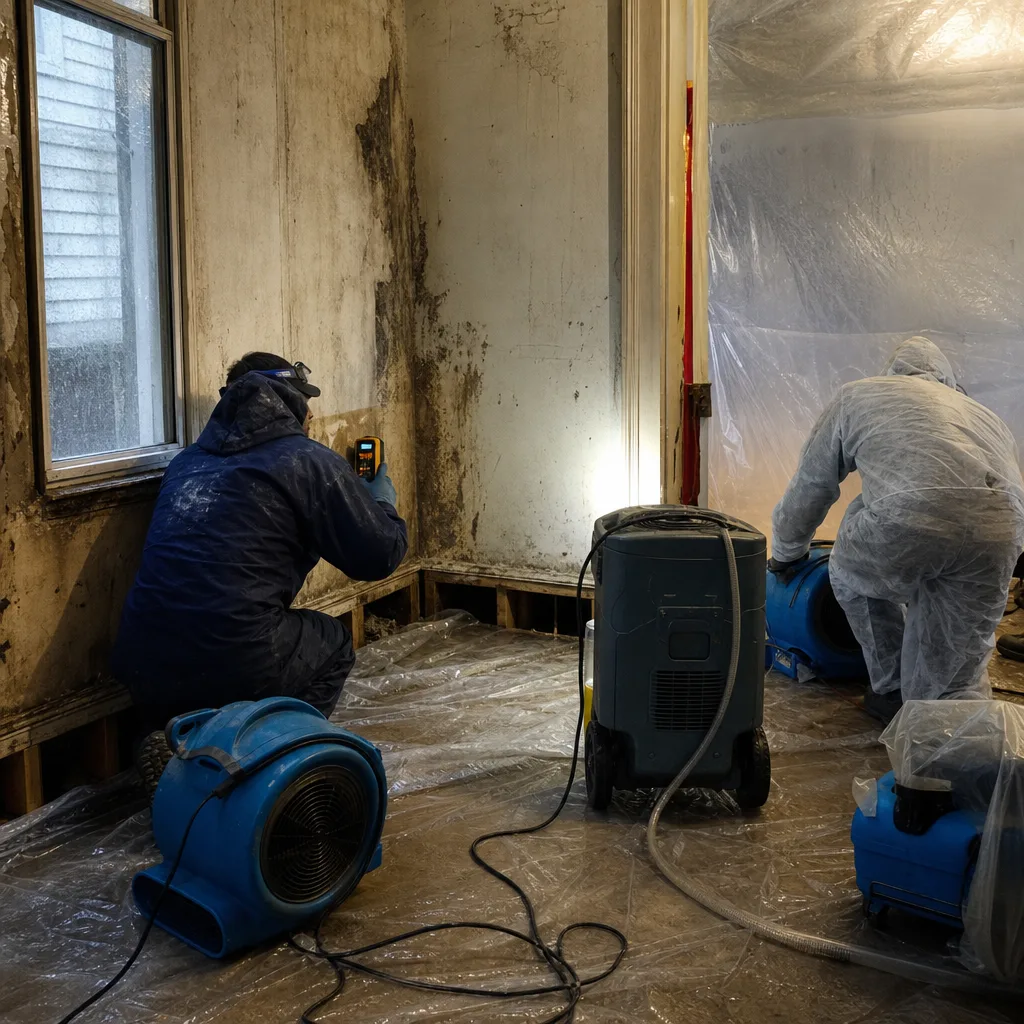 Before
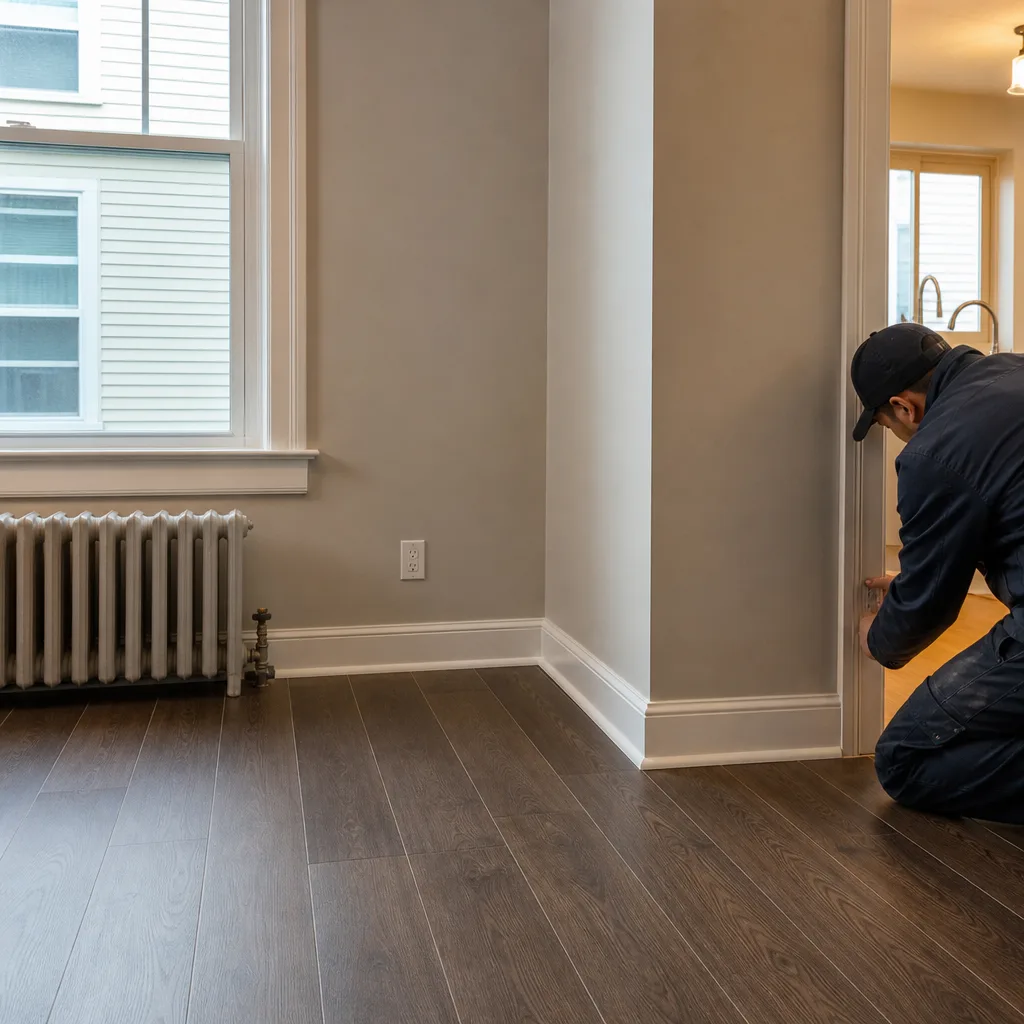 After
After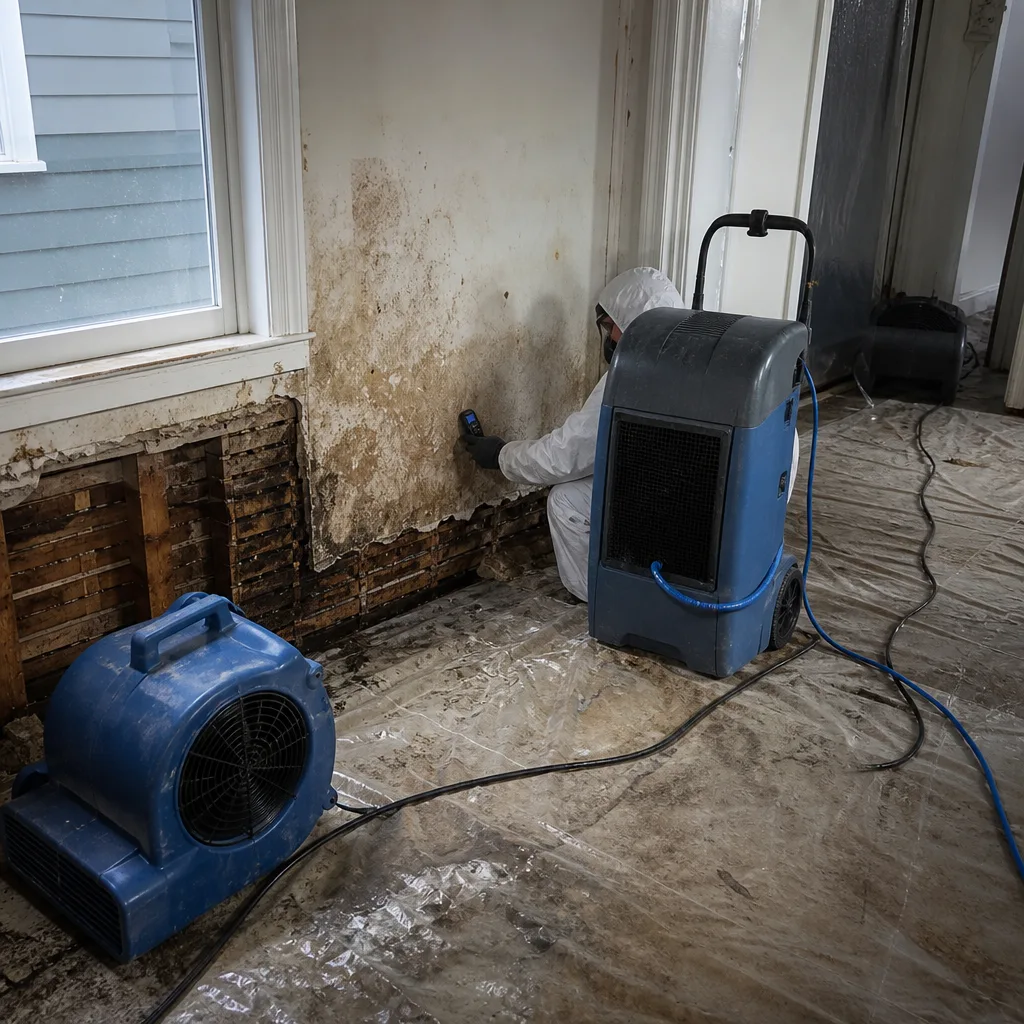 Before
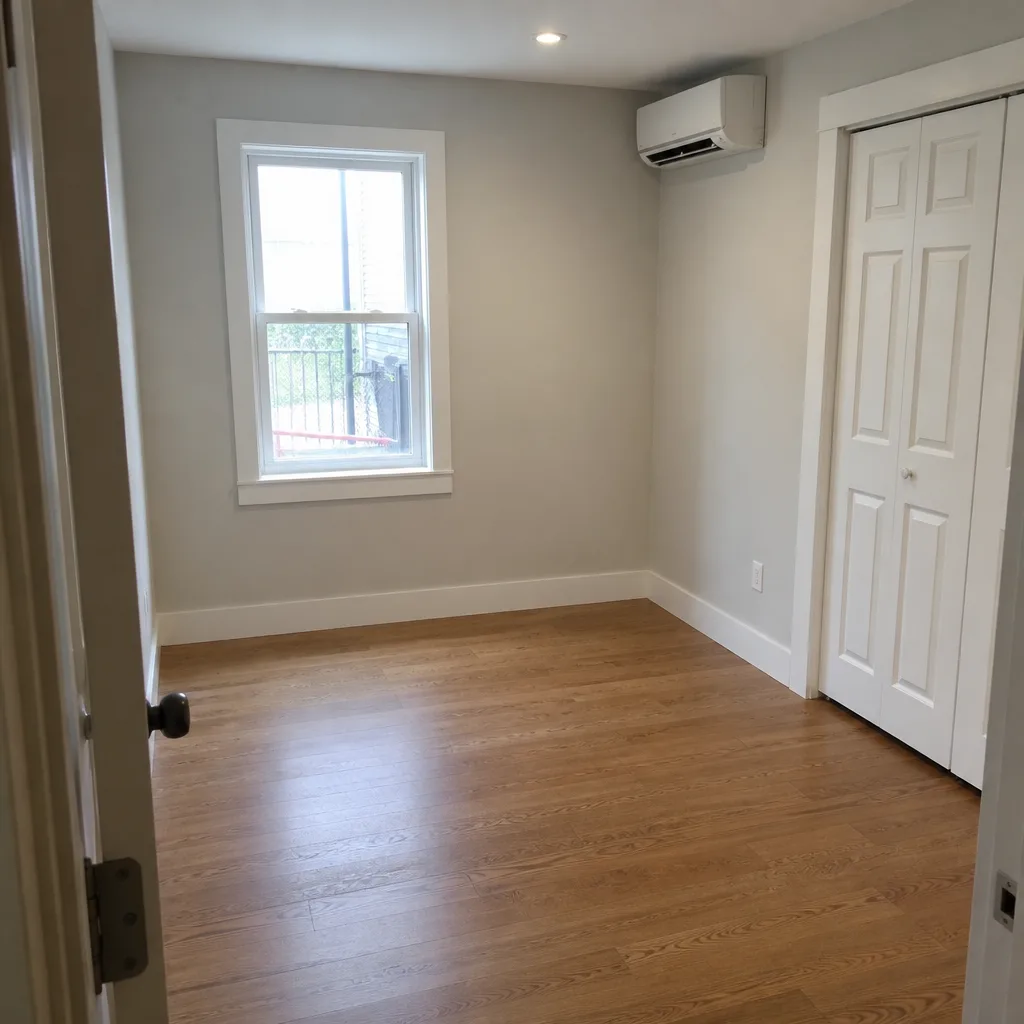 After
After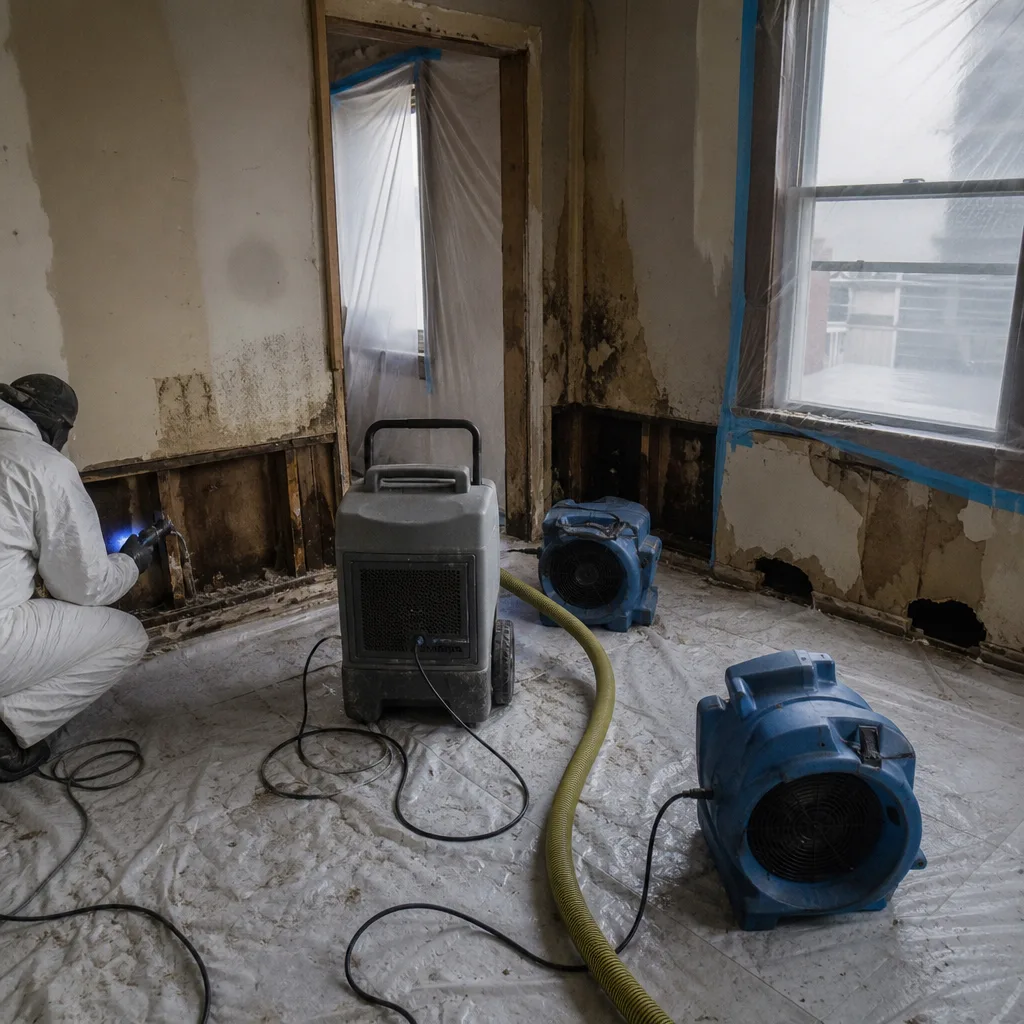 Before
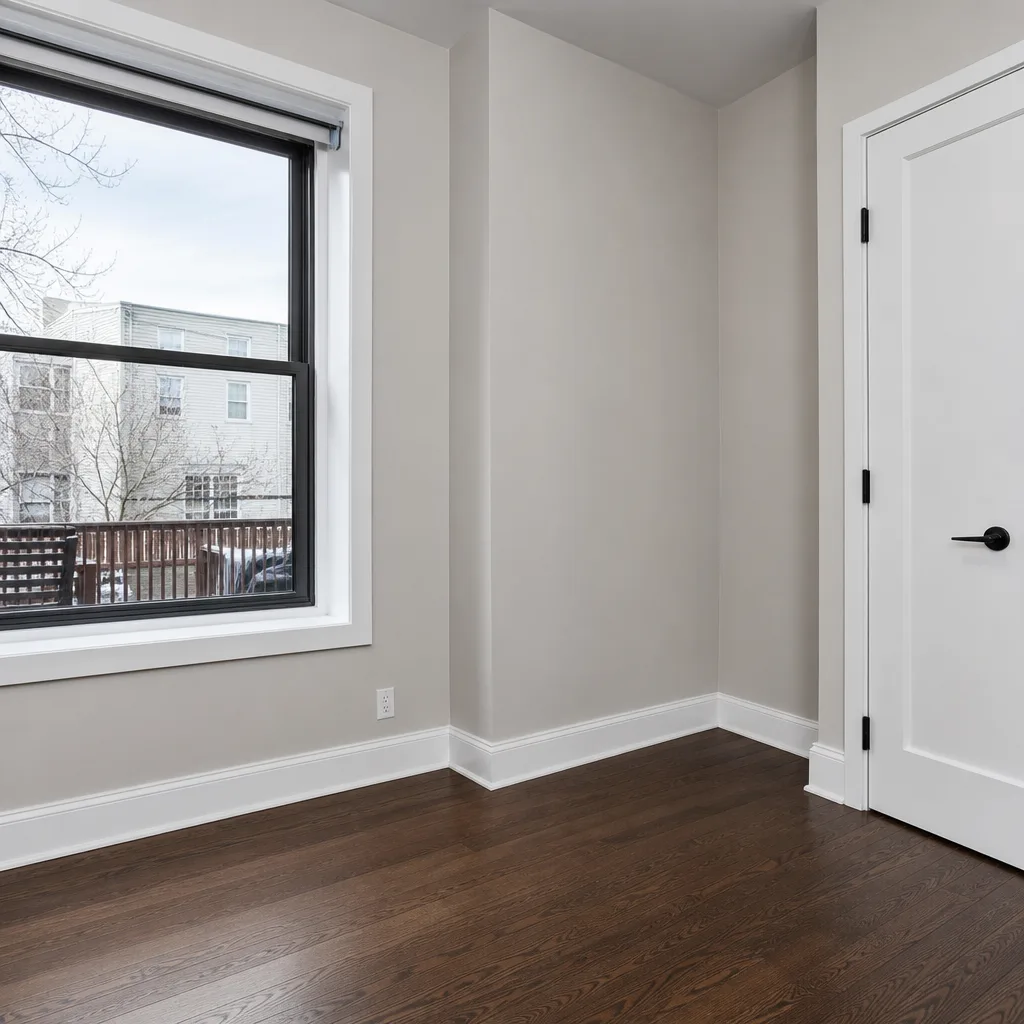 After
After24/7 Emergency Fire & Smoke Damage Restoration in Long Island City
A kitchen fire or electrical blaze in Long Island City leaves behind more than charred drywall. Smoke works its way into every porous surface within hours, and the water used to put the fire out starts saturating floors and walls immediately. That’s why we answer live around the clock and can have a crew rolling toward your block in Long Island City within 45 minutes of your call. The first hour after a fire determines how much of your building can be saved versus gutted. Call (363) 208-1526 right now and Wade’s Restoration will send someone to do a free visual inspection before the smoke residue has time to set permanently into your beams, plaster, and belongings.
Understanding Fire & Smoke Damage Restoration Severity in Long Island City Properties
Not all fire damage is the same, and in Long Island City the building itself changes the equation. A kitchen fire in a post-2010 Hunters Point tower typically produces light-to-moderate protein soot that settles on surfaces but doesn’t deeply penetrate gypsum board. A fire in a converted 1910s loft in Dutch Kills behaves differently. Those buildings have original timber joists, brick party walls, and often asbestos-containing plaster. Smoke gets driven into the wood grain, into the mortar joints, into materials you can’t see from the surface. We classify soot residue by type: dry soot from paper and wood fires brushes off relatively easily, while greasy or oily soot from plastics, synthetics, and electrical fires requires solvent-based cleaning. Wet soot from smoldering fires is the most corrosive. Then there’s the fire-suppression water, which in Long Island City is frequently not clean. More on that below, because it changes everything about how we scope the job.
Why Long Island City Property Owners Choose Wade’s Restoration
- 45-minute response commitment: Wade answers his own phone. When you call at 2 a.m. from a smoke-filled apartment near Queens Plaza, he’s the one telling you a crew is already on the way.
- Live answer, 24/7, no voicemail: You get a real person every time. No answering service, no call center in another state, no “press 1 for emergencies.”
- IICRC-certified crews: The people Wade sends carry FSRT (Fire and Smoke Restoration Technician) and WRT (Water Restoration Technician) certifications, and they use Dri-Eaz, Phoenix, and B-Air equipment on every job.
- Free visual inspection: Before any work starts, we walk the property with you and tell you what actually needs to happen. No charge for that.
- Direct insurance billing: We bill your carrier directly and handle the adjuster communication. You don’t become the middleman relaying messages between two sides.
- One team, start to finish: From board-up to final paint, the same crew runs the job. No handoffs to subcontractors you’ve never met.
Our Fire & Smoke Damage Restoration Process
Inspection & Assessment
We walk the entire property, not just the burn room. Using thermal imaging and moisture meters, we map where smoke traveled, where water pooled, and which materials are salvageable. In a Long Island City loft, this includes checking original timber and plaster for heat damage and asbestos exposure risk.
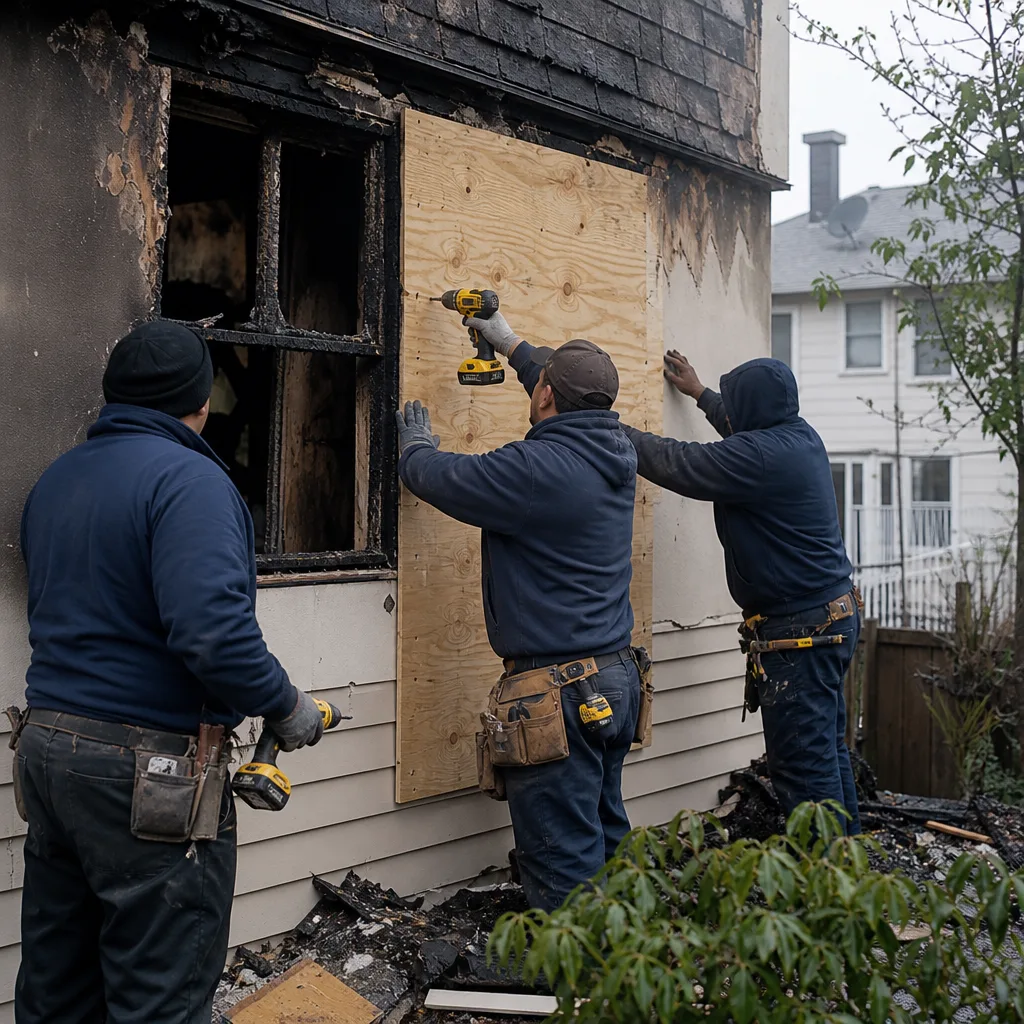
Emergency Board-Up & Stabilization
We secure every opening: windows, doors, roof penetrations. In Dutch Kills and other landmarked areas, we match board-up materials to what the Landmarks Preservation Commission expects, so you’re not dealing with a stop-work order on top of everything else.
Water Extraction & Drying
Fire-suppression water gets extracted with truck-mounted units, then we set up air movers and dehumidifiers. In Long Island City, we test that water before we assume it’s clean. Basement water after a fire here is frequently Category 3 from combined sewer backup.
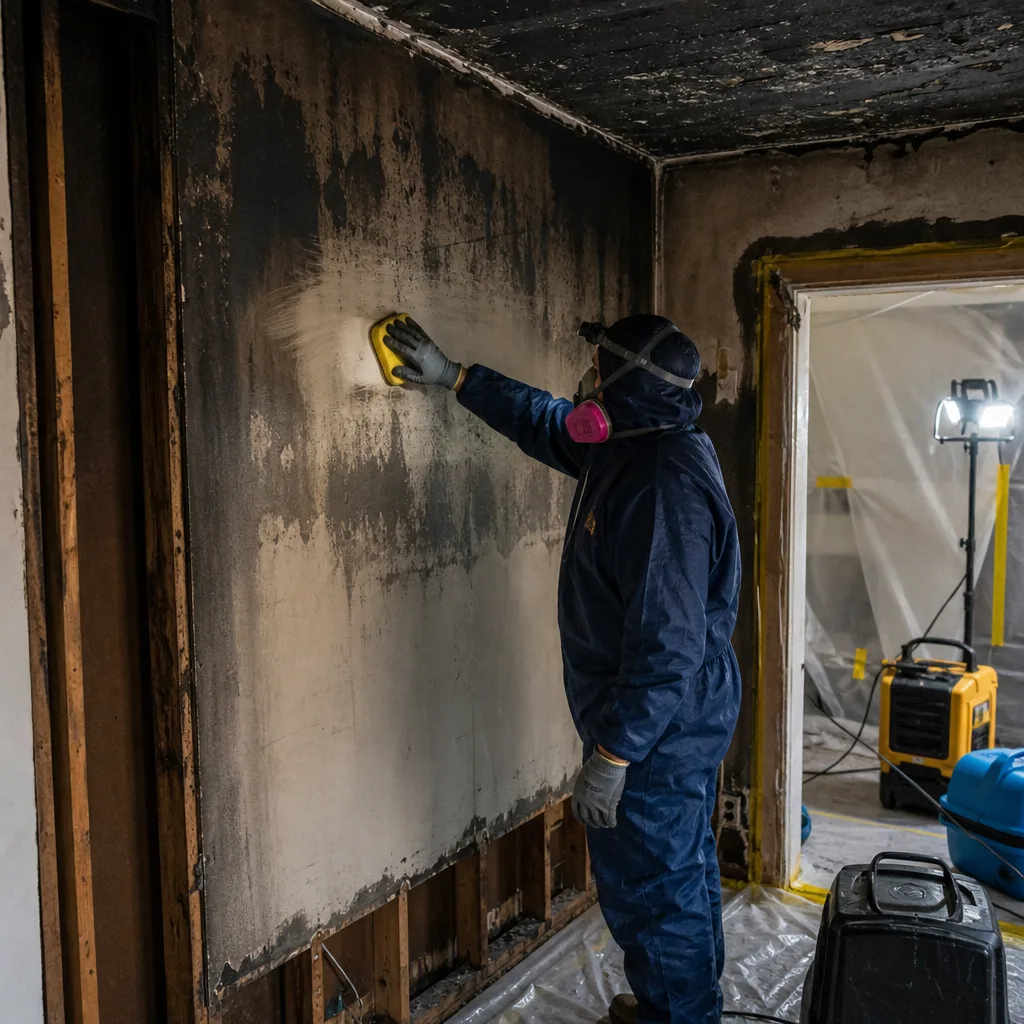
Smoke & Soot Removal
We clean every surface type differently: HEPA vacuuming for loose soot, chemical sponges for dry soot on walls, solvent cleaning for oily residue. We run Dri-Eaz HEPA air scrubbers throughout to pull suspended particulates out of the air.
Odor Removal & Deodorization
Deodorization isn’t masking smoke smell with fragrance. We use thermal fogging, ozone treatment where appropriate, and hydroxyl generators to break down odor molecules at the source. In older loft buildings, this means the wood beams and brick itself, not just the air.
Repairs & Restoration
We rebuild what the fire destroyed: framing, drywall, flooring, millwork. The 90-Day Done Right Promise is written into every fire restoration contract we hand you in Long Island City. If it’s not done right, Wade comes back and makes it right.
Need Emergency Fire & Smoke Damage Restoration in Long Island City Now?
Crews minutes away, answering live 24 hours a day. The sooner we start, the less it costs.
Working With Your Insurance Company
Fire claims are complicated enough without you having to translate between your adjuster and a restoration crew. We’ve handled hundreds of fire losses in Long Island City, and we know what carriers need to see: documentation from the first hour, photos taken before anything gets moved, moisture readings logged daily, and a scope of work written in the format adjusters recognize. Wade deals with your adjuster directly. You get copied on everything, but you’re never the one chasing answers. We also provide a free second opinion on any written estimate you’ve already received from another company. If you’re not sure your carrier is treating you fairly, call us before you sign anything.
What We Provide Your Insurer
- Thorough documentation of the loss
- Photos of all damage, room by room
- Moisture readings and drying logs
- A detailed, line-item scope of work
- Direct coordination with your carrier
Built for Long Island City’s Loss Calendar
Fire losses in Long Island City follow patterns, and we plan around them. January and February bring the deep-freeze electrical fires: space heaters overloading circuits in converted lofts, old wiring in pre-war buildings giving out under heating load. Spring and summer thunderstorm season means lightning strikes on taller buildings and transformer fires near the waterfront. But the single biggest fire-season driver in Long Island City is the flood-to-fire sequence. When a nor’easter or coastal storm pushes water into basements and ground floors, electrical panels, outlets, and appliances short out. A wet panel doesn’t always trip the breaker. Sometimes it arcs. Sometimes it starts a fire. We show up to a flood call in Hunters Point in March, and by April we’re back for the fire that started in the panel two weeks later. That’s the reality of the Long Island City restoration calendar.
Fire & Smoke Damage Restoration Across Long Island City’s Neighborhoods
Long Island City is not one neighborhood. It’s a patchwork of building types laid over old industrial blocks, and each pocket has its own fire-response profile. In Hunters Point, the post-2010 towers along the East River have modern fire suppression, so our work there is mostly smoke and water mitigation through finished corridors and amenity floors, where we have to protect expensive finishes while running drying equipment through common spaces. Over in Dutch Kills, the converted loft buildings on 47th Avenue and side streets are a different animal entirely: original timber, brick party walls, clay tile sewer laterals from the 1910s, and plaster that tests hot for asbestos more often than not. Queens Plaza and the blocks around Court Square mix older office-to-residential conversions with new high-rise development. Fires there often mean coordinating with building management and the DOB, not just the unit owner. Down near Newtown Creek, the industrial and warehouse buildings carry hazmat consideration on every fire call. Smoke from burning industrial materials, chemicals, or stored inventory requires a different cleaning protocol than a residential kitchen fire, and we’re set up for that.
Specialized Fire & Smoke Damage Restoration Services We Offer in Long Island City
Fire Damage Cleanup
Removing what the fire destroyed: charred framing, ruined drywall, flooring that won’t survive drying. In Long Island City’s older buildings, this often means selective demolition around original wood joists that are worth saving. We cut out exactly what’s gone and keep what can be restored.
Smoke & Soot Removal
Soot is corrosive. Left on metal surfaces, it eats through finishes in days. On walls and wood, it sets in and becomes nearly impossible to fully remove. In pre-1920s lofts where original beams are a feature, not a defect, we use HEPA vacuuming and chemical sponge techniques that pull soot out of wood grain without erasing the character. This is the part of our Fire & Smoke Damage Restoration work where skipping steps shows up months later as a smell that won’t go away.
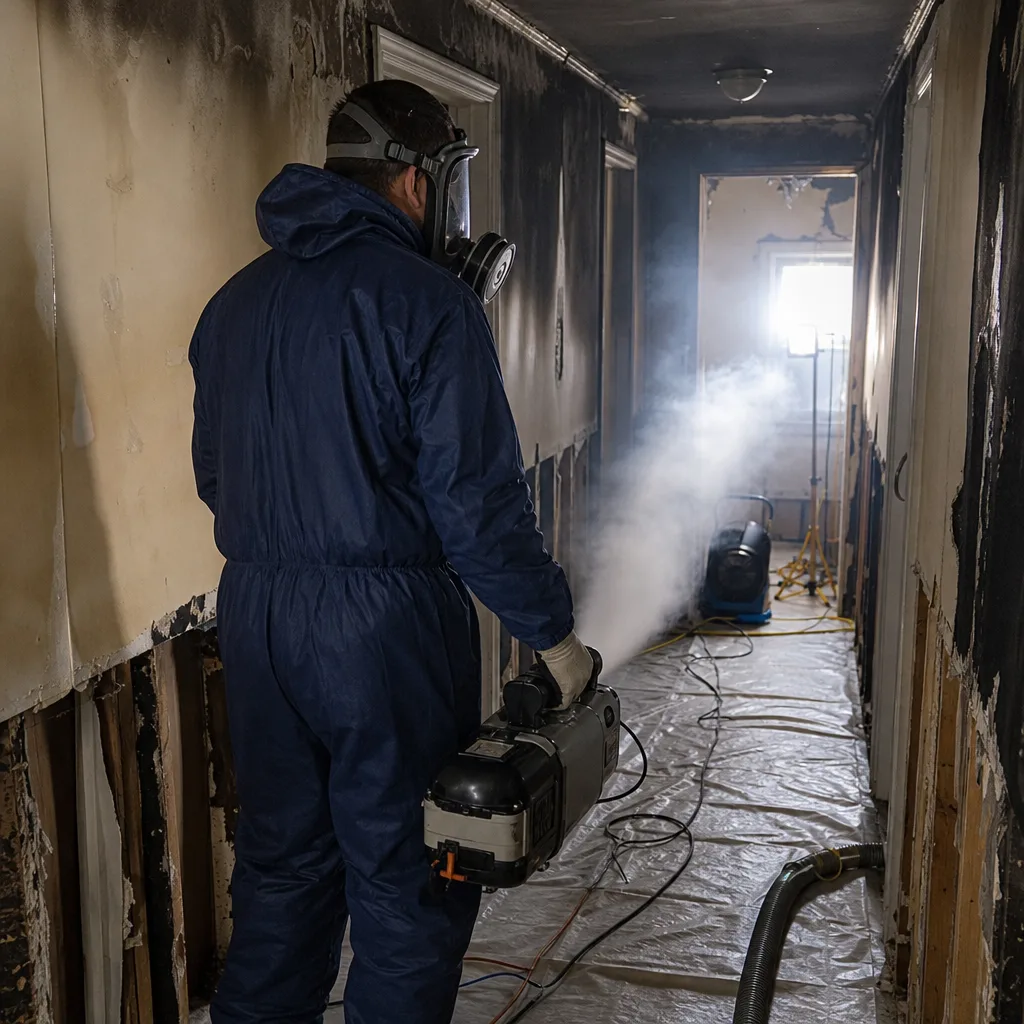
Odor Removal & Deodorization
Smoke odor lives in porous materials: plaster, brick, raw wood, insulation, fabric. In a converted warehouse with 14-inch brick walls, the brick itself absorbs smoke. We don’t spray fragrance over it. We run thermal foggers and hydroxyl generators until the odor molecules are actually neutralized, and we verify with follow-up readings before we call the job done.
Contents Cleaning & Pack-Out
Belongings get smoke damage too: furniture, clothing, books, artwork, electronics. We pack out what’s salvageable, clean it in a controlled environment, and store it until your space is ready. In Long Island City loft buildings where artists and collectors live and work, those contents are often irreplaceable. We treat them that way.
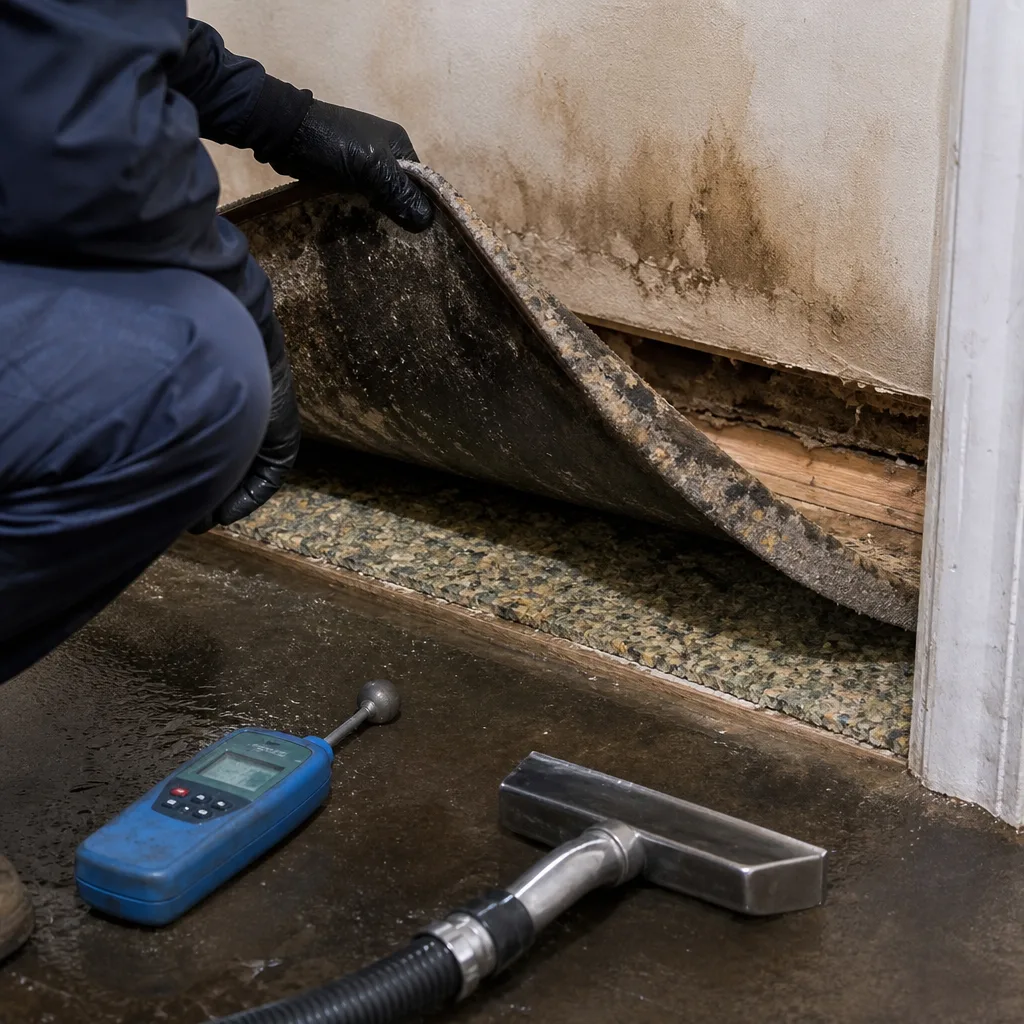
Emergency Board-Up & Tarping
After a fire, your building is open to weather, vermin, and anyone walking by. We board up and tarp immediately. In landmarked districts like parts of Dutch Kills and Hunters Point, we know the local requirements and match materials accordingly, so your emergency board-up doesn’t become the reason a city inspector shuts the site down.
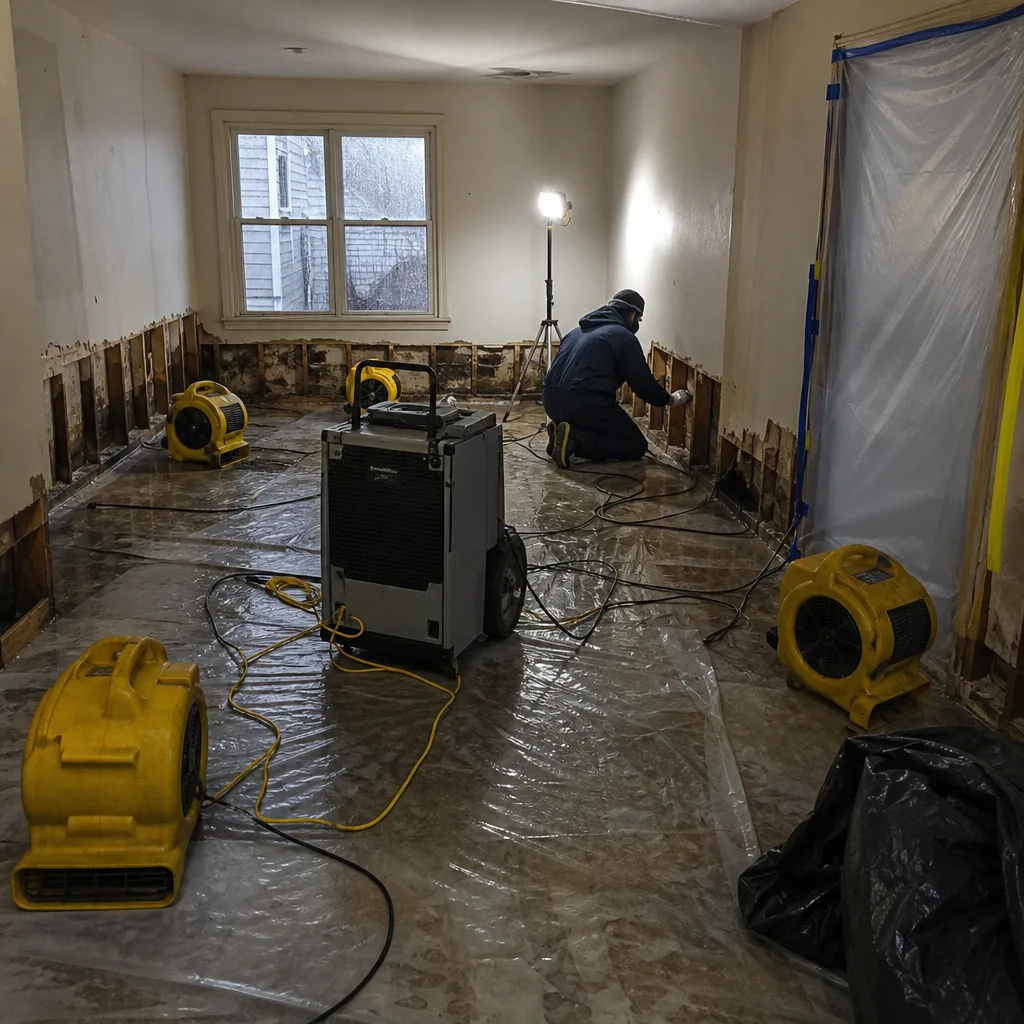
Structural Fire Repair
Some fires burn hot enough to compromise joists, rafters, and load-bearing walls. In a 1910s loft, that means sistering original timber, reinforcing brick, and sometimes replacing sections of cast iron columns. We handle this in-house. You’re not waiting on a separate general contractor while your building sits exposed.
What happens when you call
- 1
A real person answersNo phone trees - you reach a local pro.
- 2
You get an upfront price rangeHonest numbers before anyone is dispatched.
- 3
A background-checked tech heads outLicensed & insured, dispatched right away.
- 4
You approve before work beginsNothing starts until you say go.
Fire & Smoke Damage Restoration Costs in Long Island City, NY
Here are real numbers for this market. Smoke and soot removal in a Long Island City apartment or loft typically runs $1,800 to $6,500, depending on square footage and how deep the soot penetrated. Odor removal and deodorization adds $800 to $3,200, more if it’s a full-building situation. Emergency board-up and tarping runs $400 to $2,000 the same day, including materials and labor. Fire damage cleanup with structural repair on a small kitchen fire might be $4,500 to $14,000, while a larger fire in a converted loft that requires hazmat-level soot removal, asbestos abatement coordination, and structural reconstruction can reach $30,000 to $90,000 or more. Most fire losses in Long Island City are covered by homeowner’s or building insurance, minus your deductible. The free visual inspection we offer is the fastest way to get a firm, line-item scope of work with real numbers in writing. Call (363) 208-1526 and we’ll walk the property with you, no charge.
We Also Serve Cities Near Long Island City
Our crews regularly work in Astoria and Flushing, where the building stock ranges from pre-war brick apartments to single-family homes. If you’re just outside Long Island City and dealing with fire or smoke damage, call us. If we’re in your area, there’s no trip charge inside our own county.
Long Island City Fire & Smoke Damage Restoration Questions, Answered
How does fire damage restoration change when the building is a pre-1920 loft in Dutch Kills rather than a new tower in Hunters Point?
In a pre-1920 loft, fire restoration has to account for asbestos-containing plaster, original timber that absorbs smoke deep into the grain, and brick party walls that hold moisture for weeks. A new Hunters Point tower is mostly gypsum board, steel studs, and modern fire suppression, so the scope is usually simpler smoke and water cleanup. The older building requires hazmat-level soot removal and structural drying that a standard restoration crew often isn’t equipped to handle.
What does ‘black water’ mean for a fire restoration job in Long Island City after Hurricane Sandy?
Black water, or Category 3 water, is water contaminated with sewage, chemicals, or other hazardous material. After Hurricane Sandy, much of Long Island City’s waterfront sat below the FEMA Flood Zone AE surge line, and storm surge from Newtown Creek and the East River carried industrial contaminants into buildings. When a fire occurs in a building that’s been through that, the fire-suppression water mixes with whatever’s already in the building envelope, and we have to treat all of it as black water: full PPE, containment, and hazmat protocols during extraction.
Why do you need to check the combined sewer laterals before drying a fire-flooded basement in Dutch Kills?
Because the old clay tile sewer laterals under Dutch Kills provide no separation between stormwater and sanitary flow. After a fire, when we pump out the basement and start drying, a backed-up combined sewer can push Category 3 water right back in through the floor drains. If we don’t check the laterals first, we’ll dry the space, then re-wet it, and the whole drying plan is ruined. We inspect before we set equipment.
How soon after a fire should we start smoke and soot removal in a Long Island City loft before it gets worse?
Within 24 to 48 hours. Soot is acidic and starts corroding metal, etching glass, and staining painted surfaces almost immediately. In a loft with original wood beams and brick, soot works into the pores within the first week. The sooner we start HEPA vacuuming and chemical-sponge cleaning, the more of the original materials we can save. Waiting a month means the smoke damage becomes permanent in the structure.
Do you handle the contents inside a converted warehouse after a fire, or just the structure?
We handle both. We pack out furniture, clothing, artwork, electronics, and inventory, clean what’s salvageable in a controlled facility, and store it until the building is ready. In a converted warehouse where artists, businesses, or collectors keep their work, we document everything with photos before we move a single item.
Will my insurance cover fire damage restoration in Long Island City?
Most homeowner’s and commercial policies in New York cover fire and smoke damage, including the water from fire suppression. What varies is the scope: whether the carrier covers hazmat-level soot removal, asbestos testing, or replacing original materials versus cleaning them. We deal with your adjuster directly and write our scope in the format they expect. Call (363) 208-1526 and we’ll walk through your policy with you before you commit to anything.
How long does fire damage restoration take in a Long Island City loft?
A small kitchen fire with smoke damage might take 3 to 7 days. A larger fire in a converted loft with structural drying, hazmat soot removal, and reconstruction can take 3 to 8 weeks. The drying phase in older buildings with brick walls and timber joists is what extends the timeline most. We hand you a written timeline with every scope.
What should I do in the first 30 minutes after a fire in my Long Island City building?
Call us at (363) 208-1526. Then, if it’s safe, shut off the main electrical panel. Don’t touch anything, don’t try to clean the soot yourself, and don’t turn on the HVAC system. Smoke particles are already moving through the building, and running the air will spread them further. Our crew can be there within 45 minutes to board up openings and start containment.
Serving Long Island City, NY - Our Local Coverage Area
We’re based in the Long Island City area and know this community well. Use the map below to see our service coverage - if you’re nearby, we can almost certainly help.
The Long Island City Restoration Reality
Here’s the thing most people don’t know until they need to: in Long Island City, fire and water damage are never separate events. A fire in a converted early-1900s industrial loft can simultaneously require structural fire repair and hazmat-level soot removal, because smoke driven through original timber and asbestos-containing plaster leaves behind a toxic residue that standard Fire & Smoke Damage Restoration cleanup would miss. That risk compounds when the building sits inside FEMA Flood Zone AE and post-fire water extraction pulls up Category 3 black water from Newtown Creek storm surge or combined sewer overflow. The dual hazard of 1920s asbestos-and-timber lofts sitting inside a flood zone is what sets Long Island City apart from every other neighborhood we work in. If you’re dealing with a fire loss here, you need a crew that understands both halves of that equation. That’s what we do.
When a four-story brick loft on 47th Avenue in Dutch Kills caught fire, our crew’s first move wasn’t just board-up. It was containment around floors where 1920s plaster had been heated enough to release asbestos fibers. We ran a Dri-Eaz HEPA air scrubber and moisture mapping on the fire-suppression water, then found the basement soaked with Category 3 water from a combined sewer backup that had pushed up through the building’s original clay tile laterals. Our structural drying plan had to account for 14-inch brick party walls that hold water for weeks. We wrote a scope of work that kept dehumidifiers and air movers running for 11 days until moisture readings matched the pre-loss condition on the wood joists. That’s the job. It’s not glamorous, but it’s done right.
Wade Ferris founded this company in 2007 because he kept seeing what happened after fire restoration crews cut corners: buildings that looked fine on the surface, then started off-gassing smoke odor months later. He’s locally owned and owner-operated, his name is on the truck, and he answers his own phone. That’s why every fire restoration contract we hand you includes the 90-Day Done Right Promise in writing. If it’s not done right, Wade comes back. Senior and veteran discounts always apply. And if you already have an estimate from another company, bring it to us for a free second opinion. You’ve been through enough already.
Call (363) 208-1526 now for a free fire damage assessment in Long Island City. Crews answer live, 24 hours a day.
Written by Wade Ferris, Owner at Wade’s Restoration. Serving Long Island City since 2007.