
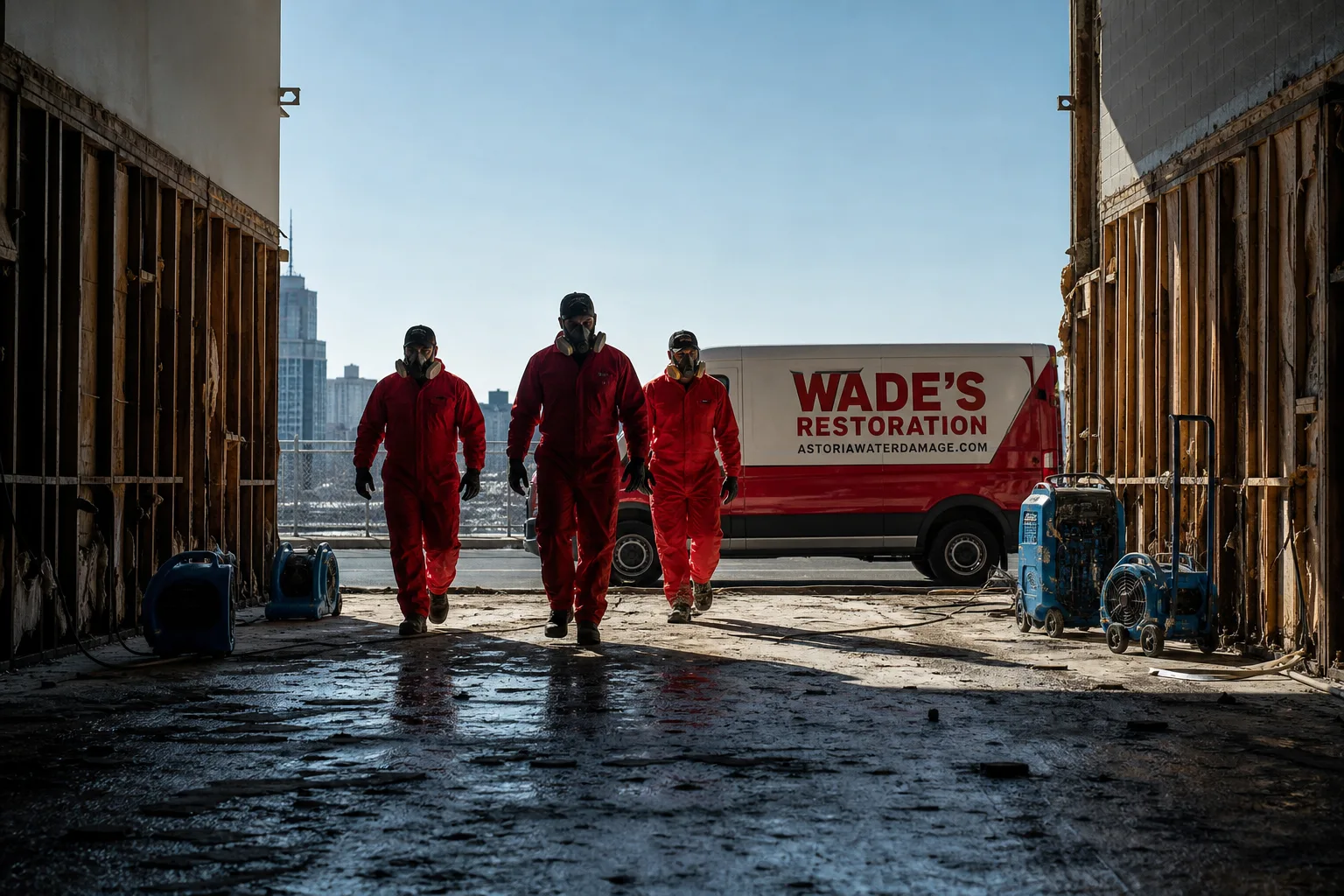
Free visual inspection and a written scope of work before any mitigation begins - photos, moisture readings, and drying logs go in your claim file
The scope we write is the scope we bill. Anything new gets shown to you, in writing, before we touch it.
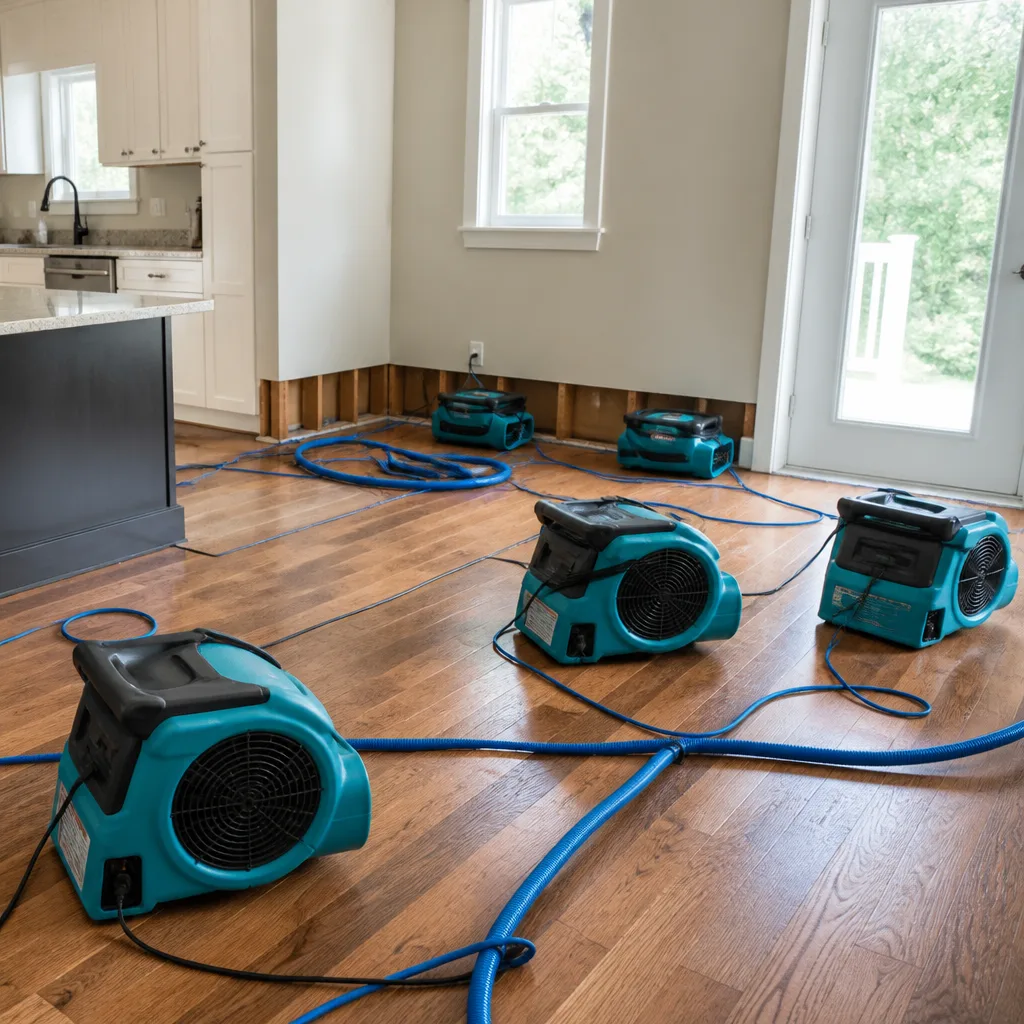
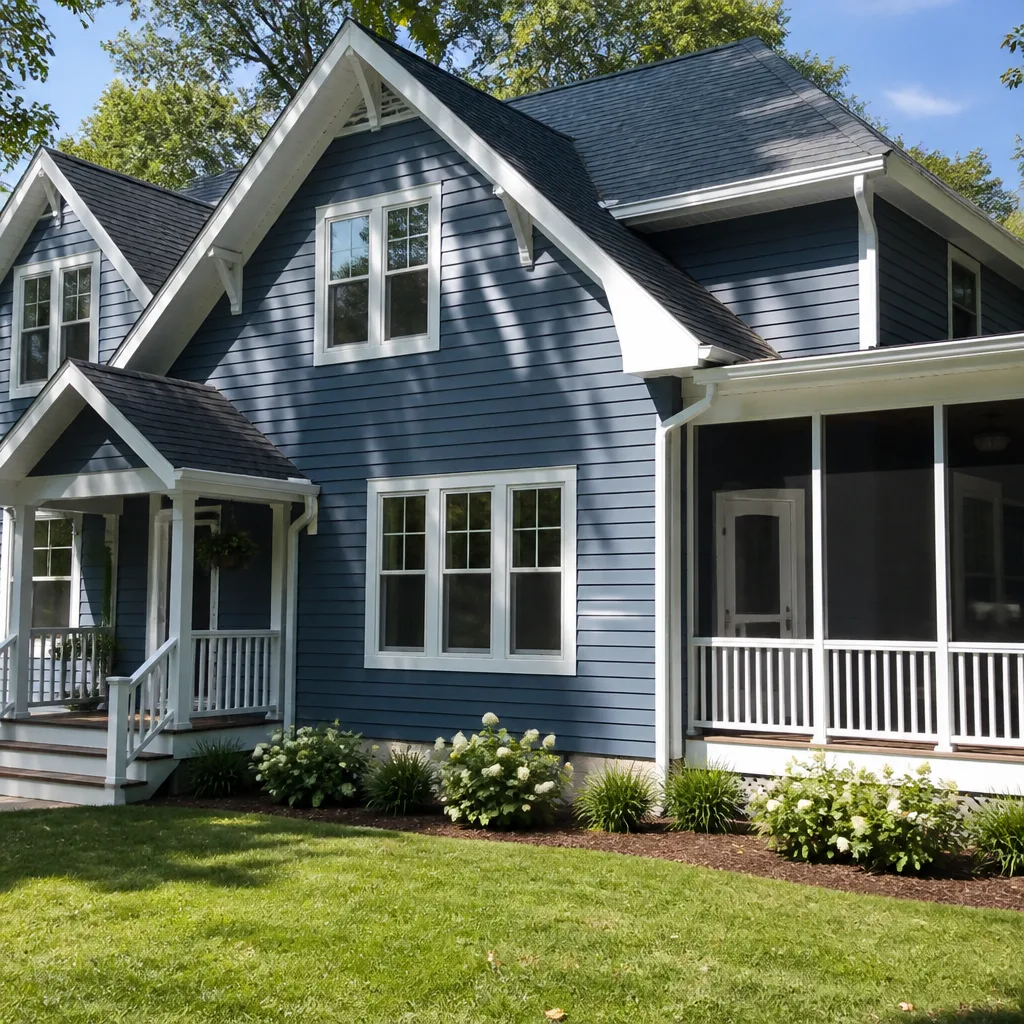
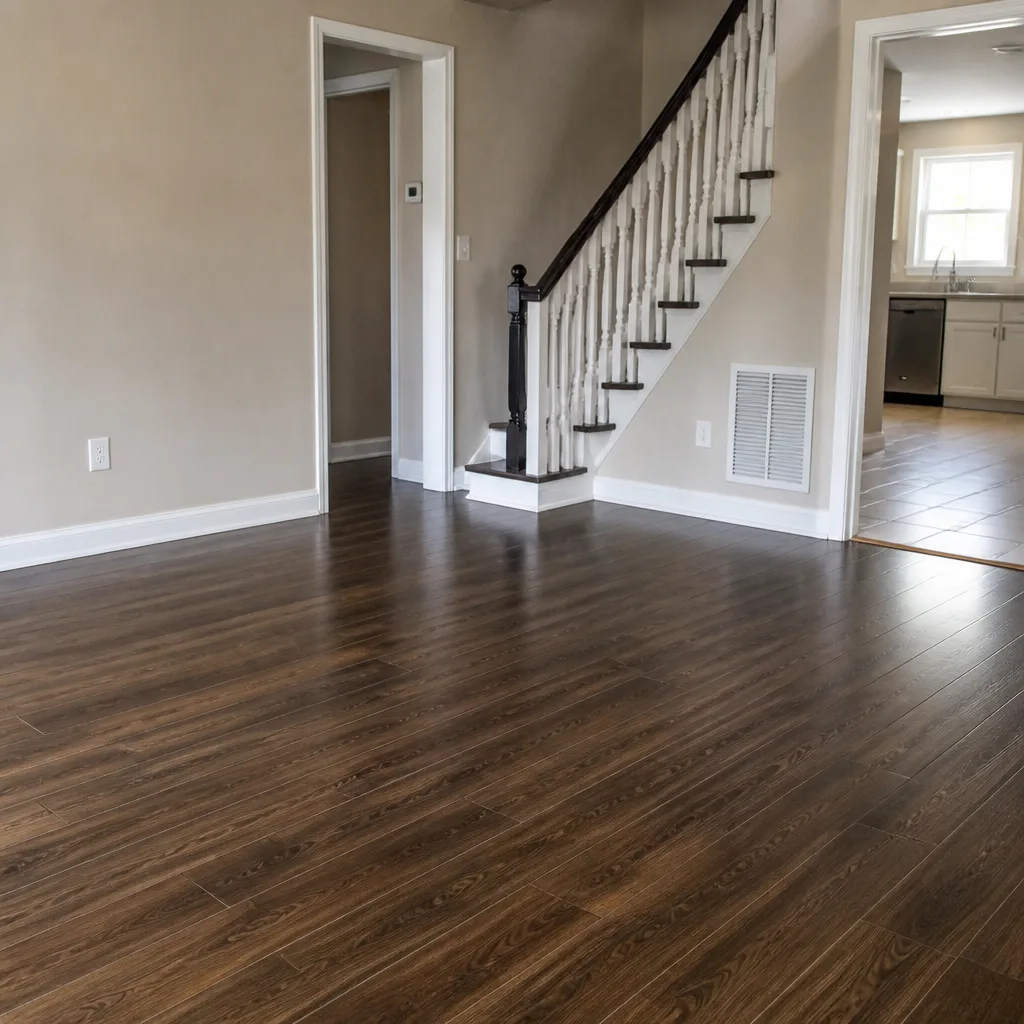
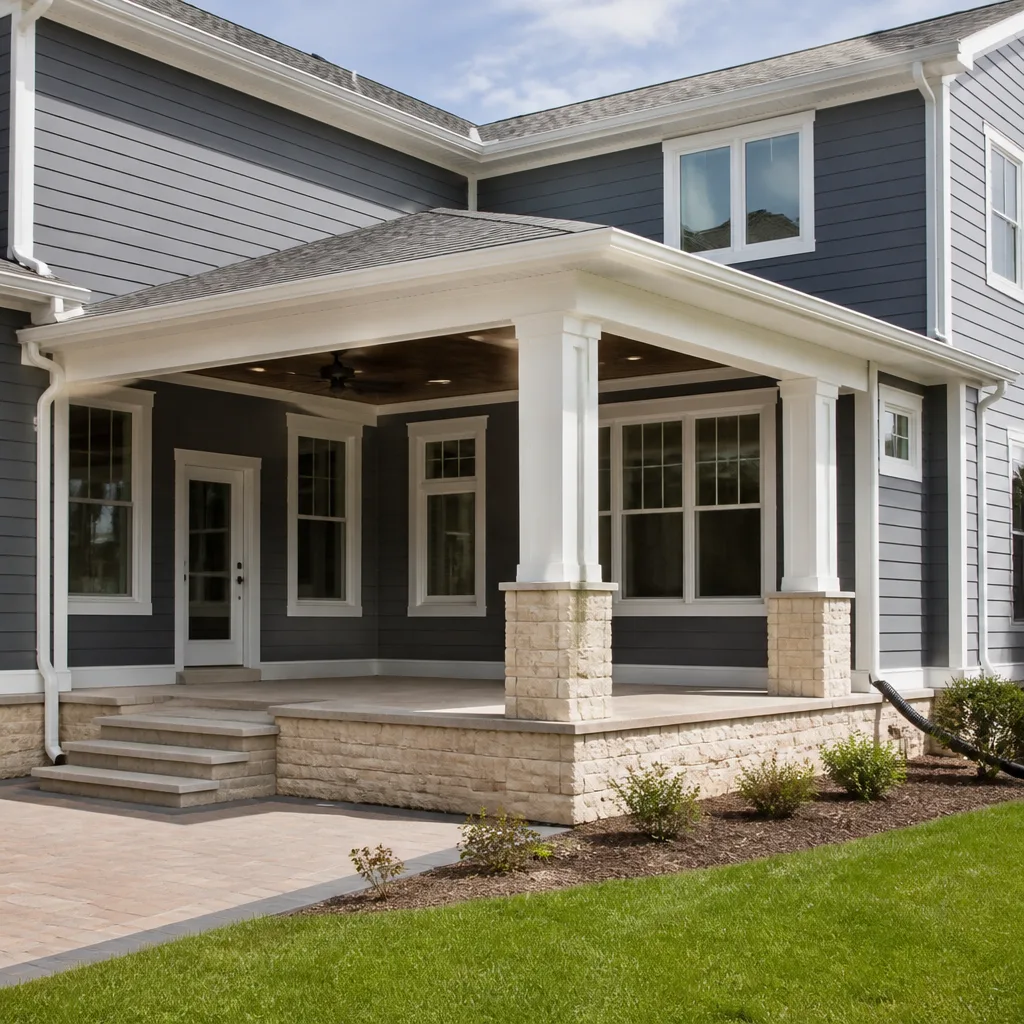
 Before
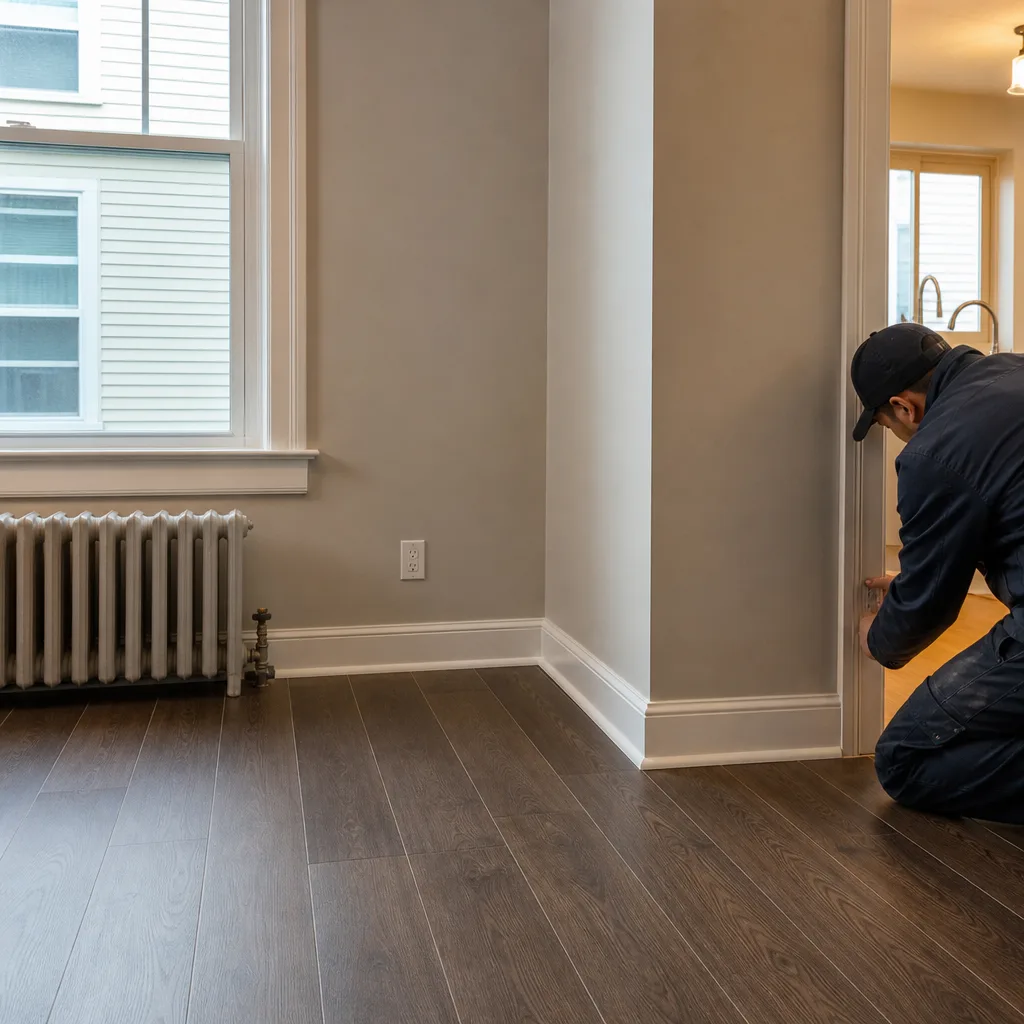 After
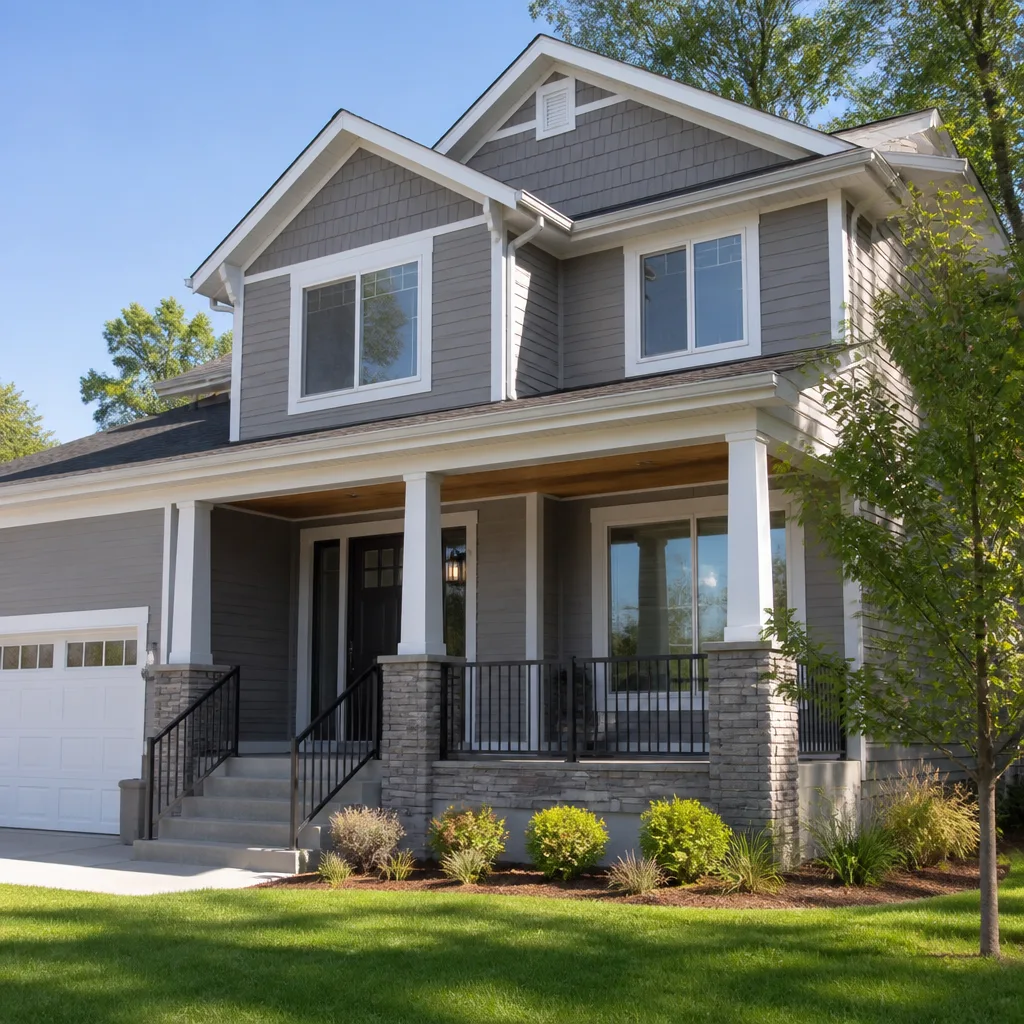
After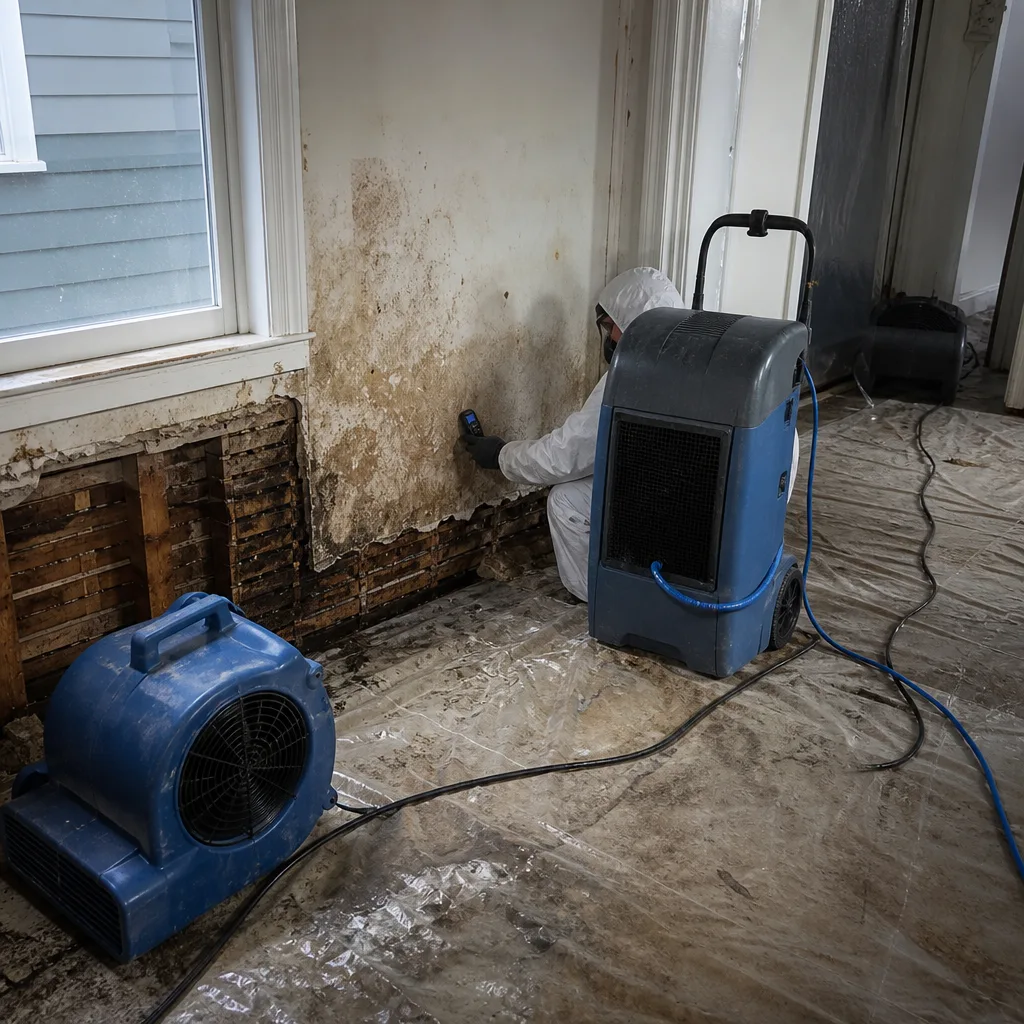 Before
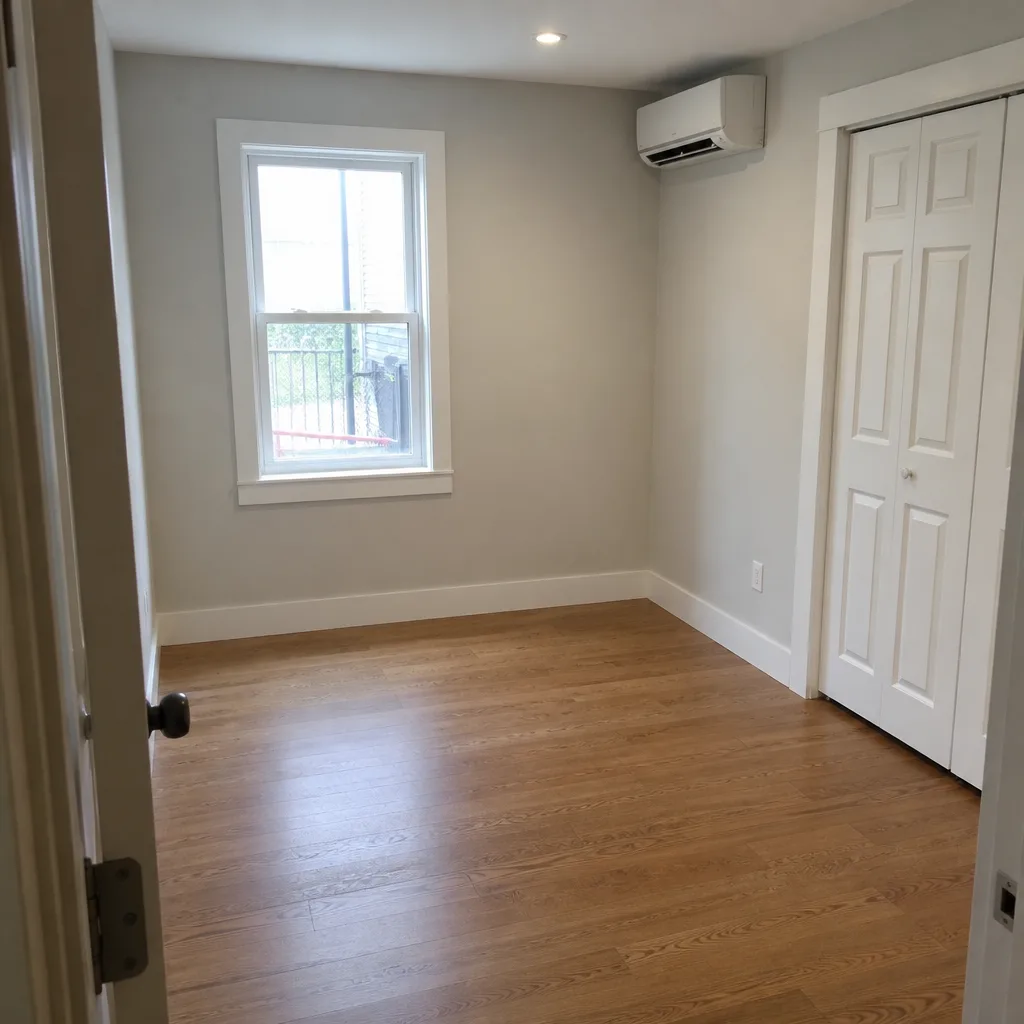 After
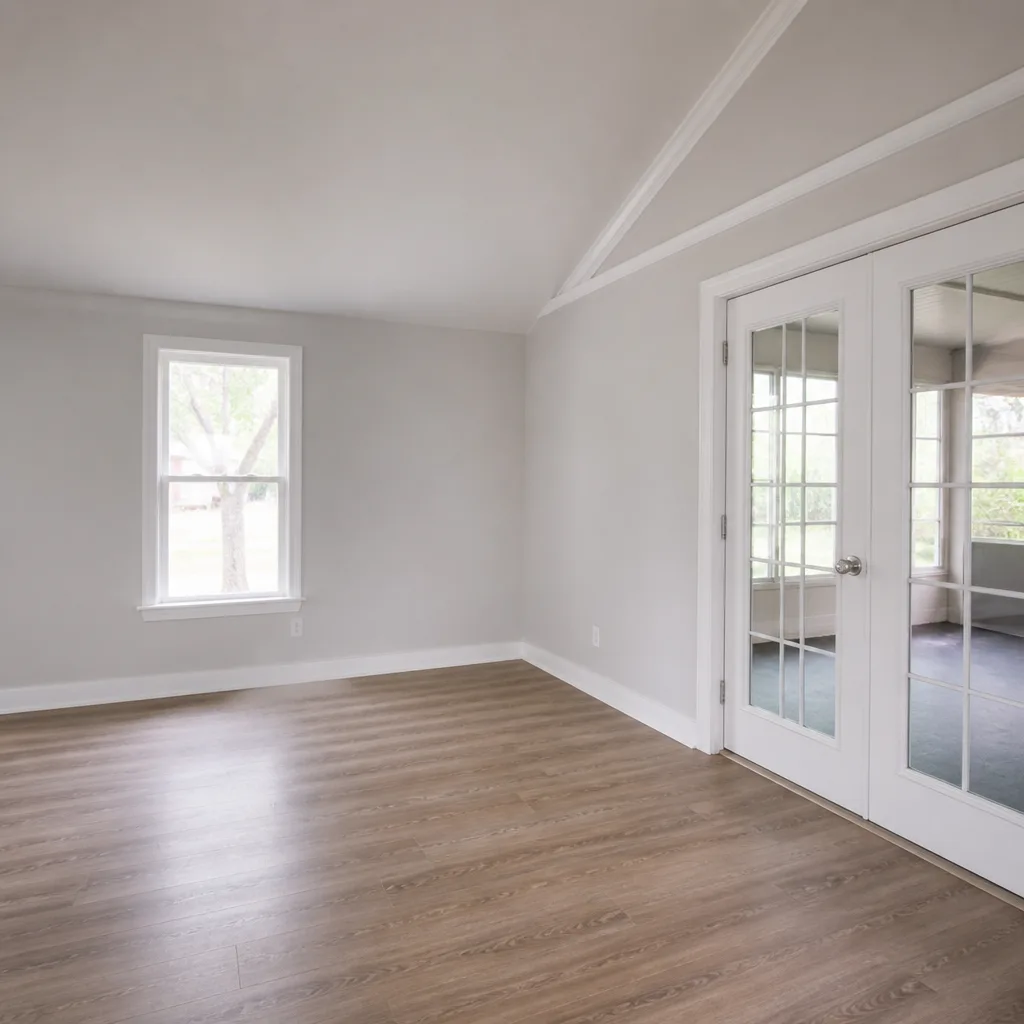
After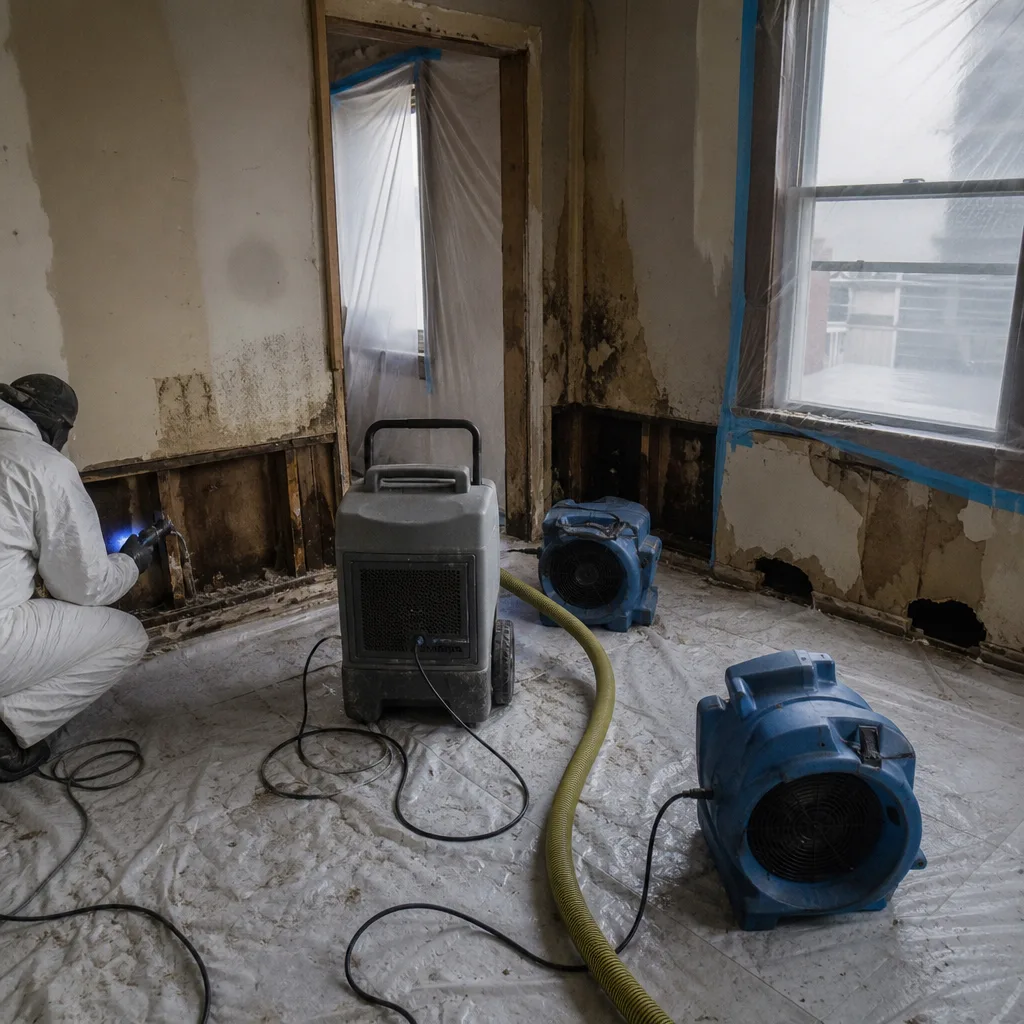 Before
 After
After24/7 Emergency Mold Remediation in Glendale
Mold remediation in Glendale typically costs $1,800 to $6,500 depending on how far the growth has spread through a row house’s shared walls, and a crew can usually be on site within 45 minutes. If you’re seeing black staining creeping up a basement wall or smelling that musty odor that won’t go away, call Wade Ferris at (363) 208-1526 right now. The first hour matters because Glendale’s attached brick homes share party walls, and mold spores move through wall cavities faster than most people realize. Wade answers his own phone, day or night, and he’ll walk you through what to do before he heads out.
Understanding Mold Remediation Severity in Glendale Properties
Not every mold problem in Glendale is the same, and treating them as if they are is how small issues become five-figure claims. A surface mold stain on a bathroom ceiling from shower steam is a cleaning job. Mold that’s feeding on moisture inside a plaster-over-lath wall cavity is a remediation project requiring containment, air scrubbing, and clearance testing. The difference comes down to moisture source, square footage of affected material, and whether the water that started it was clean or contaminated.
Glendale’s housing stock makes this classification trickier than in newer construction. Homes built from the 1910s through the 1940s retain original cast-iron drain stacks and galvanized supply lines. When those fail, water travels invisibly through wall cavities before showing any surface discoloration. Finished basements, which are extremely common here, hide moisture behind paneling, drywall, and flooring until mold has already established itself. We’ve pulled baseboards off in Glendale basements and found mold extending three feet up the stud cavity while the visible wall looked nearly untouched.
Why Glendale Property Owners Choose Wade’s Restoration
- 45-minute response commitment – Wade heads out from our New York City office the moment you call, and Glendale crews are typically inside your home in under an hour.
- A real person answers, 24/7 – You get Wade or someone from his crew on the line. No answering service, no call center script, no “someone will call you back.”
- IICRC-certified crews – Our technicians carry WRT, FSRT, and AMRT certifications, and Wade’s name is on the truck outside your door.
- Free visual inspection – Before any work begins, we walk the property with you and explain exactly what we’re seeing. No charge for that.
- Direct insurance billing – Wade communicates with your adjuster directly, so you’re never stuck relaying technical information between two sides.
- One team, start to finish – From initial containment through reconstruction, the same crew stays on your job. No handing you off to subcontractors.
Our Mold Remediation Process
Inspection & Assessment
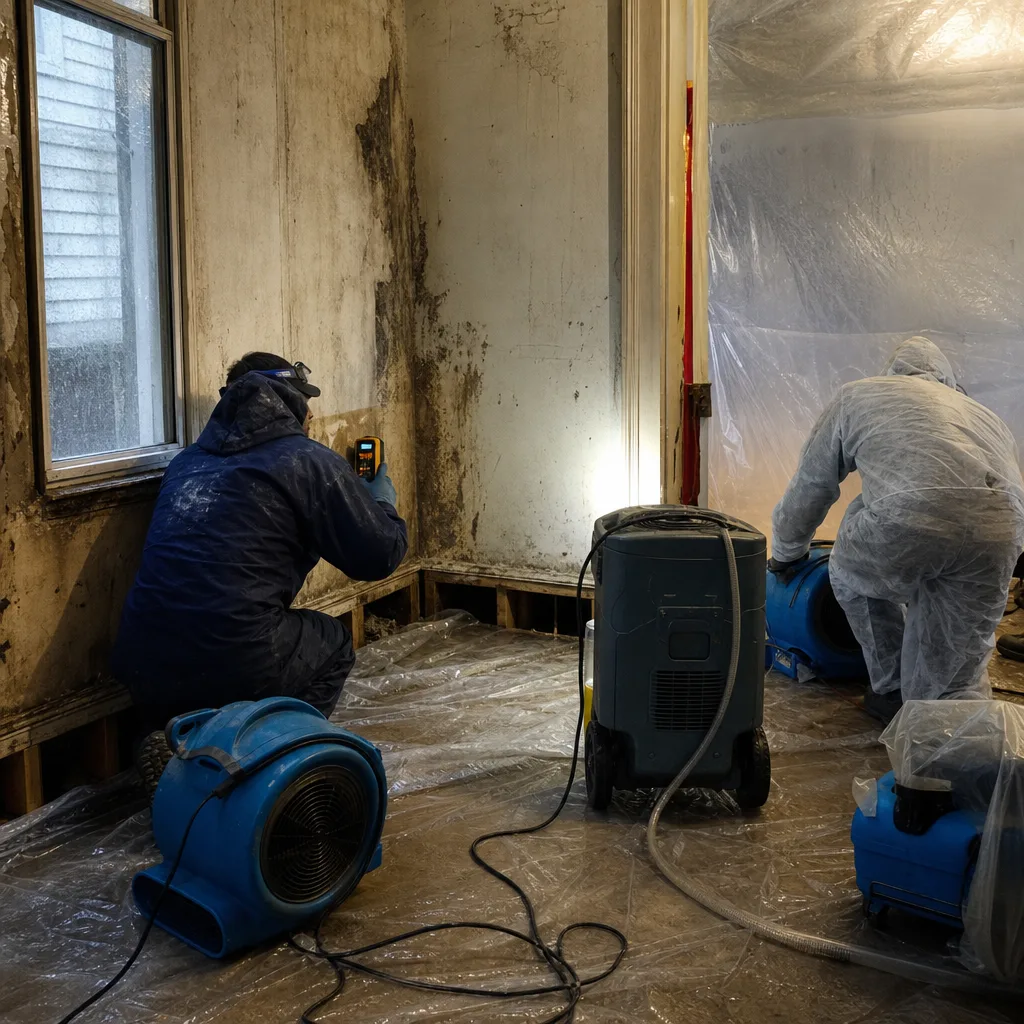
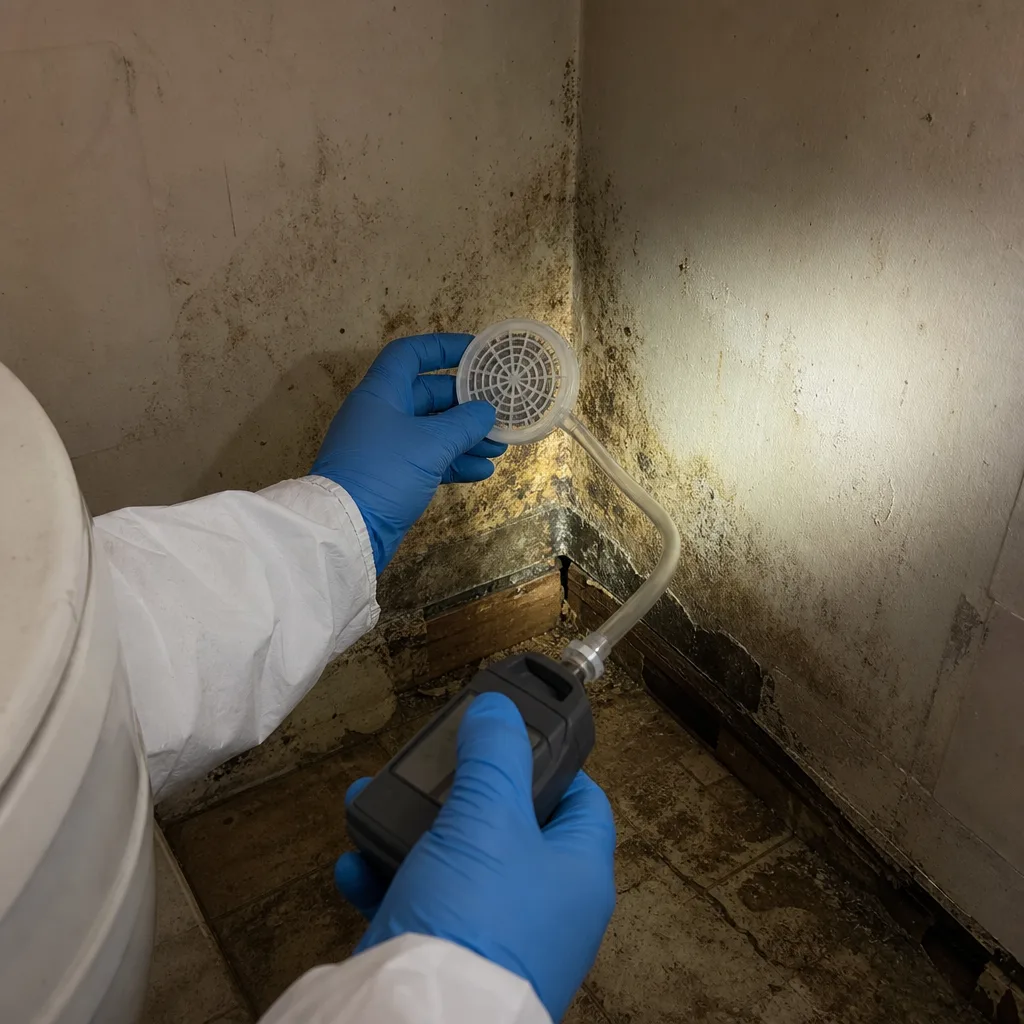
We map moisture throughout the affected area using thermal imaging and hygrometers. In Glendale row houses, this includes checking the shared party wall for signs that moisture has wicked into the neighbor’s side.
Containment & Stabilization
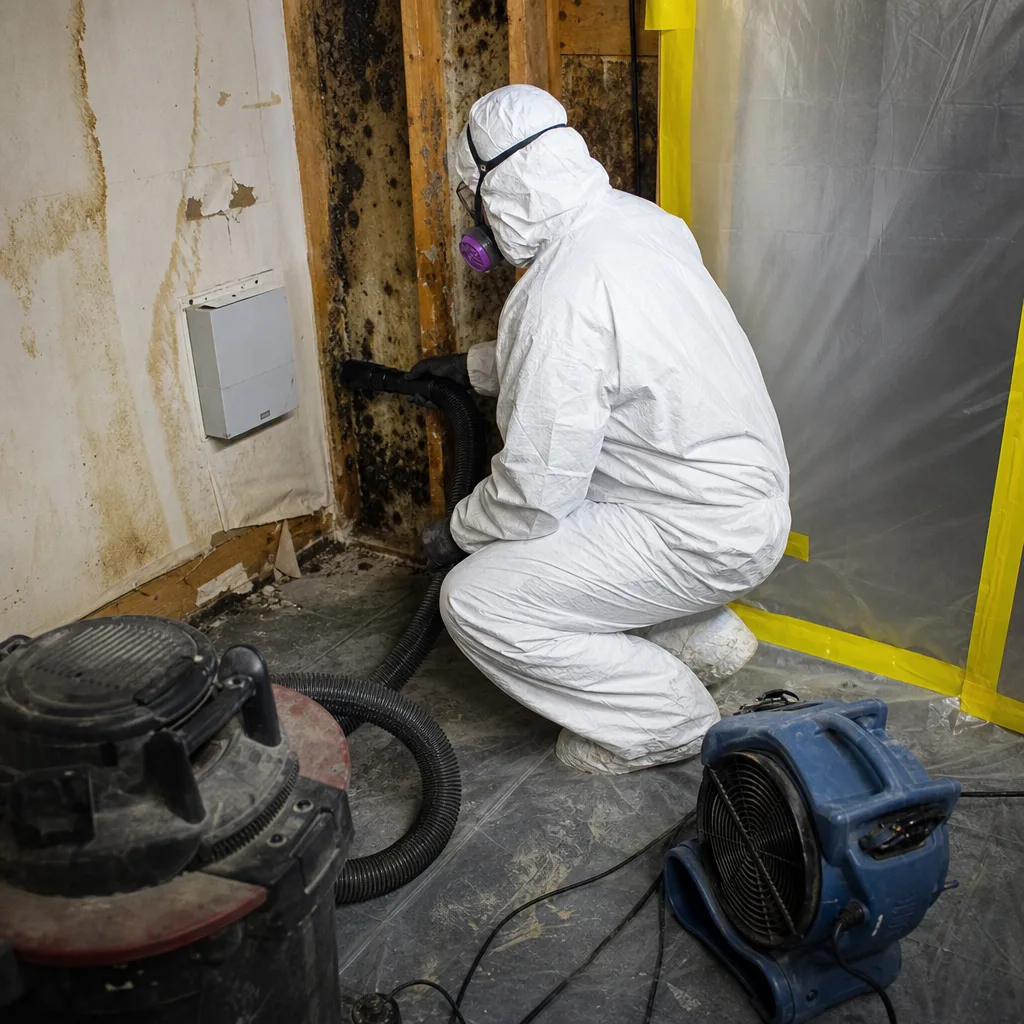
Before disturbing any moldy material, we build a containment barrier with negative air pressure to keep spores from spreading through connected wall cavities into adjacent rooms or attached units. This step is non-negotiable in Glendale’s attached housing.
Air Scrubbing & Filtration
HEPA air scrubbers run continuously during remediation, filtering airborne spores and replacing contaminated air. We use Dri-Eaz and Phoenix equipment, which moves a lot of air quietly.
Removal & Cleaning
Moldy drywall, plaster, insulation, and trim are bagged and removed under containment. Salvageable surfaces get antimicrobial treatment and HEPA vacuuming. In older Glendale homes with plaster-over-lath, we preserve original materials wherever possible.
Drying & Humidity Control
After removal, structural drying begins with high-volume air movers and dehumidifiers. We record moisture readings every day and hand you the full log at job’s end. Almost nobody in this trade does that.
Clearance Testing & Repairs
Post-remediation verification confirms spore counts are back to normal background levels. Then we rebuild what was removed, matching the character of your Glendale home’s original construction.
Need Emergency Mold Remediation in Glendale Now?
Crews minutes away, answering live 24 hours a day. The sooner we start, the less it costs.
Working With Your Insurance Company
Mold claims in Glendale get complicated fast, especially when a failed pipe in one row house unit has migrated into a neighbor’s wall cavity. Wade’s Restoration has handled hundreds of these multi-party claims across Queens. From the first hour, we document everything your insurer will ask for: pre-existing conditions, moisture readings, photos of damage room by room, and a line-item scope that holds up to adjuster scrutiny. Wade communicates directly with your carrier’s adjuster, so you never have to translate technical findings or argue about whether a wall needs to be opened. That direct coordination is the difference between a claim paid in weeks and one dragged out for months.
What We Provide Your Insurer
- Thorough documentation of the loss
- Photos of all damage, room by room
- Moisture readings and drying logs
- A detailed, line-item scope of work
- Direct coordination with your carrier
Built for Glendale’s Loss Calendar
Glendale’s mold problems follow a seasonal rhythm that anyone who’s lived here a while knows by heart. January and February bring the deep freezes that burst galvanized supply lines in uninsulated basement ceilings, flooding finished basements while families are at work. Spring thaw pushes groundwater against foundation walls, and those 100-year-old brick foundations weep moisture into basement wall cavities. Summer thunderstorms overwhelm the combined sewer system, and during intense rainfall events like the remnants of Ida in 2021, raw sewage surcharges back through floor drains into finished basements across the neighborhood. That’s not a routine water cleanup. That’s a Category 3 biohazard requiring full PPE protocols, EPA-registered disinfection, and mold remediation afterward. Fall brings nor’easters and the beginning of heating season, when closed-up houses trap humidity and condensation forms on cold masonry party walls. Wade’s Restoration has worked Glendale’s entire loss calendar, and we know what each season brings before the first call comes in.
Mold Remediation Across Glendale’s Neighborhoods
Glendale’s streets aren’t all the same, and neither are the mold problems we see on them. Up around Myrtle Avenue, the older two-family row houses from the 1910s have shallow basements with low ceilings and original cast-iron plumbing that’s been failing for decades. Those properties often hide mold behind wood paneling that was installed in the 1970s. Down near Forest Park, the homes along Woodhaven Boulevard and the side streets running east toward the Jackie Robinson Parkway see more ground moisture because of the slope changes. Finished basements there frequently show mold at the base of foundation walls where exterior drainage has failed. Over by Atlas Park, the commercial-residential mix means upper-floor residential units deal with leaks from flat roofs that trickle down through multiple floors before anyone notices. Along Cooper Avenue, the three-family row houses with shared basement slabs are the most likely to present multi-unit mold situations where one owner’s leak becomes three owners’ problem. Wade knows these streets because he drives them constantly. When you call describing your mold issue, he already has a good idea of what he’s walking into based on your block alone.
Specialized Mold Remediation Services We Offer in Glendale
Mold Inspection & Testing
Before remediation begins, you need to know what you’re actually dealing with. In Glendale’s attached row houses, a visual inspection alone often misses mold hidden in shared wall cavities. We use thermal imaging and moisture meters to trace the moisture source, then recommend surface or air sampling where it makes sense. In homes with shared party walls, we routinely check adjacent units with the neighbor’s permission, because mold from one home’s leak frequently migrates through the brick before anyone on the other side sees it.
Mold Removal
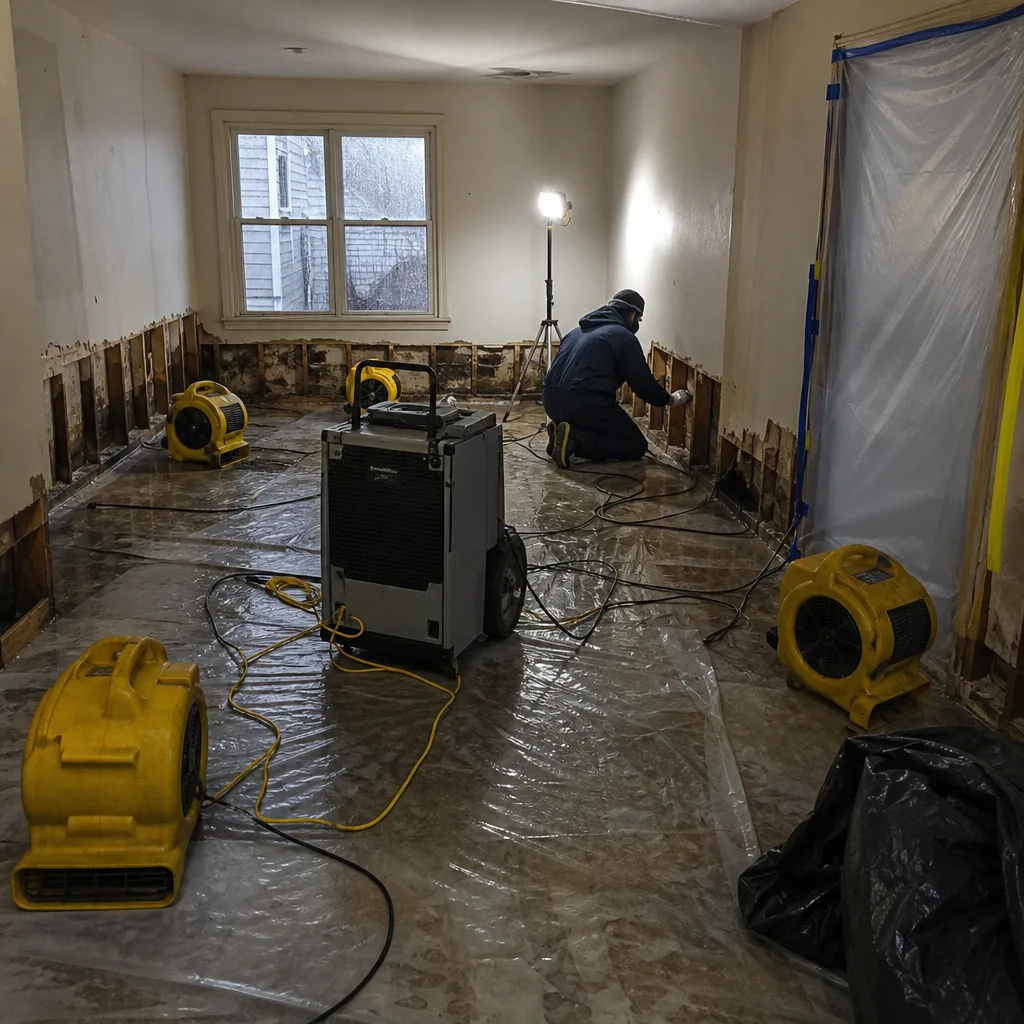
Removing mold from a Glendale basement or bathroom involves more than scrubbing. We remove affected drywall, plaster, insulation, and trim under containment, then treat framing and masonry with antimicrobial products. The goal is removing the mold colony entirely, not just killing it and leaving dead spores behind. In older homes with original plaster-over-lath, we work to preserve character walls where remediation can be done in place.
Black Mold Remediation
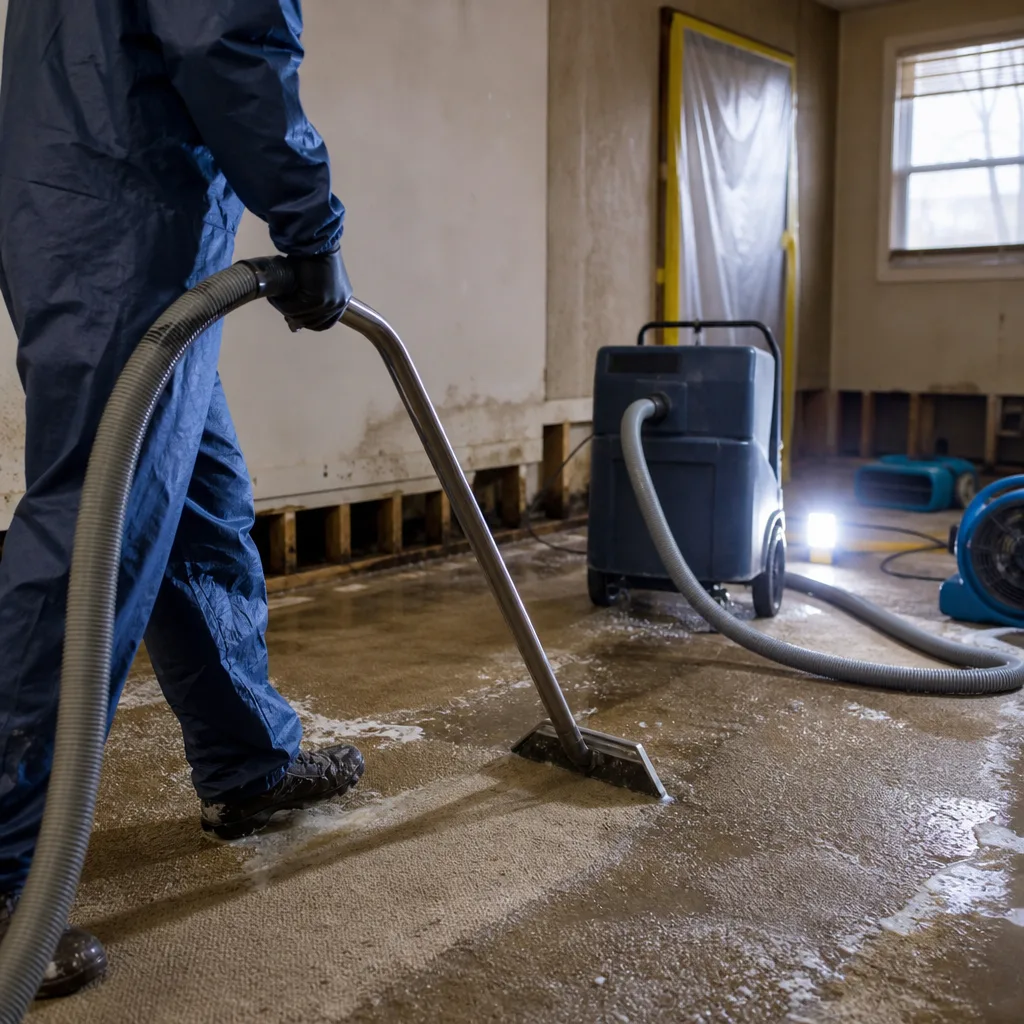
Stachybotrys, the mold people mean when they say “black mold,” grows on materials that have been wet for a long time, often because of a slow leak hidden inside a wall cavity. Glendale’s older homes are particularly vulnerable because failed galvanized supply lines drip for months before the damage becomes visible. Black mold remediation requires full containment, HEPA air scrubbing, and careful removal of all affected porous materials. It’s not a job for bleach and elbow grease.
Air Quality Restoration
After a mold remediation project, the air inside your Glendale home should be cleaner than it was before the problem started. We run HEPA air scrubbers throughout the project and perform post-remediation verification to confirm spore counts are back to normal background levels. For homeowners with respiratory issues, allergies, or immune concerns, this step matters enormously. You should not be able to smell that something was wrong.
Crawl Space Treatment
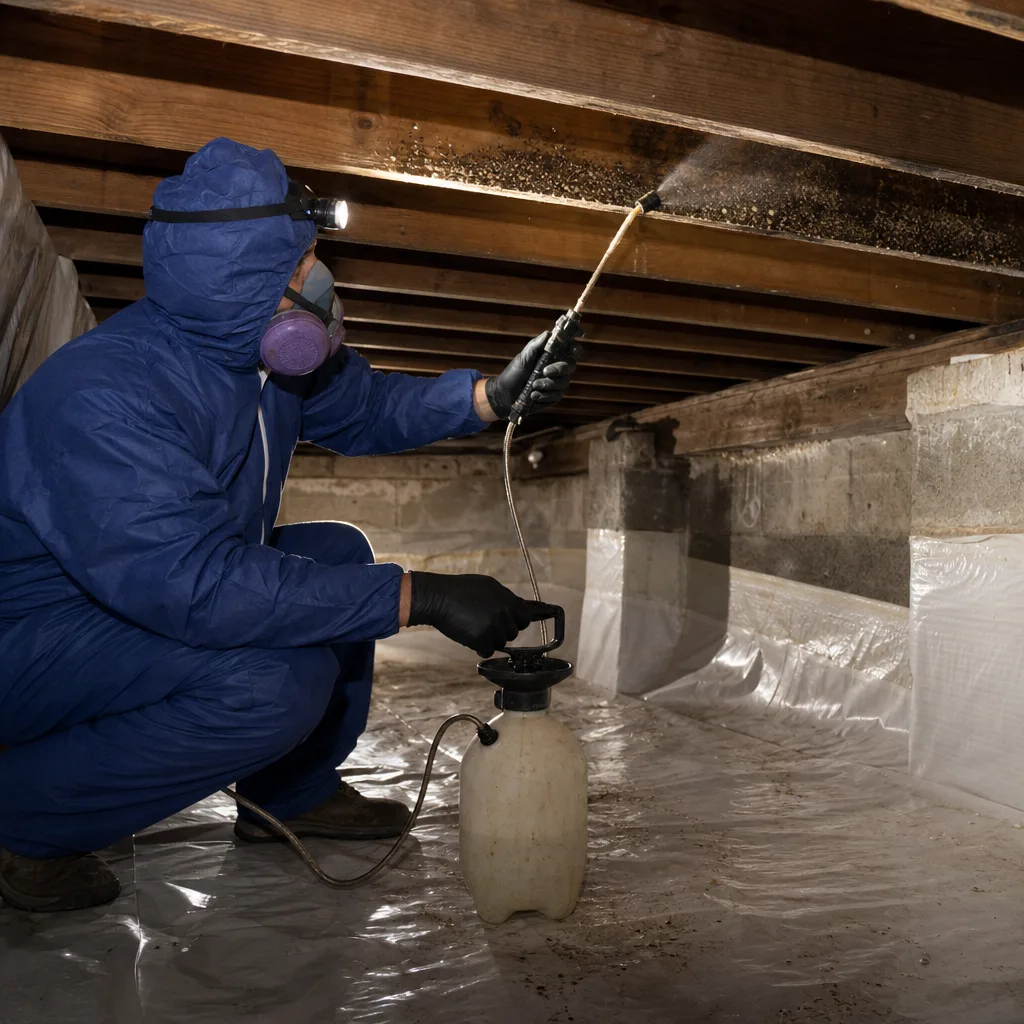
Many Glendale homes have crawl spaces under front porches or rear additions that rarely get looked at. Those spaces trap humidity, especially in summer, and become mold incubators that affect the whole house. We treat crawl spaces with commercial dehumidifiers, vapor barriers, and antimicrobial applications, then seal off the moisture pathway so the mold doesn’t return in a few months.
Moisture & Humidity Control
Mold remediation without fixing the moisture problem is a temporary fix. In Glendale, moisture comes from failed plumbing, foundation seepage, poor ventilation, and combined sewer backups. We identify the source, then design a moisture control plan specific to your home’s construction and your family’s habits. Dehumidifiers, improved drainage, ventilation upgrades, and pipe repairs are all part of the conversation. Wade will tell you honestly what’s needed and what isn’t.
What happens when you call
- 1
A real person answersNo phone trees - you reach a local pro.
- 2
You get an upfront price rangeHonest numbers before anyone is dispatched.
- 3
A background-checked tech heads outLicensed & insured, dispatched right away.
- 4
You approve before work beginsNothing starts until you say go.
Mold Remediation Costs in Glendale, NY
Honest numbers help you plan. A small contained mold removal in a Glendale bathroom, where the affected area is under 10 square feet, typically runs $1,800 to $3,200 including containment and air scrubbing. A finished basement remediation affecting 30 to 50 square feet of drywall and insulation runs $3,500 to $6,500. A multi-unit party wall situation, where containment spans two or three homes and requires NYC DOB coordination, can run $8,000 to $15,000 depending on how far the moisture migrated and how many units need access. What moves the price: whether plaster-over-lath has to be opened and repaired, whether the water source was Category 1 clean water or Category 3 sewage, and whether the neighbor’s wall cavity needs treatment too. Insurance typically covers mold remediation when the water damage was sudden and accidental, which most burst pipes and sewer backups are. The free visual inspection gives you a firm written scope before you commit to anything. Call (363) 208-1526 and Wade will walk your property with you, explain what he sees, and put a number on paper. No charge for that, and no pressure either.
We Also Serve Cities Near Glendale
Wade’s Restoration handles mold remediation throughout western Queens and into Manhattan. Our crews regularly work in Astoria, the Financial District, Lower Manhattan, and Flushing. If your building shares a wall with a neighbor, we’re equipped for the multi-unit access and coordination that mold in older attached housing requires.
Serving Glendale, NY - Our Local Coverage Area
We’re based in the Glendale area and know this community well. Use the map below to see our service coverage - if you’re nearby, we can almost certainly help.
Glendale Mold Remediation Questions, Answered
Does mold remediation in Glendale require access to my neighbor’s property because of shared walls?
Sometimes yes, and this is one of the most frustrating realities of mold in Glendale’s attached row houses. If moisture mapping shows elevated readings on the neighbor’s side of a shared party wall, containment and full remediation typically require access to their unit. We coordinate with both owners, their insurers, and the NYC DOB when permits or notifications are involved.
How do I know if a water backup in my Glendale basement is Category 3 and therefore requires full mold remediation?
Category 3 water contains sewage, bacteria, or other contaminants. If your basement backup happened during heavy rain and Glendale’s combined sewers surcharged through the floor drain, the water is Category 3 regardless of how it looks or smells. Full PPE protocols, EPA-registered disinfection, and removal of contaminated porous materials are required before mold remediation can begin.
Why do mold issues in Glendale row houses often involve more than one unit?
The attached brick row houses built between 1910 and 1940 share true masonry party walls and continuous basement slabs. Water from a failed pipe or sewage backup in one unit travels laterally through those shared materials into adjacent homes. By the time visible mold appears in one unit, the moisture has often already reached the neighbor’s wall cavity, making the job a multi-unit remediation from day one.
What should I do if I see mold on a wall shared with my neighbor but my neighbor refuses inspection?
Document what you see with photos and moisture readings if you have a meter. Then call Wade at (363) 208-1526. We can work from your side of the wall to dry and treat the affected area, and we can provide documentation your neighbor’s insurer will likely accept. If the moisture source is in their unit, your own insurance may pursue subrogation against their carrier.
Can you dry in place behind original plaster-over-lath walls in an older Glendale house, or does the wall need to be opened?
Sometimes drying in place is possible with injection drying systems like those made by Injectidry, but it depends on the wall’s construction and how long the material has been wet. Plaster-over-lath walls in Glendale homes often have wooden lath strips and multiple plaster coats that hold moisture. If the wall has been wet more than 72 hours or shows visible mold, opening the wall under containment is usually necessary. Wade will show you the moisture readings and explain the choice before any wall is touched.
How fast can someone actually get to my Glendale house?
Usually within 45 minutes. Wade answers his phone directly at (363) 208-1526, day or night, and our crew is on the road from our New York City office immediately. Call now and you’ll be looking at his truck outside your front door before an insurance company answers their after-hours line.
Will my insurance cover mold remediation in Glendale?
If the mold resulted from a sudden and accidental water event, like a burst pipe or a sewer backup during a storm, most homeowners policies in New York cover the remediation and repair. Wade documents everything from the first hour and communicates directly with your adjuster, which is why our claims get approved at a higher rate than the industry average. Call for specifics on your policy situation.
What should I do in the first 30 minutes after discovering mold in my Glendale home?
Turn off the water source if it’s a plumbing leak. Don’t disturb the mold by scrubbing or wiping it, and don’t run fans on it. Close doors to contain the area if you can. Then call Wade at (363) 208-1526. He’ll tell you what to do next based on what you’re seeing, and he’ll be there within the hour if the situation warrants it.
We once remediated a finished basement on 73rd Street where a failed galvanized supply line in one row house unit had wicked through the shared brick party wall into the neighbor’s plaster-over-lath, hidden until our moisture mapping showed elevated readings on the adjacent property. Because both homes retained original cast-iron drain stacks and shared a continuous slab, we set up containment across two units, coordinated with both owners and their insurers, and performed full structural drying with Dri-Eaz dehumidifiers and XPOWER air movers before antimicrobial treatment and pack-out of affected contents. That job started as a one-basement phone call and became a three-week, two-unit remediation. It’s the kind of situation generic mold companies don’t understand until they’re standing in the middle of it.
If you’re dealing with mold in your Glendale home, or you suspect moisture is moving through a shared wall, call Wade’s Restoration at (363) 208-1526. Wade will answer, walk the property with you, and give you a straight story about what needs to be done and what it’ll cost. Free estimates, no trip charge in the county, and a senior and veteran discount of 10 percent, every time. The 90-Day Done Right Promise means if it’s not done right, we make it right, in writing. Ask anyone on your street about Wade’s Restoration. They probably already know the name.
Written by Wade Ferris, Owner at Wade’s Restoration, serving Glendale with mold remediation, water damage repair, and full restoration services since 2007.