
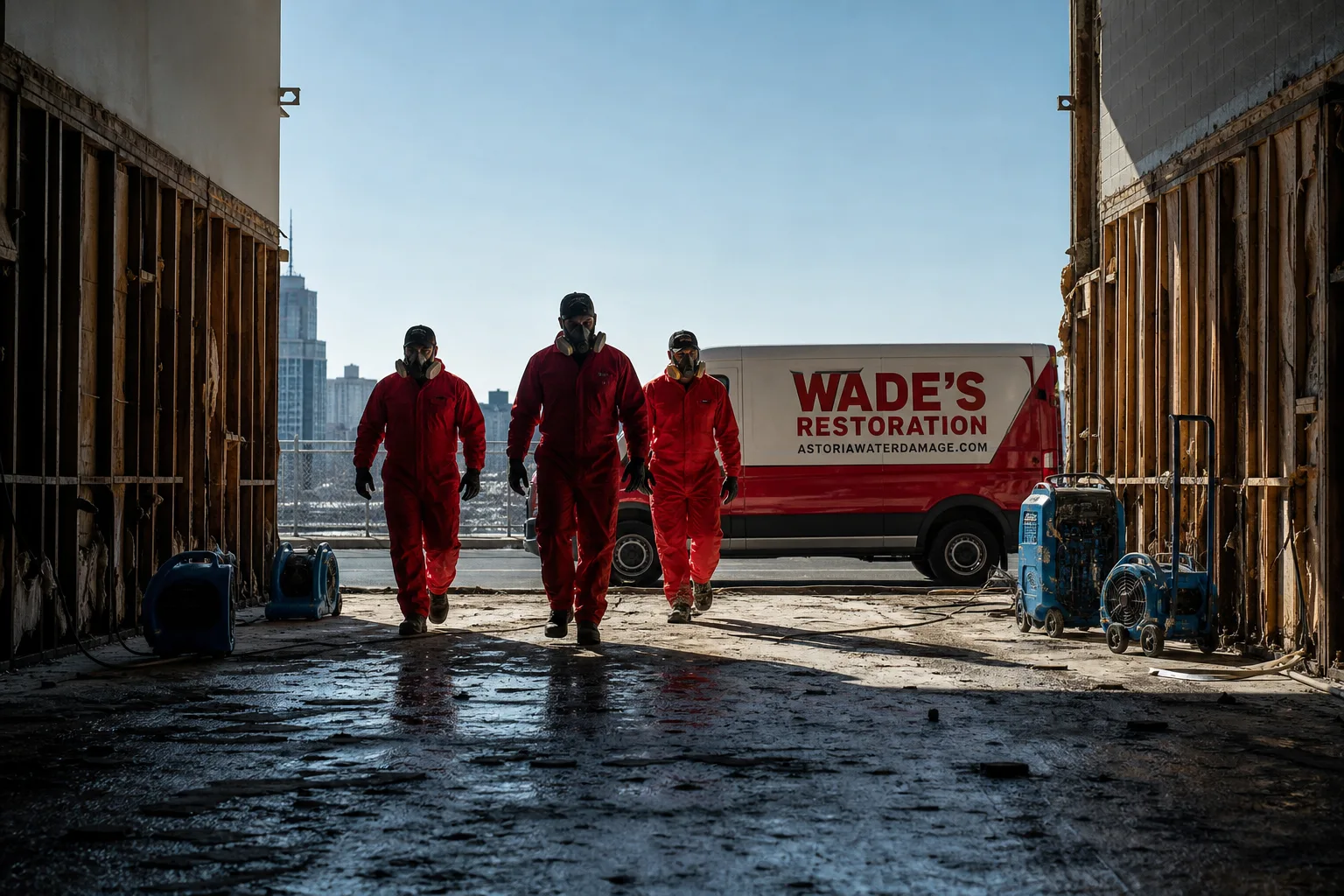
Free visual inspection and a written scope of work before any mitigation begins - photos, moisture readings, and drying logs go in your claim file
The scope we write is the scope we bill. Anything new gets shown to you, in writing, before we touch it.
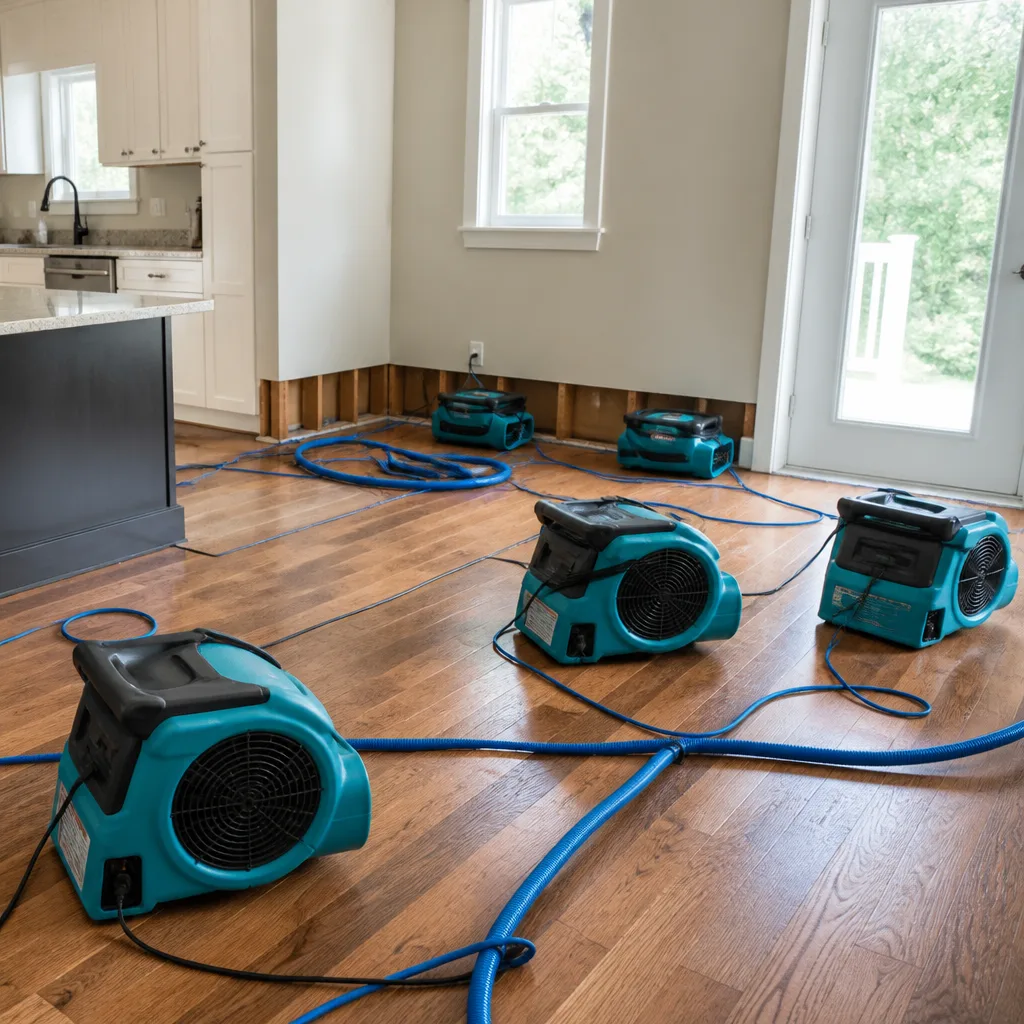
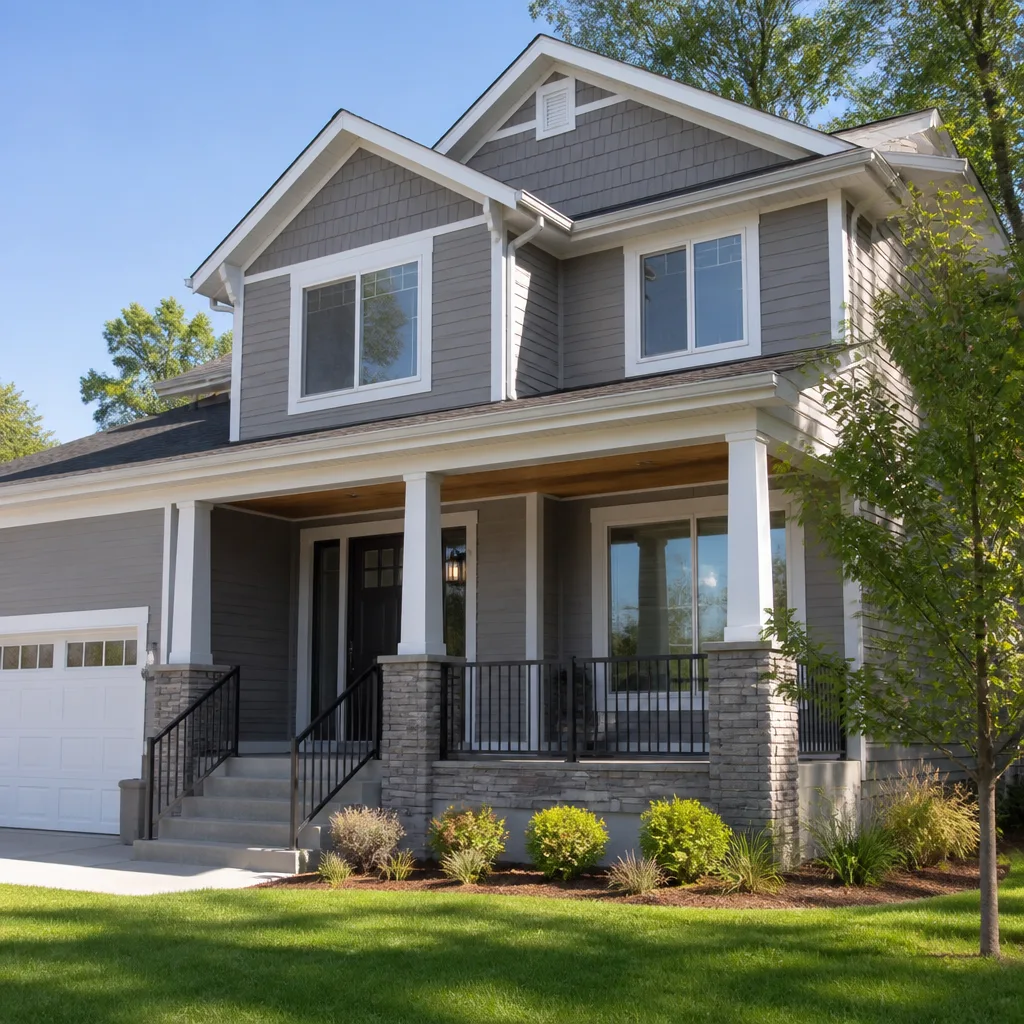
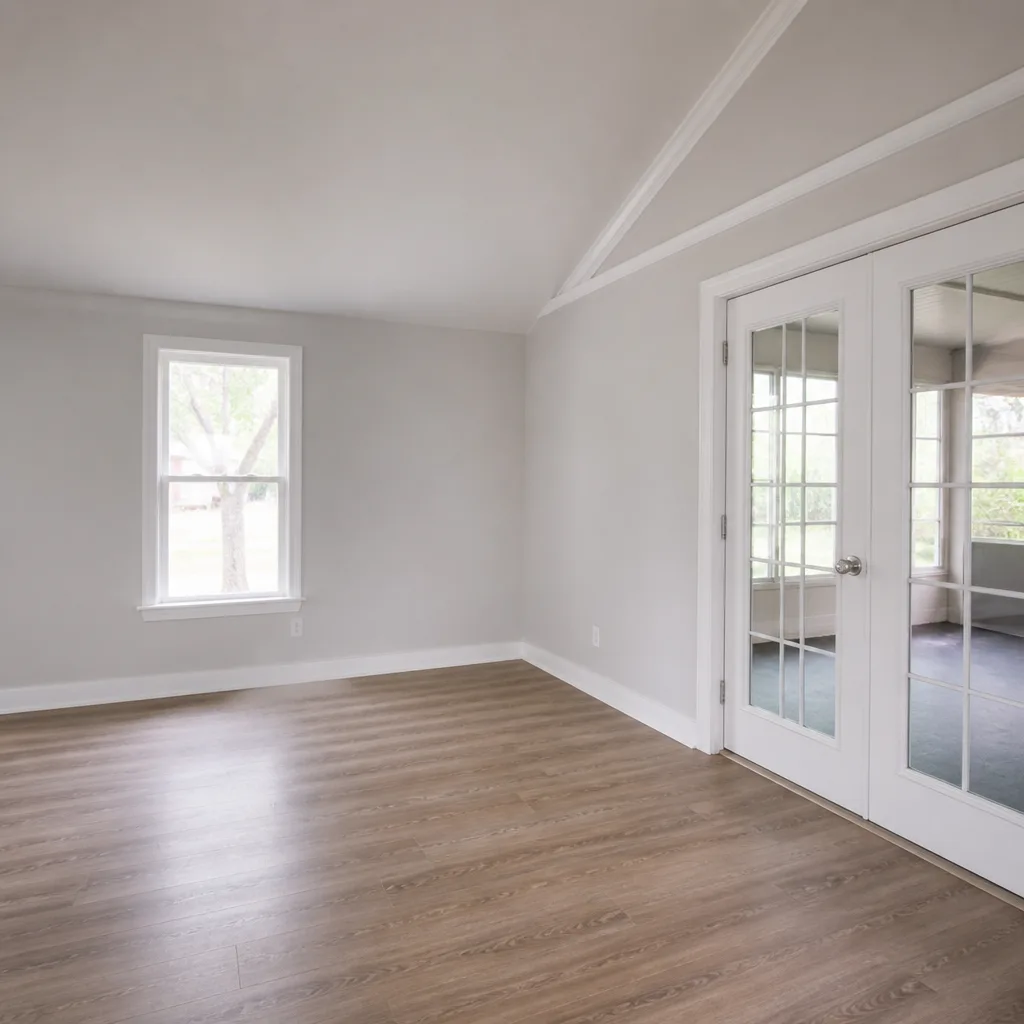
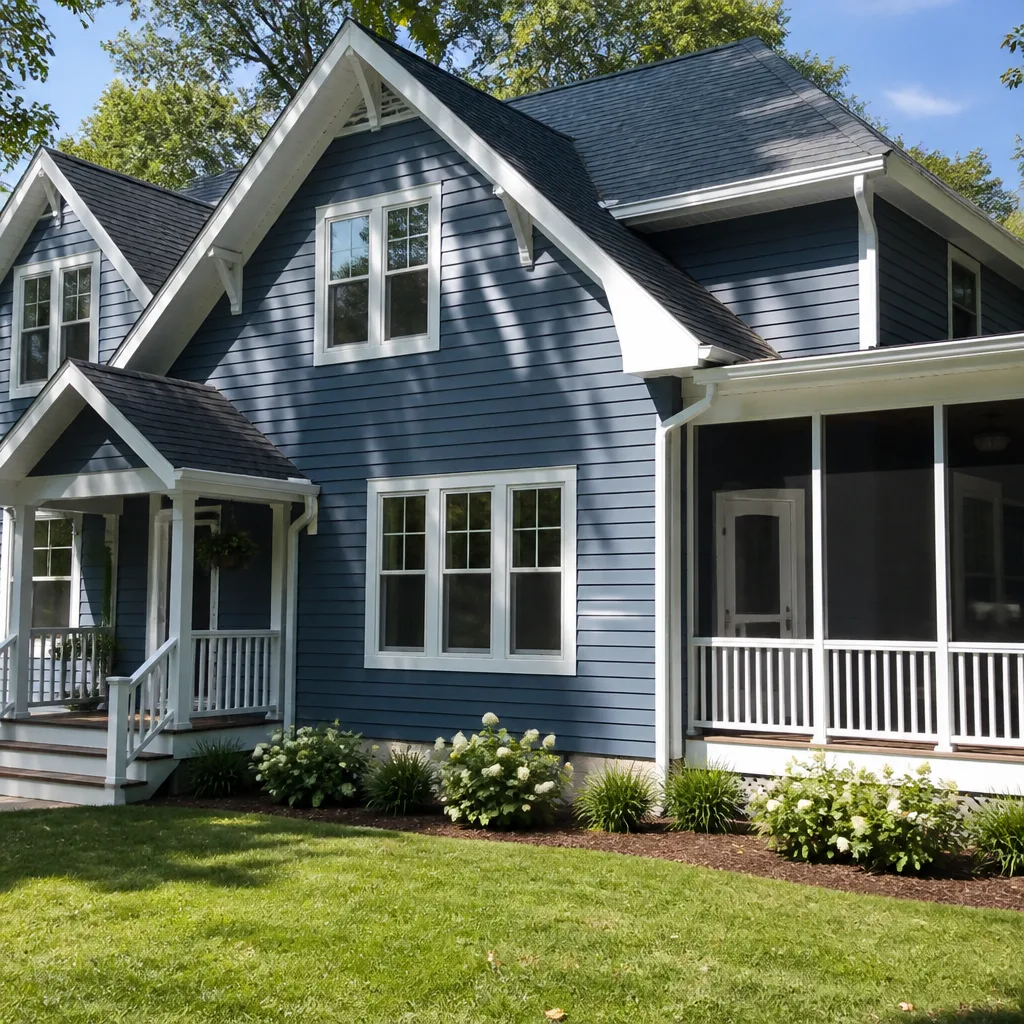
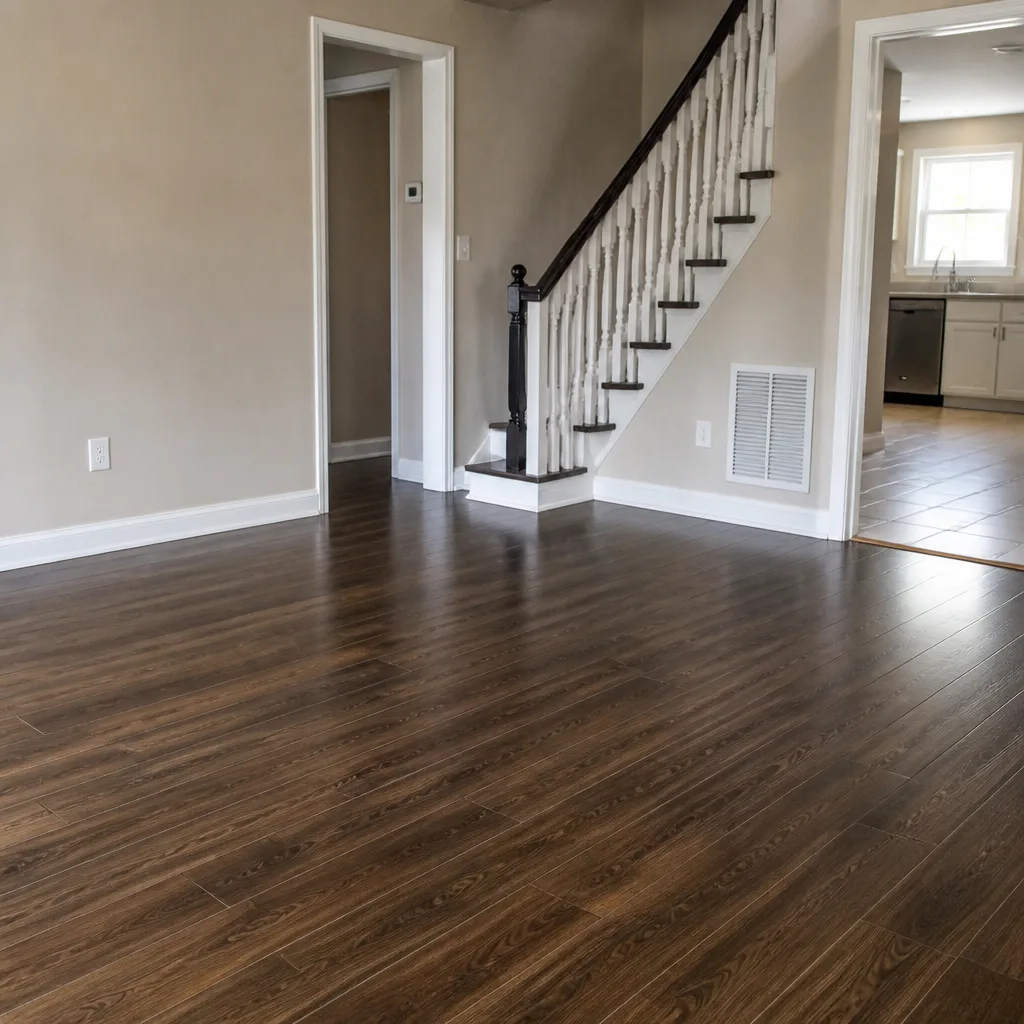
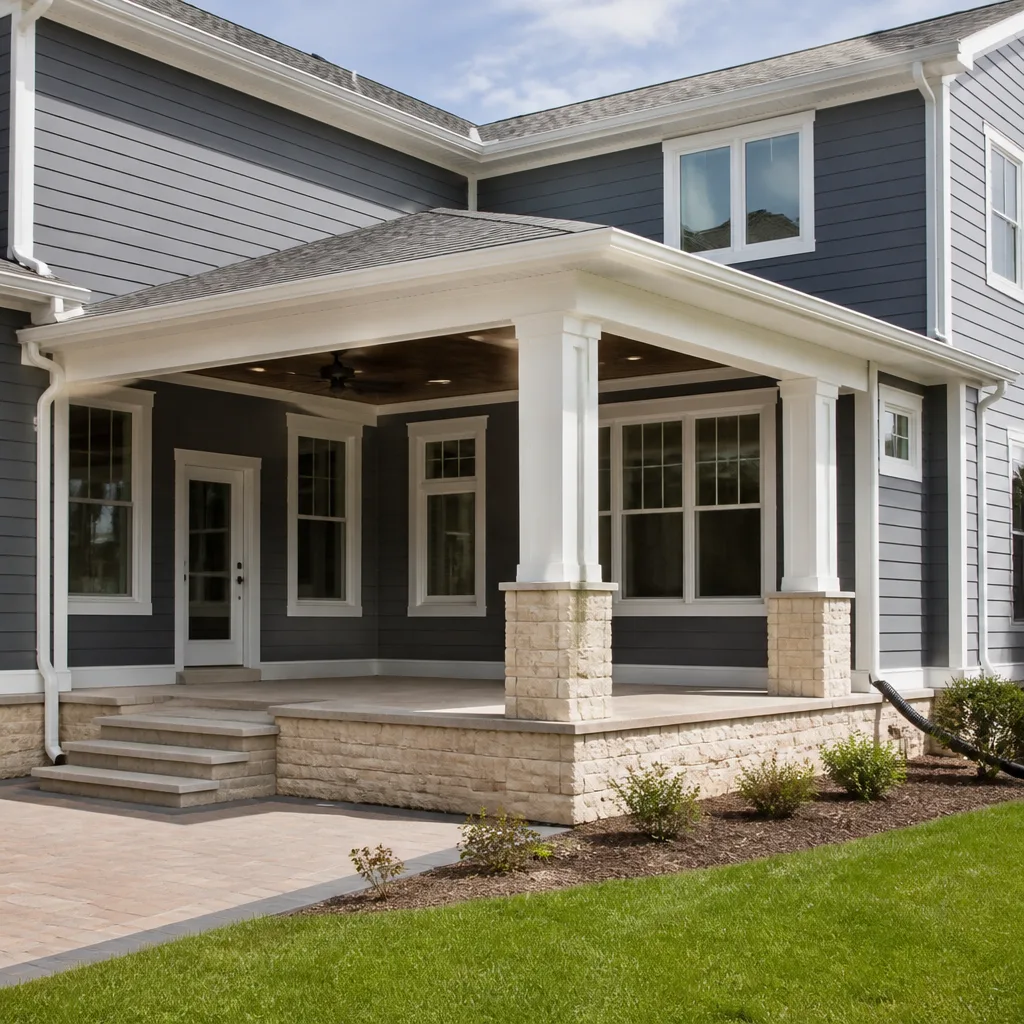
 Before
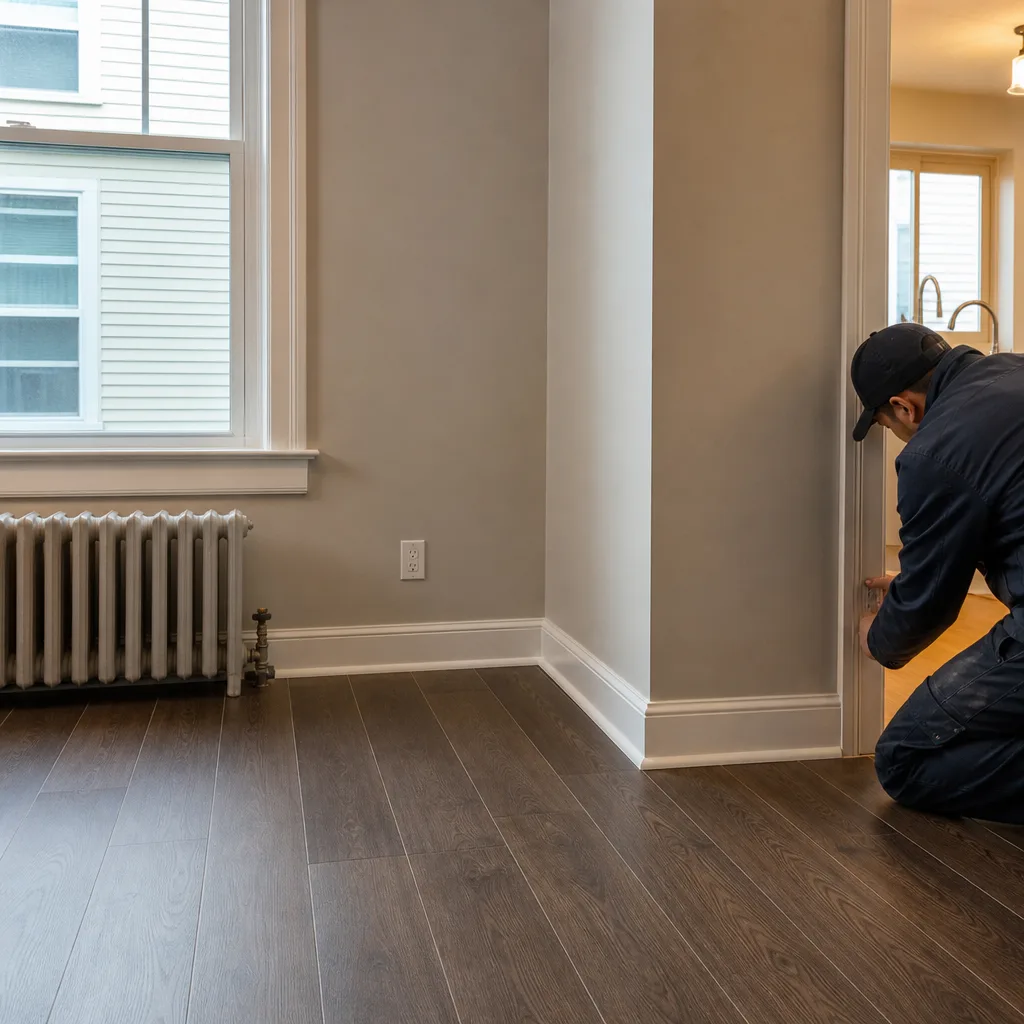 After
After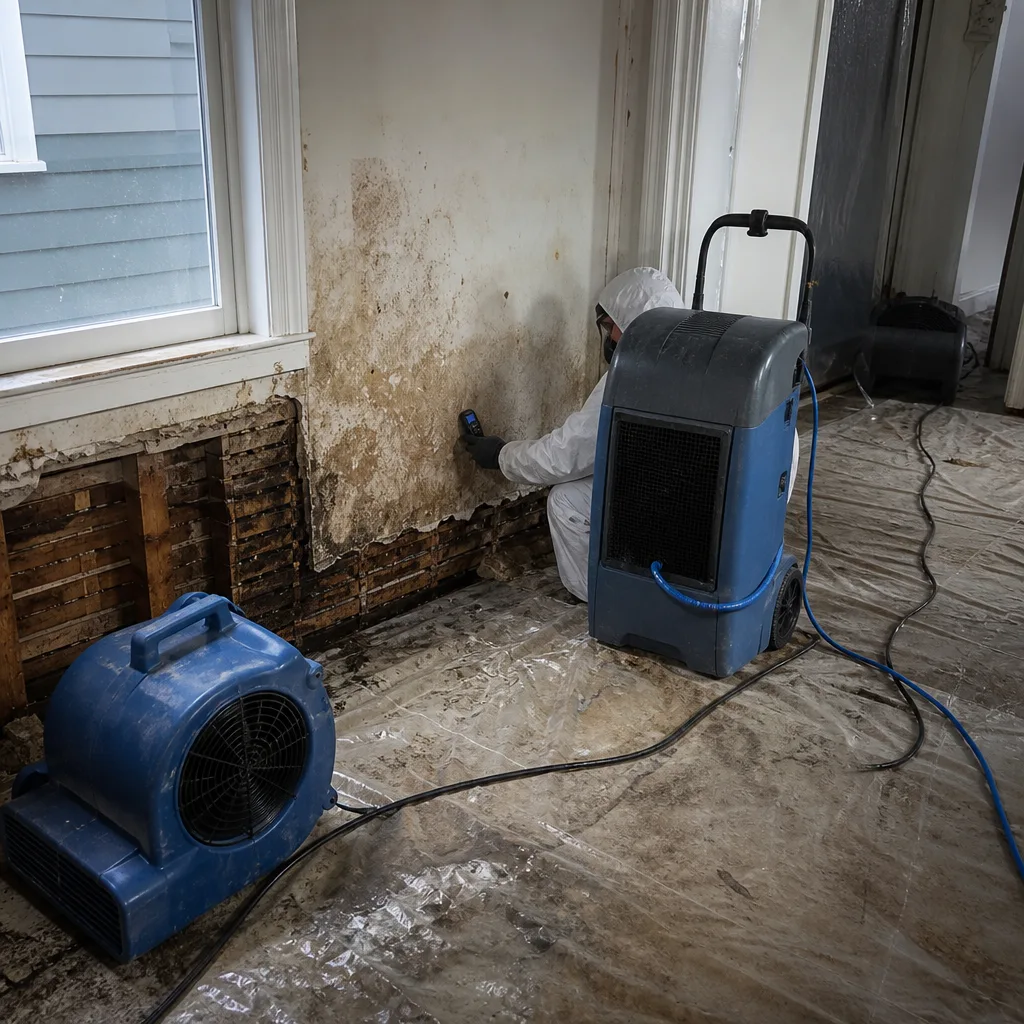 Before
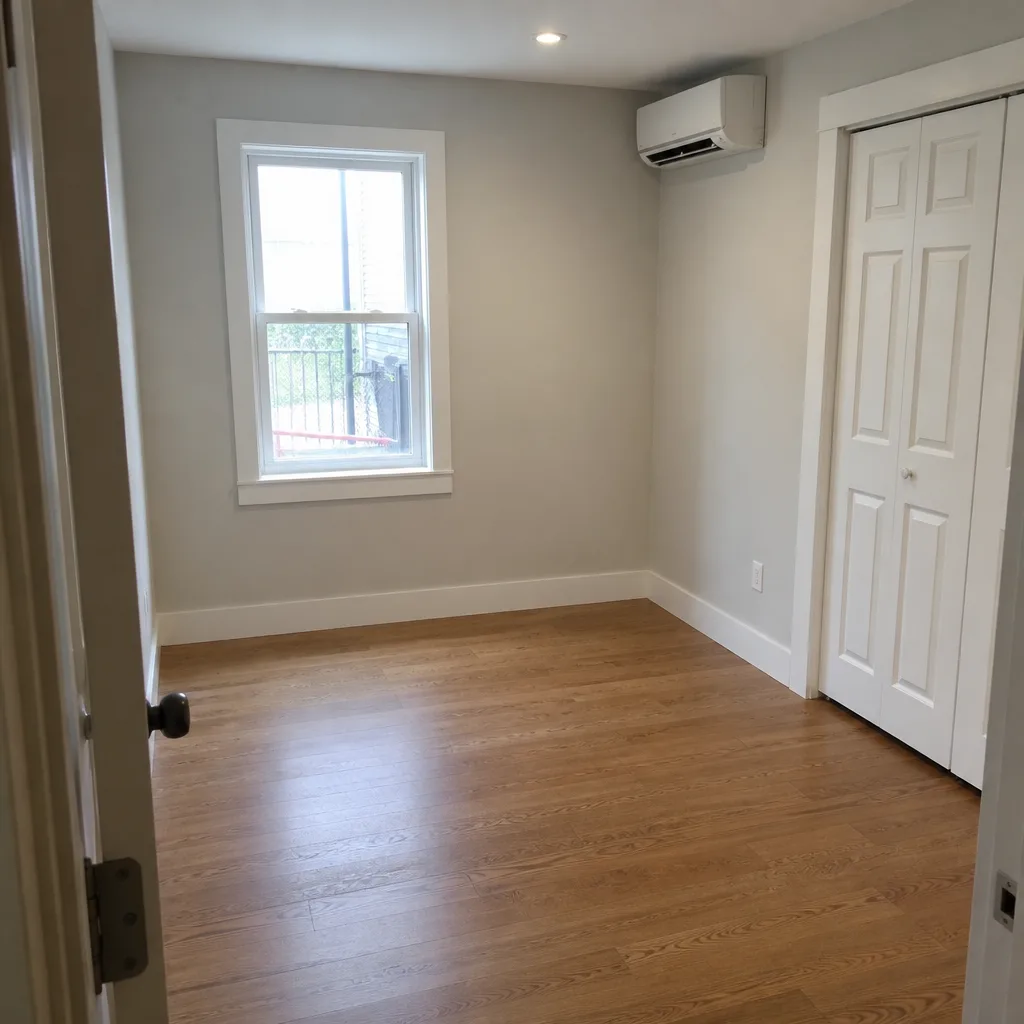 After
After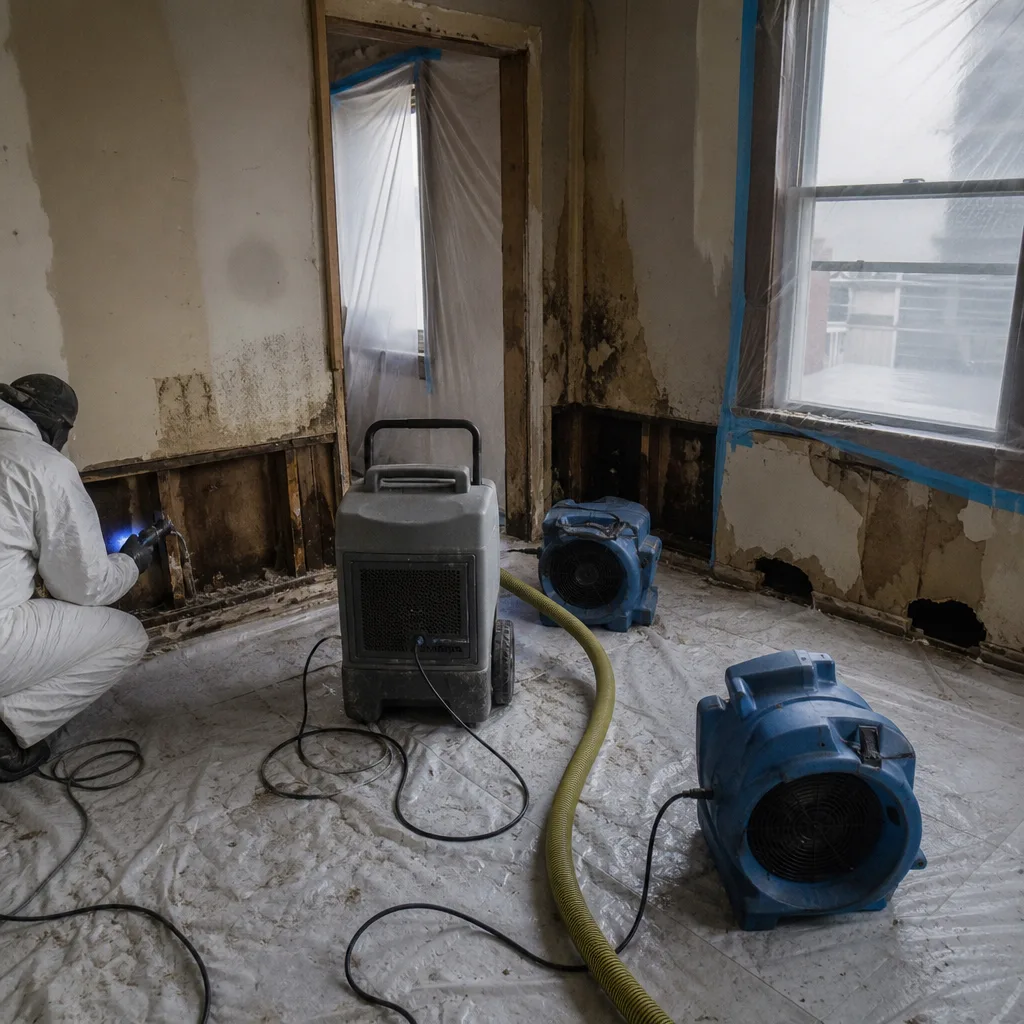 Before
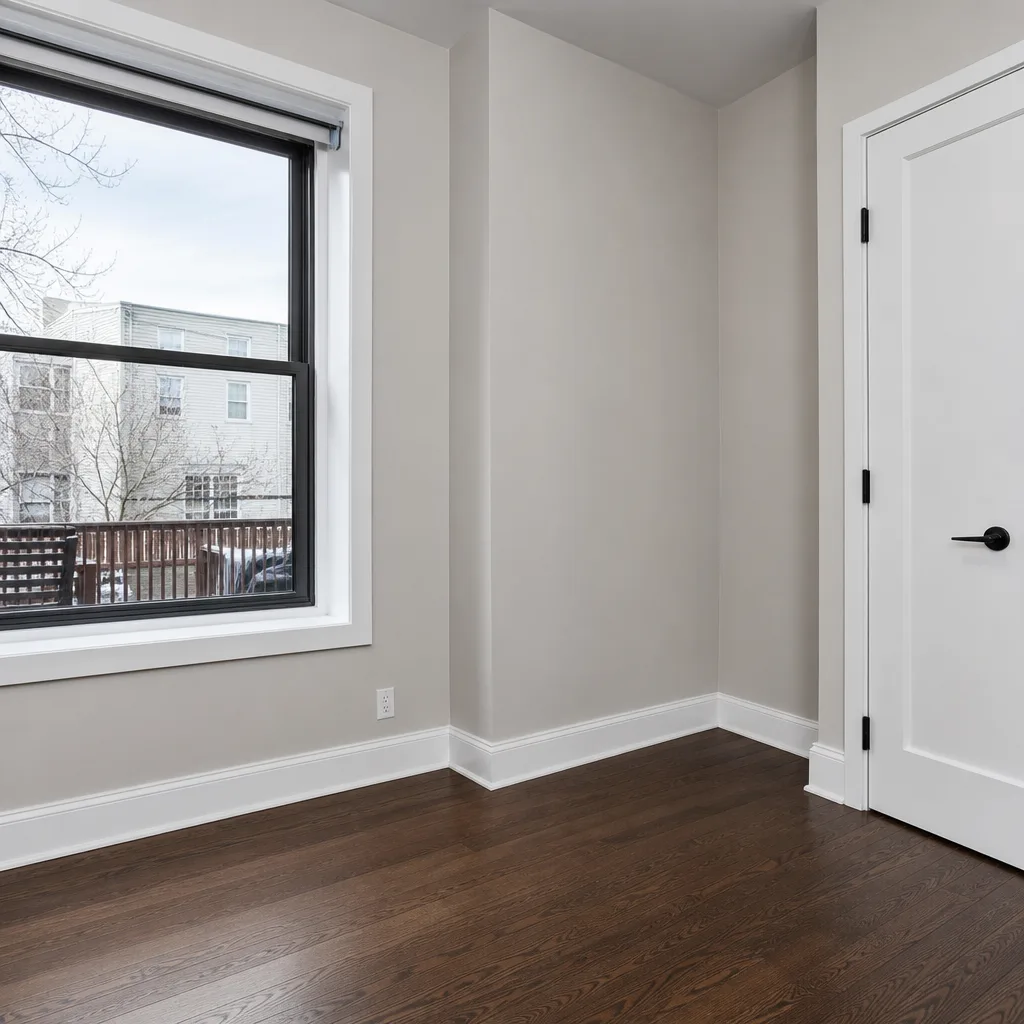 After
After24/7 Emergency Sewage Cleanup in Glendale
When sewage backs up into a Glendale basement, the clock starts before you even see the water. We answer live at (363) 208-1526, any hour, and Wade heads out fast because Category 3 water doesn’t wait for business hours. The first hour determines whether you’re dealing with a contained sanitary cleanup or a full gut-and-replace job that crosses into your neighbor’s half of the shared party wall. Call now and we’ll have a crew on the road into Glendale while you’re still standing in the water.
Raw sewage carries bacteria, viruses, and parasites. Every minute it sits in a finished basement off Myrtle Avenue or Cooper Avenue, it’s wicking into drywall, soaking into floor joists, and getting pulled into wall cavities by your dehumidifier if you make the mistake of running one before containment is set. We’ll walk the property with you for free, tell you what’s actually salvageable, and give you a straight number before any work starts.
Understanding Sewage Cleanup Severity in Glendale Properties
Not every backup is created equal, and Glendale’s housing stock makes the distinction matter more than it does in newer subdivisions. We classify water by contamination level. Category 1 is clean water from a supply line. Category 2 carries significant contamination, think washing machine overflow. Category 3 is sewage: feces, pathogens, and the full biohazard load. Most Glendale backups we respond to are Category 3 by the time we arrive, because the neighborhood’s pre-war cast-iron drain stacks and floor drains have been handling 80 to 100 years of use.
Here’s the part that catches people off guard: in a detached house, sewage damage is confined to your own slab. In Glendale’s attached brick row houses, built mostly between 1910 and 1940, you share a continuous basement slab and true masonry party walls with the family next door. Category 3 water doesn’t stop at the property line. It migrates through the brick, under the slab, and into the neighbor’s plaster-over-lath walls. One unit’s clog becomes two or three households’ remediation, and that changes everything about scope, cost, and who files a claim.
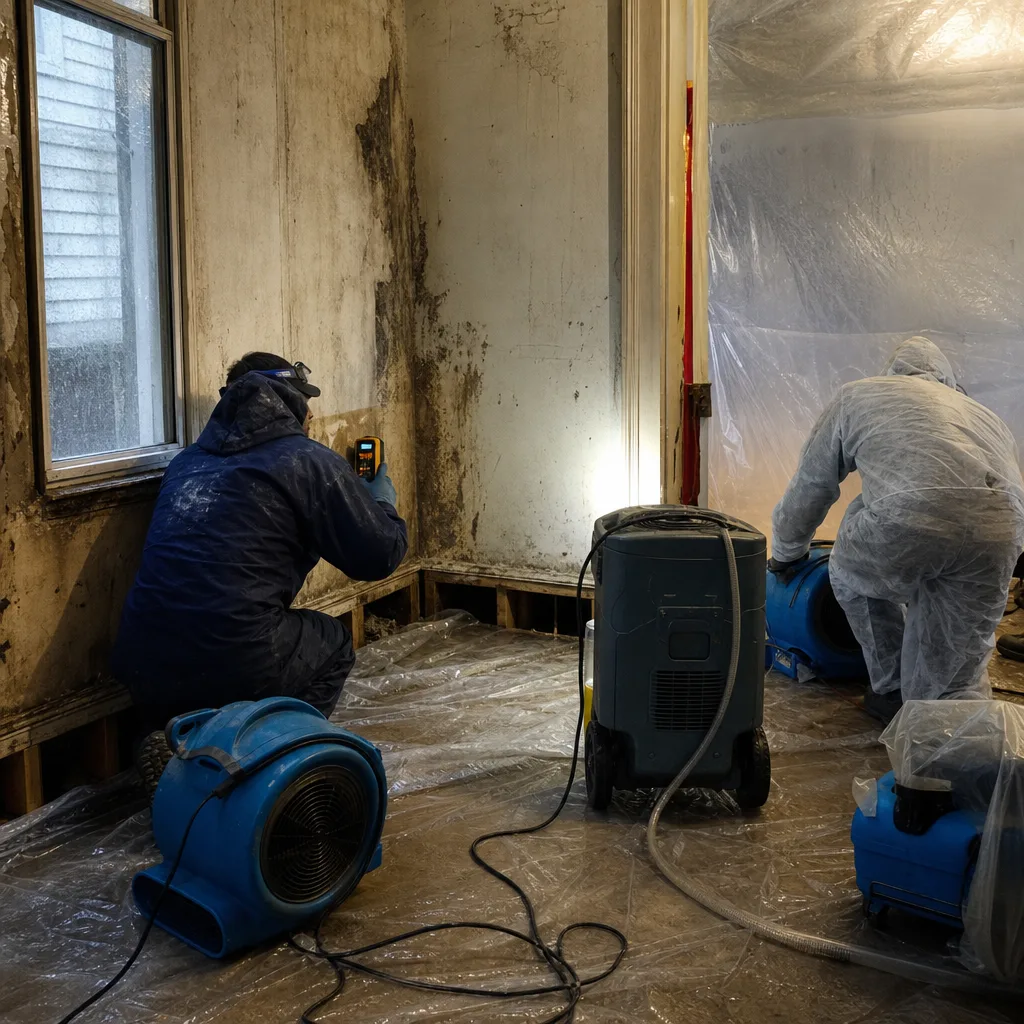
We use moisture meters and thermal imaging to find contaminated water that hasn’t surfaced yet. Because once it’s in the wall cavity between two row house units, drying it becomes a coordination problem, not just an equipment problem.
Why Glendale Property Owners Choose Wade’s Restoration
- Live answer, real person, every time. You call, you get Wade or someone on his crew. Not a call center, not an automated tree. At 2 a.m. you don’t have patience for a menu.
- On-site fast, Glendale-tuned routes. We know Myrtle, Cooper, and 73rd Place. We know which blocks have alley access and which need to walk gear through a neighbor’s gate. That local knowledge shaves real time off a sewage job.
- IICRC-certified crews, WRT and ASD trained. Our people carry IICRC certification in water restoration and applied structural drying. We’re RIA-affiliated and IFA-recognized. The certifications aren’t wall decorations; they mean we follow standard protocols for Category 3 decontamination.
- Free visual inspection, straight scope. We don’t charge to look. We tell you what needs tearing out, what can be cleaned, and what it costs. In writing, before we start.
- Direct insurance billing and adjuster coordination. Wade talks to your adjuster so you don’t have to play telephone between two parties who speak different languages. We hand you the documentation; we send it to your carrier too.
- One crew from extraction to reconstruction. The same people who pump out the sewage are the ones who hang the new drywall. No handoffs, no finger-pointing if something isn’t right.
Our Sewage Cleanup Process
Inspection & Assessment
We find the source first. In Glendale row houses, that’s often a failed floor drain, a cracked cast-iron stack, or a combined sewer surcharge. We map the water’s path with moisture meters and check both sides of the party wall.
Extraction & Stabilization
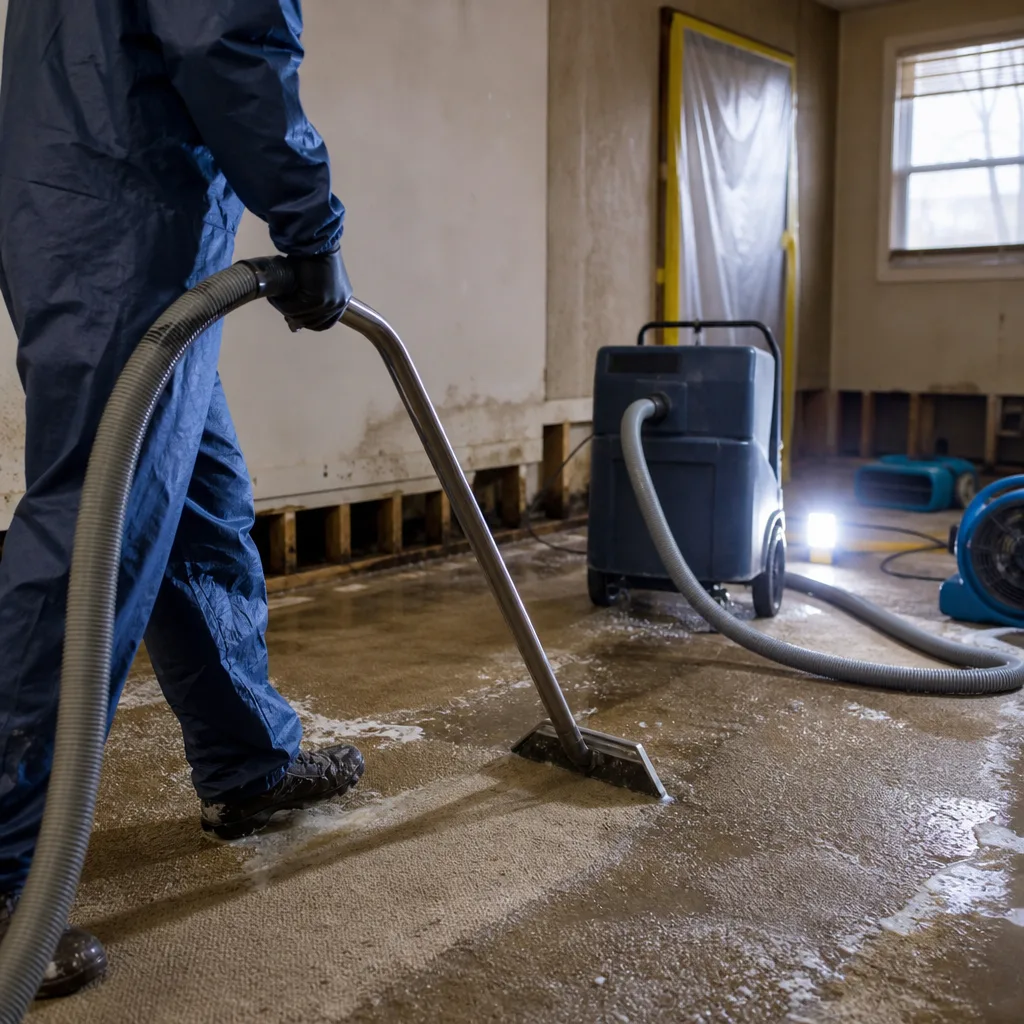
Standing sewage comes out fast with truck-mounted extractors and submersible pumps. We’ll remove saturated materials that can’t be saved: carpet, pad, trim, the bottom foot of drywall. Then we set containment so contaminated air doesn’t move through the house.
Drying & Dehumidification
Dri-Eaz dehumidifiers and XPOWER air movers go in after the contaminated water is gone, not before. Running air movement through raw sewage aerosolizes pathogens. We contain, extract, treat, then dry. It’s a sequence, not a suggestion.
Cleaning & Sanitization
Every surface that came into contact with Category 3 water gets cleaned, disinfected, and treated with antimicrobial. That includes the concrete slab, wall cavities, and any contents we’ve determined are salvageable.
Structural Drying & Documentation
We run drying logs daily and check the party wall repeatedly. If moisture has moved into the neighbor’s side, we document it, photograph it, and coordinate with their insurer. This is the step that saves Glendale homeowners from a lawsuit or a denied claim later.
Repairs & Restoration
New drywall, new flooring, new trim, paint. We’ll bring the basement back to the shape it was in before the sewage showed up. And if something isn’t done right, the 90-Day Done Right Promise means Wade comes back.
Need Emergency Sewage Cleanup in Glendale Now?
Crews minutes away, answering live 24 hours a day. The sooner we start, the less it costs.
Working With Your Insurance Company
Sewage cleanup claims in Glendale get tangled fast, especially when a backup crosses into the unit next door. Your policy may cover sewage backup, or it may have an exclusion you didn’t know about. Your neighbor’s policy matters too, because the water doesn’t care whose name is on the deed. We document from the first hour: photos before anything moves, moisture readings at the source and at the party wall, a line-item scope with exact equipment and materials. Wade deals with your adjuster directly. You get a copy of everything we send them, because it’s your claim and you should see every page.
What We Provide Your Insurer
- Thorough documentation of the loss
- Photos of all damage, room by room
- Moisture readings and drying logs
- A detailed, line-item scope of work
- Direct coordination with your carrier
Built for Glendale’s Loss Calendar
Glendale’s sewage problems follow a seasonal rhythm, and knowing it helps you know when to be careful. Late summer and early fall are the dangerous months. When heavy rain hits, New York City’s combined sewer system, the same network of pipes Glendale has been relying on for decades, gets overwhelmed. The same pipes that carry stormwater carry sewage. When they can’t handle the volume, the system surcharges and pushes raw sewage back up through floor drains. That’s exactly what happened in parts of Queens during the remnants of Ida in 2021, and every Glendale homeowner with a finished basement should know the pattern.
Winter brings a different problem: freezing temperatures on aging cast-iron and galvanized supply lines. When a pipe cracks, clean water floods the basement. If the floor drain is already compromised, which it usually is in a pre-war row house, that clean water meets the sewage sitting in the trap and becomes a Category 3 job anyway. Spring thaw compounds it, and summer thunderstorms can roll in fast enough to overwhelm street-level drains near the northern edge of the neighborhood where the grade slopes toward Cooper Avenue.
The takeaway: in Glendale, a sewage backup is rarely a one-off plumbing accident. It’s a weather event, a century-old infrastructure problem, or both at once.
Sewage Cleanup Across Glendale’s Neighborhoods
Glendale isn’t one big grid; it’s a patchwork of blocks with different building ages, different drainage quirks, and different access problems. Around Myrtle Avenue, the commercial corridor runs through the heart of the neighborhood, and the row houses behind it tend to be the oldest stock. We see more original cast-iron stacks there, and more backups tied to root intrusion in the sewer laterals that run toward the street. Along 73rd Street and 73rd Place heading north, the two-family attached homes often share a single combined drain line, which means a blockage in one unit’s stack can push sewage up into the neighbor’s floor drain within minutes.
Over near Forest Park, the blocks are quieter but the finished basements are just as common, and the clay soil that holds water after a heavy rain means hydrostatic pressure against foundation walls. That pressure finds its way into weep holes and old floor drains, and suddenly the basement smells like a sewer on a humid night. The blocks between Cooper Avenue and Central Avenue, many built in the 1920s and 1930s, have continuous slab foundations and shared basement walls that make lateral moisture migration a given. If your neighbor two doors down has a backup, your plaster is already at risk.
And the homes near the Atlas Park area, mixed older stock with some mid-century construction, can have drainage lines that were patched and repaired in different eras with different materials. We’ve pulled roots, cracked clay pipe, and a surprising number of old rags out of Glendale sewer lines. The point is: every block has its own failure pattern, and we’ve seen most of them.
Crawl Space Sewage Removal in Glendale
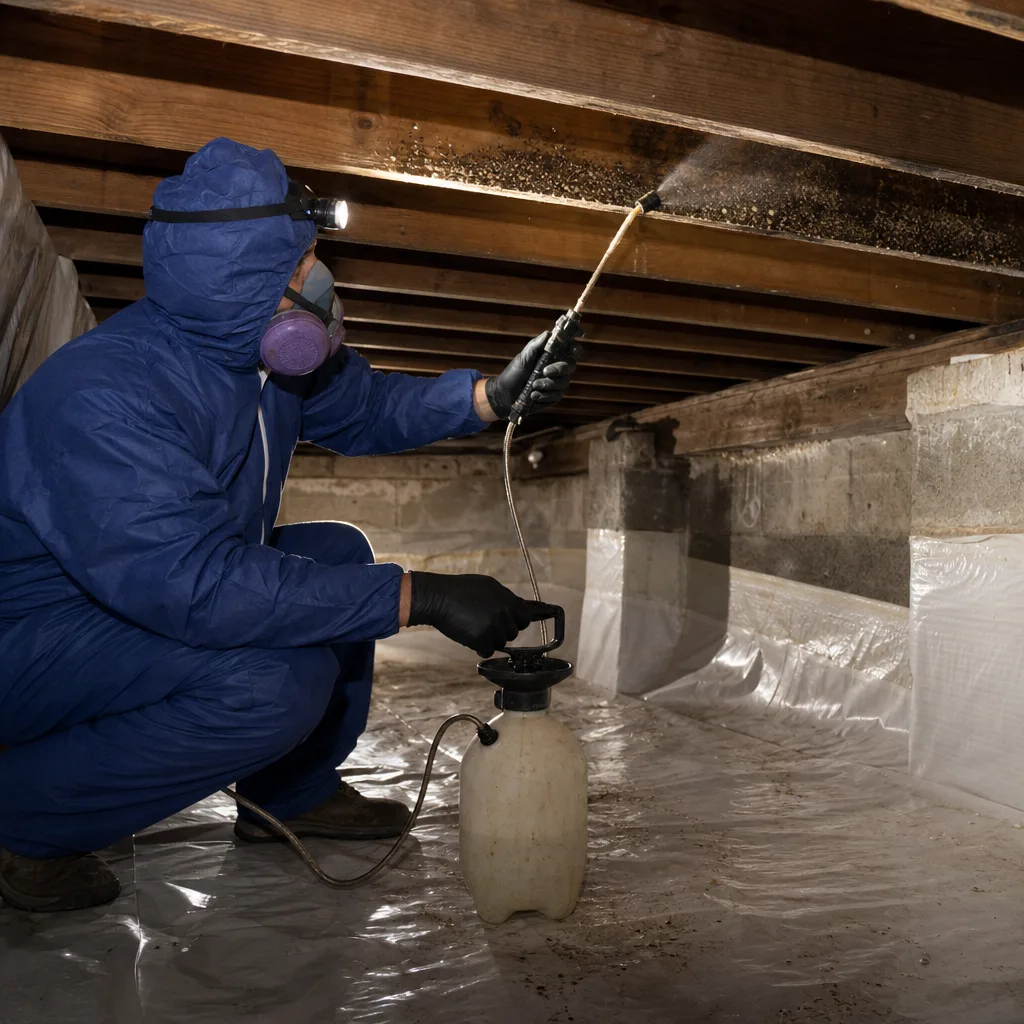
A surprising number of Glendale row houses have shallow crawl spaces under a portion of the first floor, not full slabs. When a sewage line breaks under one of these, the contaminated water sits in a dark, low space where it’s easy to miss until the smell gets into the living areas. Removing sewage from a Glendale crawl space means working in tight clearance, often 18 to 24 inches, with full PPE, negative air pressure, and discharge hoses run out through a window or a narrow side alley.
We’ll extract what we can reach, then determine whether the contaminated soil needs excavation or whether the area can be treated and sealed. Because the crawl spaces under attached units are frequently connected, or nearly connected, the same party-wall rule applies: what starts under your floor may already be under your neighbor’s.
Specialized Sewage Cleanup Services We Offer in Glendale
Sewage Backup Cleanup
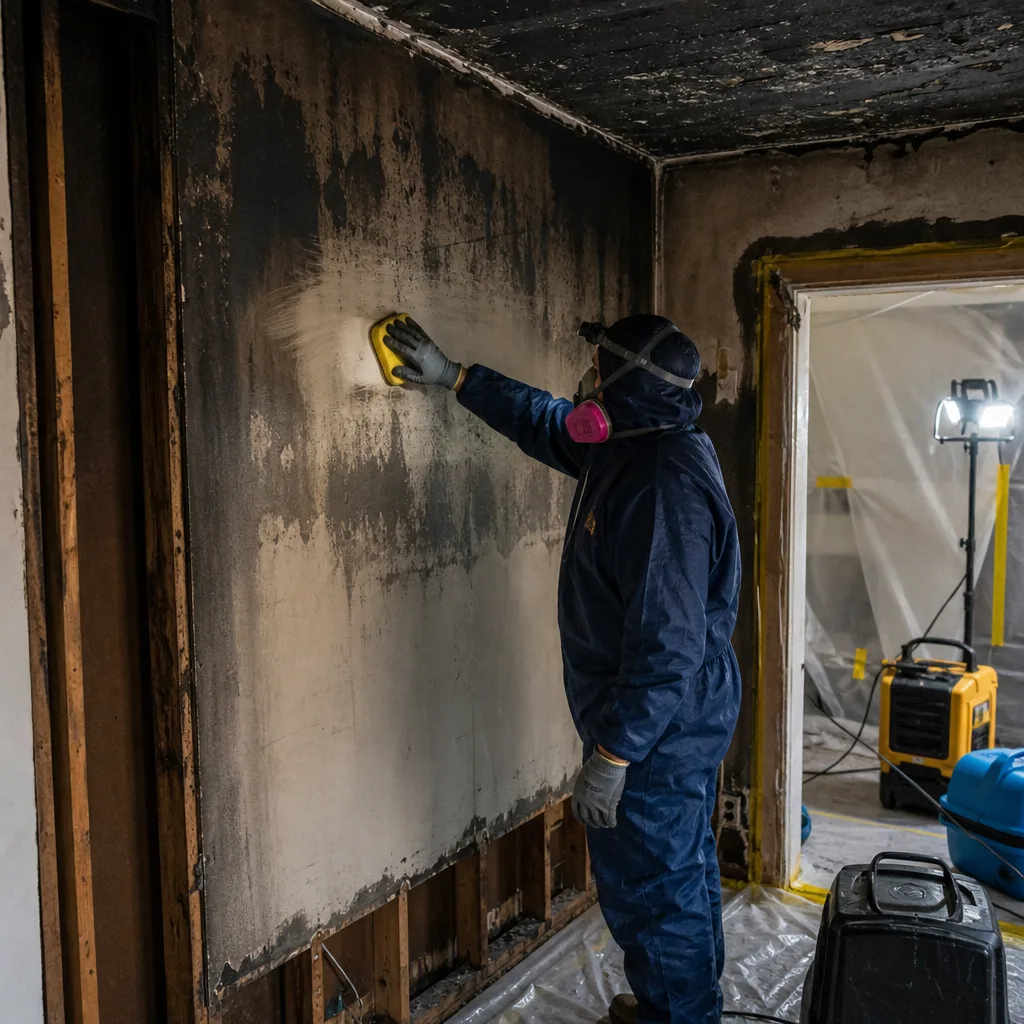
When a floor drain in a finished Glendale basement starts spitting up water, you need the water extracted and the contamination treated before it soaks into drywall and under laminate flooring. We handle the full response: containment, extraction, disinfection, and drying, with daily moisture logs you can read yourself.
Toilet Overflow Cleanup
A toilet overflow in a third-floor bathroom of a Glendale row house works its way down through ceiling cavities and wall chases, often surfacing in the finished basement or the unit next door. We trace the full path of the water, not just the visible puddle, because chases in pre-war homes are often open channels between floors.
Black Water Extraction
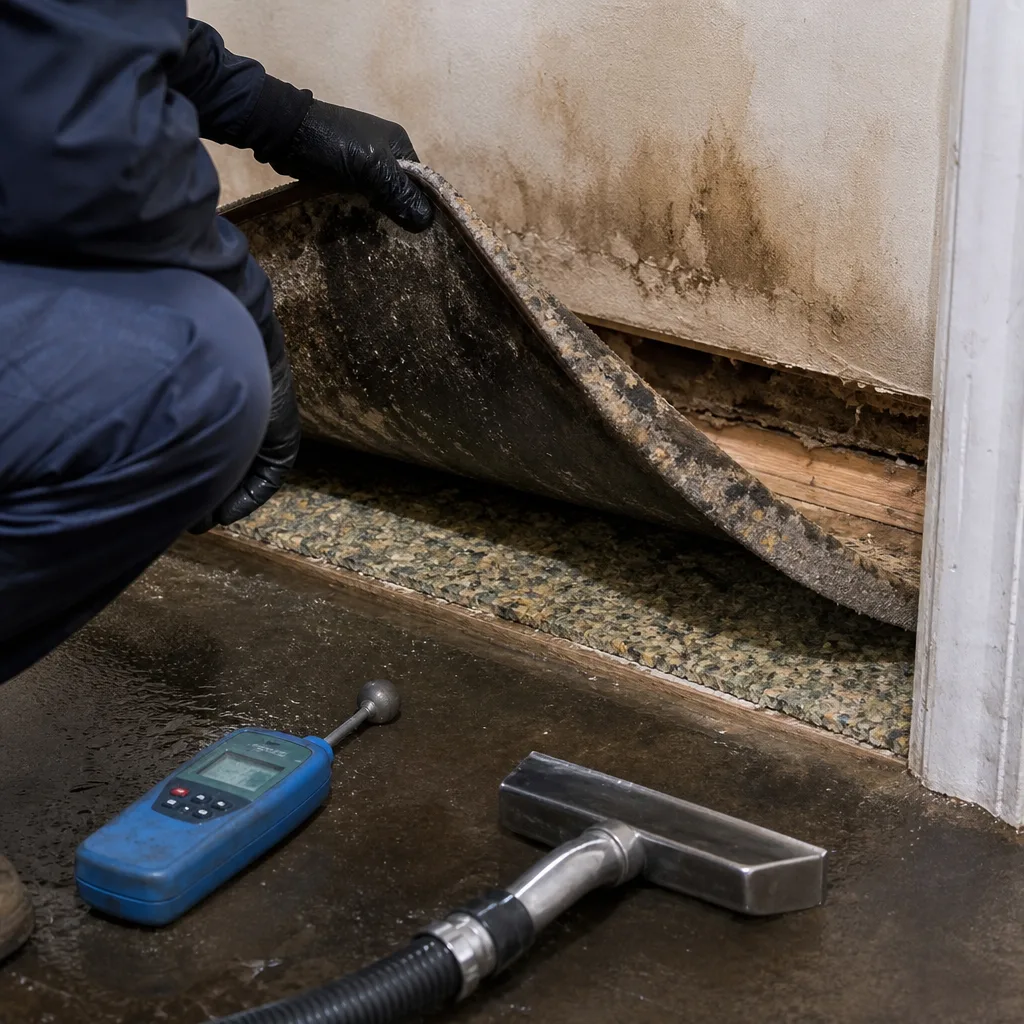
Black water is sewage, and removing it safely means more than a wet vac. Our crews set containment first, extract with anti-microbial protocols in place, and treat every surface the water contacted. We use EPA-registered disinfectants, and we’ll tell you exactly what we applied and where.
Sanitization & Disinfection
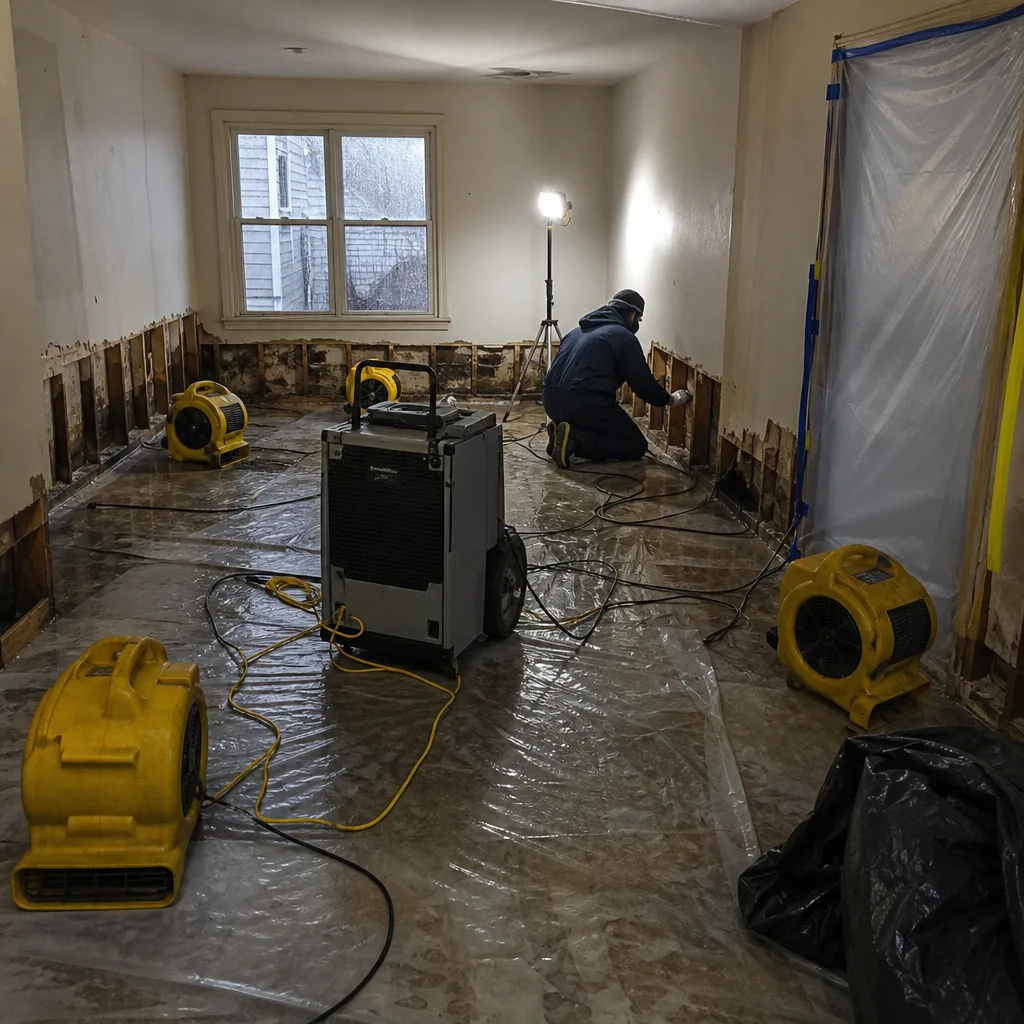
After the standing sewage is gone, the real work begins. Contaminated porous materials come out. Remaining hard surfaces get cleaned, disinfected, and dried. The air itself gets scrubbed in containment. This is the step that determines whether your basement smells like fresh drywall next month or like a sewer every time it rains.
Septic Failure Cleanup
Most of Glendale is on the city sewer, but a handful of older properties still have tie-ins or abandoned septic systems that fail during wet weather. We’ll identify whether the backup is coming from a city surcharge, a private lateral blockage, or a failing system, then recommend the right cleanup and repair path. You’ll get a straight answer, not a sales pitch.
What happens when you call
- 1
A real person answersNo phone trees - you reach a local pro.
- 2
You get an upfront price rangeHonest numbers before anyone is dispatched.
- 3
A background-checked tech heads outLicensed & insured, dispatched right away.
- 4
You approve before work beginsNothing starts until you say go.
Sewage Cleanup Costs in Glendale, NY
Glendale pricing for sewage cleanup runs a wide range because the job depends on how far the water traveled and how long it sat. A small containment and extraction, where the backup was caught within the hour and water stayed in an unfinished section, typically runs $1,200 to $2,800. A finished basement where Category 3 water soaked carpet, pad, drywall, and lower wall cavities before we arrived, that’s more like $4,500 to $9,500 once you factor in tear-out, disposal, drying, antimicrobial treatment, and basic rebuild. A multi-unit job where sewage crosses a party wall and we’re coordinating with a neighbor’s carrier can push past $15,000.
Insurance covers sewage backup on many Glendale homeowners’ policies, but not all. The difference is usually an endorsement or a rider; if you don’t have it, ask your agent. If you’re paying out of pocket, we’ll give you a line-item number before we start, and we’ll only do the work you approve. The best path is the free visual inspection: we’ll tell you what’s actually wrong and what it actually costs to fix, with no obligation and no trip charge in the county. Call (363) 208-1526 to schedule.
We Also Serve Cities Near Glendale
Wade’s crews cover Glendale and the surrounding communities every day, from the attached row houses of Glendale proper out through Sewage Cleanup in Astoria, the high-rise and pre-war stock around Financial District and Lower Manhattan, and the mixed residential blocks of Flushing. Same live answer, same fast response, same team.
Serving Glendale, NY - Our Local Coverage Area
We’re based in the Glendale area and know this community well. Use the map below to see our service coverage - if you’re nearby, we can almost certainly help.
Glendale Sewage Cleanup Questions, Answered
Why do sewage backups in Glendale row houses so often involve the neighbor’s unit?
Because attached brick row houses in Glendale share true masonry party walls and continuous basement slabs. Category 3 sewage water doesn’t stop at a property line; it wicks through brick and under the slab into the adjacent unit’s plaster and flooring. That’s why we check both sides of the party wall on every sewage job here and coordinate documentation with the neighbor’s insurer when needed.
What makes Glendale’s finished basements more vulnerable to sewage overflows?
Glendale’s basements are almost all finished living spaces in homes built 80 to 110 years ago, with original cast-iron floor drains and combined sewer connections. When a heavy rain surcharges the city system, sewage backs up through those old drains into carpet, drywall, and furniture. The same storm in a newer neighborhood with separated sewers wouldn’t cause that kind of backup.
How do you handle a sewage backup in an attached brick row house without putting neighbors at risk?
We set containment before anything else, seal off the affected area, and run negative air so contaminated aerosol doesn’t move into shared wall cavities or the neighbor’s unit. Then we extract, treat with antimicrobial, and monitor the party wall’s moisture levels daily. If readings show migration, we document everything and coordinate with the adjacent owner’s insurer before structural drying begins.
Can you dry out a Glendale basement after a sewage backup, or does everything have to be removed?
Some of it can be dried and saved, but porous materials that absorbed Category 3 water, meaning carpet, pad, lower drywall, and insulated wall cavities, usually need to come out. Hard surfaces like concrete and tile can be cleaned, disinfected, and dried in place. We’ll walk you through what’s salvageable before we remove anything.
Why is documentation so critical for sewage cleanup in Glendale’s attached homes?
Because a sewage backup that crosses a party wall becomes a two-party, sometimes three-party insurance event. If we don’t document moisture migration and contamination on your neighbor’s side at the time, your carrier can point to a gap in the record and the neighbor’s carrier can claim it’s not their problem. Good documentation prevents that fight before it starts.
How fast can you actually get to a sewage backup in Glendale?
We answer live at (363) 208-1526 and typically have a crew on site in Glendale within 45 minutes to an hour. Wade’s been running restoration in Queens long enough to know the fast routes and the tight alleys. The sooner we get containment set, the less contaminated material you lose.
Will insurance cover sewage cleanup in Glendale?
Depends on your policy. Many standard homeowners policies exclude sewage backup unless you’ve added a specific endorsement. If you don’t have it, you’re paying out of pocket. We’ll review your policy’s language with you, and if there’s uncertainty, we’ll help you talk to your adjuster. Direct billing is available when coverage applies.
What should I do in the first 30 minutes after a sewage backup in Glendale?
Get people and pets out of the standing water, turn off electricity to the affected area at the breaker if you can do so safely, and don’t run fans or vacuums, since they aerosolize pathogens. Then call (363) 208-1526. Don’t try to snake the drain yourself. Every minute the sewage sits, it’s moving deeper into walls and under the slab.
We’ve cleaned sewage out of Glendale basements off Cooper Avenue, behind the shops on Myrtle, and in two-family row houses where the neighbor didn’t know they had a problem until we found it. If you’re looking at black water in your basement or smelling it through the vents, call Wade’s Restoration at (363) 208-1526. Wade or one of his crew will answer, tell you what to do in the next ten minutes, and head your way. Estimates are free, the inspection is free, and if you’re a senior or a veteran, ask about the discount before we write anything down.
Written by Wade Ferris, Owner at Wade’s Restoration, providing sewage cleanup and water damage restoration to Glendale and surrounding Queens neighborhoods since 2007.