
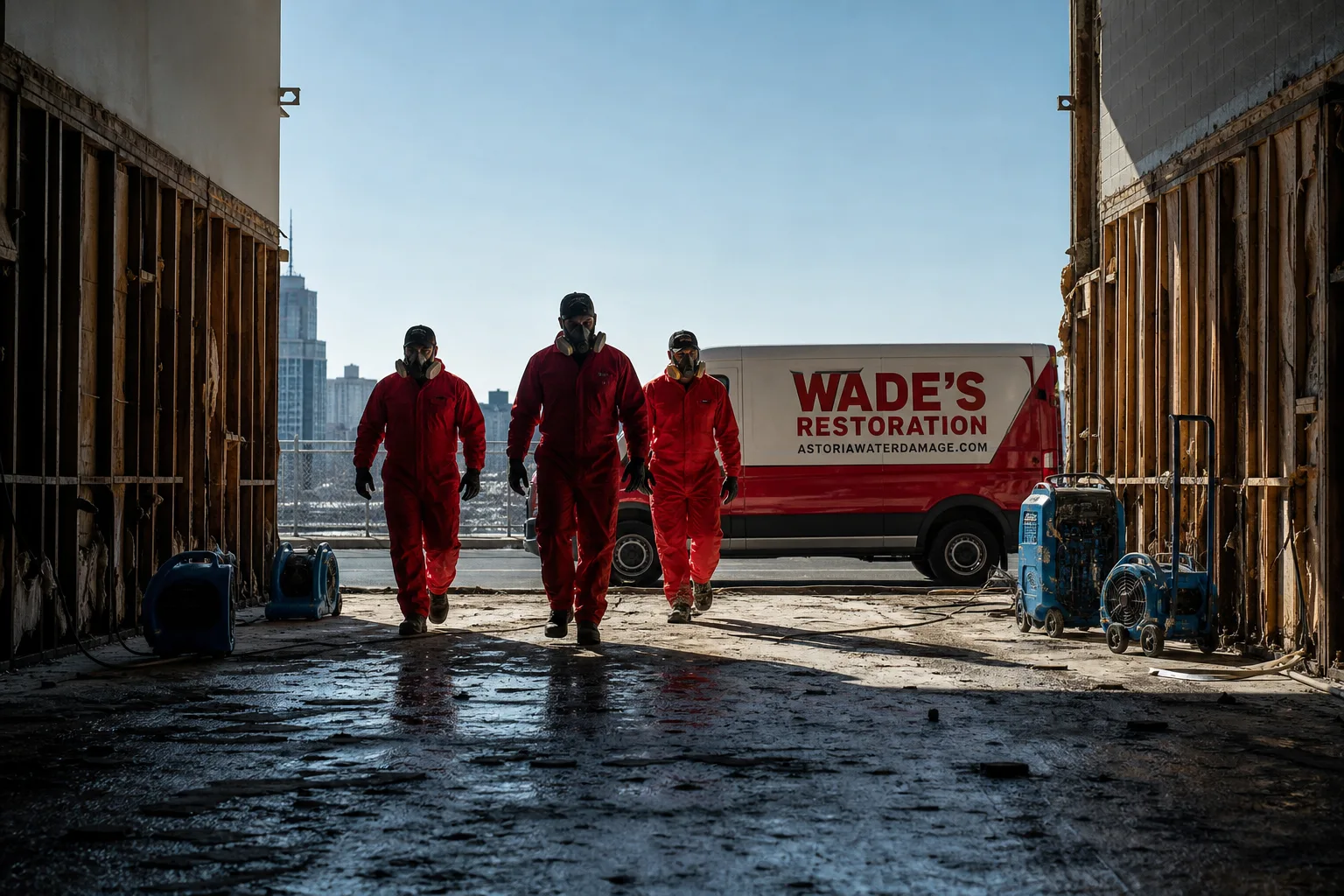
Free visual inspection and a written scope of work before any mitigation begins - photos, moisture readings, and drying logs go in your claim file
The scope we write is the scope we bill. Anything new gets shown to you, in writing, before we touch it.
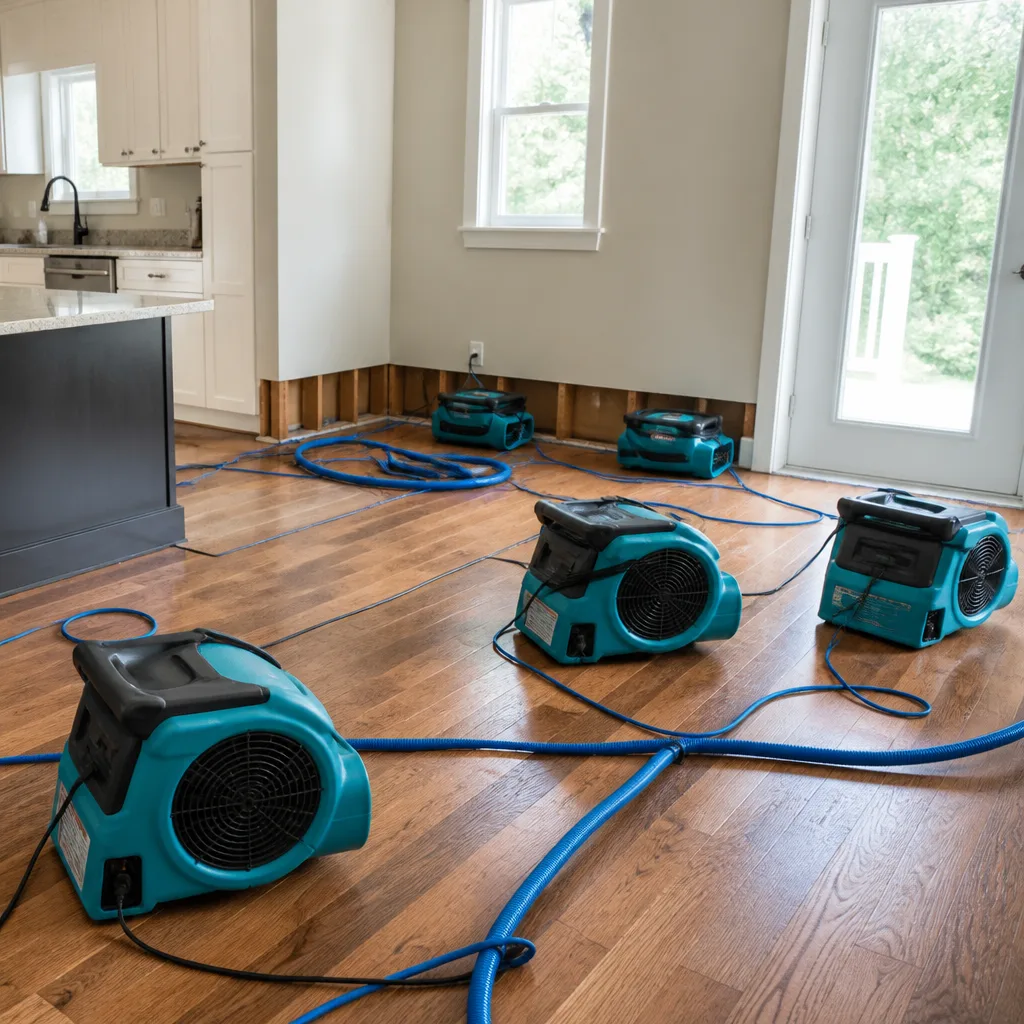
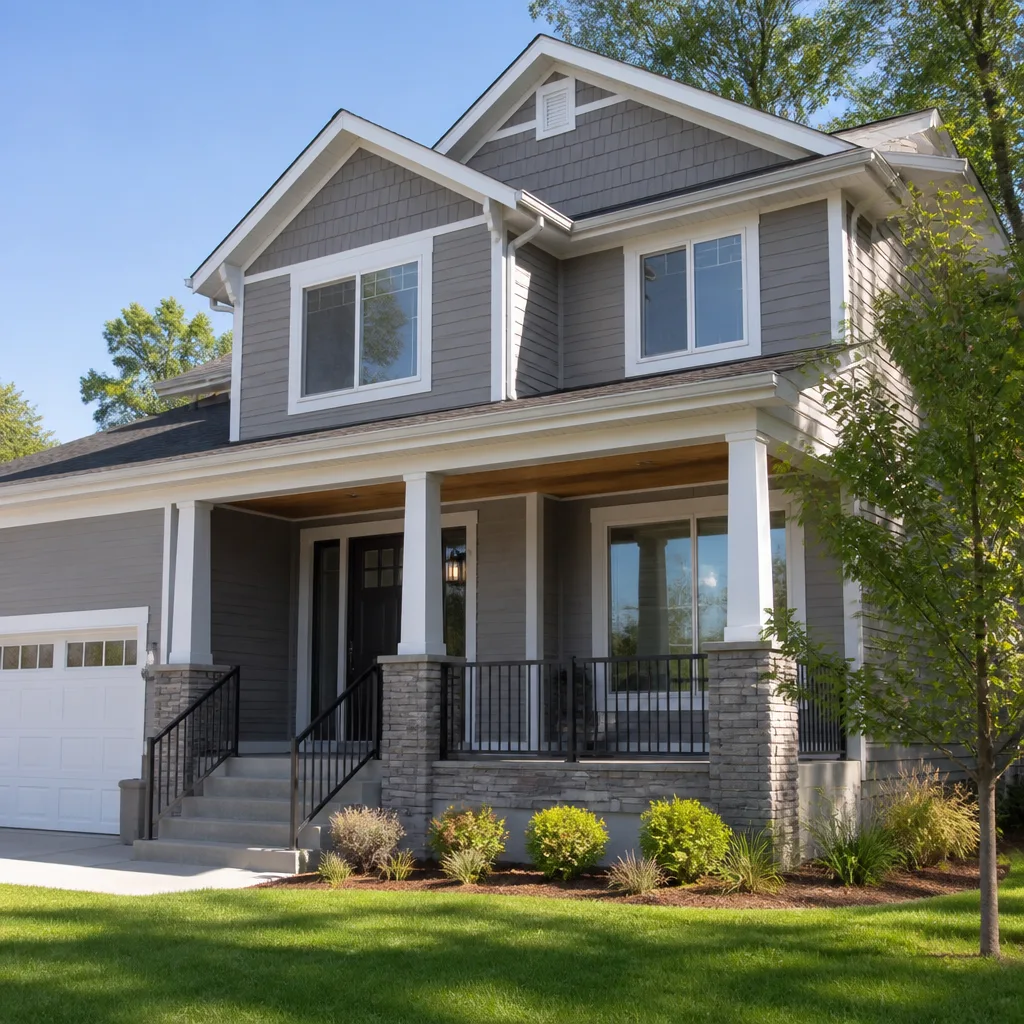
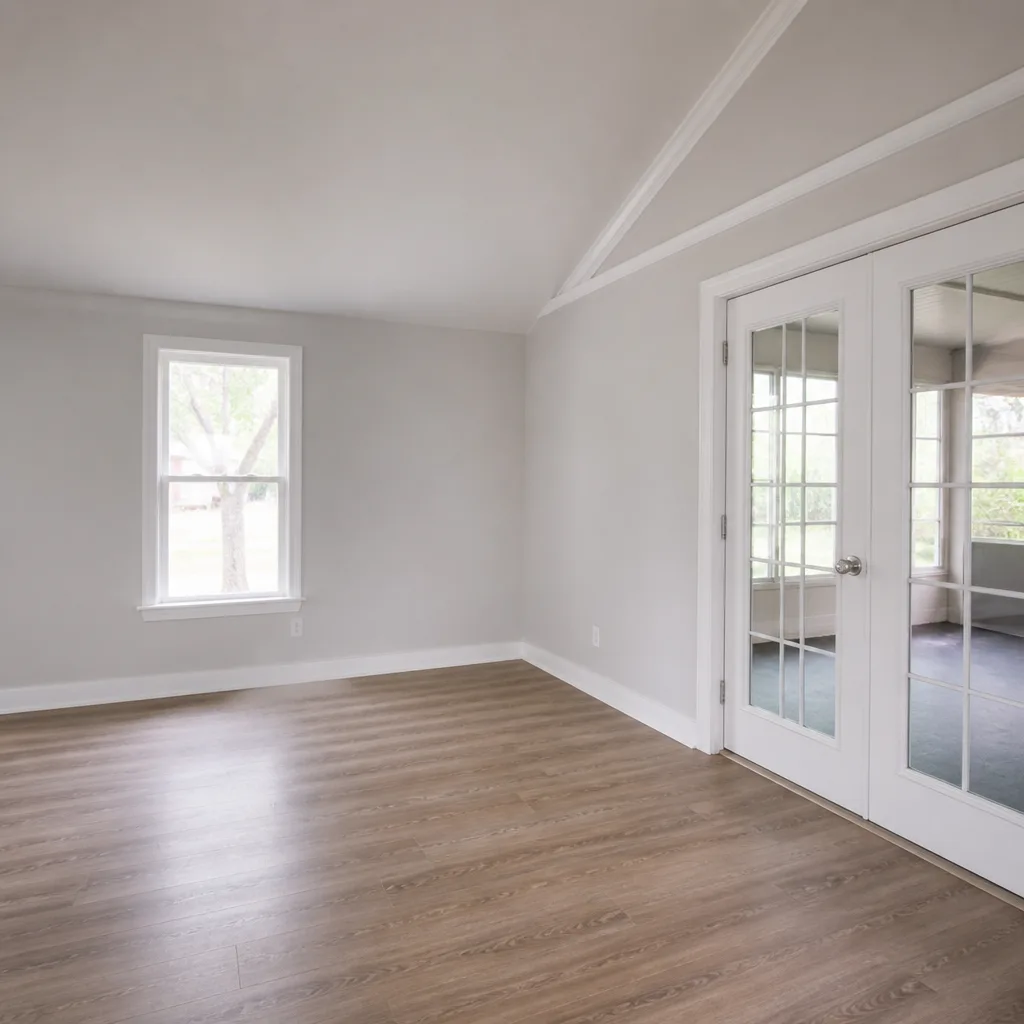
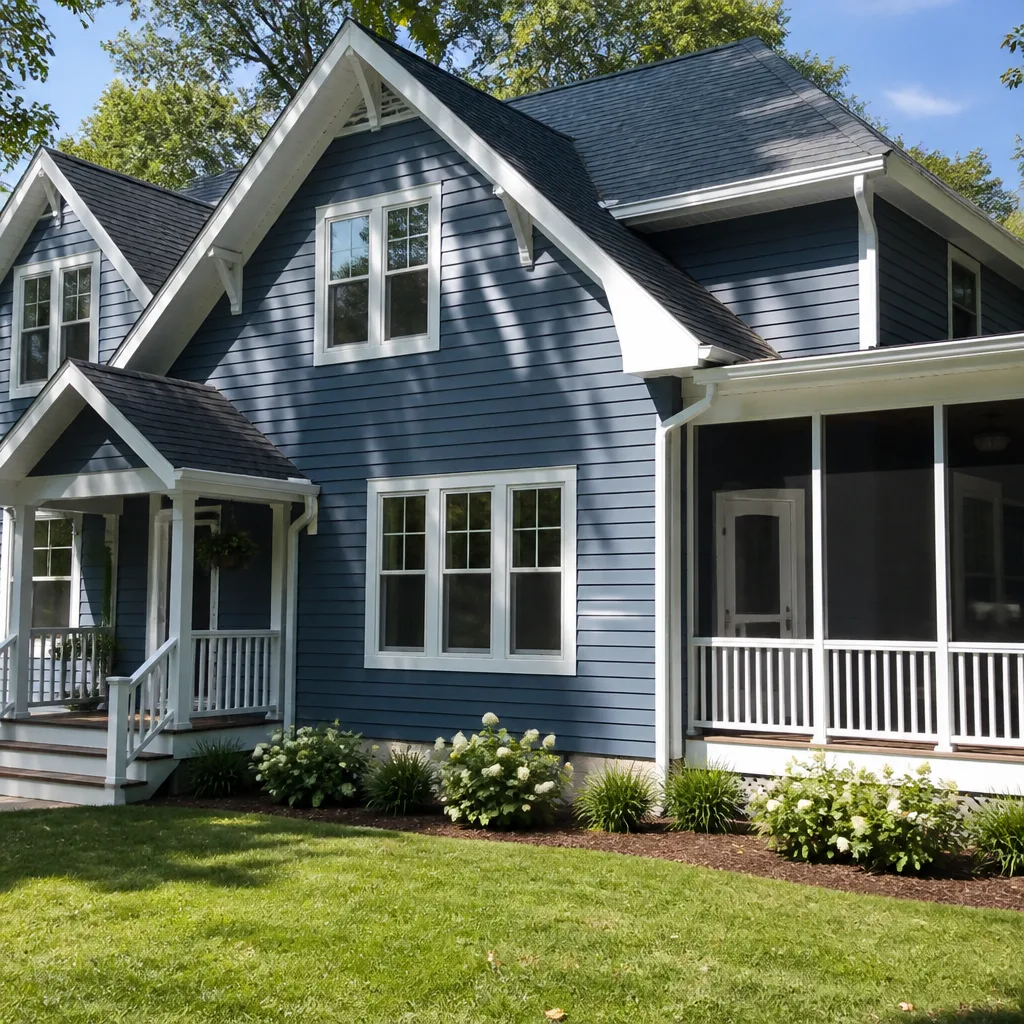
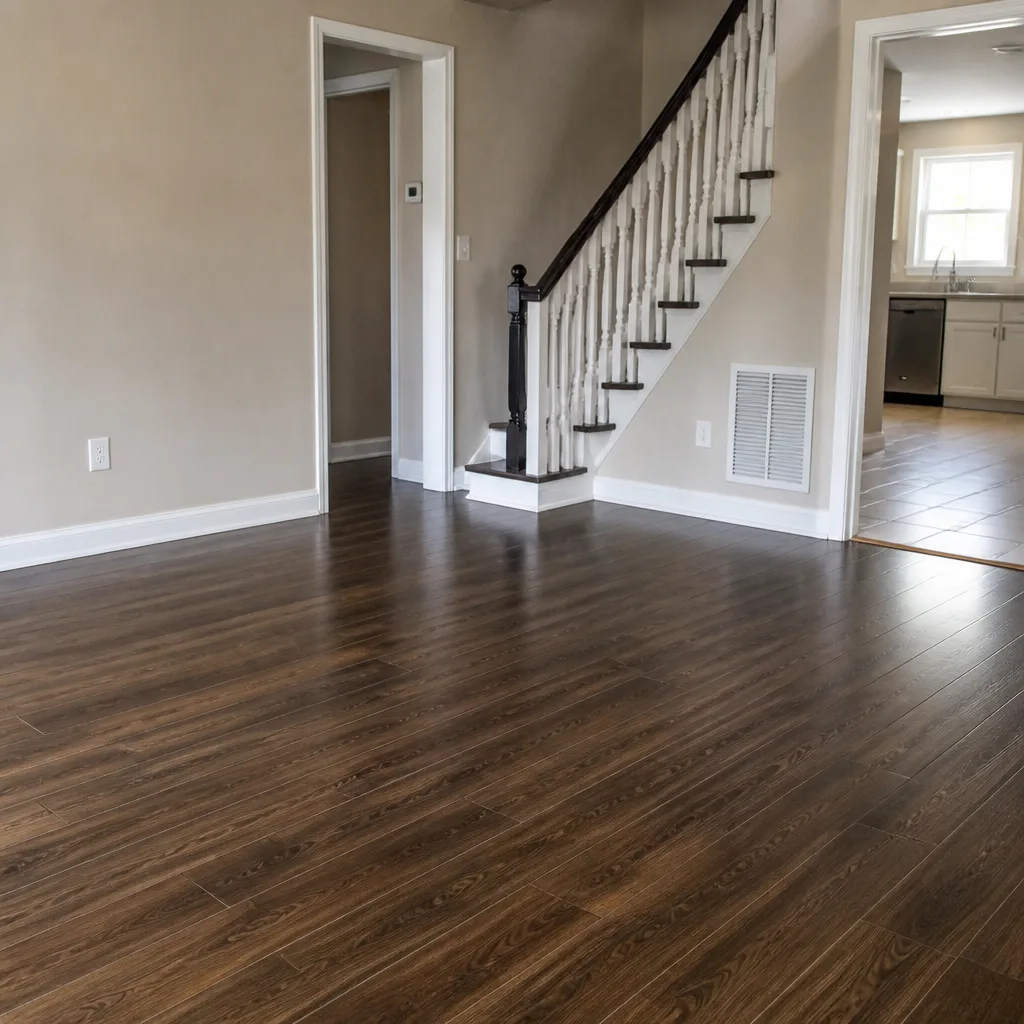
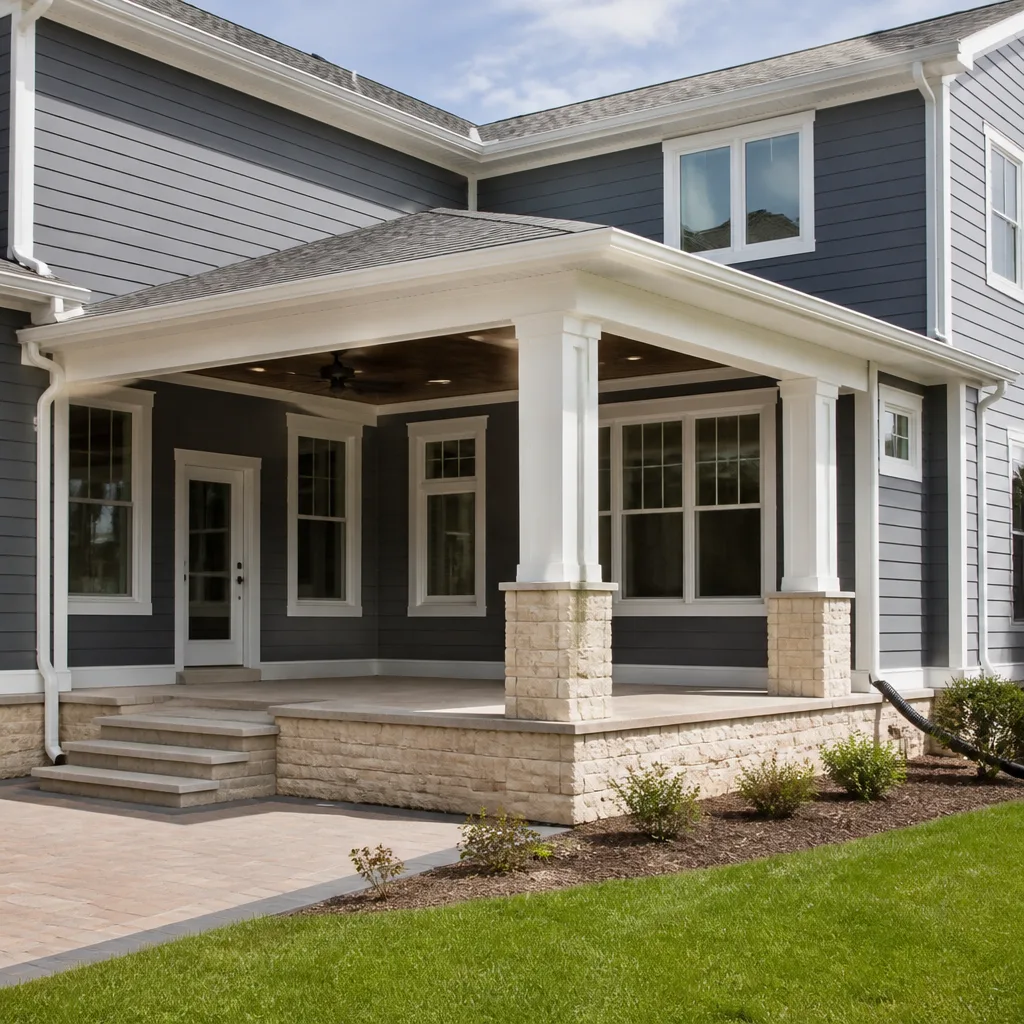
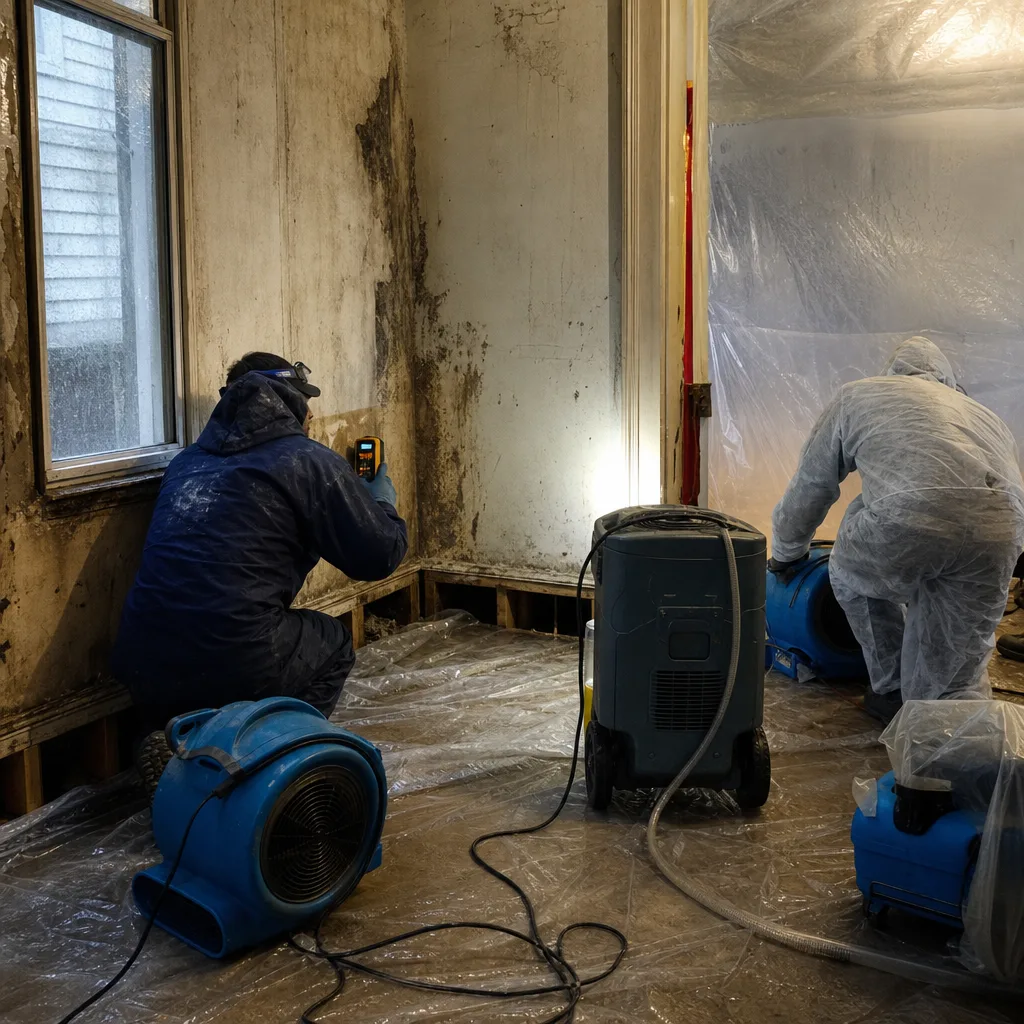 Before
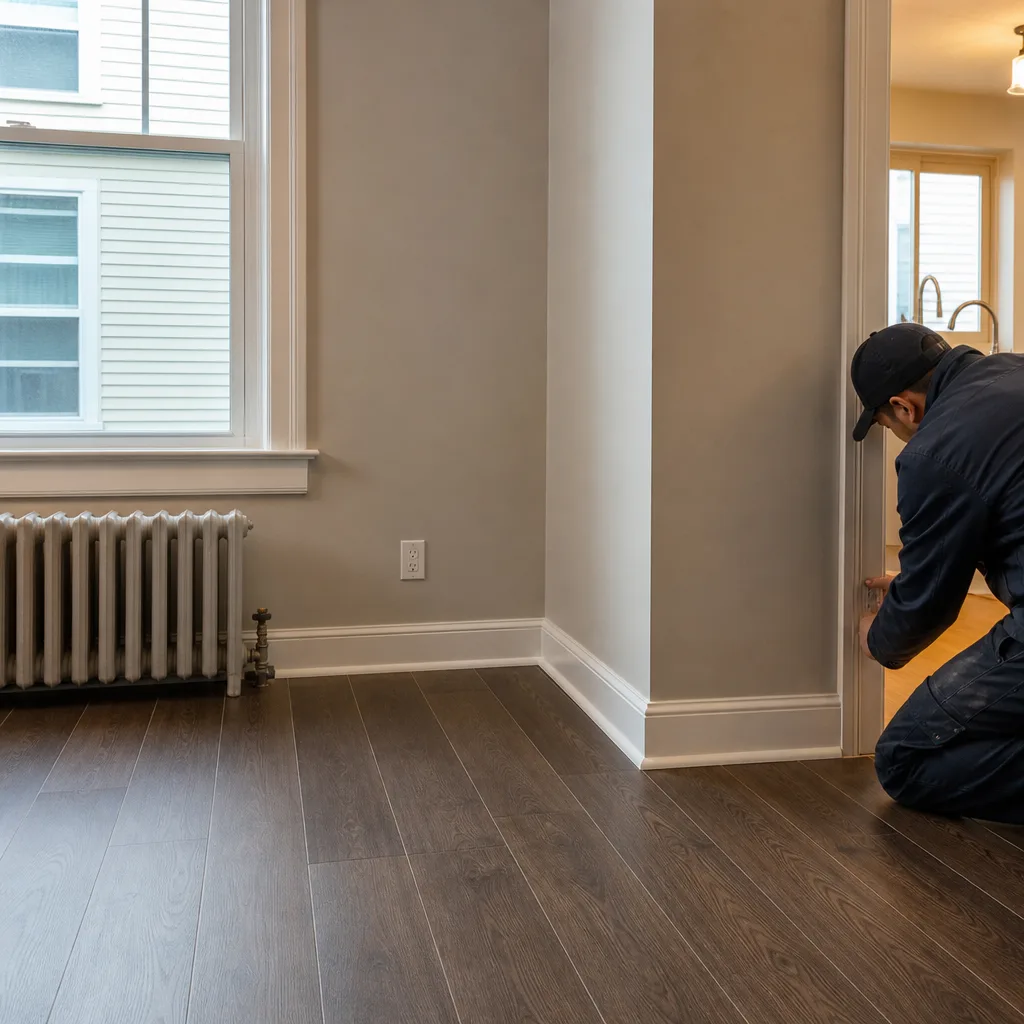 After
After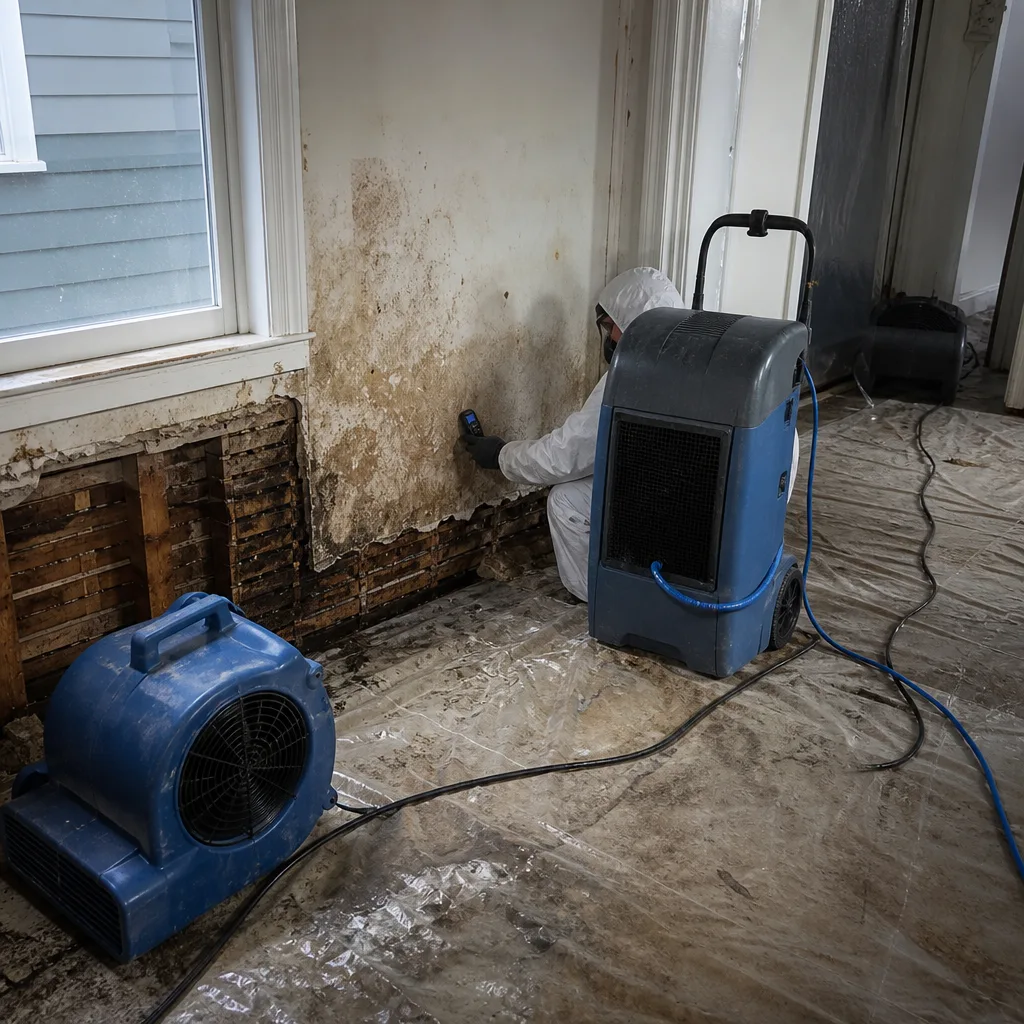 Before
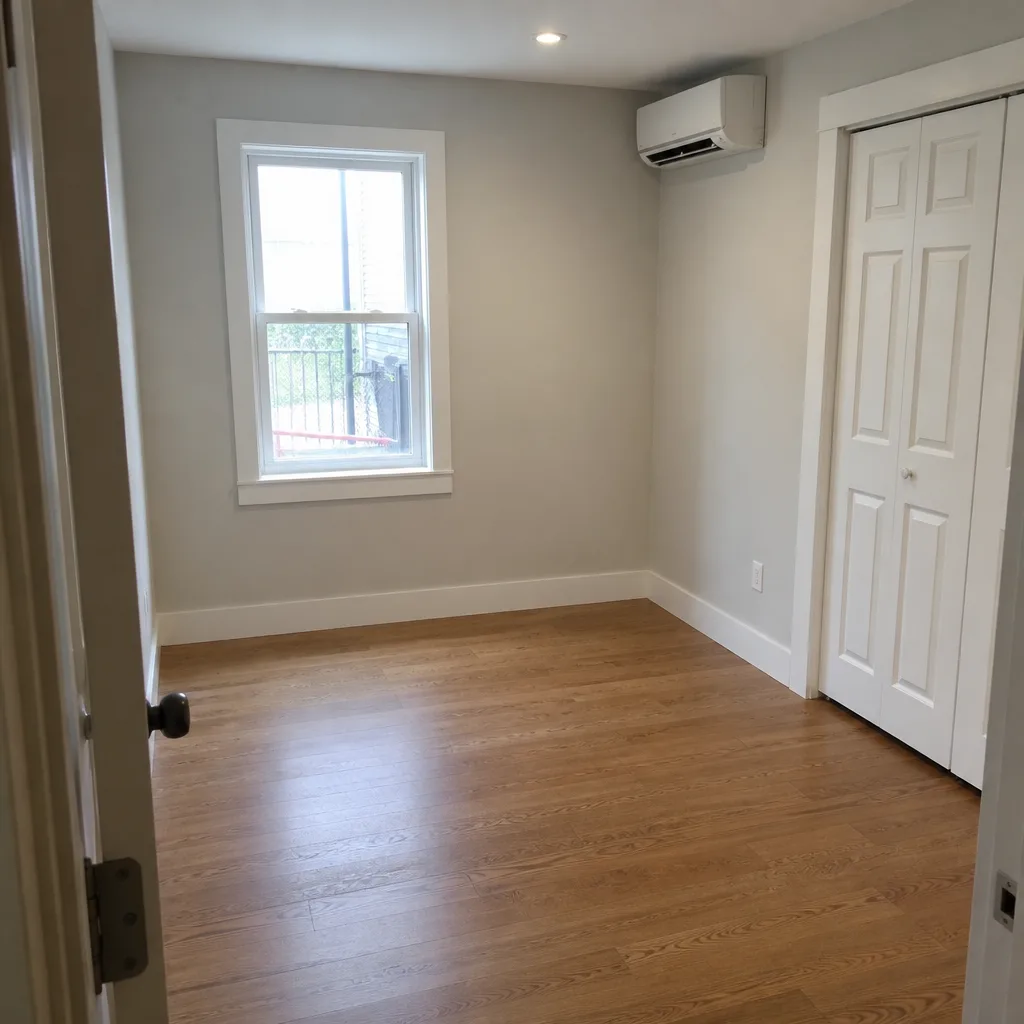 After
After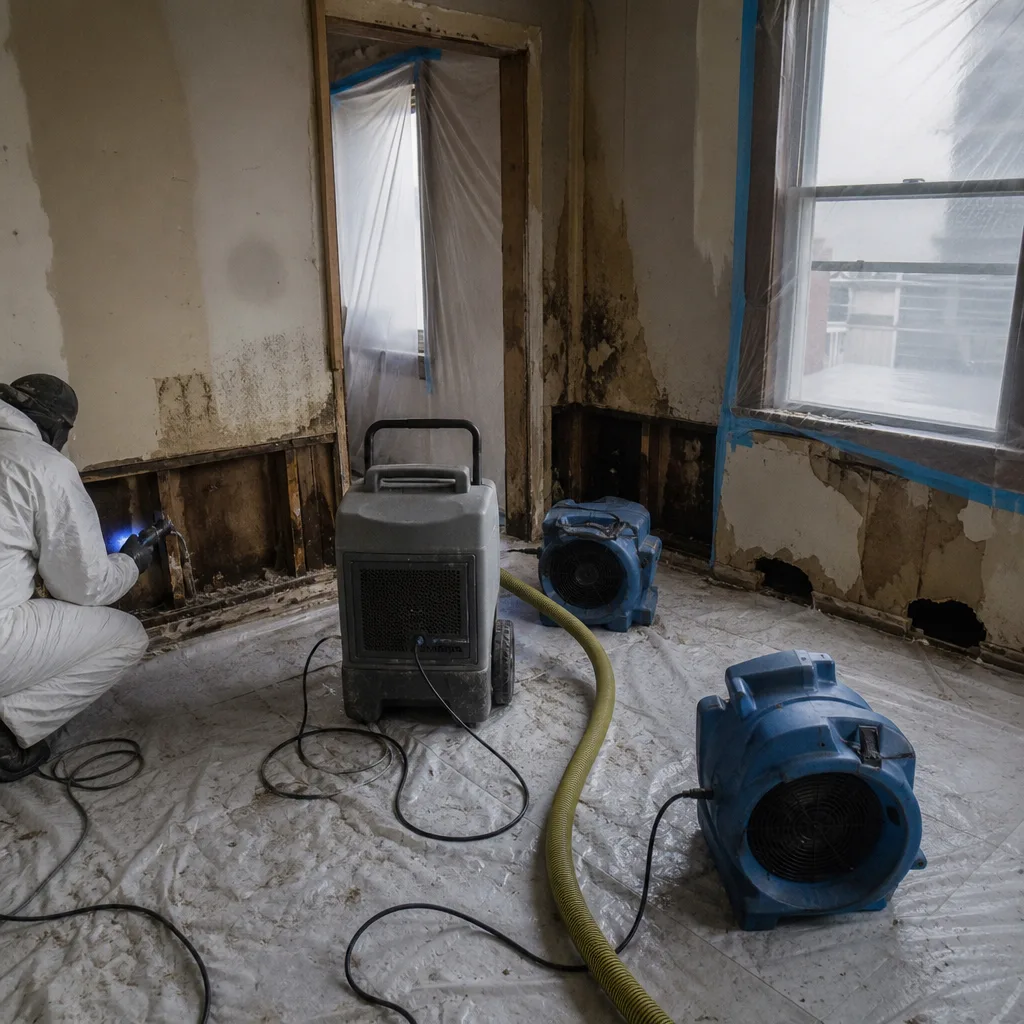 Before
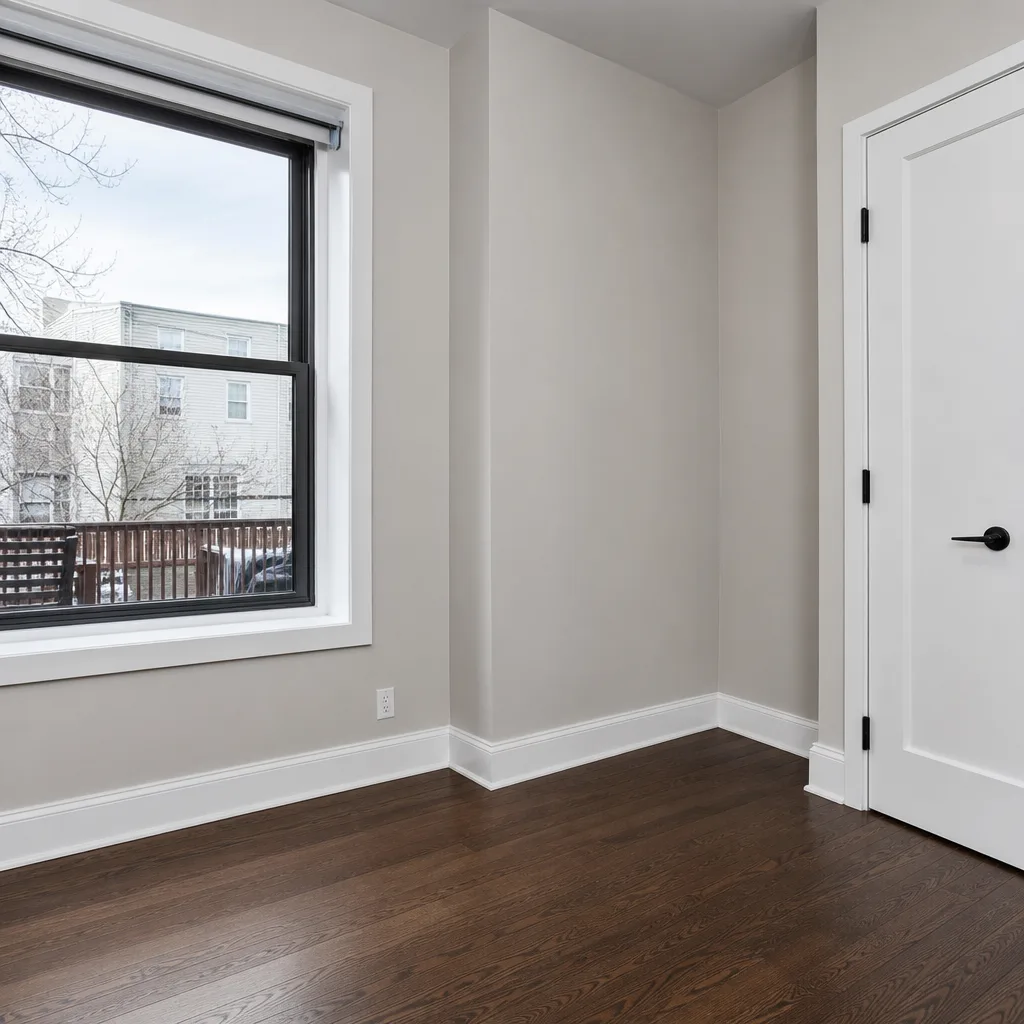 After
After24/7 Emergency Reconstruction & Cleanup in Upper West Side
When a steam riser blows on Riverside Drive or a supply line freezes inside a 1910 co-op on West End Avenue, you need someone who can get into the building, coordinate with the super, and start extraction before the water reaches the apartment below. That’s what we do. Our crews are stationed minutes from the Upper West Side and answer live around the clock. Call (363) 208-1526 and Wade himself picks up. No answering service, no voicemail, no runaround. The first hour after a water event in a pre-war building is when original plaster can still be saved. Wait, and you’re looking at full ceiling replacement and mold behind the lath.
Understanding Reconstruction & Cleanup Severity in Upper West Side Properties
The Upper West Side’s housing stock is unlike almost anywhere else in the country. Most residential buildings between Central Park West and Riverside Drive went up between 1890 and 1940, which means horsehair plaster over wood lath, original hardwood parquet floors, decorative crown moldings, and cast-iron plumbing stacks that have been carrying water for a century. When water moves through those buildings, it doesn’t just wet drywall and carpet like it would in a 1990s suburban house. It saturates plaster that holds moisture differently, gets behind wainscoting, and bleeds into the tongue-and-groove subfloor. We classify water events as Category 1 (clean supply line), Category 2 (gray water with some contamination), and Category 3 (sewage, river water, or water that has passed through multiple floors of building materials). Most Upper West Side losses start as Category 1 but become Category 2 or 3 by the time they’ve traveled through three or four stacked units of a pre-war co-op. Moisture mapping in these buildings requires thermal imaging behind plaster, not just a pin meter on drywall, because original plaster hides water in ways gypsum board does not. We run hygrometers for days, not hours, because these old buildings hold ambient humidity from Central Park’s microclimate and the Hudson River’s western edge.
Why Upper West Side Property Owners Choose Wade’s Restoration
- 45-minute response commitment. When water is moving through stacked units, every minute matters. We’re stationed in the NYC metro and head to the Upper West Side immediately, not “sometime today.”
- 24/7 live answer, always a real person. Wade answers his own phone. You’ll never reach a call center or leave a message with a machine.
- IICRC-certified crews. Wade’s team holds WRT (Water Damage Restoration Technician) and FSRT (Fire & Smoke Restoration Technician) certifications, with AMRT (Applied Microbial Remediation Technician) on mold jobs. The credentials are real; we’ll show them.
- Free visual inspection. No charge to assess the damage and give you a straight answer about what needs doing. No trip charge inside the county, either.
- Direct insurance billing. We work with your carrier from day one and hand you documentation your adjuster can actually use.
- One team from extraction to reconstruction. The same people who dry the building are the ones who rebuild it. No handoffs, no “that’s the other department.” Upper West Side co-op boards appreciate knowing who’s in the building.
Our Reconstruction & Cleanup Process
Inspection & Assessment
We walk the unit with a thermal imaging camera, pin and non-invasive moisture meters, and document every affected surface. On a pre-war Upper West Side apartment, that means checking behind original crown moldings, under parquet thresholds, and inside plaster wall cavities where water travels silently.
Extraction & Stabilization
Standing water comes out immediately using truck-mounted extraction units and Dri-Eaz portable extractors. In tight pre-war layouts, we carry equipment up stairwells and position it without damaging original millwork or built-ins. Stabilization includes isolation of any active water source, which often means coordinating with the building super to shut a riser or install temporary line caps.
Drying & Dehumidification
We set air movers and commercial dehumidifiers and run them on a strict schedule. Upper West Side buildings hold humidity, especially lower floors near interior courtyards, so we don’t paper over a wet plaster wall just because the surface feels dry. Daily moisture readings are logged, and you get the full log at the end of the job.
Cleaning & Sanitization
HEPA air scrubbers run during any work involving mold, asbestos abatement prep, or sewage-contaminated water. We clean and sanitize salvageable surfaces with antimicrobial treatments appropriate for plaster, lacquered woodwork, and original tile. No bleach-soaked shortcuts in a century-old co-op.
Contents Restoration & Pack-Out
Furniture, rugs, books, and personal items get packed out with a meticulous inventory, cleaned and restored off-site where needed, and returned after reconstruction. In a classic six-room Upper West Side apartment, that means protecting original built-in bookcases, mantels, and French doors while we work around them.
Repairs & Restoration
The final phase is reconstruction: plaster repair or replacement, parquet floor refinishing, repainting with period-appropriate techniques where required, and final scope walk-through with you and your co-op board if needed. We return the space to pre-loss condition, documented in writing.
Need Emergency Reconstruction & Cleanup in Upper West Side Now?
Crews minutes away, answering live 24 hours a day. The sooner we start, the less it costs.
Working With Your Insurance Company
Most Upper West Side losses involve multiple parties: the unit owner, the co-op corporation, the building’s master policy, and sometimes the owner of the unit where the leak started. That’s a lot of adjusters in one room. Wade deals with them directly. From the first hour, we document everything in a format adjusters recognize: date-stamped photos of every affected room, moisture readings taken with calibrated meters, drying logs showing day-by-day progress, and a line-item scope of work that leaves nothing to guess at. We have been doing this since 2007, which means we speak insurer fluently and don’t let claims stall because paperwork is incomplete. You shouldn’t be the one relaying information between your adjuster and the restoration crew. That’s our job.
What We Provide Your Insurer
- Thorough documentation of the loss
- Photos of all damage, room by room
- Moisture readings and drying logs
- A detailed, line-item scope of work
- Direct coordination with your carrier
Built for Upper West Side’s Loss Calendar
The Upper West Side has a predictable rhythm of property damage, and it’s tied to the weather and the buildings themselves. Late January and February bring the deep freezes that burst supply lines and freeze rooftop tanks. The steam-heat system across the neighborhood’s pre-war co-ops is the wild card: every November, when building supers crank boiler pressure for the first hard cold snap after months of disuse, radiator supply valves blow. That’s the single most common emergency call we get in the neighborhood. March and April mean thaw and spring rain, which finds every crack in century-old masonry and drives water through parapet walls and around window lintels. Summer brings thunderstorm flash flooding, especially on low floors and garden-level units along Amsterdam and Columbus. Nor’easters in fall and early winter are the other big one, hammering Riverside Drive and West End Avenue facades with wind-driven rain. Knowing this calendar means we’re not surprised by anything the Upper West Side throws at us, and we plan crew capacity accordingly. If you live in this neighborhood, you already know this schedule. So do we.
Reconstruction & Cleanup Across Upper West Side’s Neighborhoods
The Upper West Side runs from 59th Street up to 110th Street, bounded by Central Park to the east and Riverside Park to the west. Different sections have different building characters and different failure patterns. Near Lincoln Square and the southern blocks, the buildings are heavier masonry construction, often with grand lobby-level details, and water from a blown supply line on the 12th floor will find its way down through 10 units of high-ceilinged pre-war layouts before anyone on the third floor notices. The West 80s and 90s, especially east of Broadway near the Museum of Natural History, hold some of the neighborhood’s most detailed interior plasterwork and period wood trim, which demands reconstruction that honors original detailing. Along Riverside Drive and West End Avenue, the grand co-ops face wind-driven exposure from the Hudson and suffer more facade-related water intrusion than the interior blocks. Morningside Heights to the north, around Columbia University, mixes pre-war stock with university-owned buildings that add administrative approval layers to any work scope. Our crews know the loading docks and service entrances along Amsterdam and Columbus corridors, and we coordinate with supers and management companies from the 60s to 110th Street every week.
Specialized Reconstruction & Cleanup Services We Offer in Upper West Side
Full-Service Reconstruction
When a steam-riser blowout takes out three original plaster ceilings, a full-service reconstruction means more than putting up new drywall. We rebuild with plaster where the building’s character requires it, refinish parquet floors that have been dried too fast and cupped, and repaint to match periods and palettes. Upper West Side co-ops and landmarked buildings often have facade and interior standards that require historical sensitivity. We’ve done it enough to know what boards will ask for.
Drywall & Flooring Repair
Post-war slab buildings along Broadway and Amsterdam, mostly from the 1950s through the 1970s, tend to have gypsum board walls and different floor systems than the pre-war towers. Repair there moves faster, but the same care applies. For original strip hardwood or parquet that has absorbed water, we dry slowly and monitor moisture content daily before sanding, so boards don’t shrink, cup, or crack after we leave.
Contents Restoration & Pack-Out
In a classic six-room Upper West Side apartment, the built-ins are part of the architecture. We do not stack your books on a folding table and call it a pack-out. We tag, photograph, and transport contents with an itemized inventory, restore what can be restored, and return it all after reconstruction without a scratch on original built-in shelving or mantels. Wade’s crew has moved more Steinways and Persian rugs out of pre-war living rooms than most movers see in a career.
Carpet & Upholstery Cleaning
Water damage doesn’t always mean replacement. Wool carpets, oriental rugs, and upholstered furniture that has absorbed moisture or picked up a musty smell can often be cleaned, dried, and deodorized. We clean on-site where practical or pack out for off-site cleaning when the apartment is too wet to work in. We tell you honestly when something is worth saving and when it isn’t.
Post-Construction Cleanup
After we finish reconstruction in a landmarked Upper West Side co-op, the last thing the board wants is dust in the lobby and plaster residue on the hall sconces. Our post-construction cleanup includes HEPA-filtered removal of construction dust, detail cleaning of all hard surfaces, and a final walkthrough with the owner or managing agent. We treat the common areas as if our own name is on the mailbox. It is.
What happens when you call
- 1
A real person answersNo phone trees - you reach a local pro.
- 2
You get an upfront price rangeHonest numbers before anyone is dispatched.
- 3
A background-checked tech heads outLicensed & insured, dispatched right away.
- 4
You approve before work beginsNothing starts until you say go.
Reconstruction & Cleanup Costs in Upper West Side, NY
What you’ll actually pay in Upper West Side depends on what failed, how many floors it traveled through, and what materials need replacing. That said, you should have real numbers before you call anyone. A targeted plaster ceiling repair in a pre-war unit typically runs $900 to $2,400 per affected room, depending on whether the cornice needs recasting. Full water extraction and structural drying after a steam-riser blowout across two or three rooms usually falls between $3,500 and $9,000, including daily moisture monitoring. Complete reconstruction after significant water damage in a classic six-room apartment, including plaster restoration, floor refinishing, and repainting, commonly lands in the $25,000 to $65,000 range. Co-op and landmark requirements, asbestos abatement where old pipe insulation or floor tiles are involved, and elevator or stair-carry logistics all move the number. Most of this is insurance-covered; we bill your carrier directly and give you a written scope before any reconstruction work begins. The free visual inspection gives you a firm number to take to your board or adjuster.
We Also Serve Cities Near Upper West Side
We cover the broader NYC metro from our local crews, so if your building is outside the immediate Upper West Side boundary, we’re still close. That includes Astoria, the Financial District, Lower Manhattan, and Flushing. Same 24/7 live answer, same owner-operated accountability.
Upper West Side Reconstruction & Cleanup Questions, Answered
How does the steam-heat blowout season on the Upper West Side affect timeline for water extraction?
Steam-heat blowouts change the extraction timeline because the water keeps coming until the riser or supply valve is isolated. We coordinate with the building super immediately to shut down the affected line, then begin extraction. In some Upper West Side buildings, that means working while the super manipulates valves in the basement and on upper floors, and we stage equipment first so extraction starts within minutes of isolation. A blowout can dump dozens of gallons of scalding water, and if it has been running for hours before discovery, the affected plaster and flooring are already saturated, which extends drying time.
Does the Upper West Side’s pre-war construction change how moisture mapping is done?
Yes, significantly. Pre-war plaster walls and ceilings hold moisture differently than modern drywall, and water travels through lath channels, around original built-ins, and under hardwood floors in ways that a simple surface meter misses. We use thermal imaging to see behind plaster, penetration meters for wood, and we take baseline readings from unaffected rooms to calibrate for the building’s natural humidity level. In pre-war co-ops near Central Park or Riverside Park, ambient humidity is often higher than the city average, so we dry longer and monitor more frequently before pronouncing a structure dry.
Who approves a Reconstruction & Cleanup scope of work in an Upper West Side co-op?
The scope generally requires three approvals: the unit owner, the building’s managing agent or super for access and any utility work, and in many co-ops, the board’s alteration committee if the work exceeds the original condition or touches building systems. In landmarked buildings, the Landmarks Preservation Commission may need to review material changes. We prepare a line-item scope in the format these bodies expect and sit with you at board meetings if helpful. Wade has walked more Upper West Side boards through restoration scopes than we can count.
Can you perform contents pack-out in a classic six-room Upper West Side apartment without damaging original built-ins?
Yes, and we do it regularly. Original built-in bookshelves, mantels, window seats, and French doors get wrapped and protected in place. Large furnishings are documented, tagged, and moved with attention to doorframe clearances and stairwell geometry in pre-war buildings where staircases are narrow and landings are tight. We have moved full apartments out of buildings without working elevators, and we do it with the same care you would want for furniture that has been in the family longer than the building’s management company.
Do you handle post-construction cleanup after a full reconstruction in a landmarked UWS building?
Yes. Post-construction cleanup in a landmarked Upper West Side building means more than a final vacuum pass. We HEPA-filter construction dust, wipe down every surface including window sashes and radiator fins, clean common hallway fixtures our team passed through, and leave your unit ready to occupy. If the building has a white-glove managing agent, we walk through with them before we call the job done.
How fast can you actually get to my Upper West Side building in an emergency?
We commit to a 45-minute response window for the Upper West Side. Wade or one of his crew will be on site, walking the unit and starting extraction. If it is 2 a.m. and a steam valve just blew on West 84th Street, the live person who answers the phone is the person who will show up. Call (363) 208-1526.
Will my insurance cover a steam-riser blowout that damages my co-op unit?
Most Upper West Side co-op policies cover the unit owner’s interior walls, floors, and personal property, while the building’s master policy covers the riser, wall cavities, and common systems. The unit where the leak started may have liability exposure. We document everything in a way that helps each adjuster see exactly what their policy covers, and we bill directly. Wade deals with the adjusters so you don’t have to mediate between your policy, the co-op’s policy, and the board.
What should I do in the first 30 minutes after water damage in my Upper West Side apartment?
First, call the building super to shut off the water if you can’t reach the shut-off yourself. Move small valuables and any furniture you can safely lift onto dry surfaces or blocks. Do not use electrical outlets near water, and do not try to remove wet plaster yourself; pre-war plaster is heavy and can collapse when saturated. Then call us at (363) 208-1526. We’ll walk you through the next steps on the phone while Wade is on the road. The first 30 minutes determine how much of your original plaster and flooring can be saved.
Why the Upper West Side’s Steam-Heat Problem Is Different
Here’s what makes damage in this neighborhood different from anywhere else we work. The Upper West Side’s dense stock of pre-war limestone and brick apartment towers, most built between 1890 and 1940, means a single plumbing failure cascades water damage through five to ten stacked units simultaneously, each containing original horsehair plaster ceilings, decorative crown moldings, and century-old hardwood parquet floors that demand skilled historic restoration rather than standard drywall-and-carpet replacement. Every job also requires navigating co-op board approvals and building management sign-off before work can begin, adding layers of coordination that rarely exist in owner-occupied suburban markets. A generic restoration company that treats this like a suburban basement flood will destroy original details and stall board approvals. We do neither.
The steam-heat systems in these buildings are the specific culprit in most Upper West Side water losses. Radiator supply valves and risers in pre-war UWS buildings are notorious for blowing during the first hard cold snap each November, when building supers crank up boiler pressure after months of disuse, releasing scalding water that ruins original plaster ceilings across an entire vertical stack of units in hours, triggering multi-party insurance claims that can involve a dozen unit owners, the co-op corporation, and the building’s master policy all at once. We responded to a blown steam riser on West End Avenue where water had cascaded through five floors of a 1920s co-op, forcing us to set up containment and air movers while the super isolated the supply line. We documented moisture readings behind original crown moldings and coordinated with the co-op board to abate asbestos in the pipe insulation before drying logs could be filed and reconstruction could proceed to pre-loss condition. That’s the kind of job this neighborhood produces, and it’s the kind we’re built for.
Serving Upper West Side, NY - Our Local Coverage Area
We’re based in the Upper West Side area and know this community well. Use the map below to see our service coverage - if you’re nearby, we can almost certainly help.
Get the Team That Knows Upper West Side Buildings
When you need Reconstruction & Cleanup in a pre-war building, you need a crew that understands plaster, co-op boards, asbestos protocols, and steam-heat systems, not a national chain that sub-contracts to the lowest bidder and disappears. Wade’s Restoration is locally owned and owner-operated. Wade answers his own phone, shows up with his own name on the job, and stands behind every water, fire, and mold restoration with a 90-Day Done Right Promise in writing. If it’s not done right, he makes it right. One call brings Wade back. For a free estimate on Reconstruction & Cleanup in Upper West Side, call (363) 208-1526. We answer live, 24/7, and the first visual inspection is free.
Written by Wade Ferris, Owner at Wade’s Restoration, serving Upper West Side since 2007.