
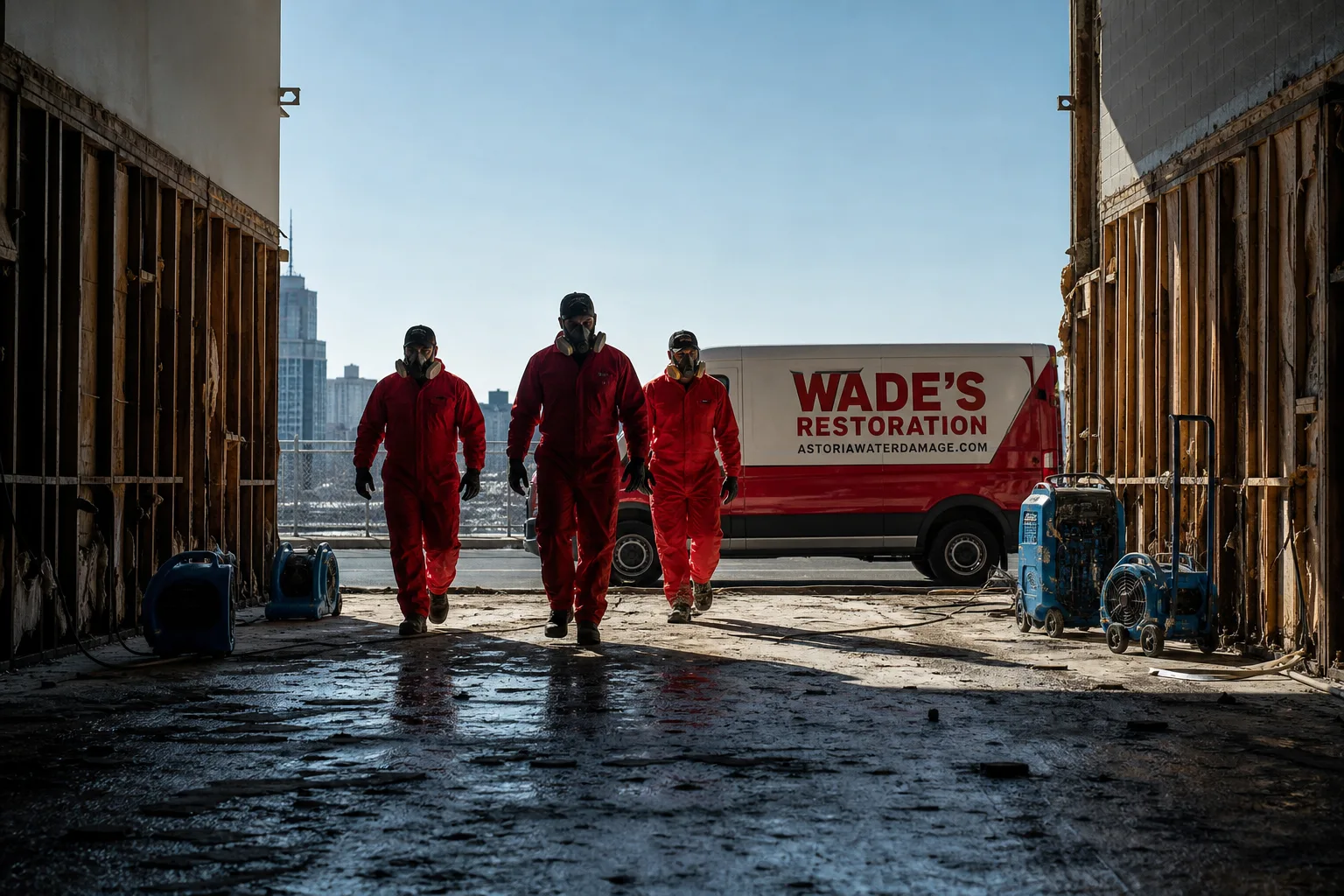
Free visual inspection and a written scope of work before any mitigation begins - photos, moisture readings, and drying logs go in your claim file
The scope we write is the scope we bill. Anything new gets shown to you, in writing, before we touch it.
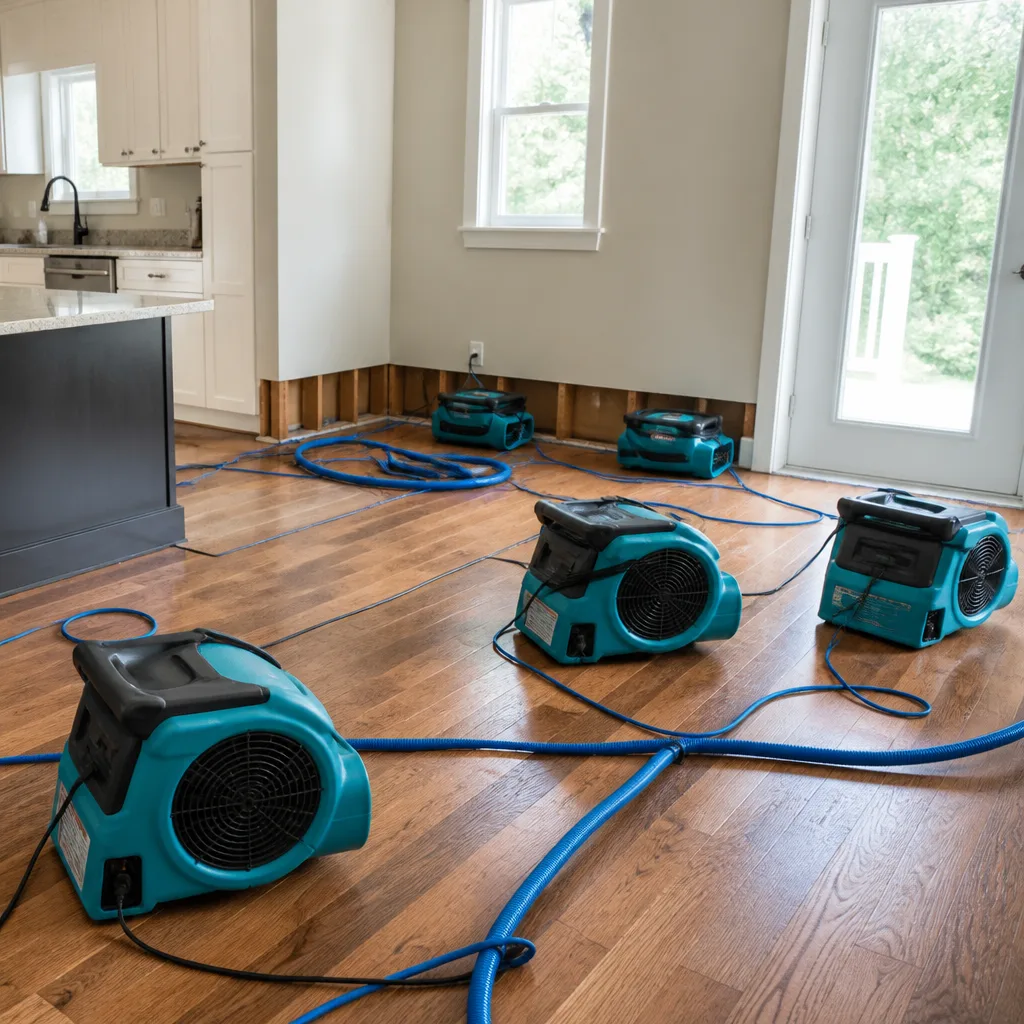

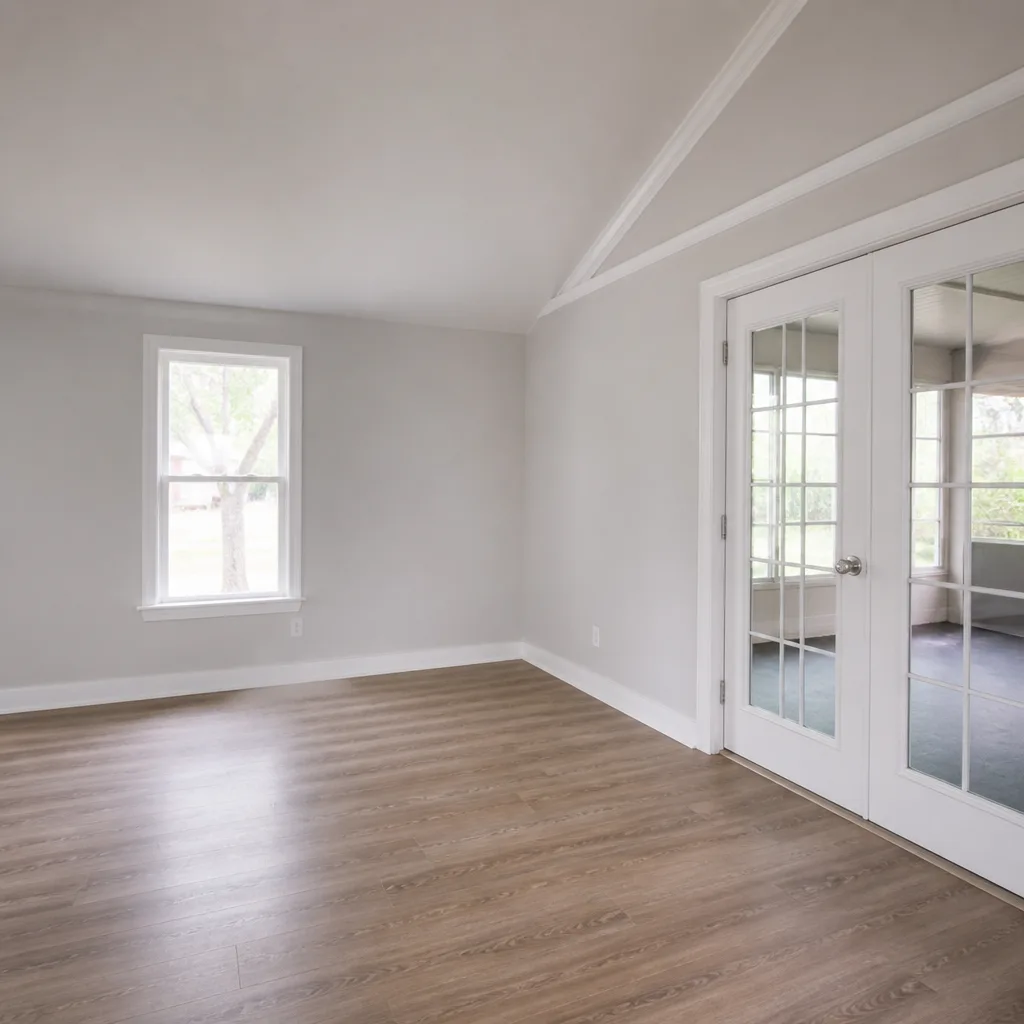


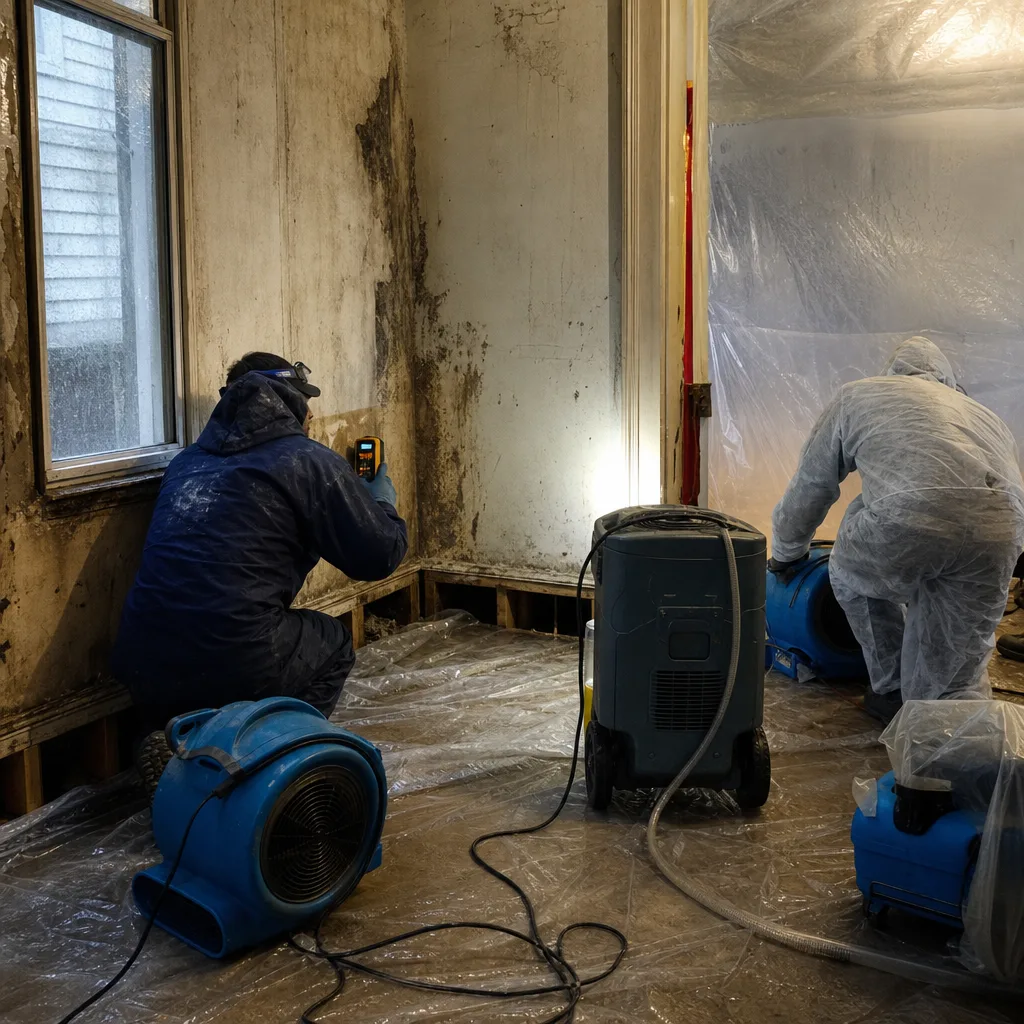 Before
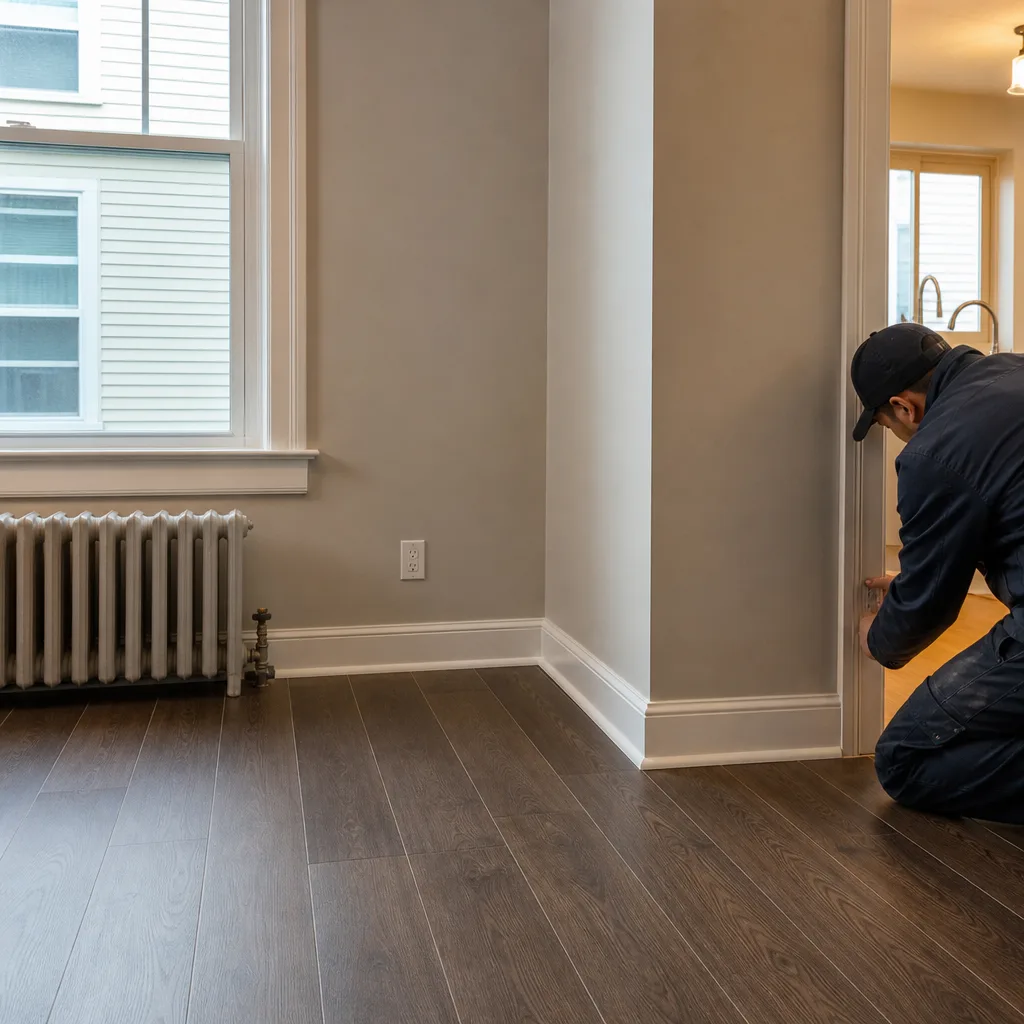 After
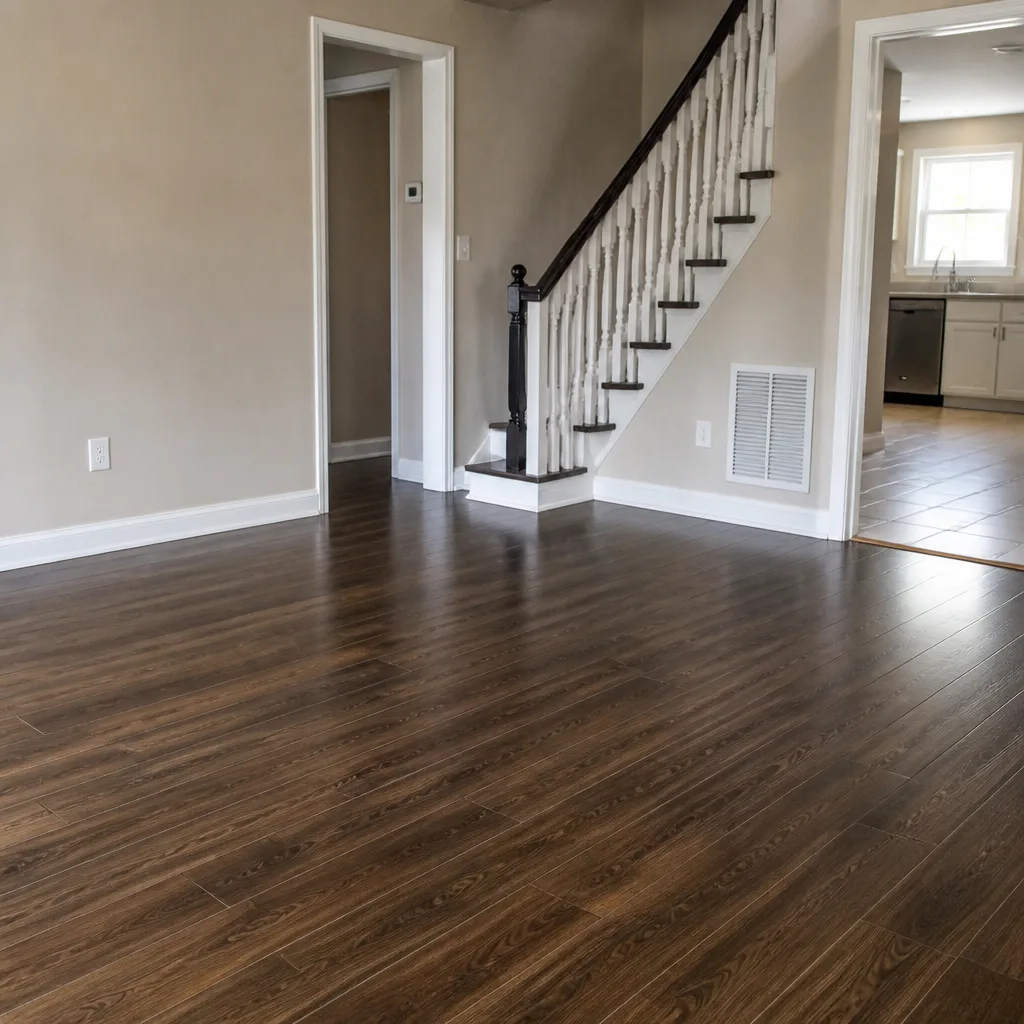
After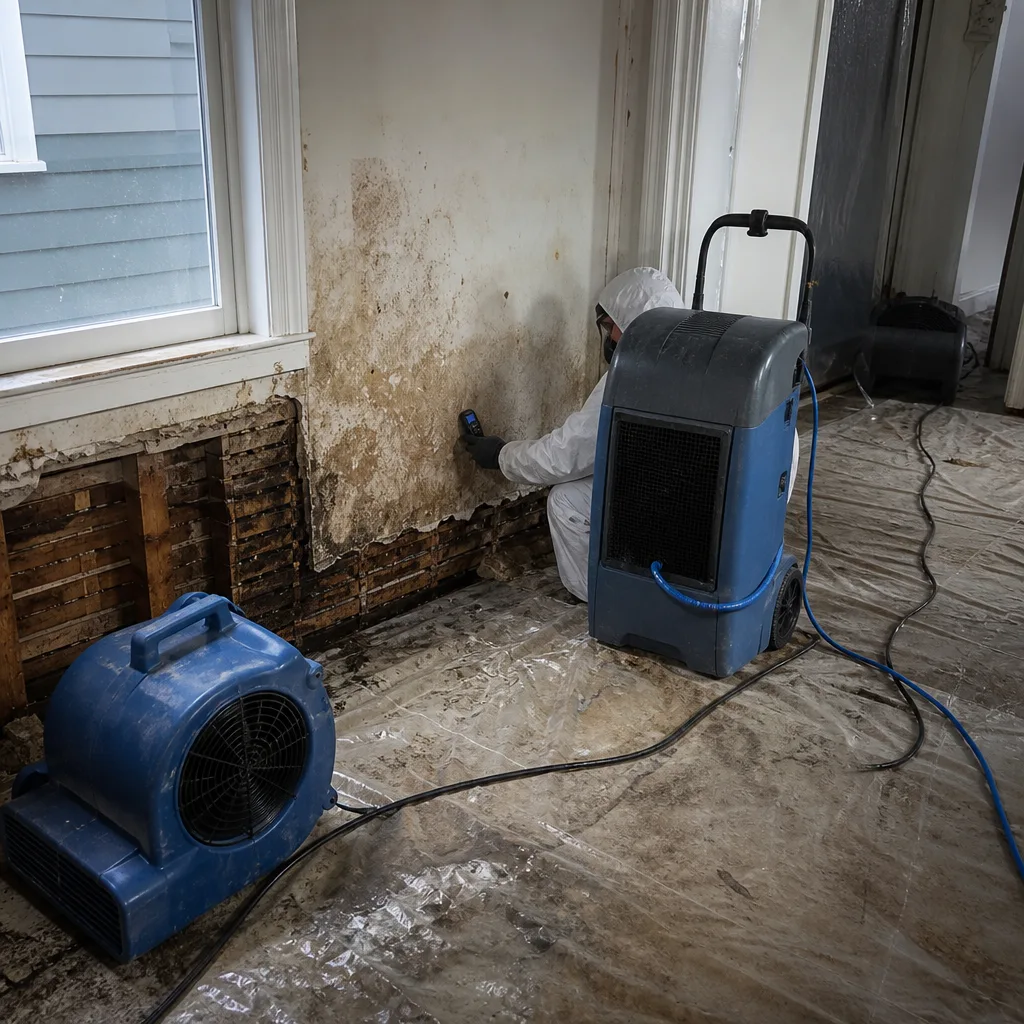 Before
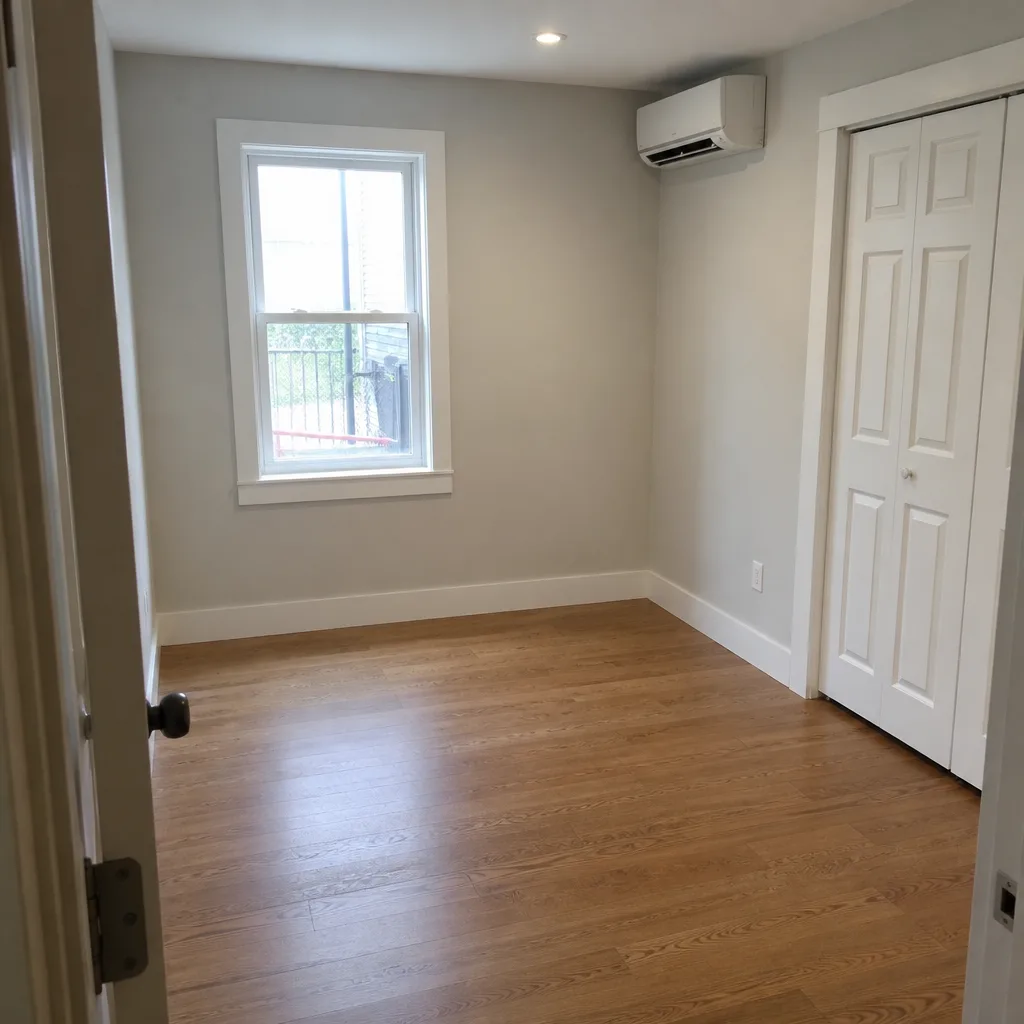 After
After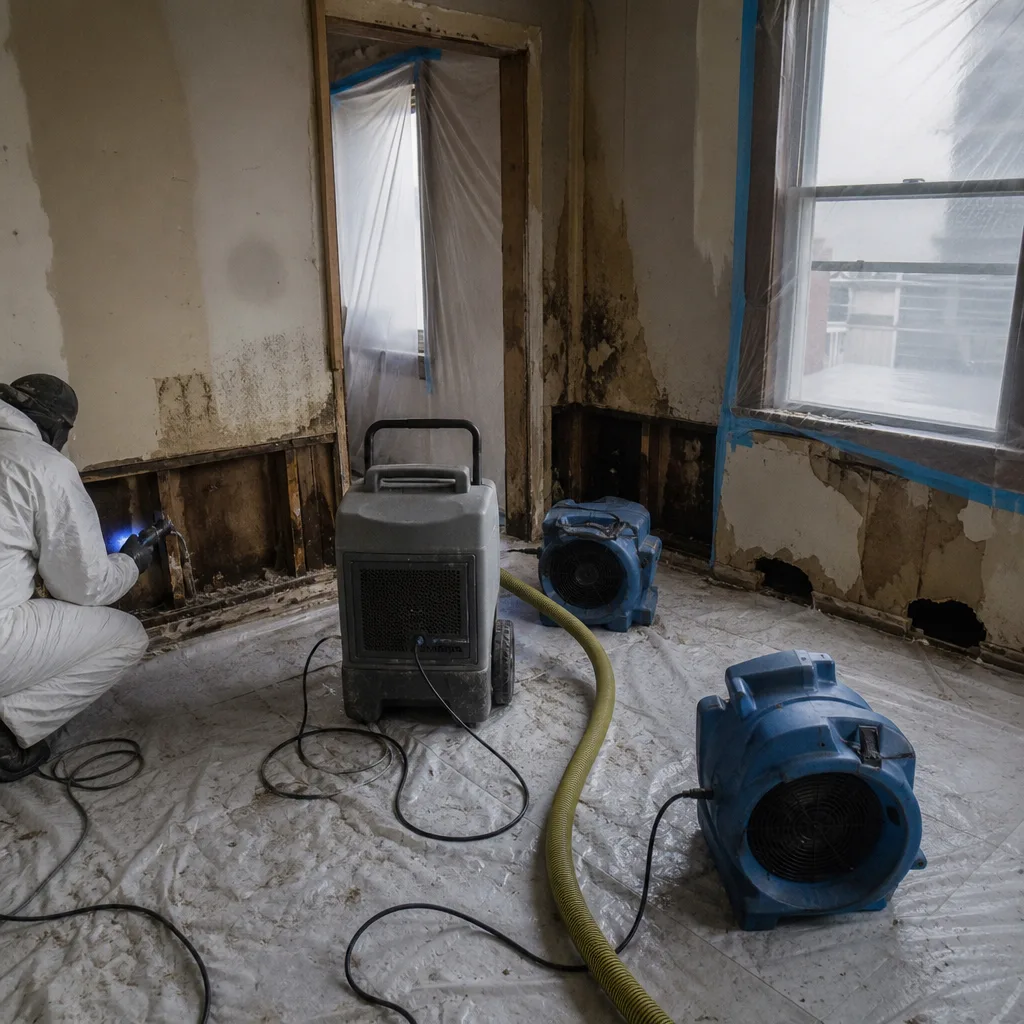 Before
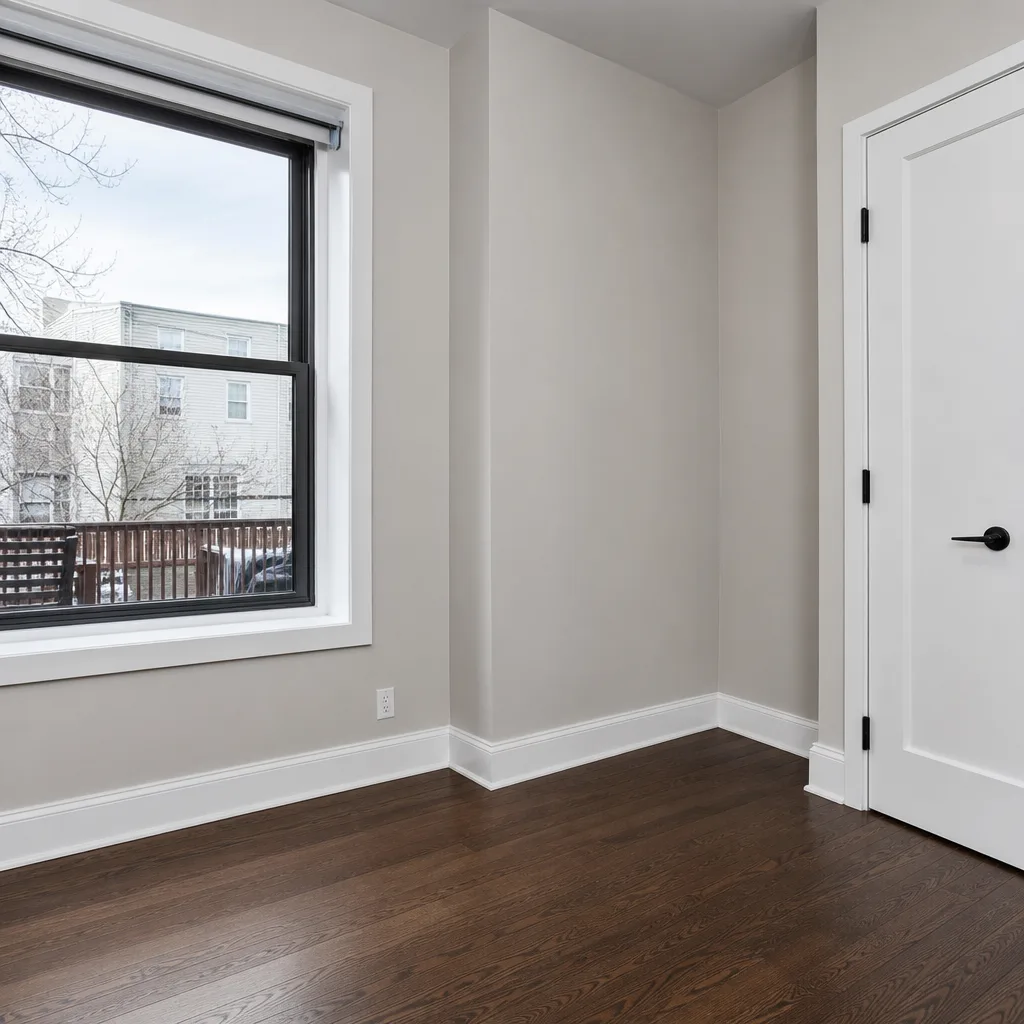 After
After24/7 Emergency Storm & Disaster Restoration in Midtown Manhattan
A nor’easter just peeled back part of your roof membrane on West 57th, or a January deep freeze burst a supply line on the 18th floor of your Murray Hill co-op. Storm and disaster damage in Midtown Manhattan doesn’t wait for business hours, and neither do we. Wade Ferris answers his own phone at (363) 208-1526, and he can have a crew at your building inside the hour, extraction running, and a written scope in your hand before the water travels another floor down. The first hour is when secondary damage happens: Category 2 water moving into horsehair plaster, drywall wicking moisture into adjoining units, and those original cast-iron risers starting to sweat. The faster we cut a hole, map the moisture, and stage drying equipment, the less this costs you and your carrier. Call now. We’ll be there.
Understanding Storm & Disaster Restoration Severity in Midtown Manhattan Properties
Midtown’s building stock was not built for easy restoration. Pre-war high-rises in Hell’s Kitchen and Murray Hill often have horsehair-plaster walls that hold water deep before anything shows on the surface, plus cast-iron risers and pipe insulation that can contain asbestos. A small ceiling stain on floor 20 can mean water traveled through a dozen floors, each with its own plaster density, tenant, and insurance policy. We categorize the water before we decide anything: Category 1 is clean supply water from a burst pipe or failed water heater; Category 2 is gray water with contamination from window gasket intrusion or roof-drain overflow; Category 3 is the filth that comes up from a flooded sub-basement or a backed-up sewer line. Storm work in Midtown also involves a lot of Category 2 and 3 water from north-side window leaks, parapet failures, and that specific Midtown feature we’ll get into below: Con Edison’s district steam network. Severity here is not just how wet things are. It’s what’s in the walls, what the building super will and won’t allow, and whether an asbestos survey is required before we can legally put a tool into the plaster.
Why Midtown Manhattan Property Owners Choose Wade’s Restoration
- 45-minute response commitment. Wade heads out from our New York City office immediately when you call. In Midtown, we’re close to Lex, Sixth, Ninth, and the Broadway corridor. We’re not paging someone from Jersey.
- 24/7 live answer, a real person. No answering service. Wade answers his own phone at 2 a.m. You can ask for him by name.
- IICRC-certified crews, codes that matter. WRT for water restoration, FSRT for fire and smoke, AMRT for applied microbial remediation. Not certificates on a trailer, credentials the adjuster recognizes.
- Free visual inspection. Before any work starts, we walk the loss with you, point out exactly where the water went, and hand you a written scope. No charge for that.
- Direct insurance billing. We deal with the adjuster. We send the photos, the drying logs, the line-item scope. You don’t relay messages between two sides.
- One team, extraction to reconstruction. The same crew that tears out the wet plaster is the one that rebuilds it. No handoff to strangers, no finger-pointing later.
Our Storm & Disaster Restoration Process
Inspection & Assessment
We arrive, walk every affected floor from top to bottom, and map the moisture with thermal imaging and hygrometers. In a Midtown high-rise, that means tracing water down from the source, through wall cavities, and into whatever unit or commercial space sits below. You get a documented report in writing.
Extraction & Stabilization
Standing water comes out first, using truck-mounted and portable extraction units. If storm winds left an opening in a window or roof, we board up or tarp immediately so no more water enters while we work. For a floor-20 pipe burst, stabilization also means stopping the source and containing what’s already traveled.
Drying & Dehumidification
Dri-Eaz air movers, Phoenix dehumidifiers, and XPOWER ventilation gear go into place, often staged behind containment to control what’s airborne. In buildings with freight-elevator windows, our crew coordinates with the super to get equipment up before the lobby closes for the day. We take moisture readings every single day, and you get the full log at the end, not a summary.
Cleaning & Sanitization
Every surface that absorbed Category 2 or 3 storm water gets cleaned with antimicrobials appropriate for the materials. Pre-war wood, plaster, and masonry all need different treatment. We don’t spray one product on everything and call it done.
Asbestos and Steam-Condensate Assessment
This is the step lots of firms skip in Midtown. If demolition touches pipe insulation, floor tile, or plaster that might contain asbestos, we pause and bring in a licensed surveyor before any further cutting. And if the water is in a sub-basement near the Con Ed steam network, we verify whether this is a water loss or a steam-main condensate intrusion before any drying equipment gets staged. The difference changes everything.
Repairs & Restoration
Once surfaces hit dry standard, we rebuild. Drywall, plaster, flooring, trim, paint. The same crew that extracted the water is the one that puts your apartment or office back together, on a schedule your building management has agreed to in writing.
Need Emergency Storm & Disaster Restoration in Midtown Manhattan Now?
Crews minutes away, answering live 24 hours a day. The sooner we start, the less it costs.
Working With Your Insurance Company
Your carrier wants evidence. We give it to them from the first hour. Photos of every affected room, moisture readings from the day we arrived through the day we left, and a line-item scope that matches industry-standard pricing, not inflated Midtown markup. Our Storm & Disaster Restoration team handles adjuster calls directly, so you’re not the middleman when the carrier wants to know why drying took six days instead of three. In co-op and commercial Midtown claims, there are often two or three carriers involved: the building’s, the unit owner’s, and a commercial tenant’s. We send the same documentation to each one. No confusion, no delay.
What We Provide Your Insurer
- Thorough documentation of the loss
- Photos of all damage, room by room
- Moisture readings and drying logs
- A detailed, line-item scope of work
- Direct coordination with your carrier
Built for Midtown Manhattan’s Loss Calendar
Midtown’s canyon-like street grid traps winter cold, and that means freeze-thaw cycling on rooftop mechanical equipment and exposed parapets all through January and February. Rooftop water-supply lines burst, roof drains ice over, and then the thaw sends water down through layers of commercial space. Spring brings nor’easter season, and Midtown’s high-rises take the wind differently than low-rise Brooklyn or Queens. Window gaskets fail, envelope seals crack, and rain drives into upper-floor units that have never leaked before. Summer is thunderstorm flash-flooding season, when Midtown’s aging storm drains back up into sub-basements and mechanical rooms. And fall is when building managers schedule envelope repairs, only to discover storm damage from the previous winter that nobody caught. The pattern is predictable. The response times are not. Wade has handled every one of these on Midtown Manhattan streets for years.
Storm & Disaster Restoration Across Midtown Manhattan’s Neighborhoods
Hell’s Kitchen tenement walk-ups on Ninth and Tenth Avenues are where we see the most horsehair-plaster water damage. Those buildings were built before moisture barriers existed, and a burst pipe on the top floor soaks down through every unit, staining ceilings on the way to the basement. Murray Hill co-ops, especially the pre-war line along Park and Lexington, have cast-iron risers and freight-elevator schedules we know how to work around. The commercial corridor along Madison and Fifth is where we handle flooded retail spaces and office floors, often with a business owner standing there who cannot close for three days while things dry. And the glass curtain-wall towers west of Sixth Avenue near Bryant Park and Times Square take wind-driven rain through failed window gaskets in ways that keep us busy after every nor’easter. Different buildings, same fast response.
Specialized Storm & Disaster Restoration Services We Offer in Midtown Manhattan
Storm Damage Cleanup
When wind and rain blow through a Midtown high-rise’s window gaskets or a parapet fails on a pre-war roofline, the cleanup is not just mopping. We remove saturated plaster, dry the cavities, and treat for microbial growth before it gets a foothold. In Midtown co-ops, cleanup also means coordinating with the super on debris removal through approved chutes and freight elevators.
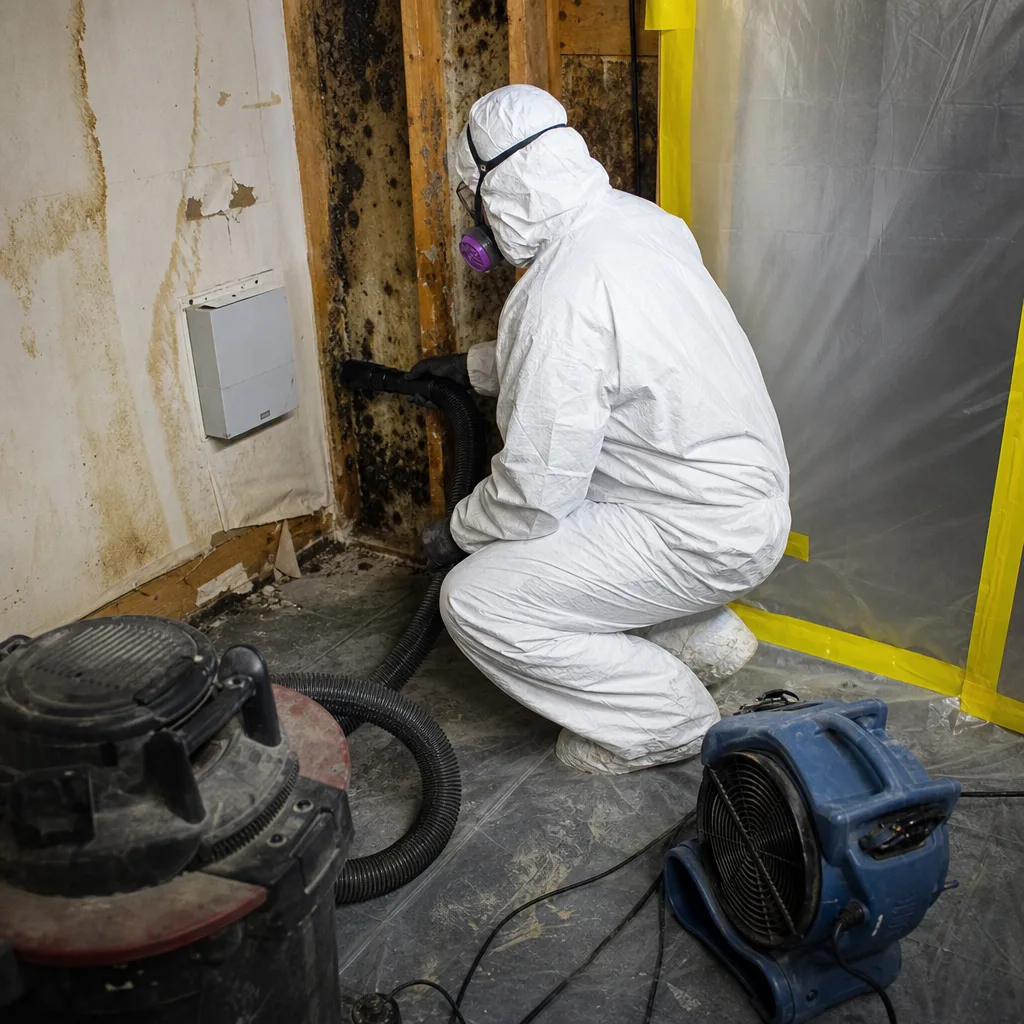
Flood Damage Restoration
Midtown floods are a specific animal. Rooftop drain ice dams in winter, nor’easter-driven window leaks in spring, and sub-basement inundation from overwhelmed storm drains in summer. We extract, map, and dry to pre-loss condition, and we document every day of it for your carrier. If your flood is in a sub-basement near the Con Ed steam network, we check whether steam condensate is in the mix before any drying starts.
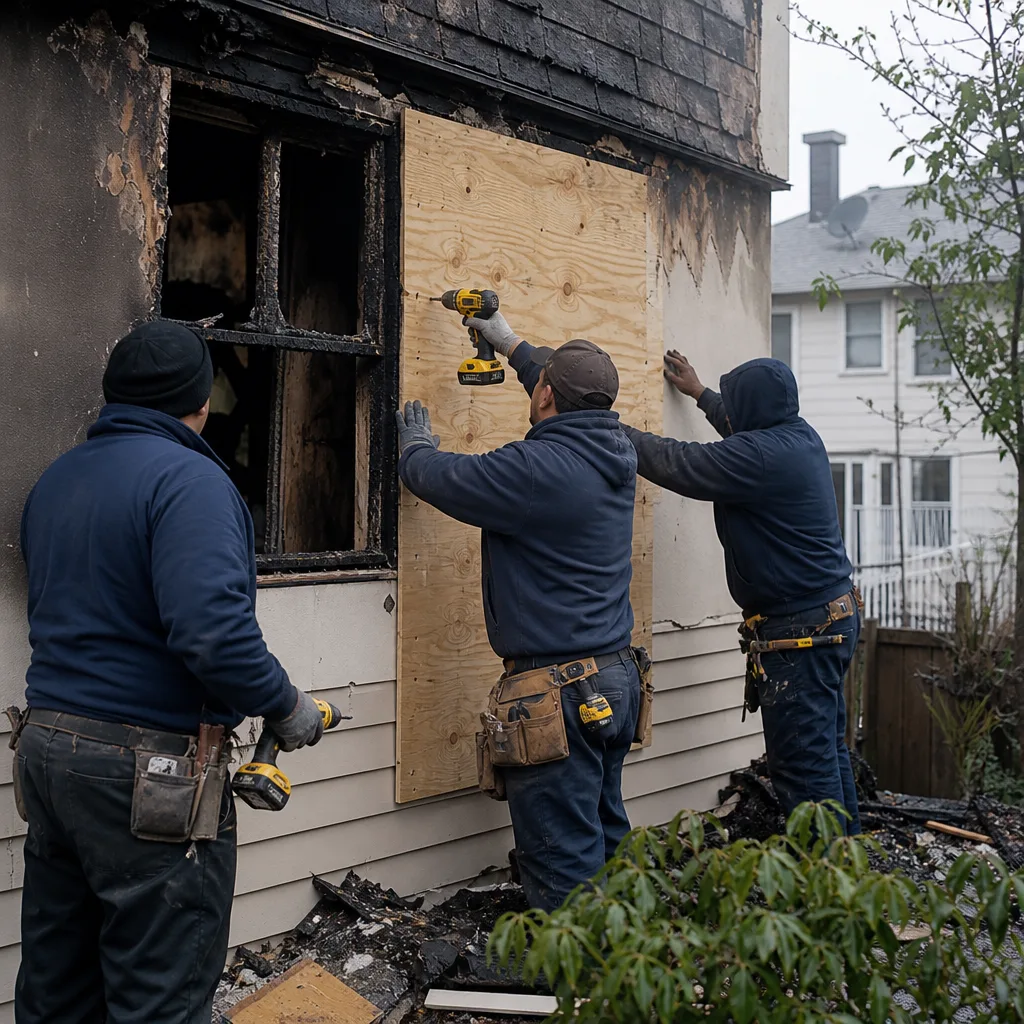
Emergency Board-Up
Broken storefront glass on Lex after a wind event, a blown-out window on the 12th floor, a roof opening that lets rain pour into a hotel room: board-up stops the loss from getting bigger. We arrive fast, secure the opening properly for Midtown’s wind loads, and make sure the building’s access points still work for tenants and first responders.
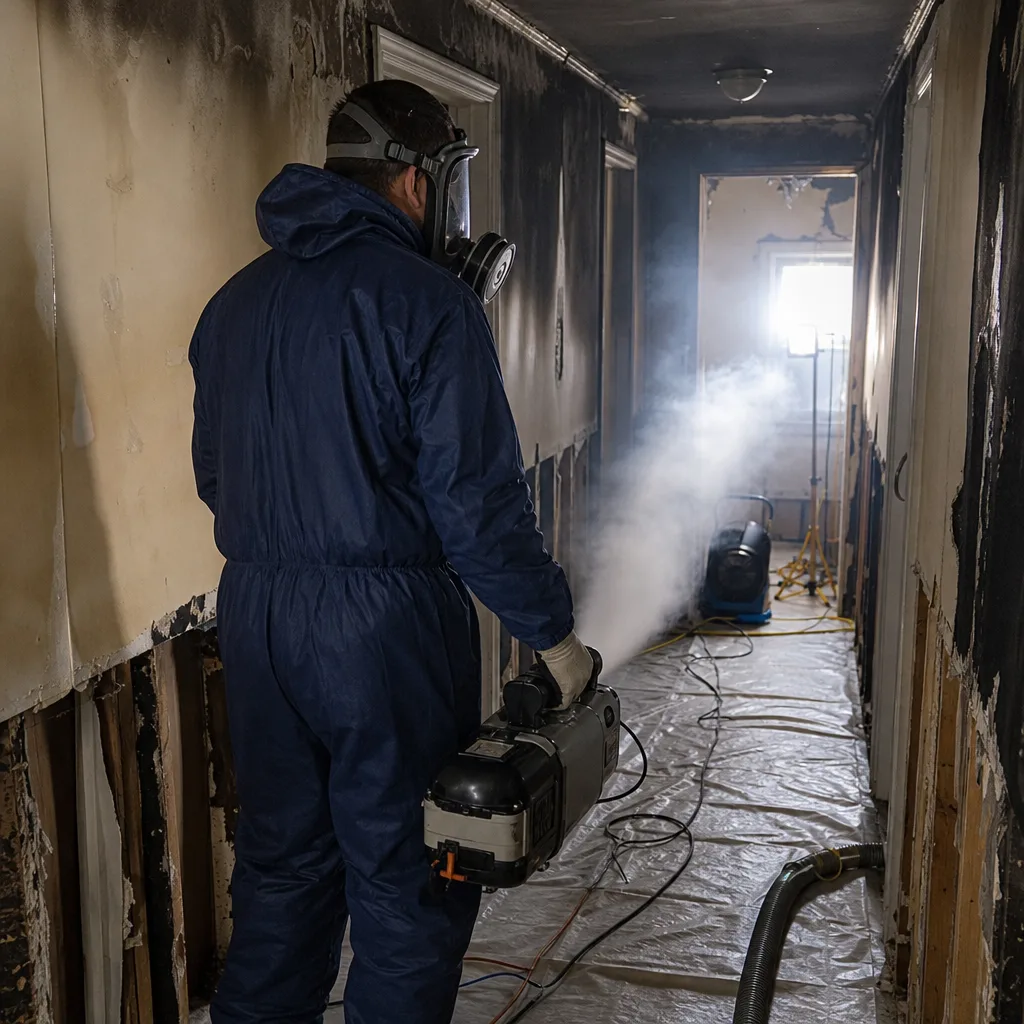
Roof Tarping
Storm wind can lift membrane roofing, crack parapet caps, and tear scuppers right off Midtown rooftops. We tarp the affected area tightly enough to hold through the next storm, not just until the adjuster shows up. For high-rise work, that means coordinating with building management and using the right anchors, tied off and safe.
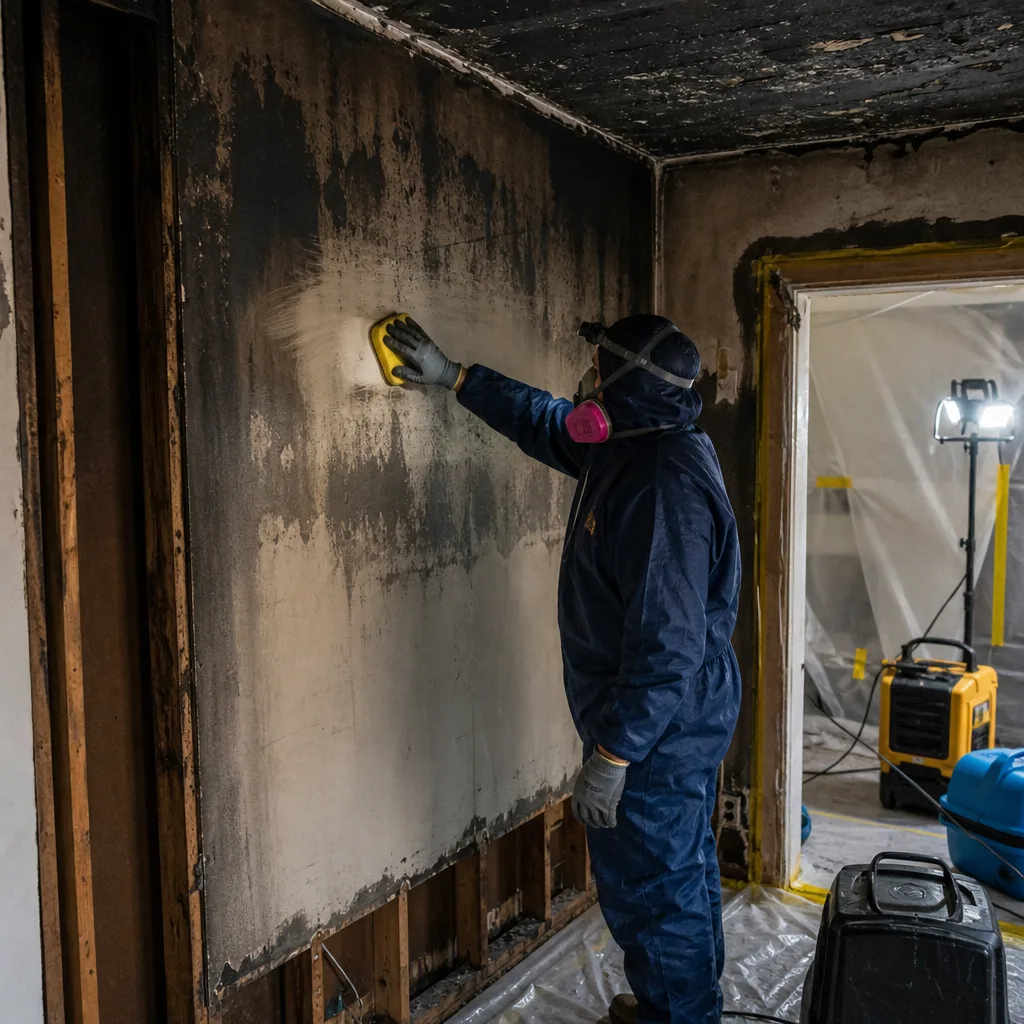
Debris Removal
Fallen masonry, wet drywall, ruined insulation, storm-blown building materials. We remove it all, following Midtown building rules on approved chutes, freight elevators, and curbside staging. And we never dump anything until the scope is written and the adjuster has the photos.
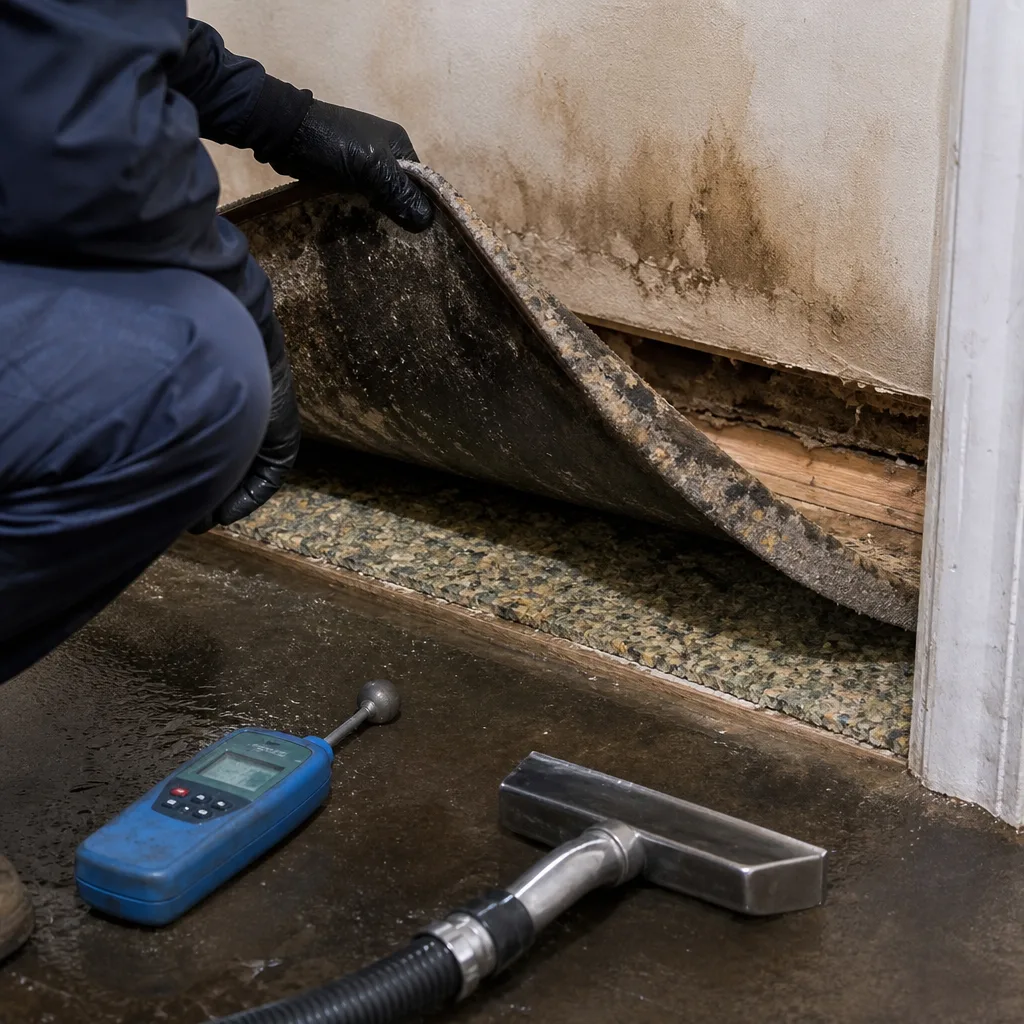
What happens when you call
- 1
A real person answersNo phone trees - you reach a local pro.
- 2
You get an upfront price rangeHonest numbers before anyone is dispatched.
- 3
A background-checked tech heads outLicensed & insured, dispatched right away.
- 4
You approve before work beginsNothing starts until you say go.
Storm & Disaster Restoration Costs in Midtown Manhattan, NY
Midtown pricing is not the same as Queens or Staten Island, and we’re straight about it. A typical storm-driven water extraction and dry-out in a Midtown apartment runs $2,800 to $7,500, depending on square footage, number of affected floors, and whether asbestos testing and abatement triggers before dry-out can finish. Full flood damage restoration with plaster repair and repainting in a Hell’s Kitchen walk-up usually lands between $6,000 and $18,000. Emergency board-up for a storefront on Third Avenue runs $400 to $1,200, and roof tarping on a high-rise starts around $900 for a standard parapet or scupper area. What moves the number: freight-elevator access windows, building super requirements, multiple tenant coordination, and whether an industrial hygienist has to clear the space before drying. Most of this is covered under storm and flood policies, but every deductible is different. The free visual inspection we offer gives you a written scope and exact number before you spend a dime.
We Also Serve Cities Near Midtown Manhattan
Our crews regularly run storm and flood calls in Astoria, Financial District, Lower Manhattan, and Flushing. Same owner on site, same live answer at 2 a.m., same 90-Day Done Right Promise in writing.
Midtown Manhattan Storm & Disaster Restoration Questions, Answered
How does Midtown Manhattan’s district steam network complicate a flood restoration job in a sub-basement?
Con Edison’s steam mains run under Midtown’s streets, and when one leaks, the water that enters a sub-basement is not ordinary flooding. It carries heat, moisture, and often disturbed asbestos from legacy pipe insulation. We require an industrial hygienist to clear the space and an asbestos survey before any drying equipment gets staged. Skip that step and you risk contaminating the entire mechanical room.
Can you legally dry out water damage in a Midtown co-op if the building management limits elevator access?
Yes, but only if the schedule is part of the plan. Co-op boards and supers control freight-elevator windows, and missing one can cost an entire drying day. We coordinate with building management in writing before equipment arrives, and we work the moisture readings around the schedule, not the other way around.
What happens if a nor’easter drives rain through the window gaskets of a high-rise office in Midtown?
That’s Category 2 water: rain-driven, contaminated from building surfaces and window seals. We contain the area, extract, set up air movers and dehumidifiers, and dry to a standard the office can reopen under. And we document it all for the building’s carrier and the tenant’s carrier, because both are usually involved.
Is a permit or asbestos survey required for storm water demolition in a Hell’s Kitchen tenement?
In most pre-war Midtown tenements, yes on the asbestos survey. Horsehair plaster, pipe insulation, and floor tiles in those buildings often contain asbestos. Demolition without a survey can trigger a stop-work order and forced abatement, which stalls the drying clock past the 48-hour mold window. We never start cutting before the survey clears.
How do you restore a high-end carriage-house door in Midtown after wind or water damage?
Midtown doesn’t have many carriage houses left, but where they exist, the doors are usually solid wood, custom-finished, and sometimes integrated with smart-home hardware. After wind or water damage, we don’t just swap in a slab door. We match the wood species, repair the joinery, restore the finish, and reconnect any opener or access-control integration. Then we warranty it.
How fast can you actually get to a Midtown Manhattan building?
We’re in the city already. From our New York City office, we can usually reach most Midtown addresses in 45 minutes or less, depending on the time of day and what’s happening in the Lincoln Tunnel corridor. Wade answers the phone himself, so you’ll know who’s coming.
Do I really need full restoration, or just a cleanup?
If water sat in horsehair plaster or drywall for more than 48 hours, full restoration is usually the answer. A mop and a fan will not dry what’s behind the wall. We’ll tell you honestly, and the free inspection gives you the truth in writing before any equipment is staged.
What should I do in the first 30 minutes after storm damage in Midtown?
Shut off the water source if you can do it safely. Cut power to wet areas if the breaker is clear of water. Call your building super and open the freight-elevator window. Then call (363) 208-1526. The first 30 minutes dictate whether you dry a unit or rebuild a floor.
Serving Midtown Manhattan, NY - Our Local Coverage Area
We’re based in the Midtown Manhattan area and know this community well. Use the map below to see our service coverage - if you’re nearby, we can almost certainly help.
The Midtown Paragraph No Generic Restoration Page Will Write
Midtown Manhattan is the only place in the region where a single floor’s burst pipe can legally require coordinating with multiple co-op boards and commercial tenants who cannot pause operations, while Con Edison’s district steam network means some “flood” jobs are actually steam-main condensate intrusions that demand asbestos surveys before dehumidification can begin. That scenario does not exist in Queens, in the Bronx, or in any neighboring low-rise borough. We recently handled a nor’easter-driven water intrusion in a pre-war Murray Hill co-op where failing window gaskets allowed Category 2 rain water to saturate horsehair-plaster walls. Our crew worked within the building super’s freight-elevator schedule, running moisture mapping and placing Dri-Eaz air movers and Phoenix dehumidifiers behind containment, while logging moisture readings every 4 hours to prove structural drying back to pre-loss condition for the co-op’s insurance carrier. That’s the job. It’s not the same as drying a basement in a suburban split-level. Wade Ferris has been doing this since 2007, and he’ll be the one standing in your lobby when the elevator opens.
Call (363) 208-1526 for a free estimate, or just to ask whether what you’re looking at is a real problem. We’ll tell you straight. If it’s not urgent, we’ll say so. If it is, we’re already on the way.
Written by Wade Ferris, Owner at Wade’s Restoration, serving Midtown Manhattan with storm and disaster restoration since 2007.