
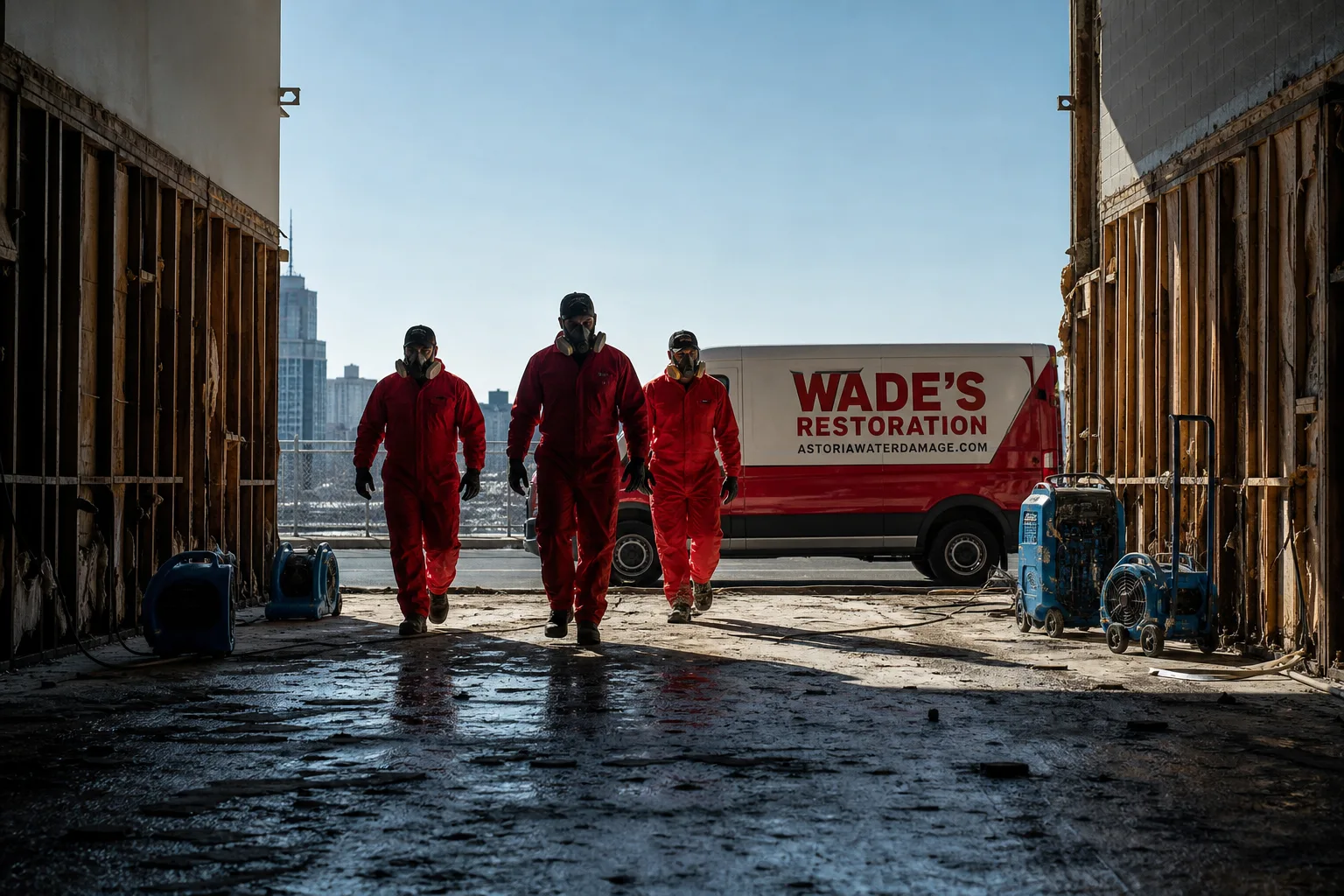
Free visual inspection and a written scope of work before any mitigation begins - photos, moisture readings, and drying logs go in your claim file
The scope we write is the scope we bill. Anything new gets shown to you, in writing, before we touch it.
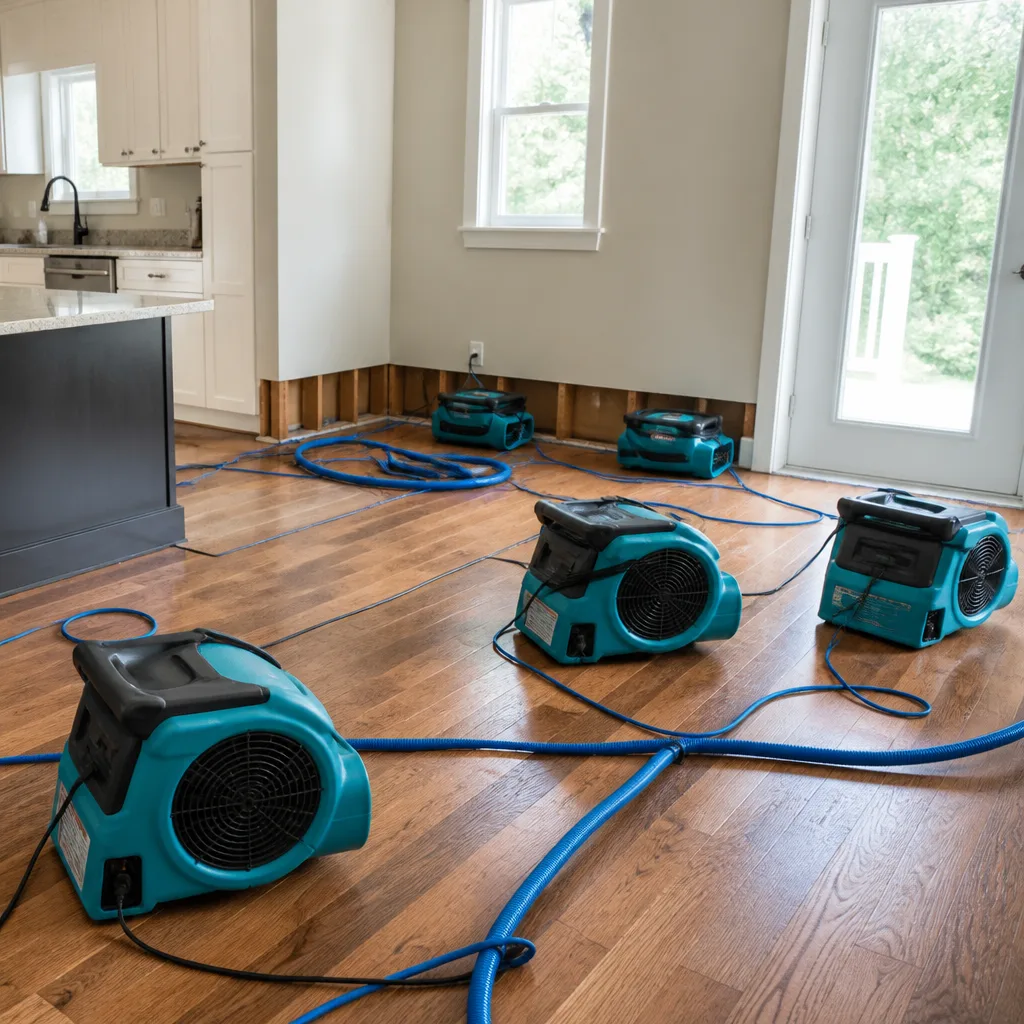
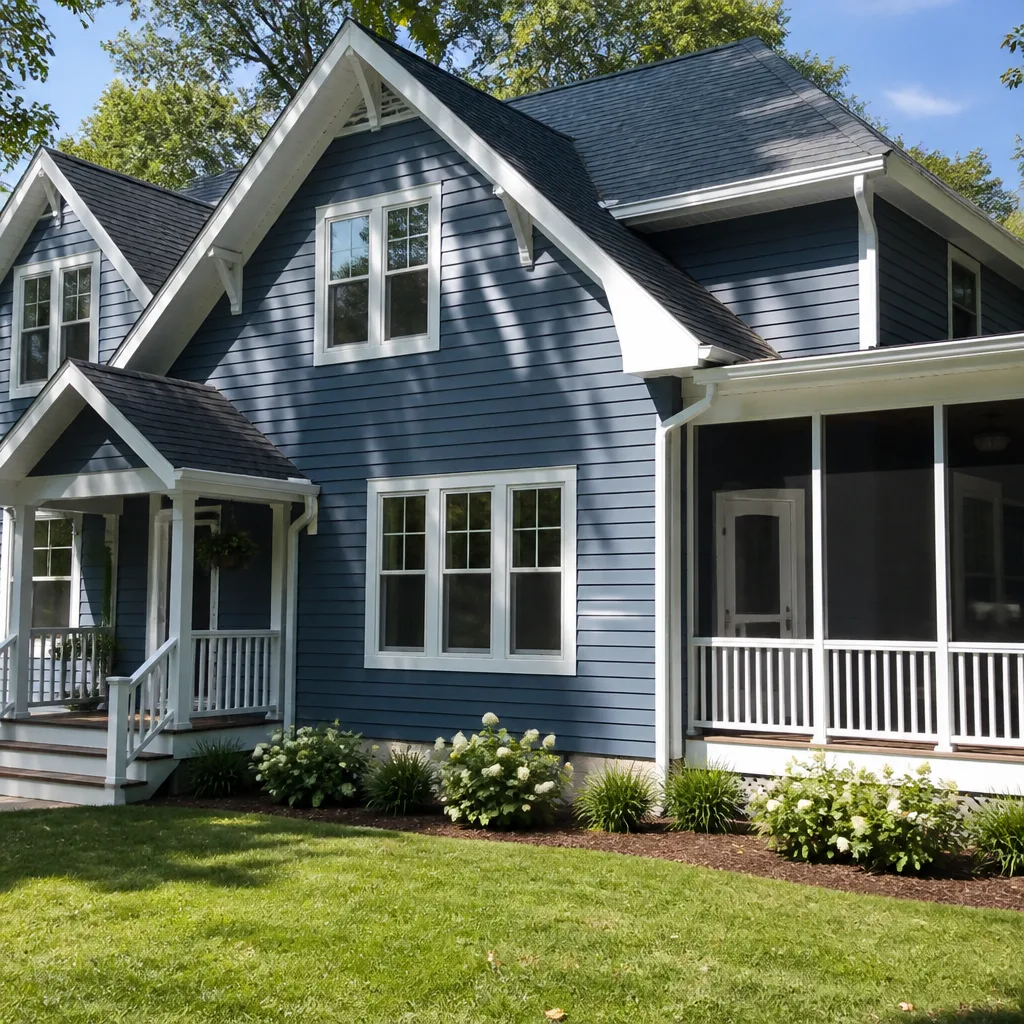
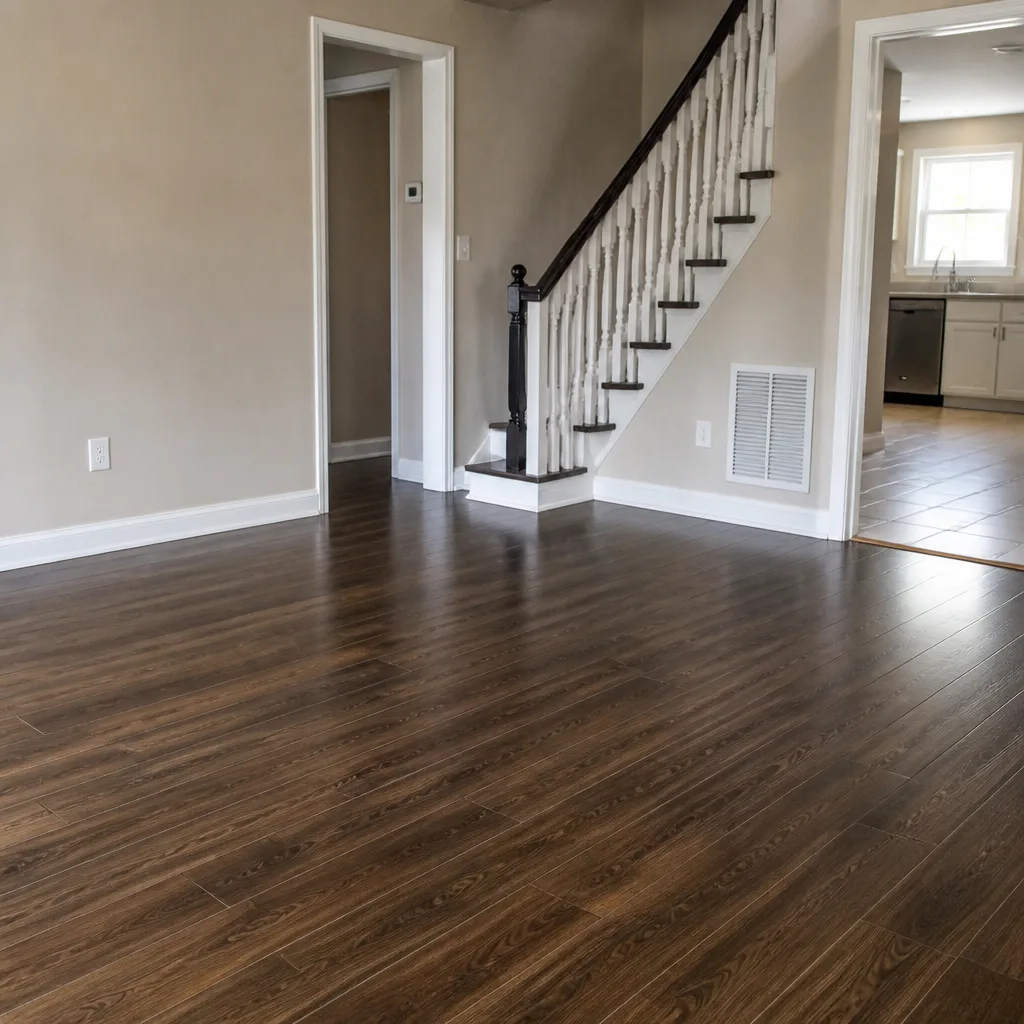

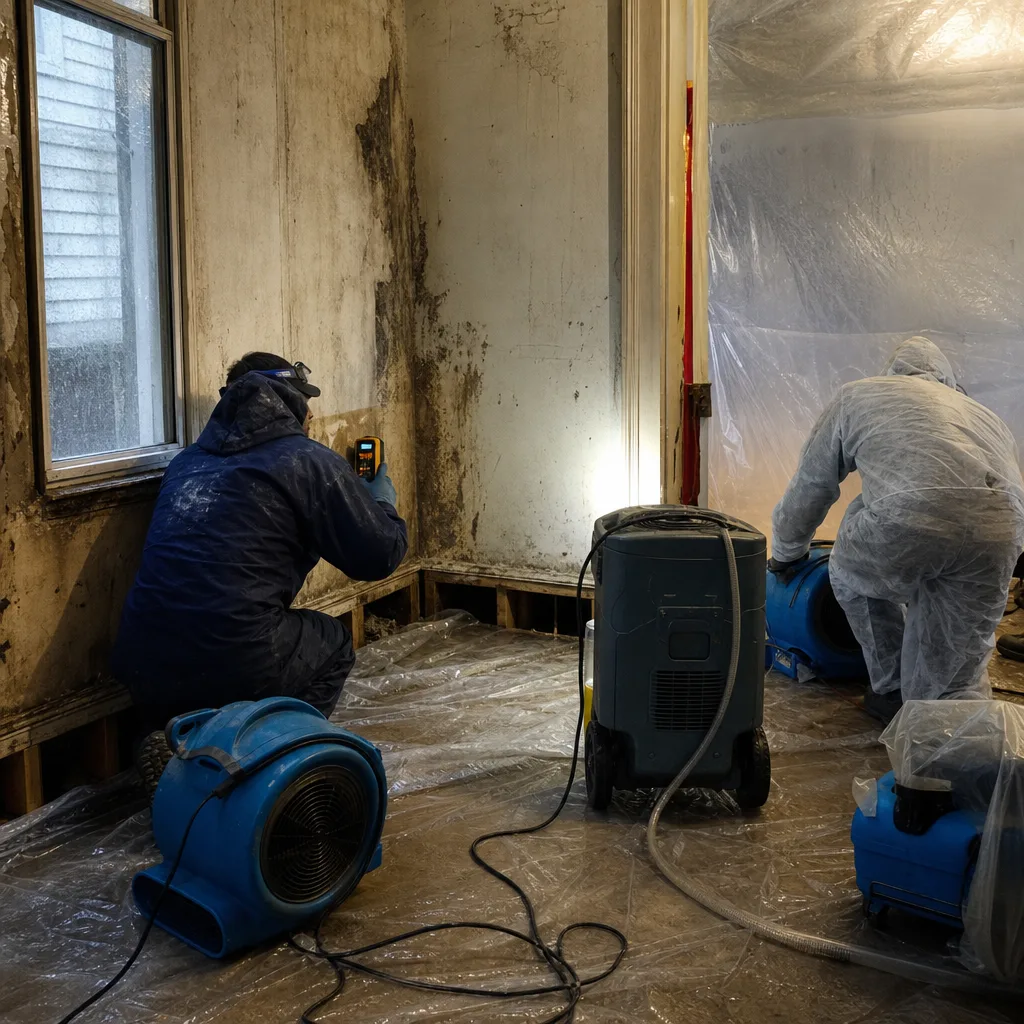 Before
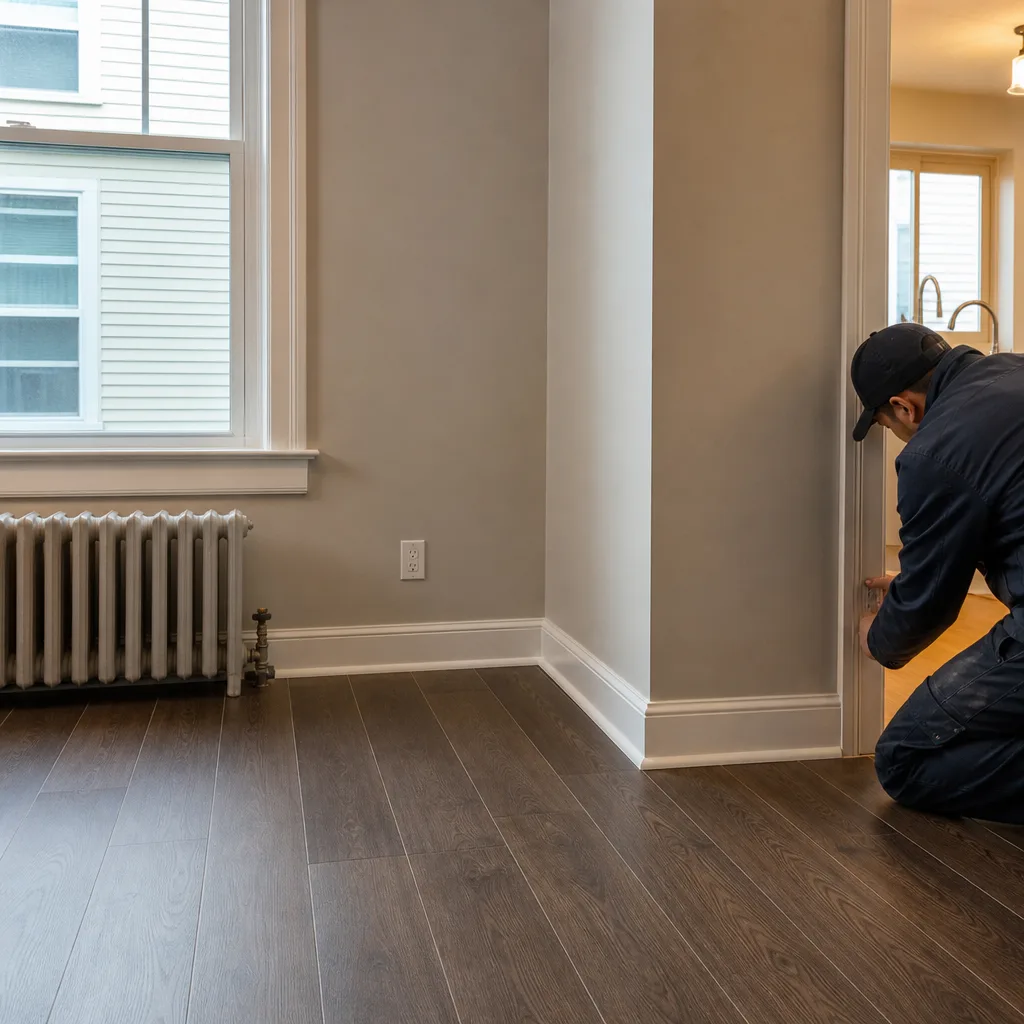 After
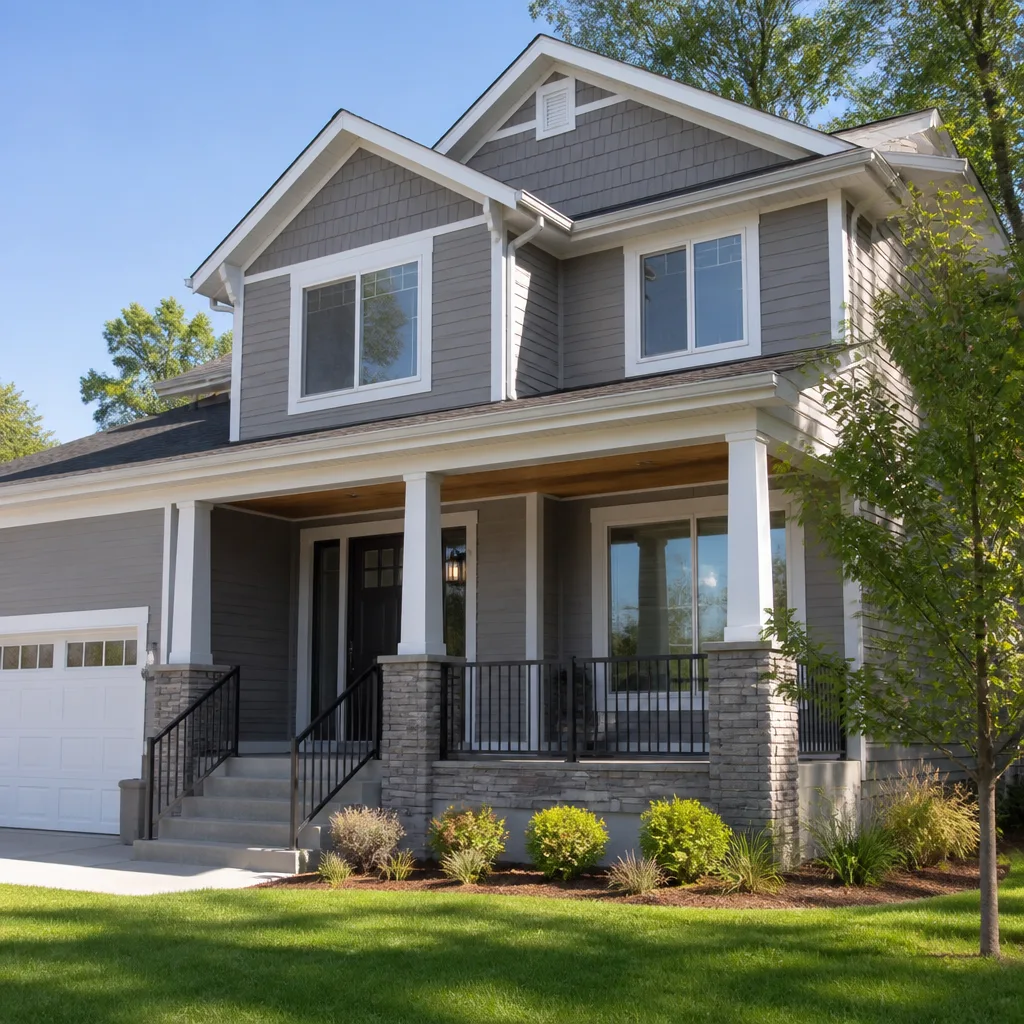
After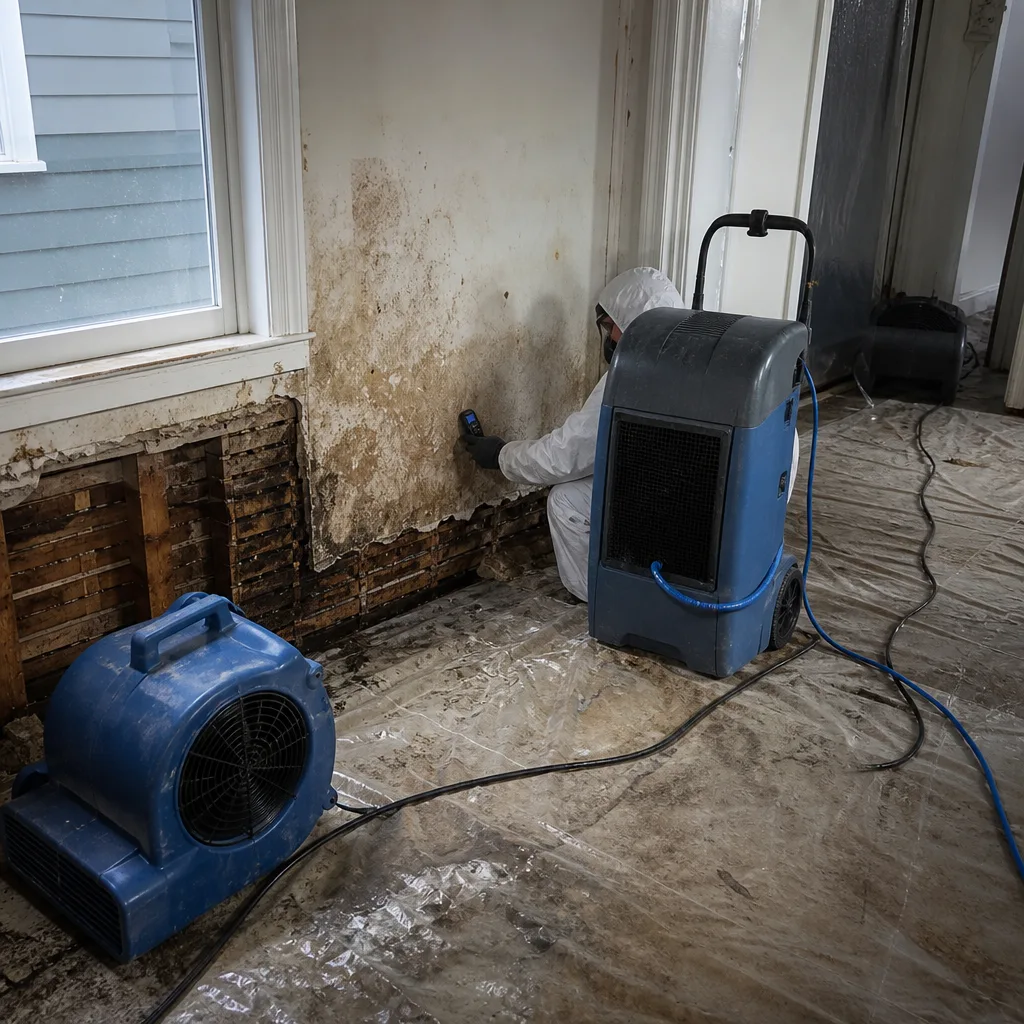 Before
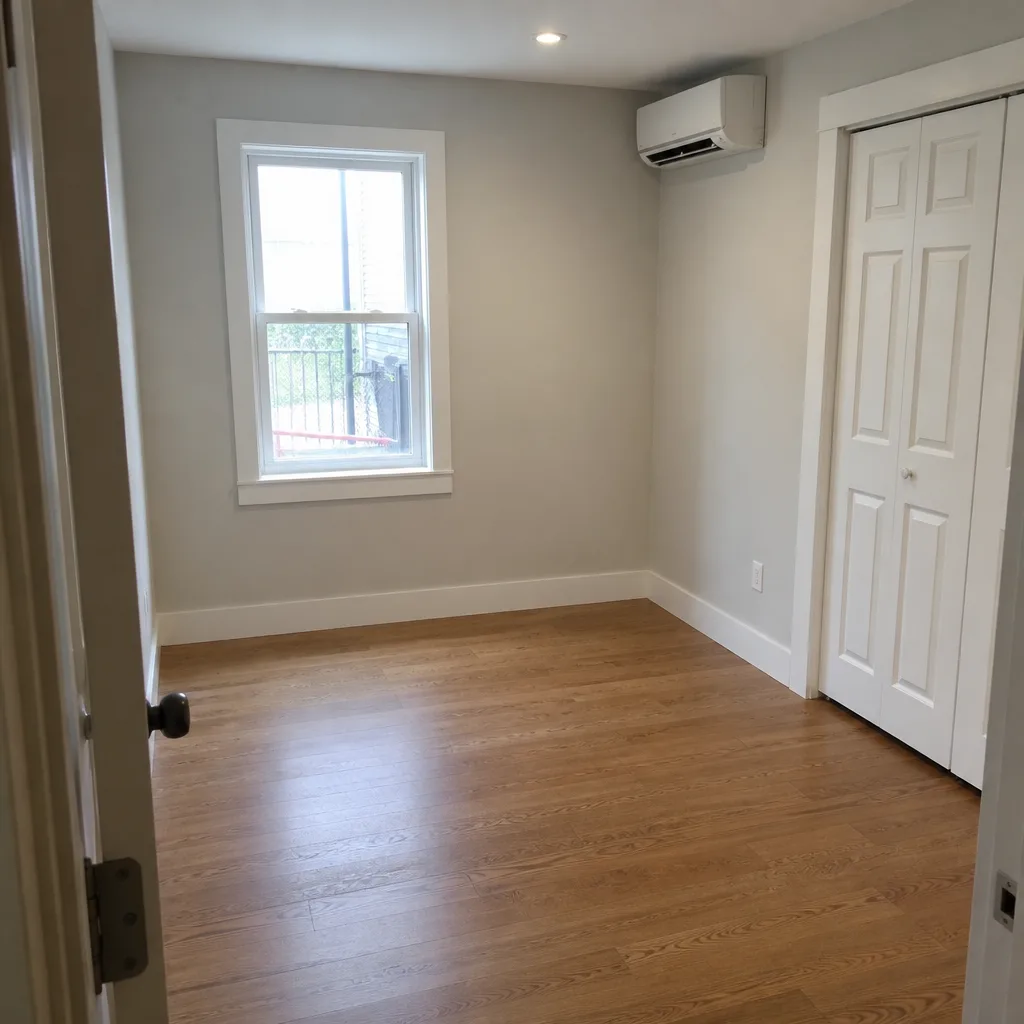 After
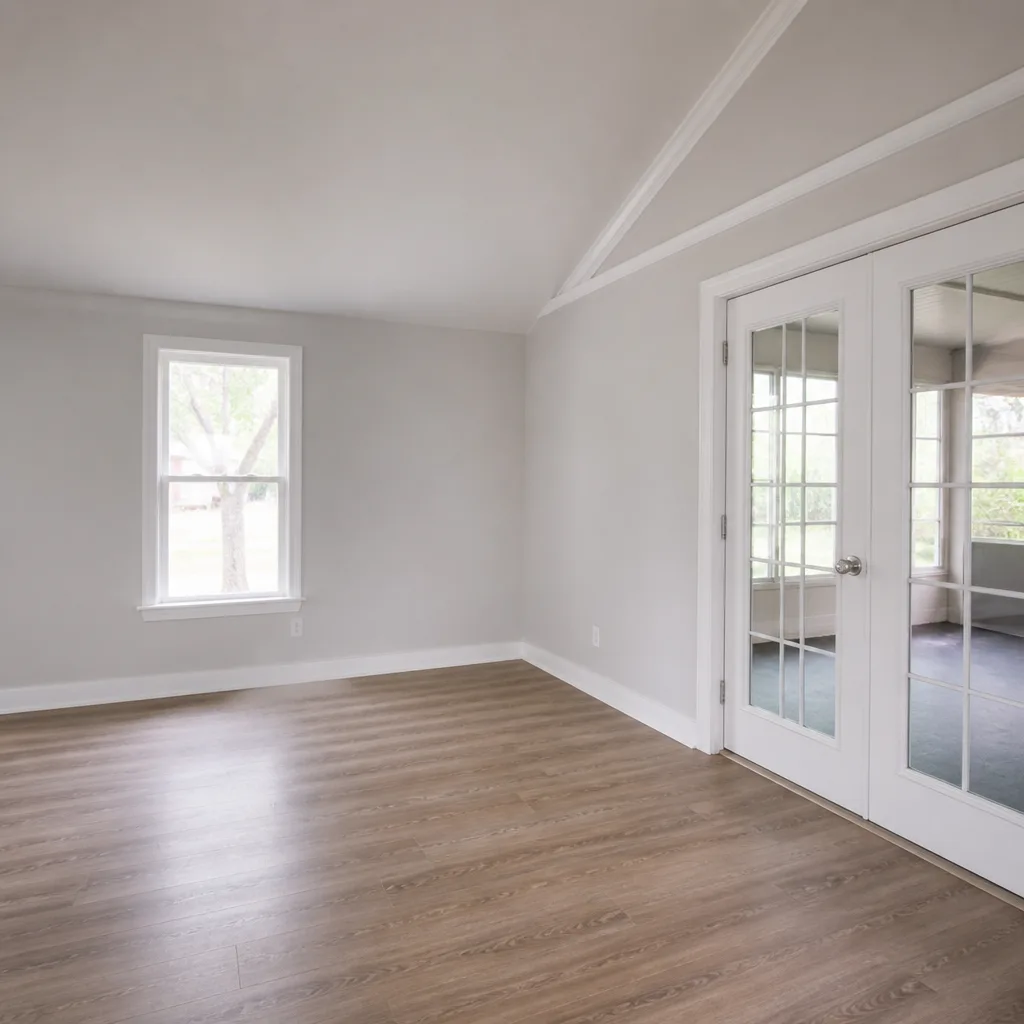
After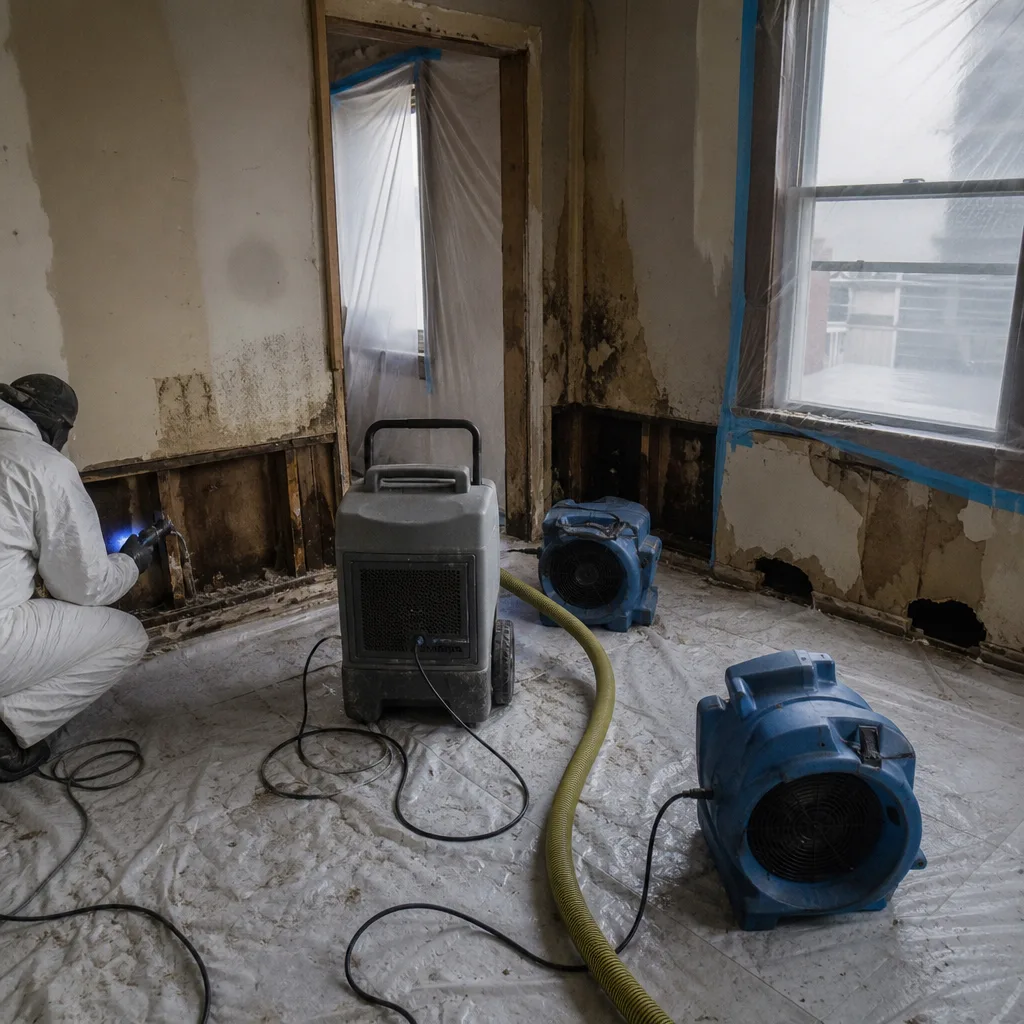 Before
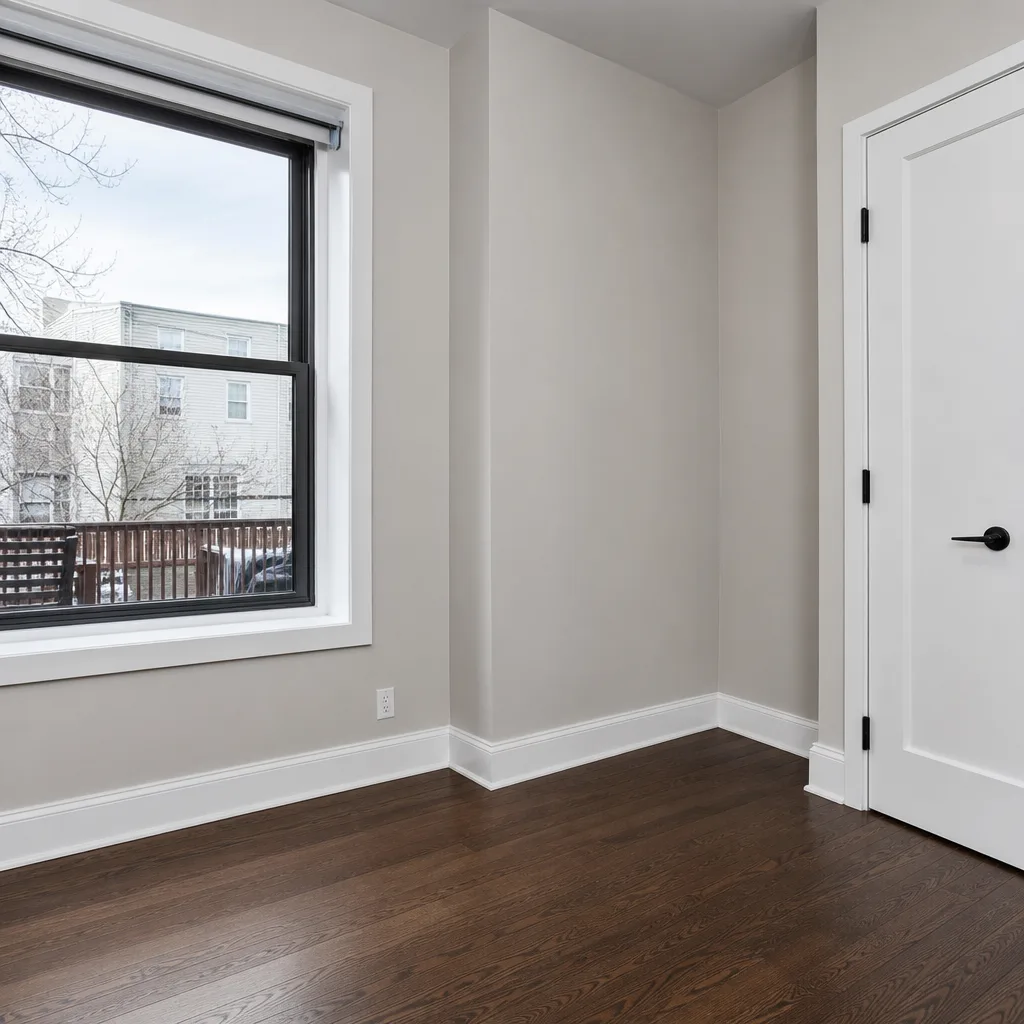 After
After24/7 Emergency Storm & Disaster Restoration in Union City
Storm damage in Union City hits different than it does in the suburbs. A wind-driven roof failure on a 1920s tenement isn’t one apartment’s problem. Call (363) 208-1526 and you get Wade Ferris or someone on his crew, not a call center. We head out fast because water from a storm event starts migrating through cast-iron stacks and un-firestopped joist bays within the hour. The first call is the one that saves the job. Our teams serving Union City handle Storm Damage Cleanup, Emergency Board-Up, Roof Tarping, Flood Damage Restoration, Wind Damage Repair, and Debris Removal. Free visual inspection, honest scope, and we deal with the adjuster so you don’t have to sit on hold with an insurance carrier while water keeps moving.
Understanding Storm & Disaster Restoration Severity in Union City Properties
Union City’s building stock is almost entirely pre-war masonry tenements and attached row houses, four to six stories, sharing load-bearing walls and original cast-iron drain stacks. That changes how storm damage works. A roof leak on the top floor doesn’t stay on the top floor. Water follows the path of least resistance, which in these buildings means deteriorated cast-iron stacks, un-firestopped joist bays, and the continuous cavities behind plaster walls. Moisture mapping is not optional here. We use thermal imaging and hygrometers to trace water migration across stacked units before we cut anything open. Category 2 water, the kind that carries significant contamination, develops fast when storm water mixes with dust, rodent waste, and decades of debris inside old building cavities. Fire and wind damage behave the same way: smoke pushes through shared wall voids, and wind-driven rain enters through failed flashing on flat built-up roofs, then pools on tar-and-gravel decks and finds every crack in the membrane. The severity in Union City is rarely about the original event. It’s about the cascade.
Why Union City Property Owners Choose Wade’s Restoration
- Fast local response: Wade commits to having a crew on the road and headed to Union City within 45 minutes of your call, day or night. Not a salesperson. Someone who can start extraction.
- A real person answers, always: 24/7, you get Wade or a member of his crew on the phone. No automated tree, no answering service, no “we’ll call you back.”
- IICRC-certified crews: Wade’s team holds WRT, FSRT, and AMRT certifications. That means water damage, fire and smoke, and mold remediation are done to the industry’s written standards, not someone’s guess.
- Free visual inspection: For storm damage in Union City, the first look costs you nothing. We tell you what you’re actually dealing with before any work is authorized.
- Direct insurance billing: We bill your carrier directly and handle the paperwork. You shouldn’t have to become an insurance expert while your ceiling is dripping.
- One team, start to finish: From emergency board-up and water extraction to drywall, paint, and trim, the same crew handles it. No handoffs to strangers.
Our Storm & Disaster Restoration Process
Inspection & Assessment
We arrive, walk the full building, and map the damage. In Union City, that means checking the top floor, the basement, and every unit in between. Thermal imaging and moisture meters find what the eye can’t.
Extraction/Stabilization
Water comes out first. We use truck-mounted and portable extraction units to pull standing water from floors, walls, and cavities. If the roof is compromised, we tarp before we dry.
Drying & Dehumidification
Dri-Eaz and Phoenix air movers and dehumidifiers are placed based on the moisture map, not a one-size-fits-all template. Daily moisture readings track progress against the 24-hour mold growth window.
Cleaning & Sanitization
Storm water in pre-war buildings is dirty water. We clean and sanitize affected surfaces, remove contaminated materials, and run HEPA air scrubbers where needed.
Targeted Treatment for Storm Damage
For wind-driven water intrusion, this means opening wet cavities, removing saturated plaster and insulation, and treating framing with antimicrobials. For fire and smoke, we address soot residue types on surfaces and neutralize smoke odor at the source, not with masking sprays.
Repairs & Restoration
We rebuild what was removed. Drywall, plaster repair, paint, trim, flooring. One crew so the scope doesn’t drift and the finish matches. The 90-Day Done Right Promise applies in writing.
Need Emergency Storm & Disaster Restoration in Union City Now?
Crews minutes away, answering live 24 hours a day. The sooner we start, the less it costs.
Working With Your Insurance Company
Storm damage in Union City often means multiple policies. The unit owner above you, the unit owner below you, the building’s master policy, your own contents policy. Someone has to coordinate all of that, and it shouldn’t be you. Wade’s Restoration has handled multi-insurer storm claims in this city long enough to know that adjusters want documentation, not phone calls. From the first hour, we document everything: photos room by room, moisture readings, drying logs, and a line-item scope of work written in the format carriers accept. Wade talks to the adjuster directly, so you’re not the one relaying information between two sides. Direct insurance billing means we deal with the carrier’s process while you deal with getting your home back.
What We Provide Your Insurer
- Thorough documentation of the loss
- Photos of all damage, room by room
- Moisture readings and drying logs
- A detailed, line-item scope of work
- Direct coordination with your carrier
Built for Union City’s Loss Calendar
January and February in Union City bring the deep freezes that crack supply lines and freeze flat built-up roofs, prying open seams that have been failing since the Eisenhower administration. When the thaw comes in March, every one of those roof failures turns into a multi-floor water intrusion. Last March, we responded to a wind-driven roof failure on a 1930s tenement near Bergenline Avenue and 15th Street. Our crew ran moisture mapping and found water had traveled down a deteriorated cast-iron stack into four separate units, leaving category 2 water in three kitchens. We set up containment, ran air movers and dehumidifiers, and coordinated access with two landlords and five unit owners before we could start structural drying – all while drying logs showed progress against a 24-hour mold clock. Late spring and summer bring the thunderstorm microbursts that overwhelm the Palisades grade and flood downhill cross streets, pushing storm water into foundation walls and basement stairwells. Then come the nor’easters, and the cycle starts again. This isn’t a guessing game. It’s a calendar.
Storm & Disaster Restoration Across Union City’s Neighborhoods
Up in the high blocks near Washington Park and the North Hudson border, the tenements sit tight against each other, and a roof failure on one building rarely touches its neighbor. But inside, it’s a different story. Water from a December wind event on a 16th Street walk-up runs down through four floors before it pools in the basement, and by the time anyone notices, the first-floor kitchen ceiling is sagging. Down by the Bergenline corridor, the commercial-residential mix means a single storm can close a storefront and flood the apartments above it. The mixed-use buildings along 32nd Street and New York Avenue carry the same risk: flat roofs over businesses, residential units stacked on top, and old plumbing doing quiet damage behind the walls. The Palisades edge along Palisade Avenue and Kennedy Boulevard is Union City’s steepest grade. Storm water doesn’t just fall there. It runs, and it finds its way into foundation walls and basement entries on every downslope cross street. Our crews know these buildings. We’ve worked in them.
Specialized Storm & Disaster Restoration Services We Offer in Union City
Storm Damage Cleanup
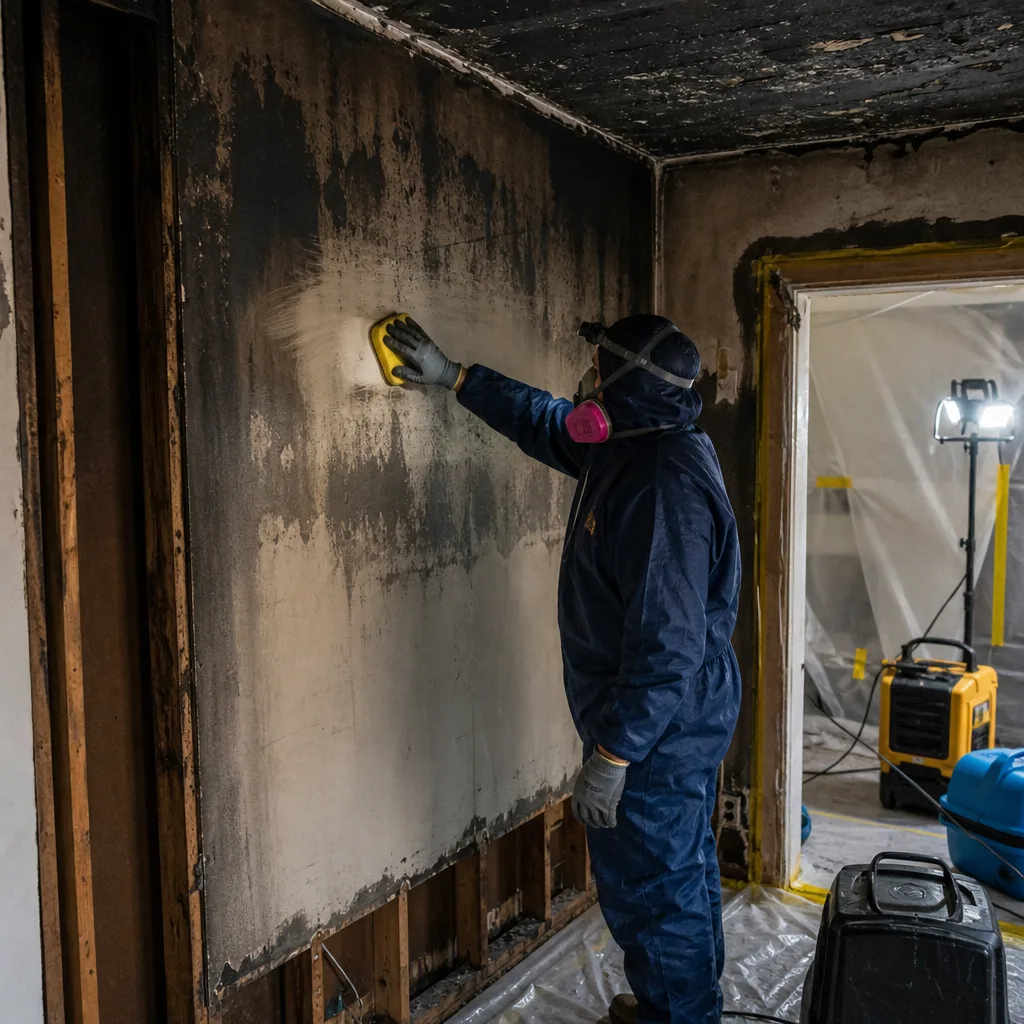
When a storm tears through Union City and leaves damaged roofing, blown-out windows, and water pushing into stacked units, the first job is containment. Our Storm & Disaster Restoration team stabilizes the scene, extracts standing water, and removes storm debris before it causes secondary damage. Pre-war plaster and lath can stay hidden-wet for weeks, so we open and dry, not just mop and go.
Emergency Board-Up
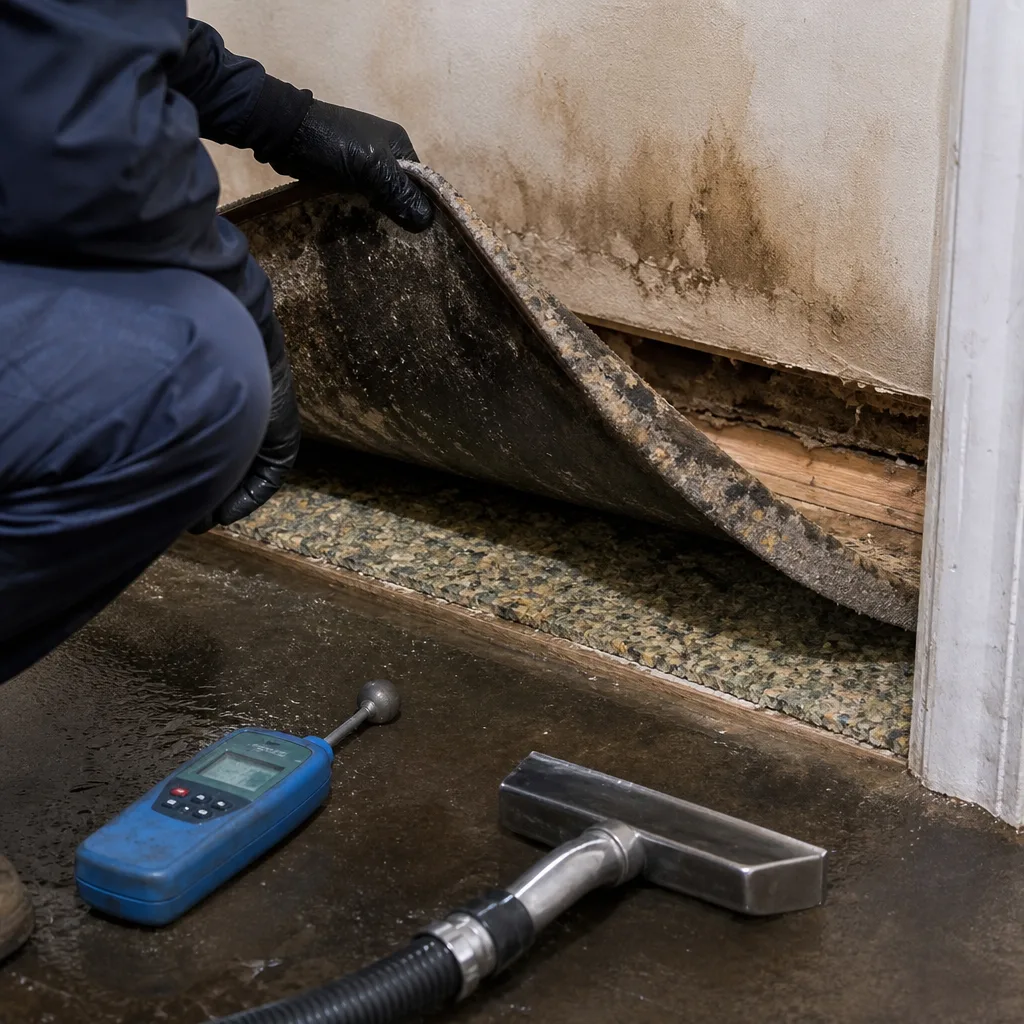
A broken window or compromised door on a ground-floor Union City unit is an open invitation. We board up fast, properly, and with materials that don’t leave even more damage when they come off. Same-day service, 24 hours, because an unsecured building on a densely populated block doesn’t stay unsecured for long.
Roof Tarping
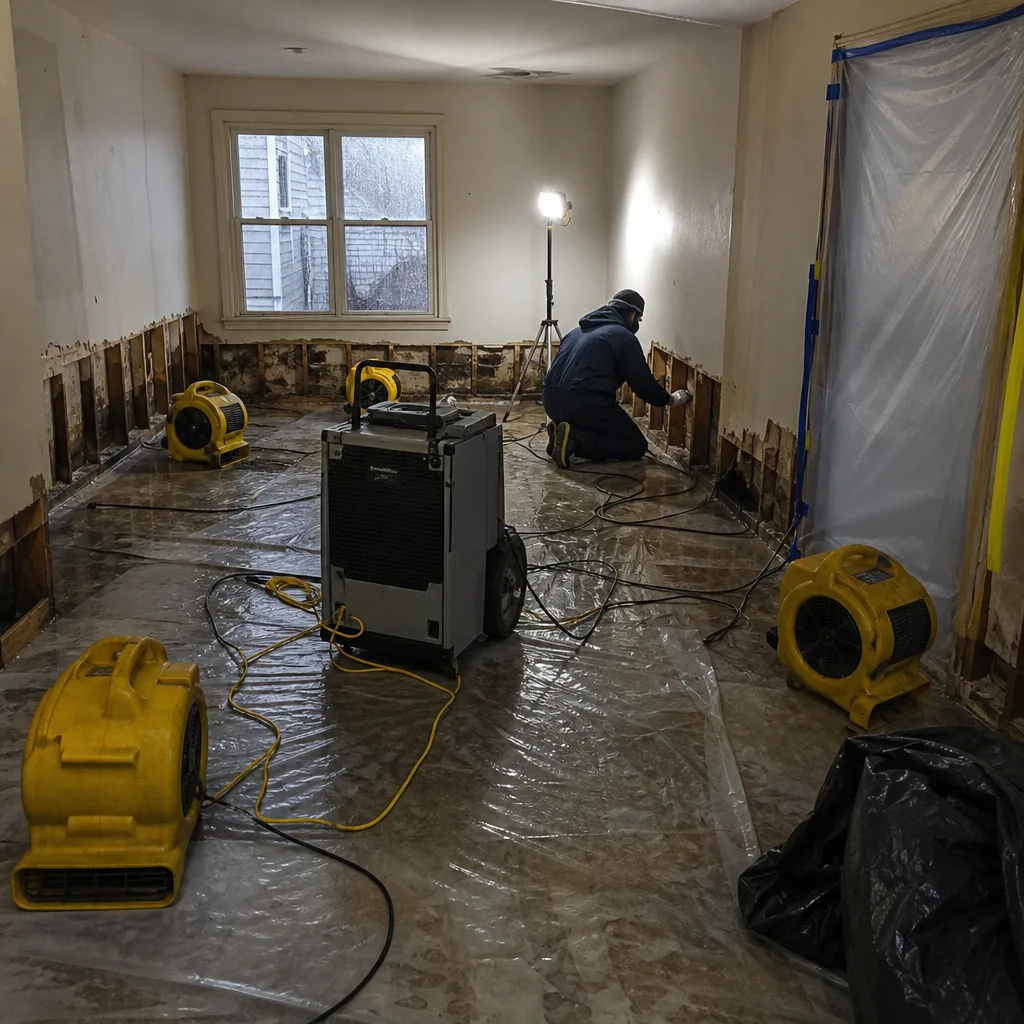
Most Union City tenements have flat built-up roofs. When wind pries up a seam or a tree limb punches through, tarping has to happen before the next rain. We get tarps on within hours, properly anchored, because on a flat roof, “temporary” is a week-long solution while your adjuster reviews the claim and a roofer gets scheduled.
Flood Damage Restoration
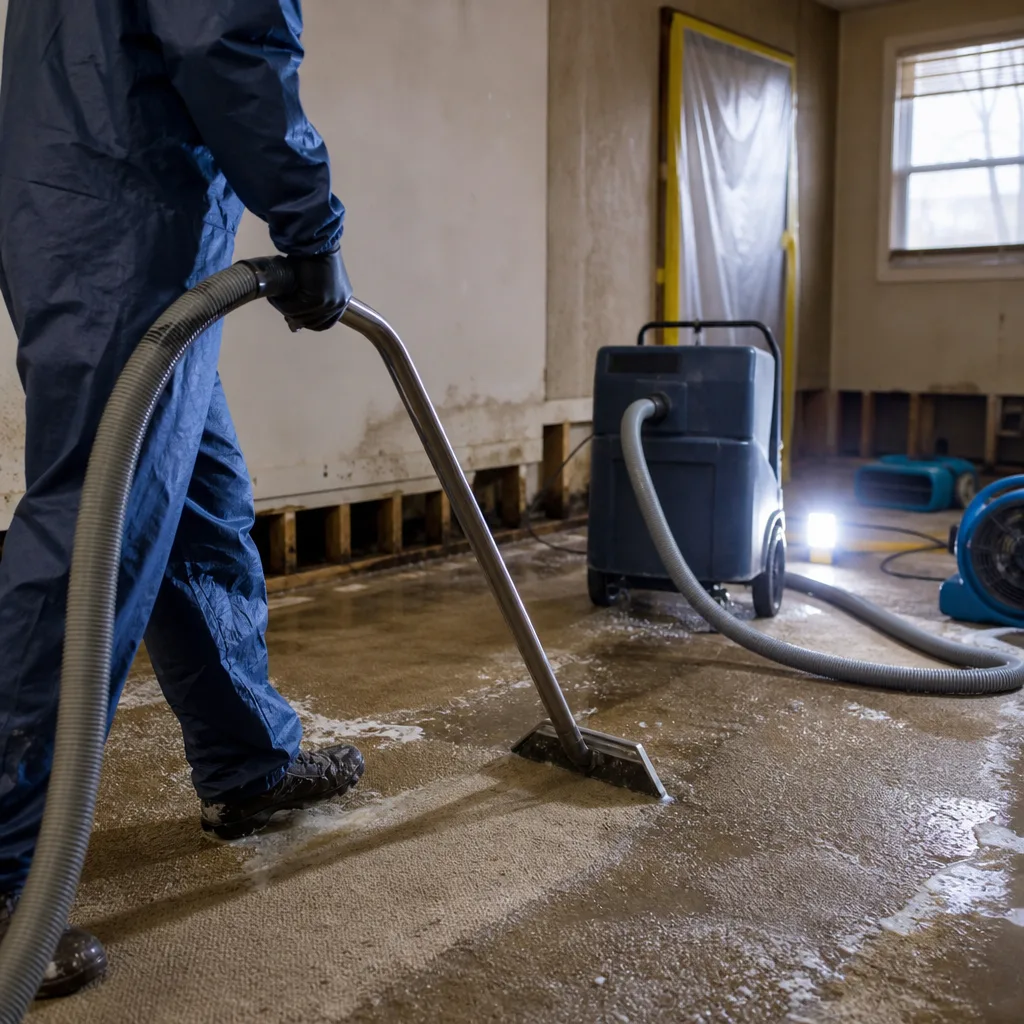
Storm water flooding basements and ground-floor units in Union City carries whatever was in the street, the sewer, and two hundred years of building debris. We treat it as contaminated water from the start, extract everything, remove what can’t be saved, and dry down to acceptable moisture levels with daily documentation.
Debris Removal
After high winds, debris piles up on roofs, in stairwells, and against building entrances. We remove it, document it for your claim, and keep things moving so the actual restoration can start.
What happens when you call
- 1
A real person answersNo phone trees - you reach a local pro.
- 2
You get an upfront price rangeHonest numbers before anyone is dispatched.
- 3
A background-checked tech heads outLicensed & insured, dispatched right away.
- 4
You approve before work beginsNothing starts until you say go.
Storm & Disaster Restoration Costs in Union City, NJ
A straight storm damage cleanup with light water extraction in a single Union City unit typically runs $1,200 to $3,800. When roof tarping is needed first, add $500 to $1,500 depending on the roof size and complexity. Emergency board-up for a broken window or door runs $400 to $900. Flood damage restoration for a ground-floor unit with Category 2 or 3 water, including extraction, removal of saturated materials, and structural drying, typically falls between $3,500 and $9,000. What moves the price in Union City is the cascade: how many units got wet, how many floors the water traveled through, and how much authorization coordination is required before demolition can start. Most storm damage is covered by property insurance, minus your deductible. The free visual inspection gives you a firm scope and number before you commit to anything. Call (363) 208-1526 and we’ll come look.
We Also Serve Cities Near Union City
Our Storm & Disaster Restoration in Union City crews also respond to storm damage, water intrusion, and emergency board-up calls in Weehawken, Hoboken, and North Bergen. Same live answer, same local crews, same 90-Day Done Right Promise.
Serving Union City, NJ - Our Local Coverage Area
We’re based in the Union City area and know this community well. Use the map below to see our service coverage - if you’re nearby, we can almost certainly help.
Union City Storm & Disaster Restoration Questions, Answered
How fast can mold start on wet drywall in a Union City tenement after a roof leak?
Mold can start in 24 to 48 hours on wet drywall, and in a Union City tenement with shared cavities and poor ventilation, that clock starts the moment water makes contact. We treat every roof leak as a race. Extraction and drying start the same day we arrive, with daily moisture readings to prove progress.
Why does a third-floor leak in a pre-war Union City building always show up on the first floor and basement?
Because water follows gravity through deteriorated cast-iron stacks and un-firestopped joist bays. In a 1920s walk-up, the cavities between floors are connected, so a leak that starts on the third floor travels down through the second, the first, and into the basement, often pooling in places no one checks for days.
Do I need permission from other unit owners before you can start storm damage cleanup in my Union City condo?
Yes, and this is one of the biggest delays we see. In buildings with informal condo conversions or separate ownership per floor, demolition and structural work inside shared walls or between units requires access agreements from every affected owner. We coordinate that, but it adds time, so call early.
What kind of water damage from a roof leak is considered Category 2 in Union City?
Category 2 water, sometimes called gray water, contains significant contamination and can cause illness if ingested. In Union City, roof leak water that has passed through old building cavities, mixed with decades of dust and rodent waste, or sat in stagnant pools qualifies. When in doubt, we treat it as Category 2 or higher and clean accordingly.
After a storm, how quickly can you tarp a flat roof on a Union City tenement to stop water intrusion?
We aim to have tarps on within a few hours of the call. Flat built-up roofs can’t shed water on their own, so every hour without a tarp is another hour of water pushing into the building. We’re on the road fast and we carry tarping materials on every storm response truck.
How fast can you actually get to a Union City address?
We commit to having a crew on the road within 45 minutes of your call. Union City is compact, and our crews know the streets. What takes time is the building itself: locating the right unit, coordinating access, and starting work. But we’re there fast.
Will insurance cover storm damage to my Union City apartment?
Most storm damage is covered under property insurance, but the details depend on your policy, your deductible, and whether the water came from the roof, an exterior wall, or a flood event. We document everything, bill your carrier directly, and deal with the adjuster so the claim moves forward.
What should I do in the first 30 minutes after storm damage?
Call (363) 208-1526. Then, if it’s safe, move what you can out of the water’s path, take photos, and don’t touch anything electrical. Don’t try to extract water yourself if you can’t see where it’s coming from. The first hour decides whether you dry out or tear out. Call us and let Wade’s team take it from there. Estimates are free.
Written by Wade Ferris, Owner at Wade’s Restoration, serving Union City, NJ. If it’s not done right, he’ll make it right. In writing.