
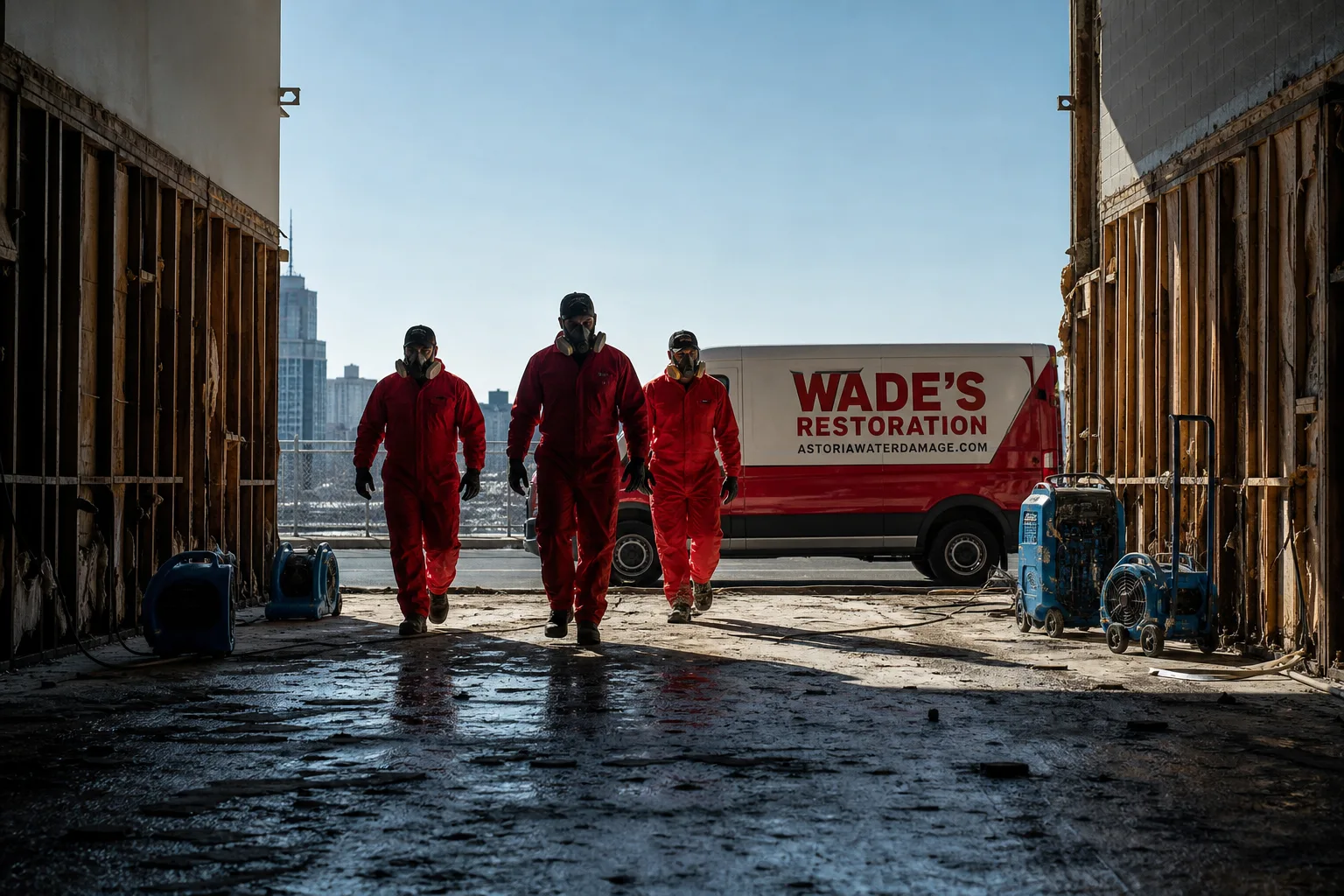
Free visual inspection and a written scope of work before any mitigation begins - photos, moisture readings, and drying logs go in your claim file
The scope we write is the scope we bill. Anything new gets shown to you, in writing, before we touch it.
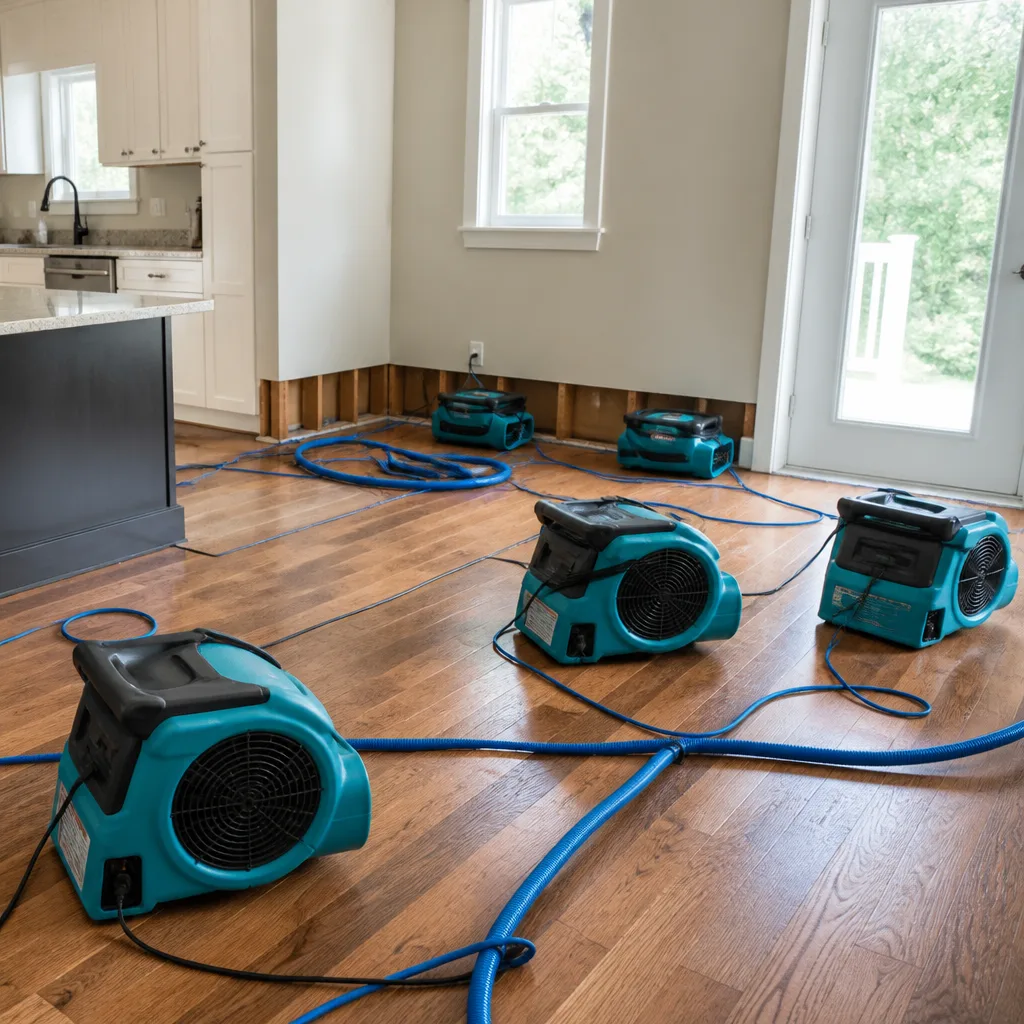
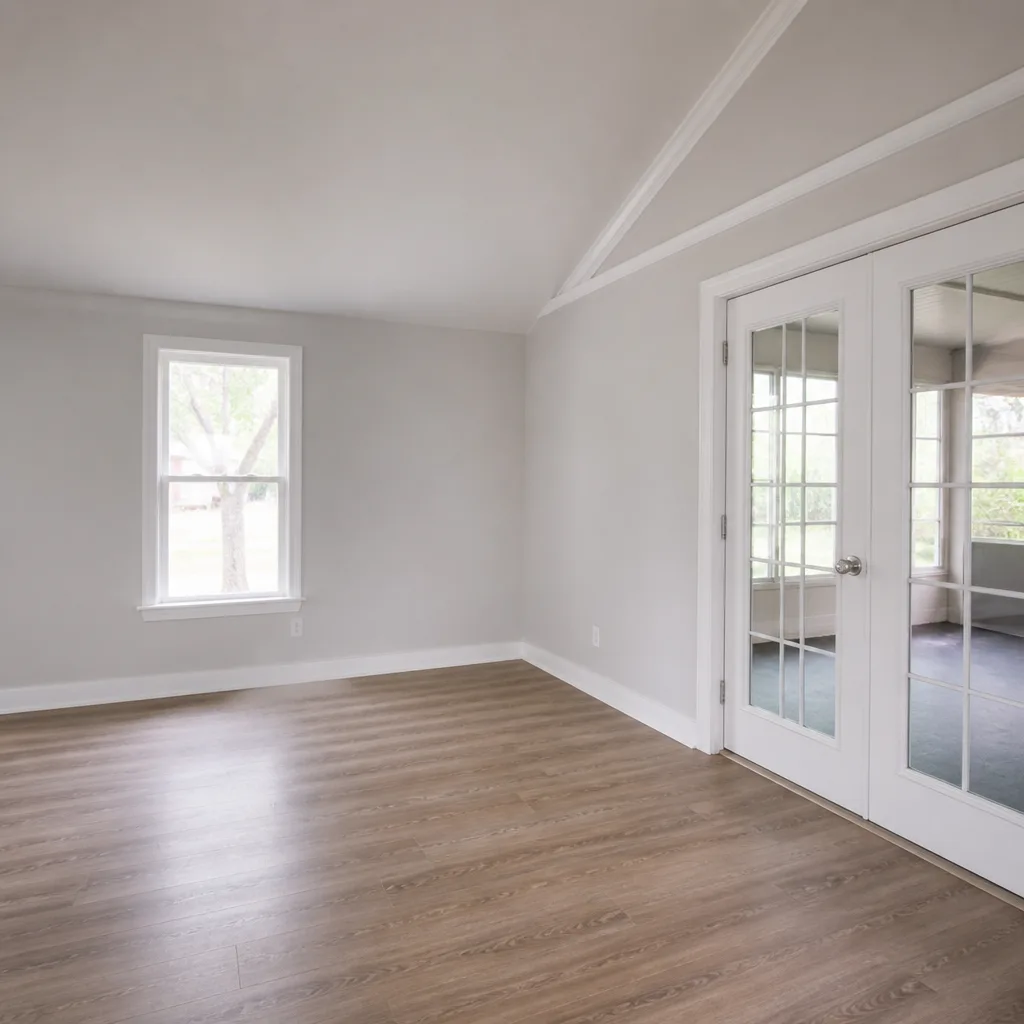
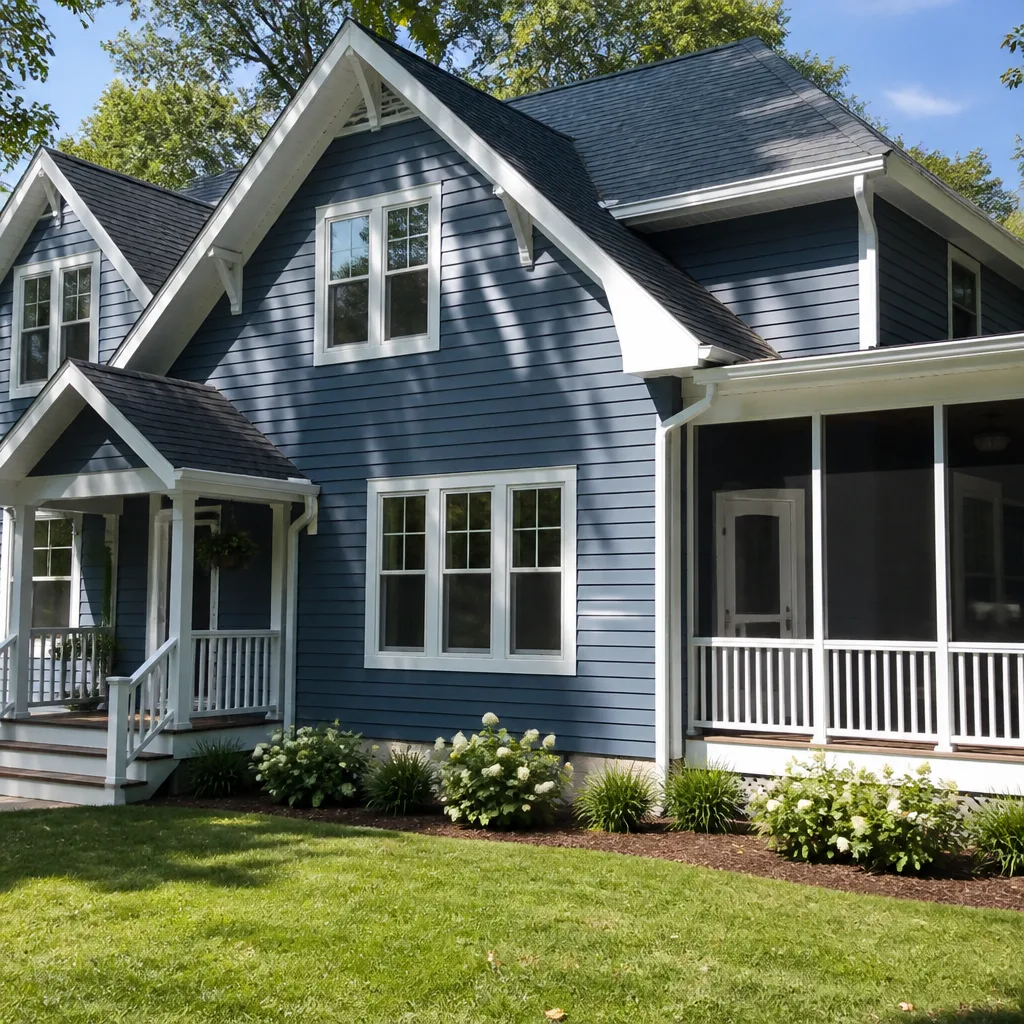
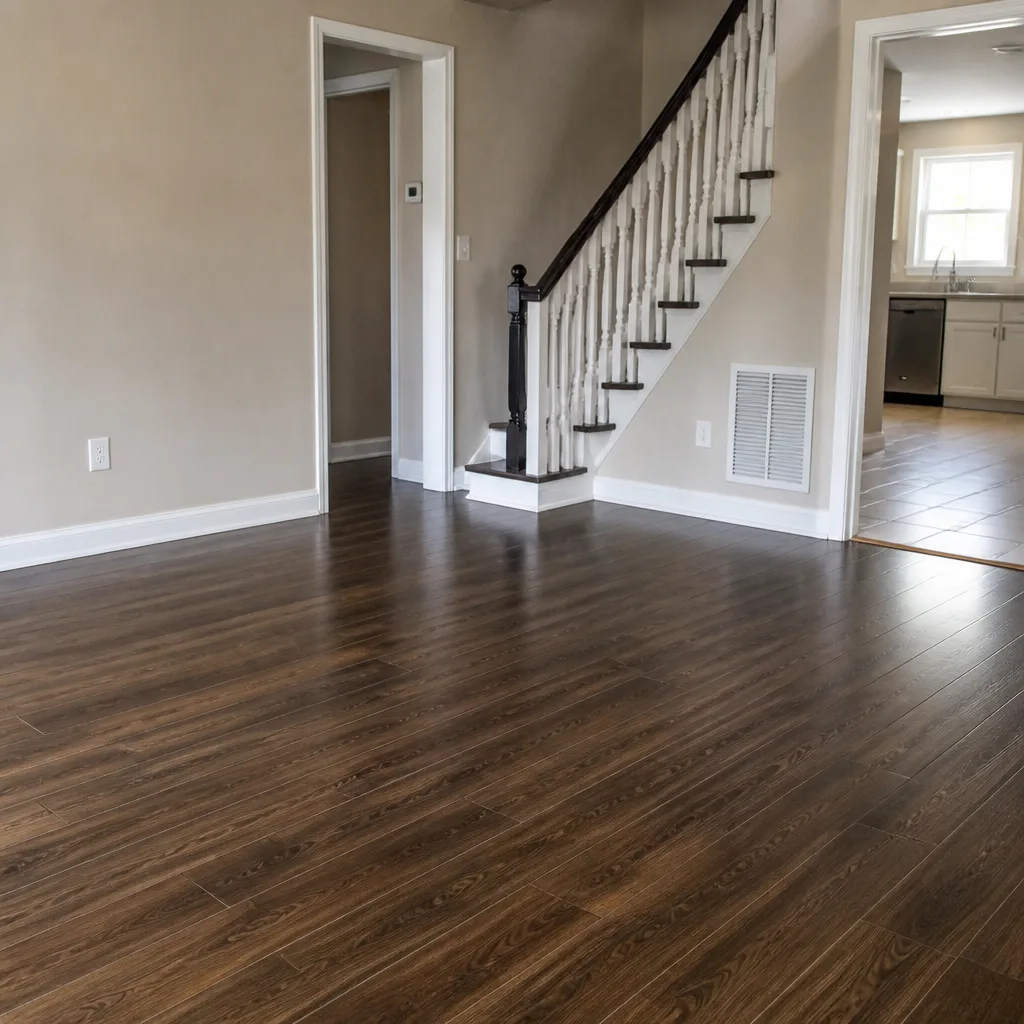
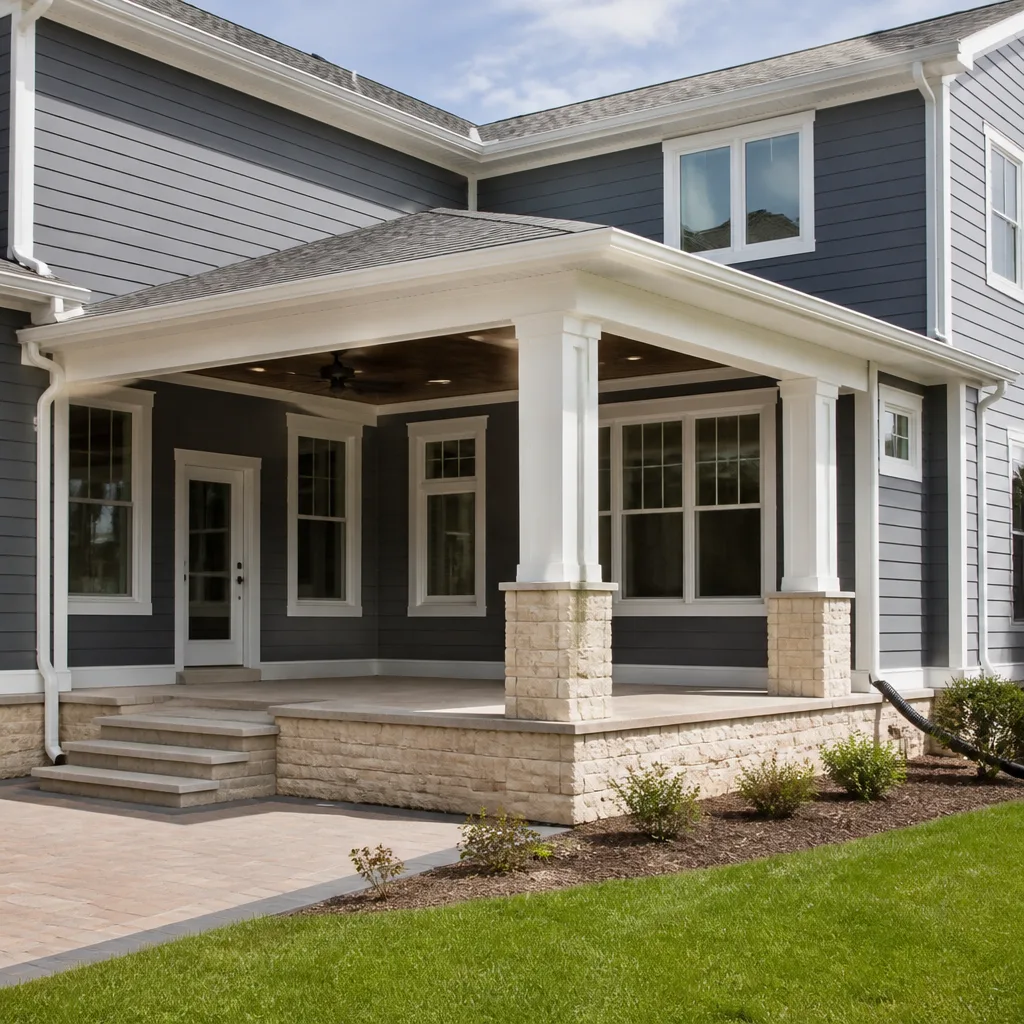
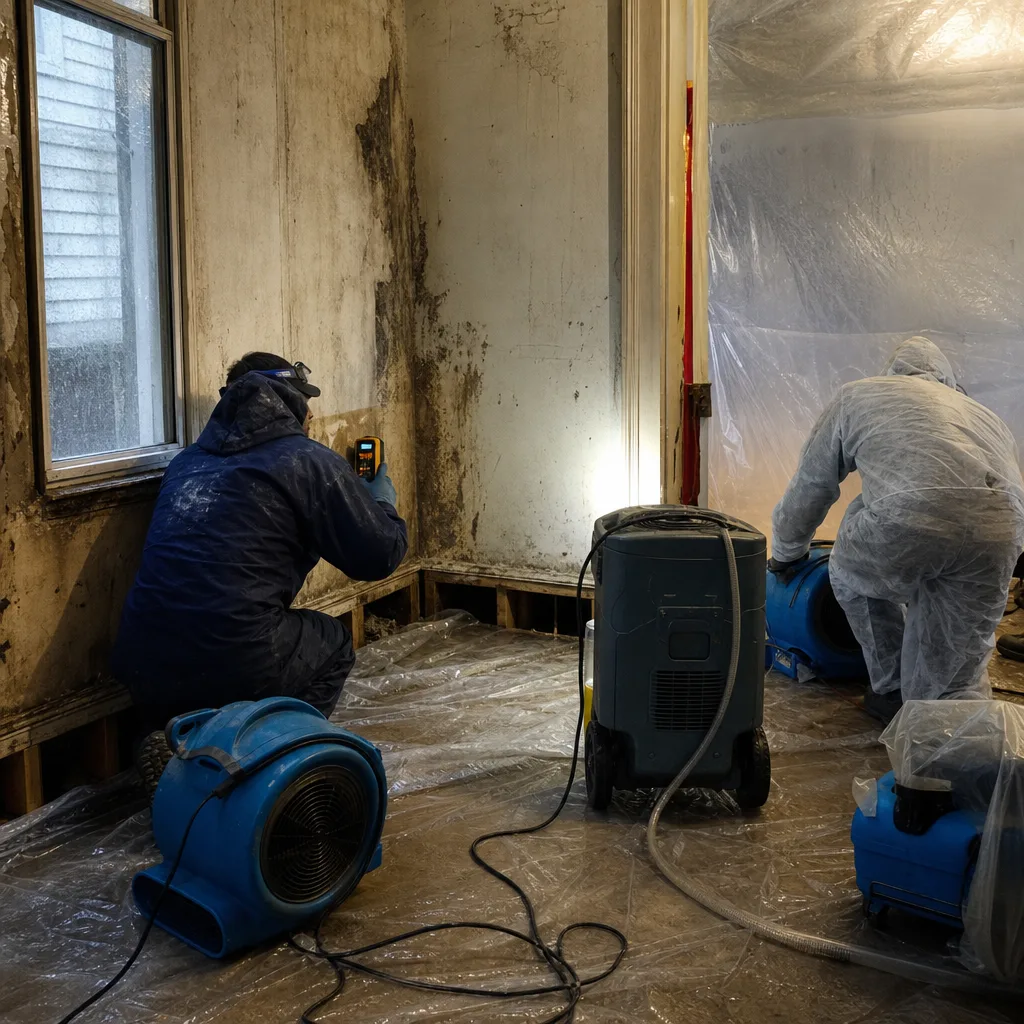 Before
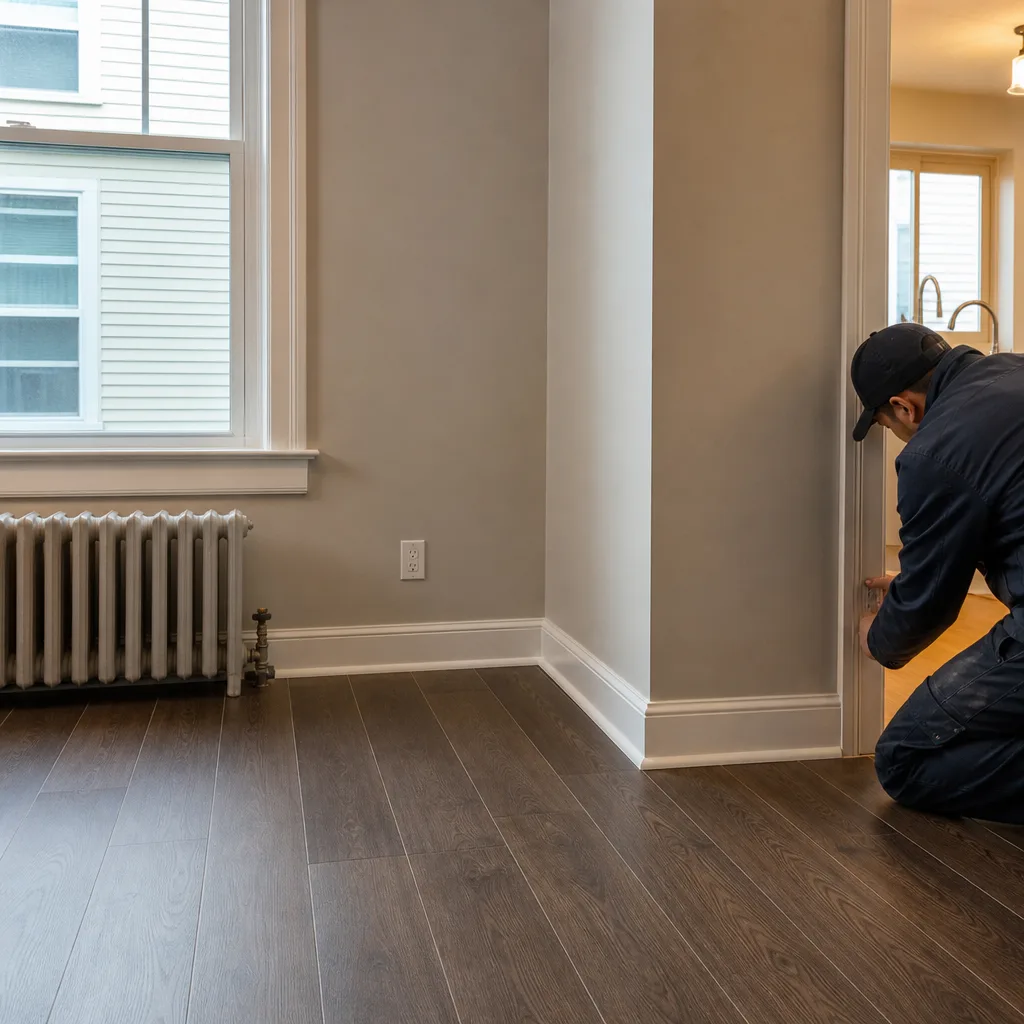 After
After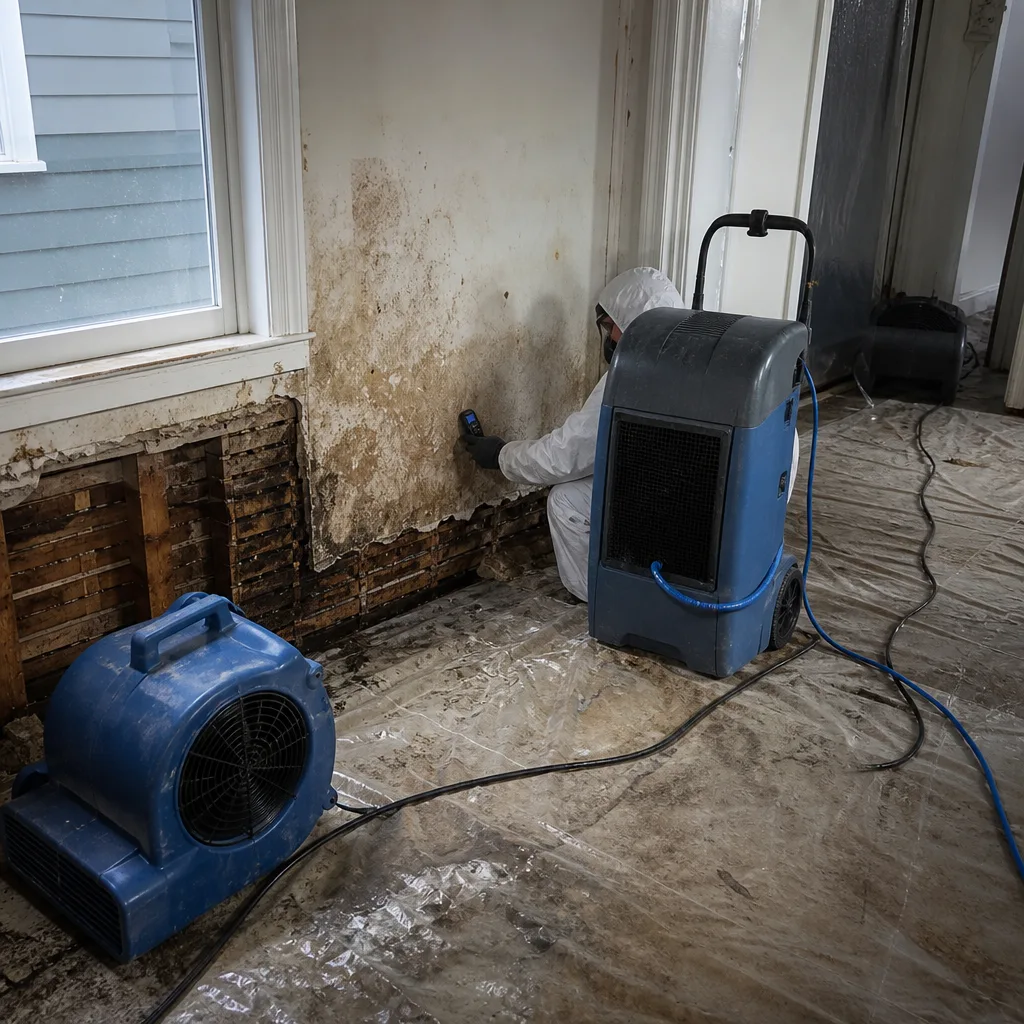 Before
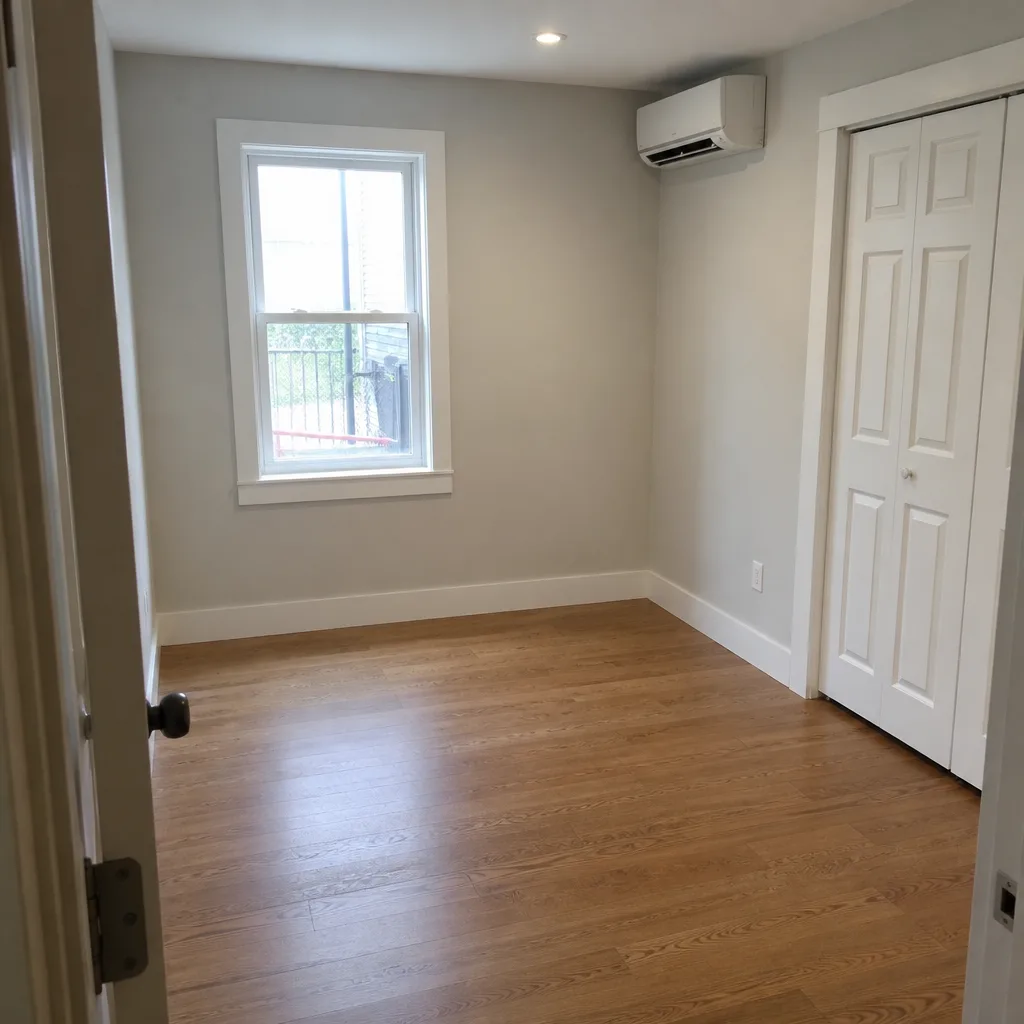 After
After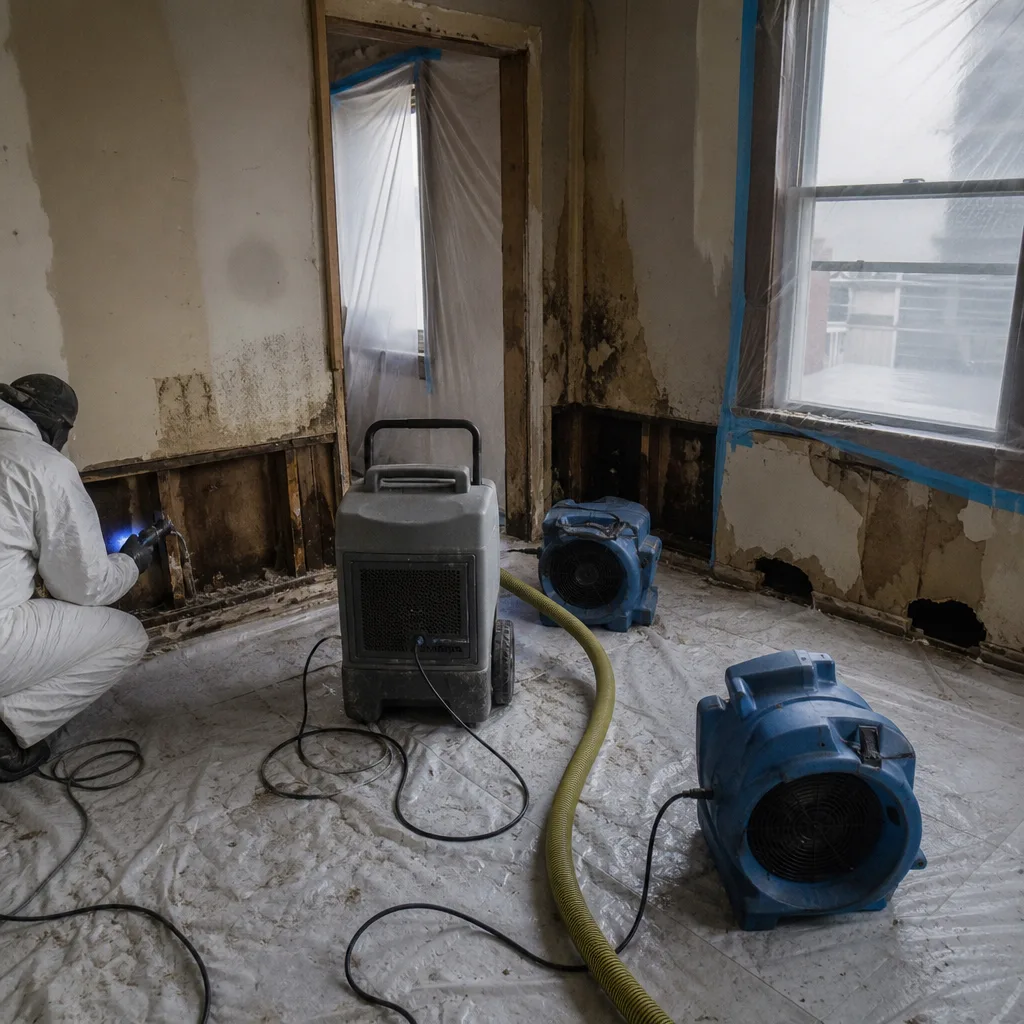 Before
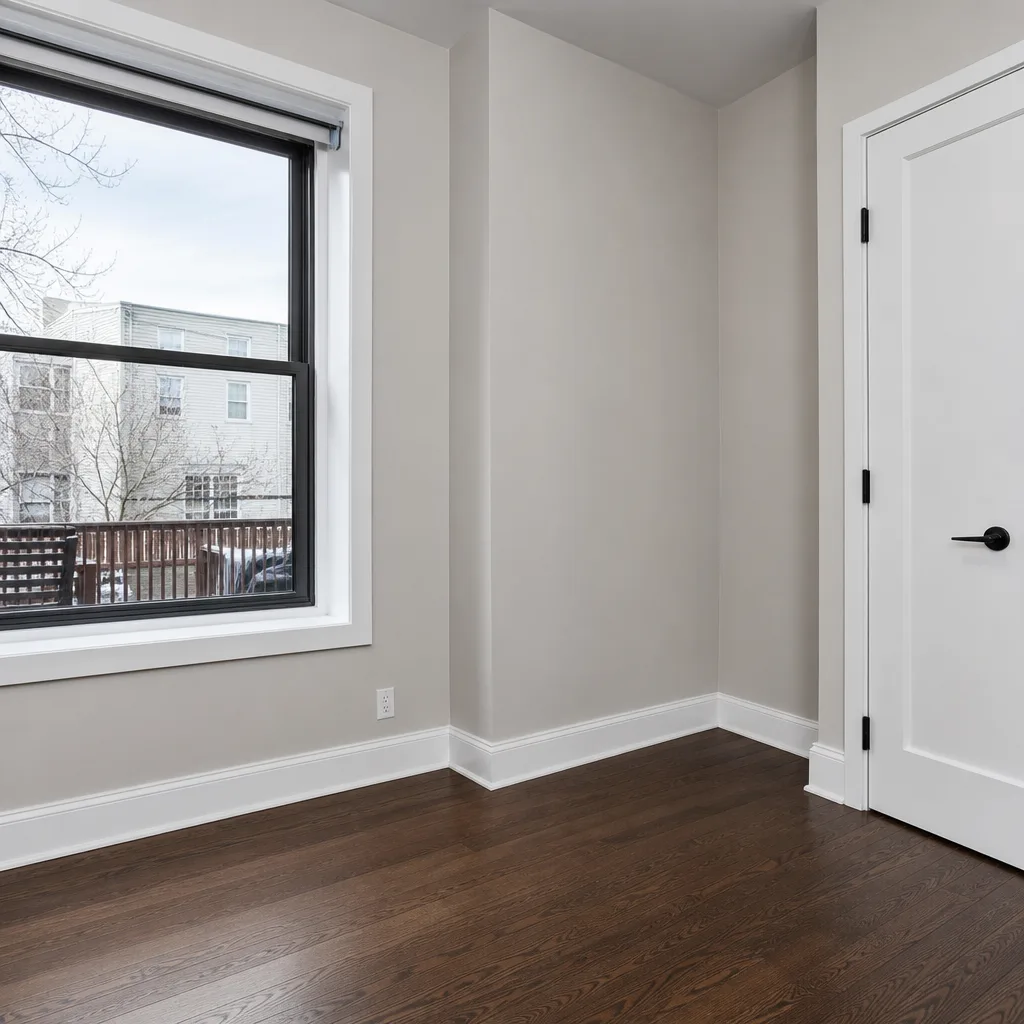 After
After24/7 Emergency Storm & Disaster Restoration in West New York
Storm and disaster restoration in West New York typically runs $1,800 to $8,500 for water extraction and structural drying in a standard apartment, and $6,000 to $25,000+ when storm surge or nor’easter flooding compromises multiple units in a shared building. Most of our West New York calls are answered live by a real person, and crews can be on site within the hour. If you’re standing in water or watching ceiling plaster sag, call (363) 208-1526 right now. The first hour determines whether you’re drying drywall or replacing it. Once water moves through shared floor-ceiling assemblies in a pre-war brick walk-up, you’re no longer dealing with one apartment. You’re dealing with a building. Wade Ferris has been answering his own phone for storm and disaster calls since 2007, and he will be the one coordinating your job, not a call center three states away.
Understanding Storm & Disaster Restoration Severity in West New York Properties
Water damage in West New York is rarely a single-unit problem, and that changes how severity is classified. Category 1 water comes from a clean source, a supply line or a radiator. Category 2 carries contaminants from washing machines or sump failures. Category 3 is the one we see most after Hudson River storm surge or sewer backup: water carrying bacteria, street runoff, and everything it picked up crossing a flooded basement floor. In West New York’s aging brick walk-ups, Category 2 water sitting in a wall cavity for 48 hours can behave like Category 3 because you can’t get airflow into the cavity without cutting access holes. The pre-WWII buildings near Bergenline Avenue have plaster over masonry. There is no gap between the studs to run a drying hose through. That means in-wall drying with specialized injection systems, not just air movers pointed at baseboards. Moisture mapping becomes the critical first step. We use thermal imaging and penetrating moisture meters to trace water migration through shared party walls and utility chases, because what looks like a wet patch in one unit is often the visible edge of a much larger saturation pattern spanning three floors.
Why West New York Property Owners Choose Wade’s Restoration
- 45-minute response commitment: When you call about flood damage in West New York, we tell you exactly when a crew will arrive. Not a window. A time. And Wade’s people show up.
- 24/7 live answer, no answering service: Call at 3 a.m. during a nor’easter and you’ll talk to a person who knows restoration, not a script-reader taking a message for someone else.
- IICRC-certified crews: The people Wade sends into your building hold WRT and ASD certifications for water damage and applied structural drying. They know the difference between drying a pre-war masonry wall and a modern high-rise stud cavity.
- Free visual inspection: Before any work starts, you get eyes on the problem and an honest assessment. No charge for that. Ever.
- Direct insurance billing: We handle the paperwork with your carrier. You handle getting your home back. We document everything the adjuster needs from the first hour.
- One team from extraction to reconstruction: The same crew that pulls the water out is the crew that rebuilds. No handoffs, no finger-pointing, no “that was the other company’s job.”
Our Storm & Disaster Restoration Process
Inspection & Assessment
Wade or a senior lead walks the entire affected area, not just the visible damage. Thermal imaging and moisture meters map how far water has traveled through shared walls and ceilings. You get a written scope of work before anything starts.
Extraction & Stabilization
High-volume extractors pull standing water fast. If windows are blown out or a roof section is compromised, we board up and tarp immediately so no more water comes in while we work.
Drying & Dehumidification
Dri-Eaz dehumidifiers and XPOWER air movers go in, sized to the cubic footage and the material type. For pre-war masonry walls with no cavity access, we use in-wall injection drying systems. Moisture readings are taken daily and logged.
Cleaning & Sanitization
Category 3 water demands more than soap and a mop. We apply antimicrobial treatments appropriate for the contamination level, and HEPA air scrubbers run to capture airborne particulates and mold spores.
Specialty Treatment
Storm surge in West New York brings salt water, fuel residue, and sewer contamination. We address each specifically: salt water corrodes wiring and fasteners, fuel residue requires specialized cleaning agents, and sewage demands full containment and disposal protocols.
Repairs & Restoration
Once the building is dry, we rebuild. Drywall, plaster repair, flooring, trim, paint. The goal is getting you back in your unit looking like it did before the water, or better, with documentation of every step for your insurer.
Need Emergency Storm & Disaster Restoration in West New York Now?
Crews minutes away, answering live 24 hours a day. The sooner we start, the less it costs.
Working With Your Insurance Company
Insurance claims are a maze when you’re the one relaying messages between your adjuster and the restoration crew. So we remove you from that loop. From the first hour, Wade’s team documents everything: photos before we move a single item, moisture readings, drying logs, a line-item scope of work that uses the same estimating language your carrier’s adjusters use. Wade deals with the adjuster directly. When your carrier has questions about why a pre-war masonry wall needs in-wall drying rather than surface air movement, the answer comes from someone who knows the building science, not a homeowner caught in the middle. Direct insurance billing means we work with your carrier to get the restoration paid for, and you get a clear picture of what’s covered, what’s not, and why.
What We Provide Your Insurer
- Thorough documentation of the loss
- Photos of all damage, room by room
- Moisture readings and drying logs
- A detailed, line-item scope of work
- Direct coordination with your carrier
Built for West New York’s Loss Calendar
West New York’s storm damage follows a pattern you can set a calendar by. January and February bring freeze-thaw cycles that burst supply lines in uninsulated exterior walls of pre-WWII buildings. The pipes in those brick walk-ups run close to the masonry, which means a frozen pipe on the third floor often leaks through three ceilings before anyone notices. March and April bring nor’easters, and that’s when we see the real West New York problem: storm surge pushing the Hudson River into ground-floor units and basement mechanical rooms along the waterfront. Summer brings flash thunderstorms that overwhelm the town’s combined sewer system, backing Category 3 water into basement-level apartments and storage areas near Kennedy Boulevard and points east. Fall is hurricane season, and the riverside high-rises with their own sandbag protocols are a different job from the walk-ups where the super is the entire emergency response team. Each season has a failure mode, and we’ve seen all of them enough times to know what we’re walking into before we open the door.
Storm & Disaster Restoration Across West New York’s Neighborhoods
The work changes block by block. Along Boulevard East, the waterfront high-rises and condo towers have maintenance staff and response protocols, but storm surge hits their ground-floor lobbies and garage levels hard, and coordinate with property managers before you can even move equipment in. The older brick walk-ups around Bergenline Avenue are a different animal entirely: narrow hallways, no freight elevators, and utility chases that run the full vertical height of the building. A flood in a first-floor unit on 60th Street means water can climb through those chases into apartments two and three floors up. Near Donnelly Memorial Park and the blocks west of Park Avenue, you’ll find the 1950s-60s multi-family buildings with slightly better drainage but the same shared-wall reality. And the ground-floor commercial spaces along Bergenline itself: when the street floods, the water comes in under the door and travels to the back of the store, then down into the basement storage, then into the neighboring store through the party wall. We’ve dried out entire commercial blocks where the moisture map looked like a ladder as it climbed through the building stock. Our Storm & Disaster Restoration team knows these buildings because we’ve worked in them for nearly two decades.
Specialized Storm & Disaster Restoration Services We Offer in West New York
Flood Damage Restoration
West New York’s flood risk is not theoretical. The Hudson River waterfront took serious water during Hurricane Sandy, and nor’easters push surge into ground-floor units along the eastern edge of town on a regular basis. Flood restoration here means extraction first, then detailed moisture mapping across every affected unit, because the water rarely stops at the walls where it first entered. Salt water from surge requires different cleaning than rainwater. Sewage contamination means containment and full removal of affected materials. We handle all of it.
Storm Damage Cleanup
After wind-driven rain enters through windows or a compromised roof, the first visible problem is usually the water. But the second is what’s in it: plaster dust, insulation fragments, broken glass, and whatever blew in from the street. Storm cleanup in West New York means clearing the debris, removing damaged plaster and drywall that can’t be saved, and setting up the drying environment before mold has a chance to colonize. In this town’s river-adjacent humidity, that window is shorter than you’d think.
Emergency Board-Up
When a nor’easter takes out a window or a fallen branch opens a hole in a roof, the building is exposed. Rain comes in, and in West New York, the wind off the river drives rain sideways into openings that look small. We board up windows and tarp roofs fast, using materials that hold up to high wind. In a dense building, an unsecured opening means water in your unit and the ones below you. Board-up is the first line of defense, and we treat it as an emergency, not a follow-up visit.
Roof Tarping
Flat roofs on the older West New York buildings are vulnerable in a way the newer high-rises aren’t: they’ve had decades of patching, the membrane is often compromised in places you can’t see from the ground, and a nor’easter finds the weak spot fast. We get tarps on before water spreads through the ceiling and into the floors below. The tarp is temporary. The damage it prevents is permanent.
Debris Removal
Storm debris in a dense urban block isn’t just branches in a yard. It’s building material in stairwells, glass on sidewalks, and saturated insulation blocking access to the utility room. We clear it and dispose of it properly, coordinating with building management when common areas are involved. The goal is a clean, safe path to the actual restoration work.
What happens when you call
- 1
A real person answersNo phone trees - you reach a local pro.
- 2
You get an upfront price rangeHonest numbers before anyone is dispatched.
- 3
A background-checked tech heads outLicensed & insured, dispatched right away.
- 4
You approve before work beginsNothing starts until you say go.
Storm & Disaster Restoration Costs in West New York, NJ
Here’s what you can expect to pay in West New York’s market. Water extraction alone in a standard apartment: $1,200 to $3,000. Full extraction plus structural drying with in-wall systems for a pre-war masonry building: $4,000 to $9,000 depending on how many units and how far the water traveled. A Category 3 flood with sewage or storm surge contamination requiring demolition and rebuild: $10,000 to $25,000 or more if multiple floors are involved. Roof tarping runs $400 to $900 depending on access and roof type. Board-up runs $300 to $800 per opening. These are honest ranges based on what we actually see in this town, not national averages lifted from a website. Insurance coverage depends on your policy, but most flood damage from a nor’easter is covered if you have flood insurance or if the water entered through wind damage. We’ll walk you through it on the free inspection. Call (363) 208-1526 and we’ll put a real number on your specific situation.
We Also Serve Cities Near West New York
The same crews that handle West New York jobs also cover the surrounding area. We’re regularly in Hoboken, where the flood risk is just as real and the buildings are just as old. Weehawken, North Bergen, and Union City all have their own versions of the same pre-war housing stock and Hudson River exposure. If you’re in one of those towns, the same live-answer phone number applies: (363) 208-1526.
Serving West New York, NJ - Our Local Coverage Area
We’re based in the West New York area and know this community well. Use the map below to see our service coverage - if you’re nearby, we can almost certainly help.
West New York Storm & Disaster Restoration Questions, Answered
How quickly can your crew arrive in West New York after a pipe burst in an older brick walk-up on Bergenline Avenue?
We aim to have a crew on site within 45 minutes of your call. Wade is often already in West New York on other jobs, and the dispatch is coordinated from our New York City office just across the river. The important thing with a pipe burst in a brick walk-up is speed: water traveling through floor-ceiling assemblies and utility chases reaches the unit below within minutes, not hours.
Do I need to coordinate with my building’s super before you start flood damage restoration in my West New York apartment?
If you’re a renter, yes, and we’ll help you do that. The super needs to know because the water almost certainly affects common areas and other units. If you own a condo, your board may have specific protocols for contractor access and insurance. We’ve worked with property managers and condo boards throughout West New York, and we can have that conversation fast so the work isn’t delayed.
What makes drying out a pre-war brick building near the Hudson River different from a newer high-rise in West New York?
Pre-war brick buildings have plaster directly over masonry with no accessible wall cavity for drying equipment. That means surface air movement alone won’t dry the wall: you need in-wall injection systems that force air into the cavity space, and it takes longer. Newer high-rises have standard stud-and-drywall construction with accessible cavities, so the equipment setup is completely different. The river-adjacent humidity affects both, but the older buildings hold moisture longer. We log daily moisture readings so you can see the drying curve, not just take our word for it.
During a nor’easter, can you tarp a roof or board up windows before water spreads through my building’s utility chases?
Yes, and that’s exactly what we do. Board-up and tarping are emergency services, not scheduled work. We’ll get a tarp on the roof or plywood on the window first, then deal with the water that already came in. The faster the opening is sealed, the less water reaches the utility chases and the units below. This is the single most important thing you can do in the first hour.
If storm surge flooded my ground-floor unit near the West New York waterfront, how do you decide what can be dried vs. what must be removed?
Category 3 water, which is what storm surge is, means porous materials that absorbed it generally have to go: drywall, insulation, carpet, upholstered furniture. Non-porous surfaces like concrete, tile, and metal can be cleaned and dried. The real judgment call is the plaster walls in older buildings. If the plaster is still sound and hasn’t wicked water too far, in-wall drying can save it. If it’s crumbling or the contamination is severe, it comes out. We’ll show you exactly where the line is during the inspection, and we’ll document the reasoning for your insurance adjuster.
How much does storm damage restoration cost compared to nearby areas like Hoboken or North Bergen?
West New York pricing runs about the same as Hoboken and slightly higher than North Bergen because of access challenges: narrow streets, no freight elevators in older buildings, and the need for in-wall drying systems rather than standard air movers. A full flood restoration that costs $6,000 in a suburban house with a garage and easy access can run $8,000 to $9,000 in a third-floor walk-up on Bergenline where every piece of equipment goes up the stairs.
How long does structural drying take in a West New York building?
In a newer high-rise with standard stud cavities, 3 to 5 days is typical. In a pre-war masonry building with no cavity access, plan on 5 to 10 days, sometimes longer if the water penetrated multiple floors through utility chases. We take moisture readings daily and hand you the full log at the end of the job. You’ll see the numbers drop day by day, and we don’t declare it dry until the meter says so. Call (363) 208-1526 for an estimate on your specific situation.
What should I do in the first 30 minutes after storm water enters my West New York apartment?
Call us. Then, if it’s safe: shut off power to the affected area, move small valuables up off the floor, and take photos of everything before you touch it. Don’t use a wet vac on Category 3 water. Don’t open walls to “let them dry” because you’ll spread contaminated material through the unit. Don’t wait for the super to decide what to do. The sooner we start extraction and containment, the less of your building we have to tear out. Call (363) 208-1526 right now.
Written by Wade Ferris, Owner at Wade’s Restoration, serving West New York since 2007.