
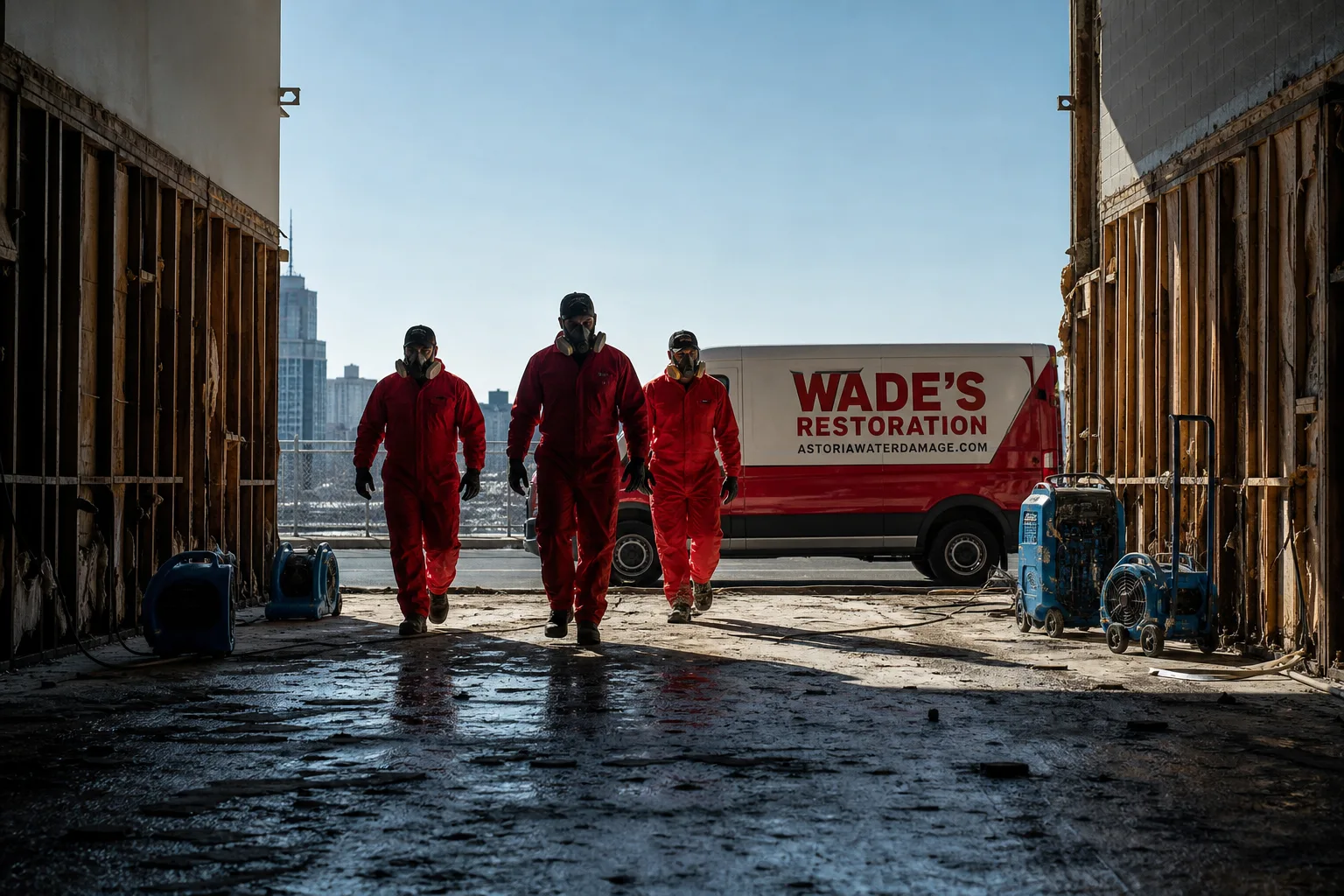
Free visual inspection and a written scope of work before any mitigation begins - photos, moisture readings, and drying logs go in your claim file
The scope we write is the scope we bill. Anything new gets shown to you, in writing, before we touch it.
 Before
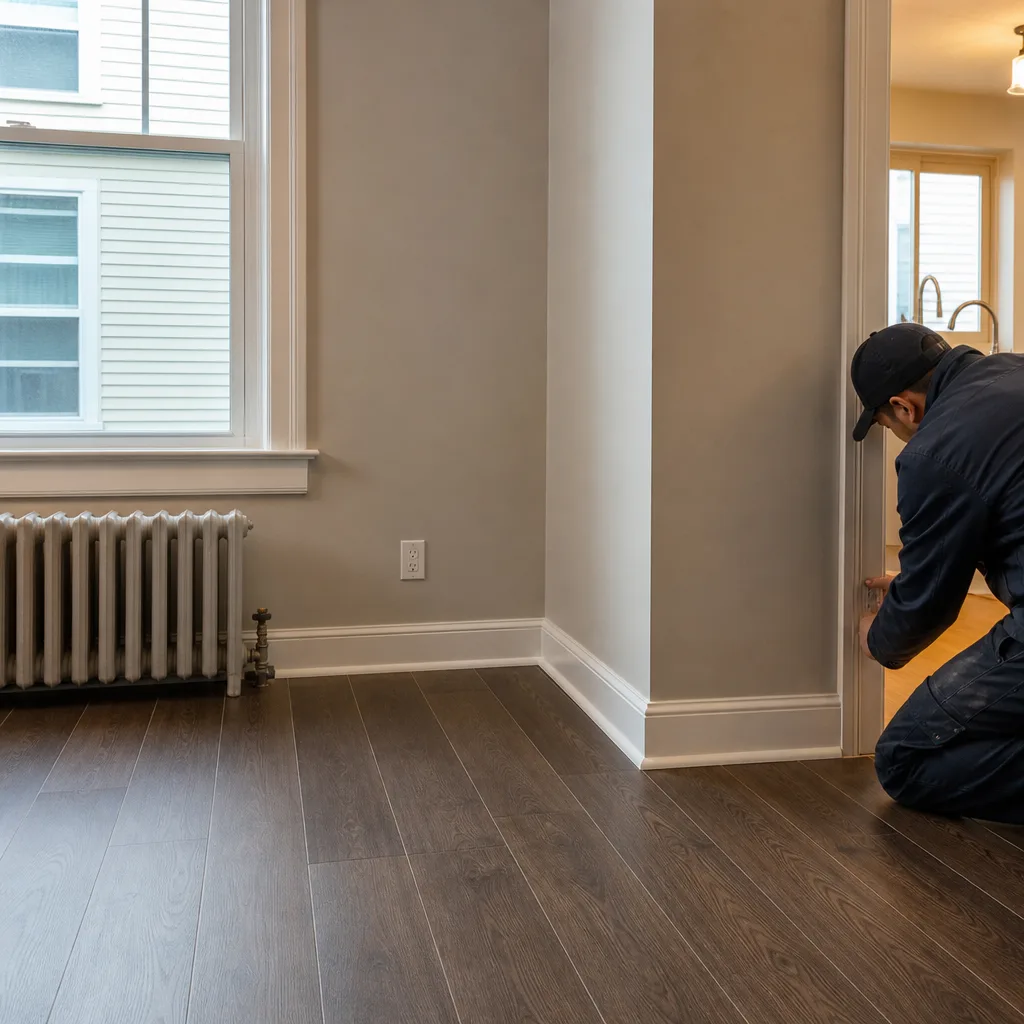 After
After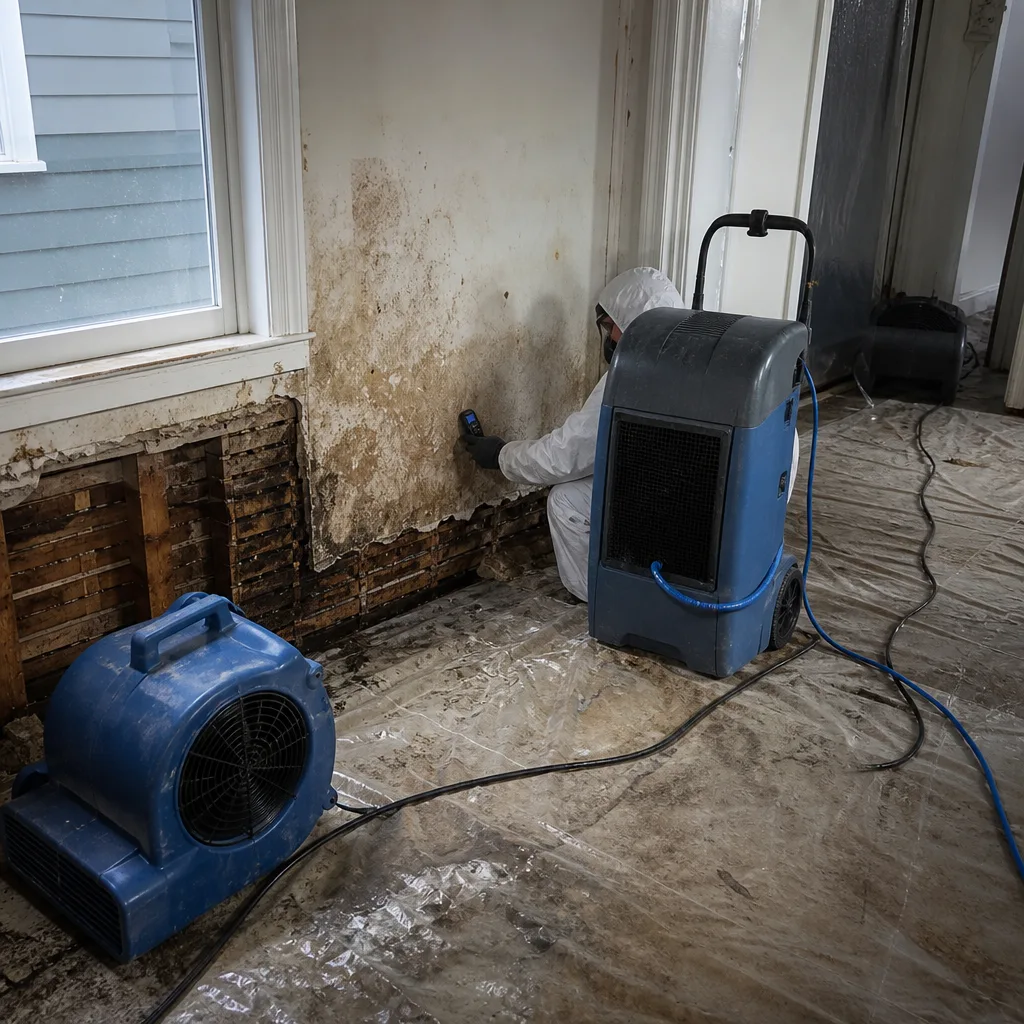 Before
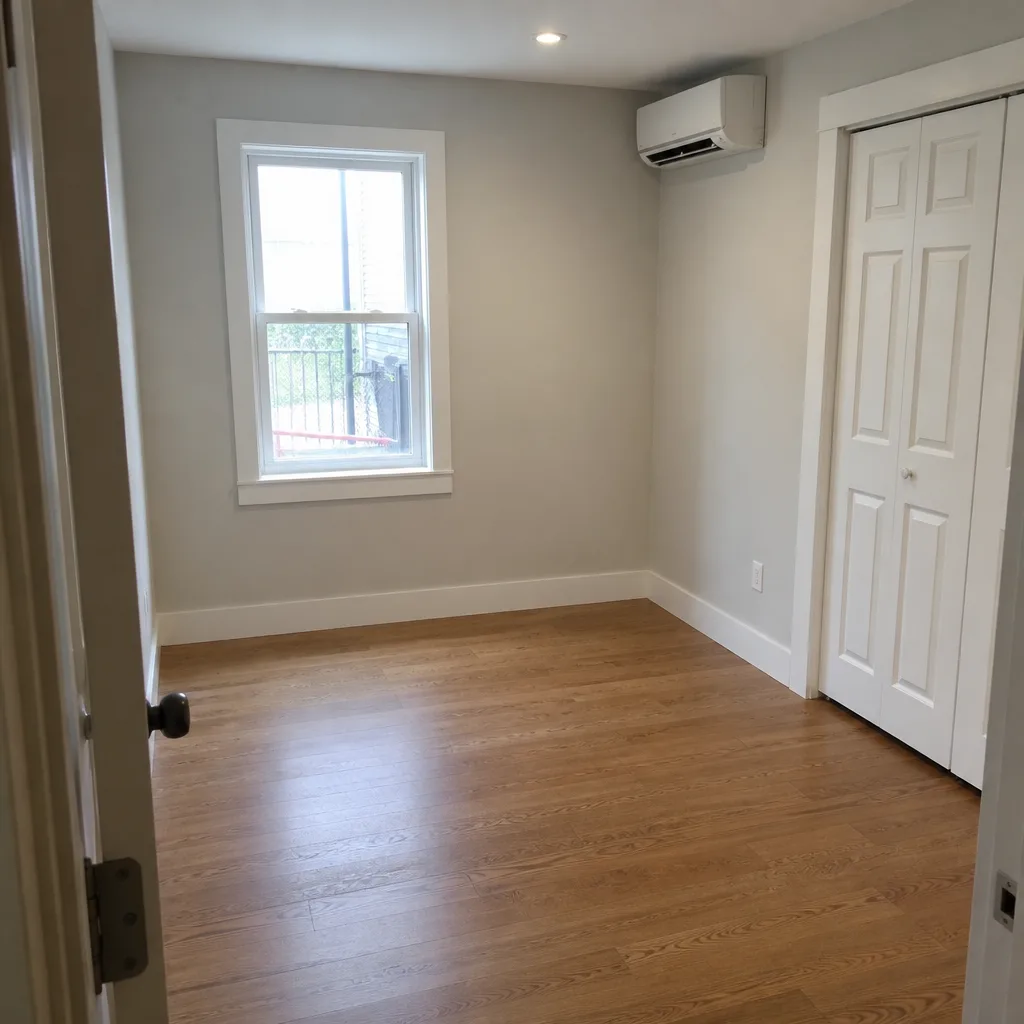 After
After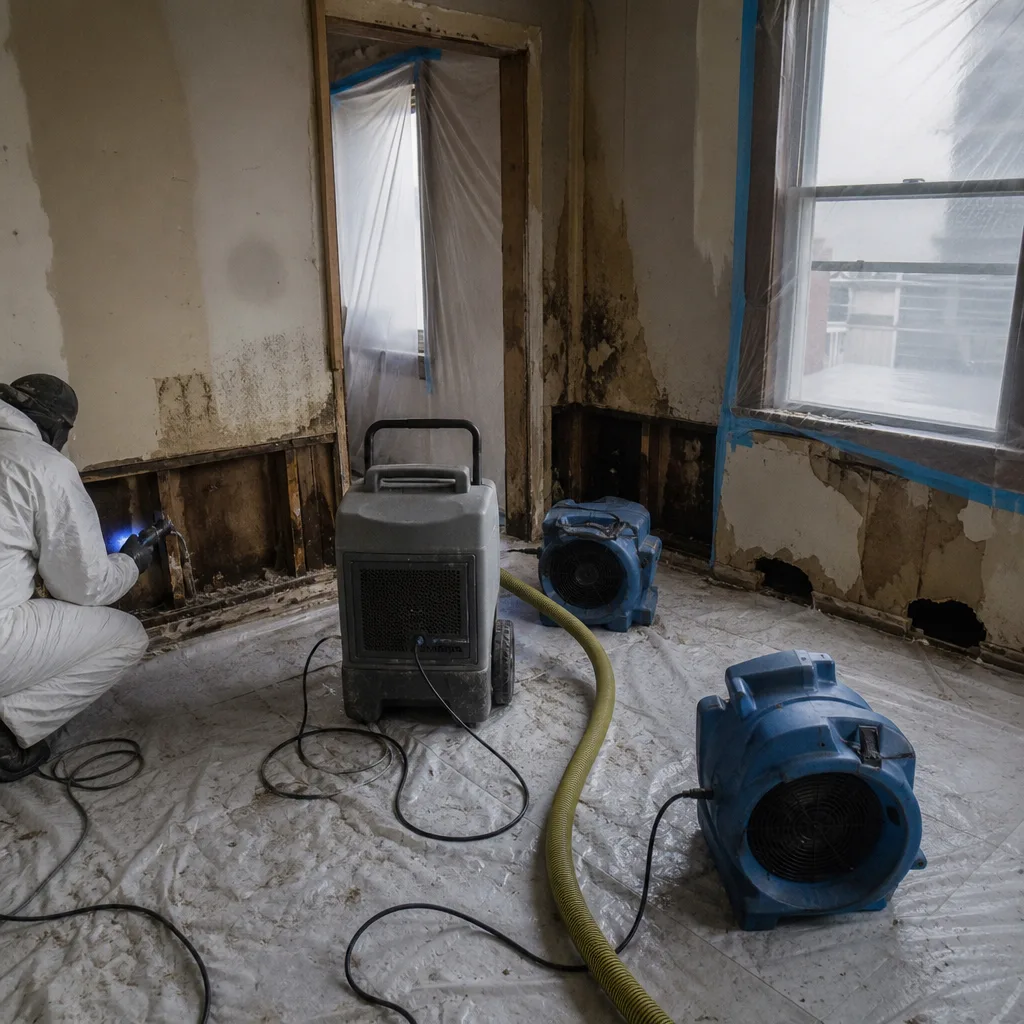 Before
 After
After24/7 Emergency Water Damage Restoration in Flushing
Water damage in Flushing doesn’t wait for business hours, and neither do we. A burst supply line in a 1930s row house off Northern Boulevard at 2 a.m. needs extraction running before the water reaches the neighbor’s basement through the shared party wall. Call (363) 208-1526 any hour, any day. A real person answers, and Wade heads out with the crew. The first hour is everything: standing water in a finished Flushing basement starts wicking into drywall, flooring, and the neighboring attached unit within minutes. We arrive fast because the longer water sits, the more it costs to fix, and in this neighborhood, the damage rarely stays inside one property line.
Understanding Water Damage Restoration Severity in Flushing Properties
Water damage falls into three categories, and in Flushing the category matters more than in most places. Category 1 is clean water from a supply line or faucet. Category 2 carries contaminants, like washing machine overflow or sump pump discharge. Category 3 is grossly contaminated: sewage, Flushing Creek stormwater backing up through floor drains, or street flooding. Here’s the Flushing-specific problem: that stormwater backup through a basement floor drain is Category 3, not Category 1, and it requires antimicrobial treatment, pack-out of affected materials, and proper containment, not just a wet vac and some fans. We see this misdiagnosed constantly. Moisture mapping with thermal imaging and hygrometers tells us where water actually traveled, not just where it pooled. In Flushing’s 1920s to 1950s brick row houses with aging cast-iron drain stacks, water follows the slab, follows the party wall cavities, and follows gravity into the unit next door. Structural drying means we measure daily, in writing, until the wood framing and concrete hit dry standard, which takes longer in Flushing’s humid summer months when the air itself is holding moisture.
Why Flushing Property Owners Choose Wade’s Restoration
- 45-minute response commitment: When you call (363) 208-1526, Wade is on the road within the hour. Standing water doesn’t wait, and neither does he.
- 24/7 live answer, no answering service: Wade answers his own phone. You’ll talk to the owner, not a call center routing you to a franchise in another county.
- IICRC-certified crews: Our techs hold WRT (Water Damage Restoration Technician) and ASD (Applied Structural Drying) certifications, with ASDs for specialty drying. The credentials are current, not framed on a wall from 2010.
- Free visual inspection: No charge to walk the property, scope the damage, and tell you straight what needs to happen. No trip charge inside our own county, either.
- Direct insurance billing: We bill your carrier directly and handle the adjuster communication, so you’re not relaying messages between two parties who never seem to talk.
- One team from extraction to reconstruction: The crew that pulls the water out is the crew that rebuilds the wall. No handoffs, no “that’s a different department.”
Our Water Damage Restoration Process
Inspection & Assessment
We start by scoping beyond the obvious. In Flushing, that means checking adjacent attached units when we’re in the Main Street to College Point Boulevard triangle. Shared brick party walls wick moisture laterally, and a tenant who speaks limited English may not have called the landlord yet. We document everything with photos and moisture readings before we touch a valve.
Extraction & Stabilization
Submersible pumps and truck-mounted extractors pull standing water fast. In a finished Flushing basement with eight-foot ceilings and two rooms of soaked carpet, extraction usually takes 60 to 90 minutes. We secure any active water source first: shut-off valve, broken supply line, or the Flushing Storm & Disaster Restoration line that’s still backing up.
Drying & Dehumidification
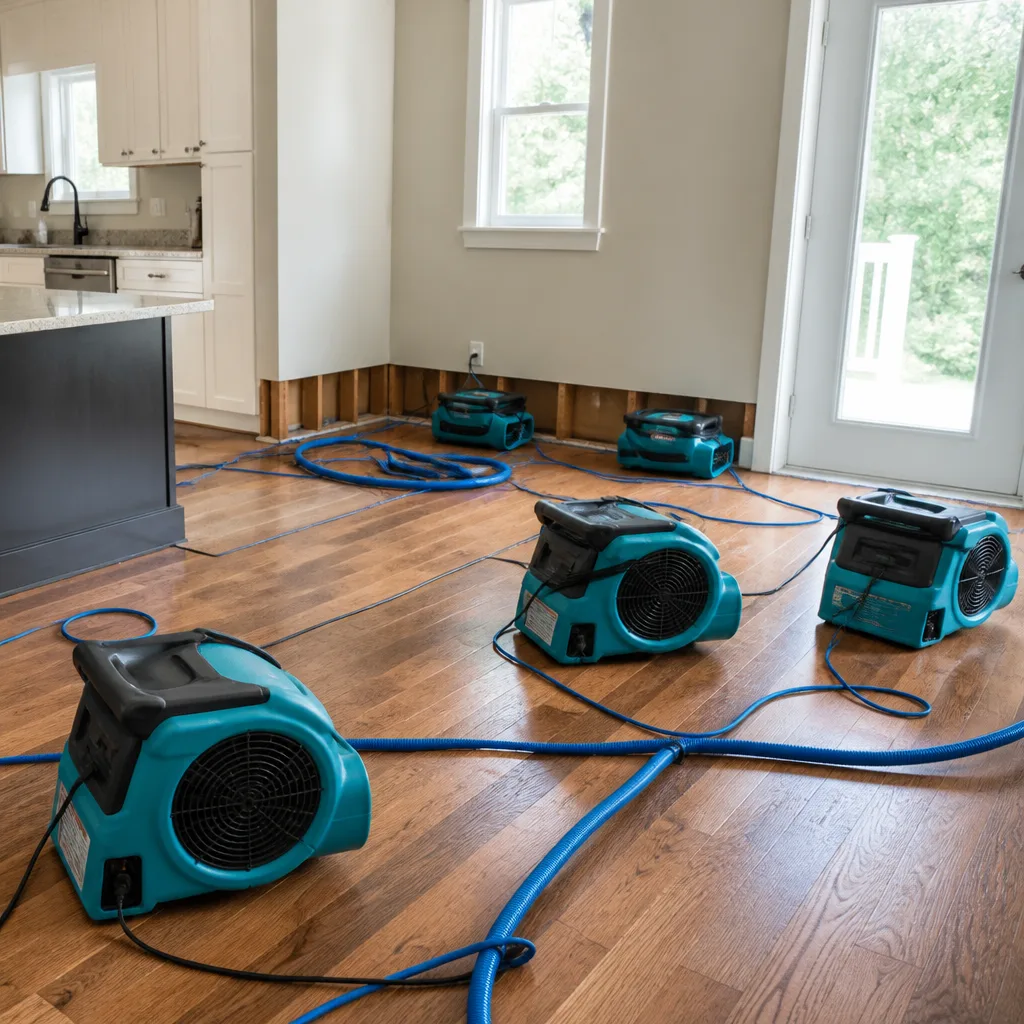
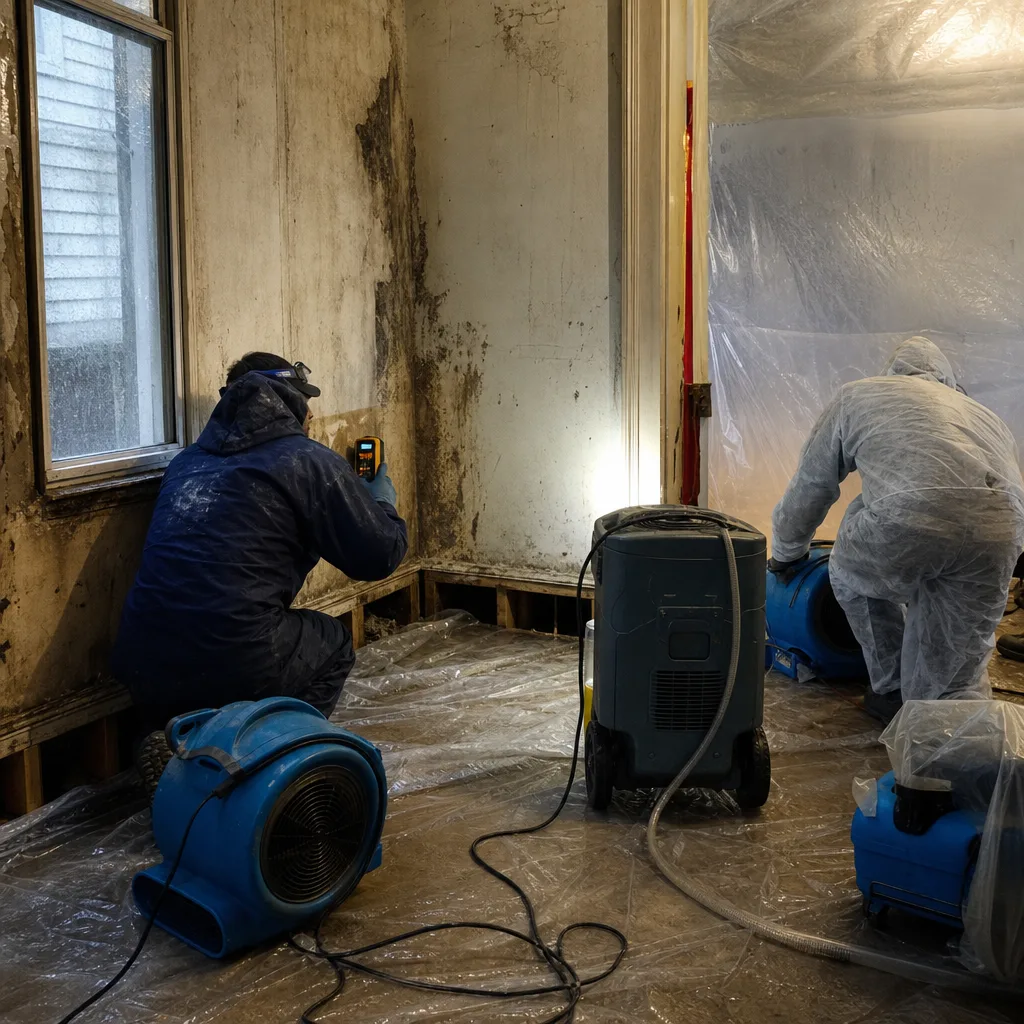
Dri-Eaz air movers go in first, positioned to create airflow across every wet surface. Phoenix dehumidifiers pull moisture from the air and the structure. We place hygrometers in every affected room and log readings daily. You get the moisture log at the end of the job, every reading, not a summary.
Cleaning & Sanitization
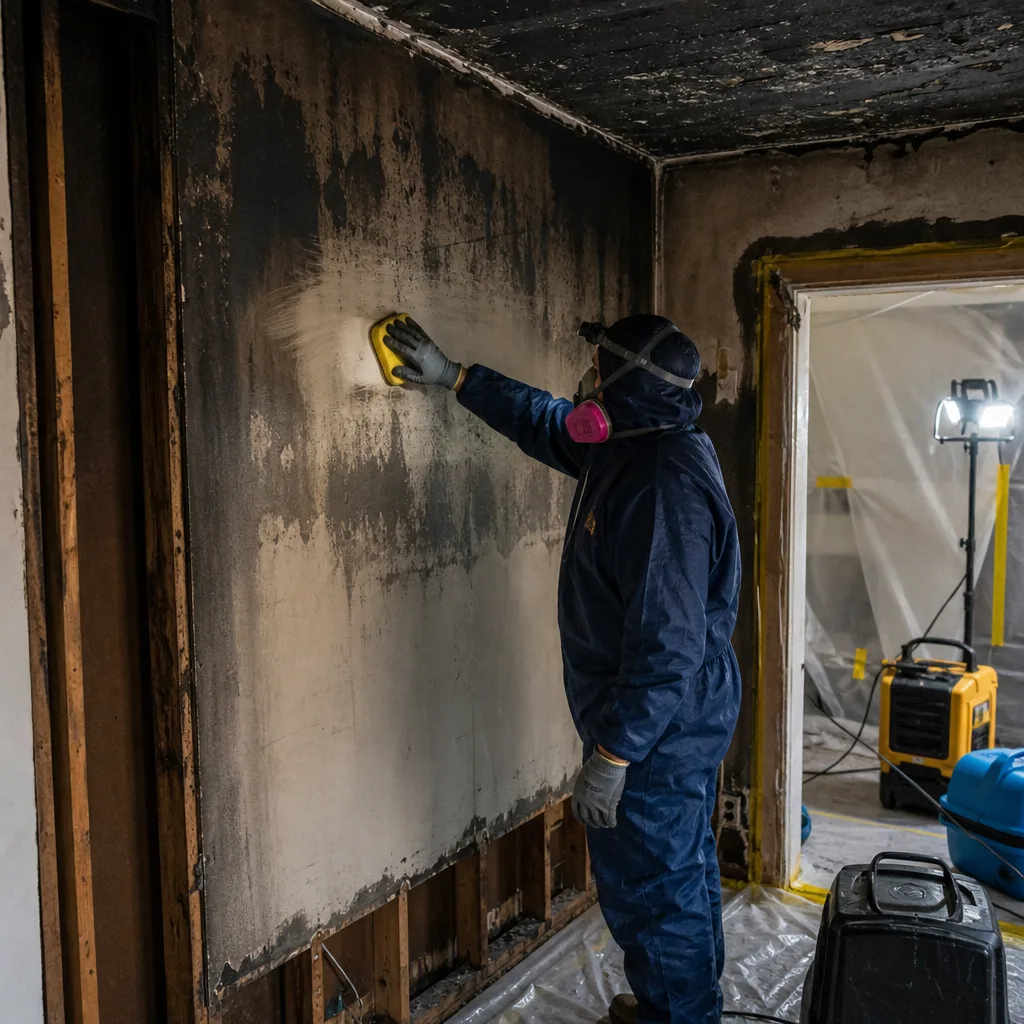
Category 2 and 3 water requires more than drying. We apply antimicrobial treatments, remove contaminated porous materials like drywall and carpet pad, and HEPA-vacuum surfaces. In Flushing basements with finished walls, that often means cutting drywall four feet up, removing wet insulation, and treating the framing behind it.
Specialty Treatment for Flushing Basements
Flushing’s older row houses have cast-iron drain stacks and original concrete floors with no vapor barrier. That means several days of aggressive drying, not overnight. We check adjacent units before writing the final scope, because moisture behind a shared brick wall won’t show up on the first day.
Repairs & Restoration
Once the framing, subfloor, and concrete hit dry standard, reconstruction begins. Baseboards, drywall, flooring, paint. One crew, one scope of work, one contract. The 90-Day Done Right Promise covers the entire job, in writing.
Need Emergency Water Damage Restoration in Flushing Now?
Crews minutes away, answering live 24 hours a day. The sooner we start, the less it costs.
Working With Your Insurance Company
We document from the first hour because insurance claims are won or lost in the first 48. Photos of every affected room, moisture readings from every affected surface, a line-item scope of work that mirrors what your adjuster expects to see. Then we talk to your adjuster directly. You shouldn’t have to interpret what “Category 2 water with wicking through a shared party wall” means to someone in a claims office in Manhattan. We handle the technical conversation. You get copied on everything. It’s your house and your claim; you should never feel in the dark.
What We Provide Your Insurer
- Thorough documentation of the loss
- Photos of all damage, room by room
- Moisture readings and drying logs
- A detailed, line-item scope of work
- Direct coordination with your carrier
Built for Flushing’s Loss Calendar
Flushing’s water damage peaks follow a pattern we’ve learned over the years, and we plan crews around it. January deep freezes burst supply lines in unheated attached garages and crawl spaces, and those failures send water through shared walls before anyone notices. Spring thaw and March rain saturate the ground around Flushing Creek, and basement seepage through hairline foundation cracks becomes a weekly call. Summer thunderstorms overwhelm the stormwater system along Roosevelt Avenue and College Point Boulevard, and Flushing Creek backs up through floor drains, pushing Category 3 water into basements. Nor’easters in the fall and winter hit the older flat-roof stock hard: ponding water finds the seam, the interior drain clogs, and a ceiling leak runs down three floors of a mixed-use building. The low-slope roofing on 1920s row houses is particularly vulnerable. We schedule our calendar around these patterns, not around a national marketing calendar.
Water Damage Restoration Across Flushing’s Neighborhoods
The call we get from Murray Hill is different from the call we get from Downtown Flushing. Murray Hill has the classic stock: 1930s brick row houses with finished basements and shared party walls, where a single supply line failure spreads laterally before it spreads vertically. Downtown Flushing, the Main Street corridor, has the 1990s and 2000s mixed-use condo towers, where plumbing failures on the 14th floor cascade down to units below, and coordination with building management becomes part of the job. The Kissena Park area and parts of Queensboro Hill have more detached single-family homes, a little more breathing room, but older cast-iron stacks and 60-year-old supply lines fail just the same. Around Bowne Street and the blocks west of College Point Boulevard, we see the stormwater backup problem at its worst: those blocks sit low in the Flushing Creek drainage basin, and when the creek rises, the basements fill from below. Each corridor has its own signature failure, and we’ve walked all of them.
Specialized Water Damage Restoration Services We Offer in Flushing
Emergency Water Extraction
Standing water in a Flushing basement needs extraction within hours, not days. Our truck-mounted units and submersible pumps move thousands of gallons an hour. In a finished basement in the Murray Hill corridor, we typically have standing water out in under 90 minutes, with high-volume extraction before the walls and flooring finish soaking it up.
Basement Water Removal
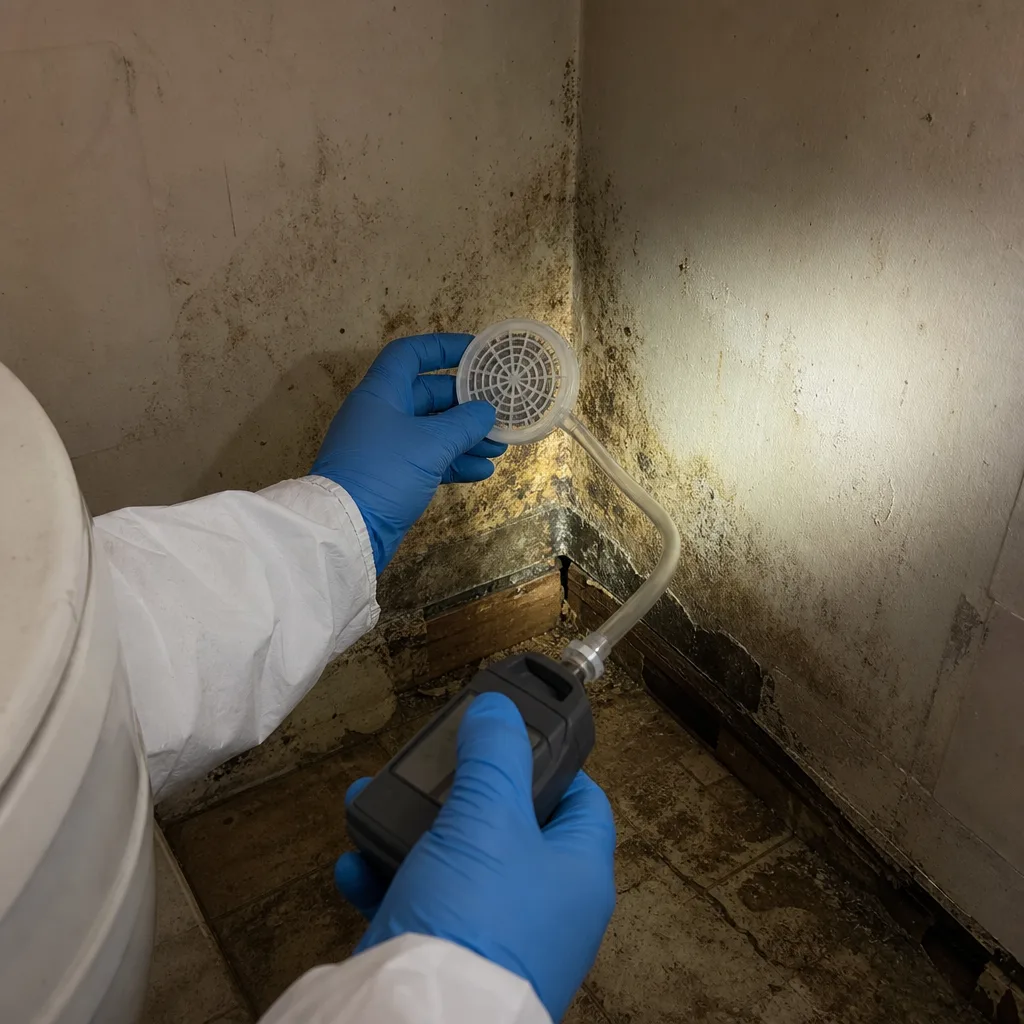
Basements below street grade in Flushing are vulnerable to a specific failure: stormwater from Flushing Creek backing up through the floor drain. That water is Category 3. It requires pump-out, removal of affected materials, antimicrobial treatment, and documentation for a claim that often involves the city’s stormwater system too.
Structural Drying & Dehumidification
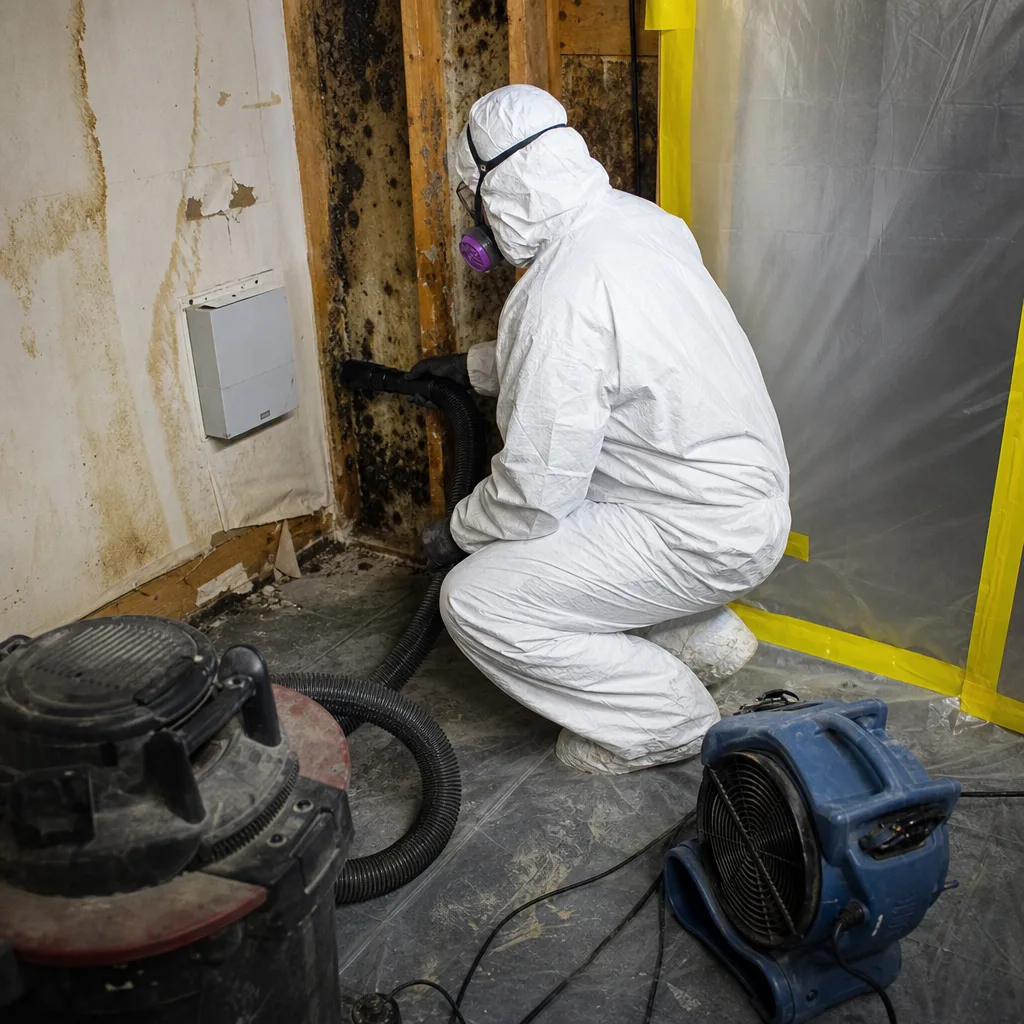
Drying a Flushing row house basement means drying the structure, not just the air. Dri-Eaz air movers and Phoenix dehumidifiers run continuously, with daily moisture readings until the framing, subfloor, and concrete hit dry standard. We’ll also check the adjacent attached unit, because that’s where the water went after it left your basement.
Burst Pipe Restoration
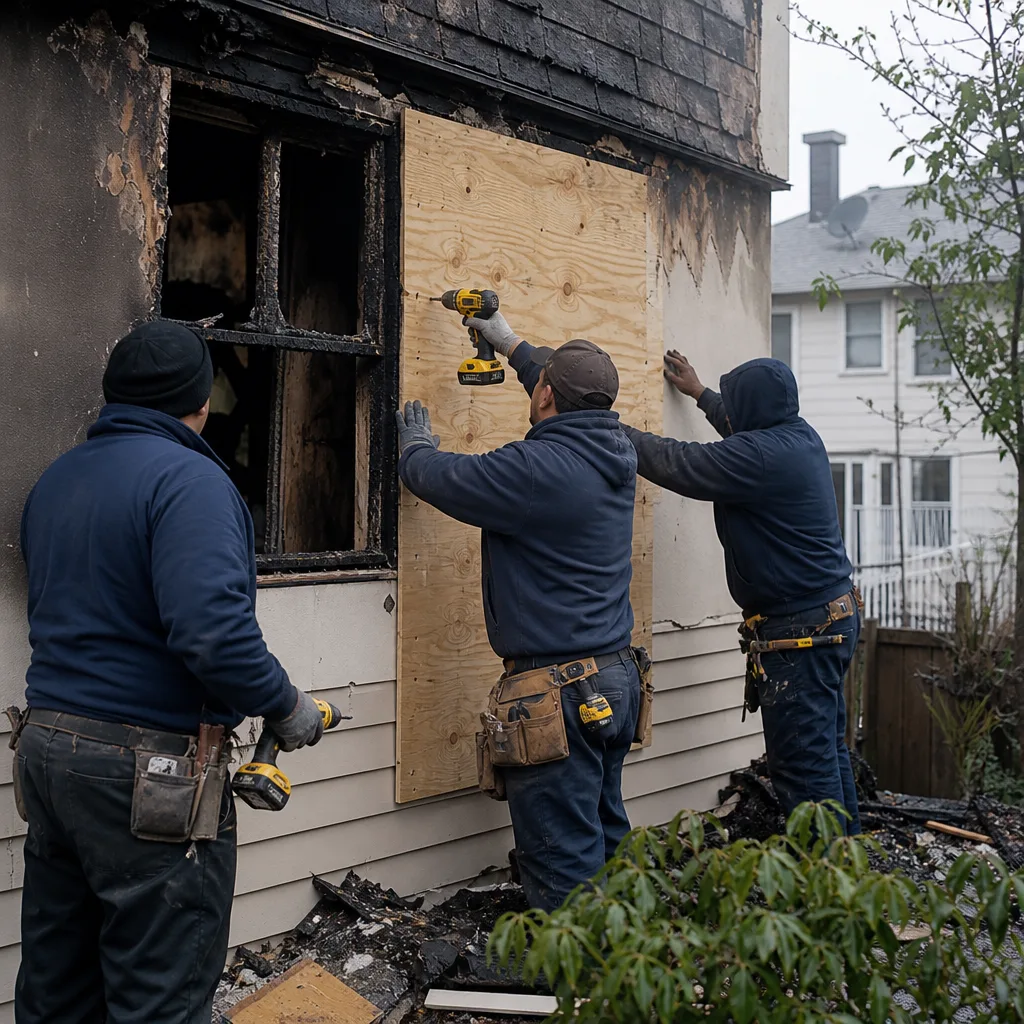
A frozen supply line in an unheated rear extension or a failed cast-iron stack will flood a basement through the ceiling and walls, not the floor. These claims often mean ceiling repair on top of extraction and drying. We handle the full scope, and the 90-Day Done Right Promise covers the finished work.
Flood Cleanup
Sewage Cleanup - Flushing from Flushing Creek stormwater backup isn’t just wet vacuuming. It’s contaminated water that carried whatever was in the storm drain. We remove affected materials, treat surfaces, and run air scrubbers. If the water touched finished living space, we recommend antimicrobial treatment and pack-out, not spot cleaning.
What happens when you call
- 1
A real person answersNo phone trees - you reach a local pro.
- 2
You get an upfront price rangeHonest numbers before anyone is dispatched.
- 3
A background-checked tech heads outLicensed & insured, dispatched right away.
- 4
You approve before work beginsNothing starts until you say go.
Water Damage Restoration Costs in Flushing, NY
A finished basement water extraction in Flushing typically runs $2,800 to $6,500, depending on square footage, water category, and whether adjacent units are involved. Structural drying on a standard 800-square-foot basement runs $1,800 to $4,200. Burst pipe restoration with ceiling repair and drywall replacement typically lands between $4,500 and $11,000, depending on finishes. Full Category 3 flood cleanup with pack-out, antimicrobial treatment, and disposal runs $6,000 to $15,000 or more on larger basements. What moves the price: water category, how long water sat before extraction started, whether adjacent attached units show moisture, and how much finished space requires demolition. Insurance typically covers most of these costs; our free visual inspection gives you a firm scope in writing before you decide. Call (363) 208-1526 for an exact quote, no trip charge inside our county.
We Also Serve Cities Near Flushing
We run crews every day into Flushing and the neighboring communities. Our Water Damage Restoration team covers Astoria with its mix of pre-war walk-ups and attached frame houses, where old plumbing and tight basements create the same lateral moisture problems. In Long Island City, we handle both the older residential stock and the newer high-rise condos where a single unit’s plumbing failure cascades down through multiple floors.
Serving Flushing, NY - Our Local Coverage Area
We’re based in the Flushing area and know this community well. Use the map below to see our service coverage - if you’re nearby, we can almost certainly help.
Flushing Water Damage Restoration Questions, Answered
How does water damage in Flushing row houses affect attached neighbors?
In Flushing’s attached brick row houses, water moves laterally through shared party walls and below-grade slabs before it ever shows up in the adjacent unit. A saturated party wall wicks moisture through the brick, and a finished basement on one side can be hiding Category 2 water on the other. Our crews scope every job in the Main Street to College Point Boulevard triangle by checking neighboring attached homes before writing the estimate. If we only scoped your unit, we’d miss the mold growing next door.
What category of water is typical for Flushing basement flooding?
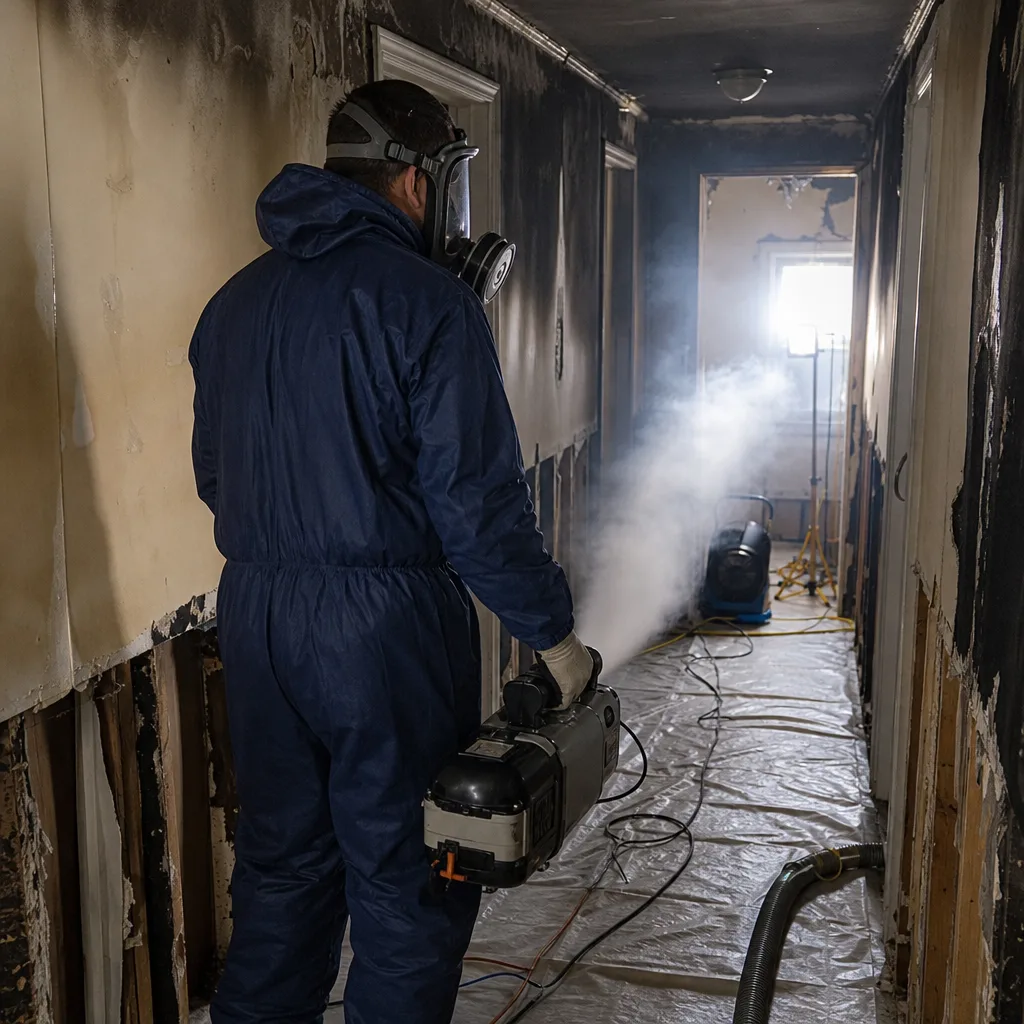
When Flushing Creek stormwater backs up through floor drains, that’s Category 3, contaminated water carrying sewage and whatever the storm system picked up - the kind of damage our Fire & Smoke Damage Restoration in Flushing crews also see after major disasters. Many crews treat it as Category 1 because it looks like rain water. It’s not. It requires antimicrobial treatment, pack-out of affected materials, and proper containment, not just extraction and fans. Call (363) 208-1526 and we’ll tell you what category you’re actually dealing with.
Why do many Flushing basement floods affect multiple units on one block?
Flushing sits at the inland terminus of Flushing Bay, at the bottom of the Flushing Creek drainage basin. When heavy rain overwhelms the stormwater system, the water tables rise under entire blocks at once, and basement floor drains become entry points in every attached structure on the block. We’ve arrived at one basement call and found standing water in two or three adjacent row houses before we’ve finished walking the block.
How quickly must water damage in a Flushing finished basement be addressed?
Within 24 to 48 hours, before mold growth begins. In Flushing’s humid summer months, that window is shorter. Finished basements with drywall, insulation, and carpet hold moisture aggressively, and once mold gets established in a below-grade space with shared walls, it spreads laterally into the attached unit. Call (363) 208-1526 immediately, any hour, and we’ll have extraction running within the hour.
Do you need to access neighboring units for a basement flood in an attached Flushing home?
Almost always, yes. Shared brick party walls transmit moisture laterally, and what dries in your basement may be actively wicking into the basement next door. We’ll coordinate with your neighbor or their landlord, and we have experience handling this with tenants who may speak Mandarin, Cantonese, or Korean and haven’t yet contacted anyone about the problem. Unchecked, that hidden moisture becomes a mold claim two doors down.
How fast can you actually get to Flushing?
We answer live, 24 hours a day, and Wade is on the road within 45 minutes of your call. Crews are based in the area and run every day through Flushing’s corridors, from Murray Hill to the Kissena Park perimeter. No voicemail, no answering service, no “we’ll have someone out tomorrow morning.” Call (363) 208-1526 and you’ll talk to the person who’ll be standing in your basement.
Will insurance cover this, and who deals with my adjuster?
Most Flushing water damage claims are covered, especially burst pipes, supply line failures, and stormwater backup if you carry the right rider. We document everything from the first hour, produce a line-item scope, and coordinate with your adjuster directly. You get copied on all of it. If you’ve been quoted one price by a national chain and now need a second opinion, we provide free second opinions on any written estimate.
What should I do in the first 30 minutes after I find water in my Flushing basement?
Call (363) 208-1526 first. Then shut off electricity to the affected area if you can do so without stepping in water. Don’t run a Shop-Vac on standing water that may be Category 3. Don’t wait to see if it drains on its own. Every minute the water sits, it’s wicking into the structure, and in an attached Flushing row house, it’s also moving toward your neighbor’s side of the wall.
Written by Wade Ferris, Owner at Wade’s Restoration, serving Flushing since 2007.