
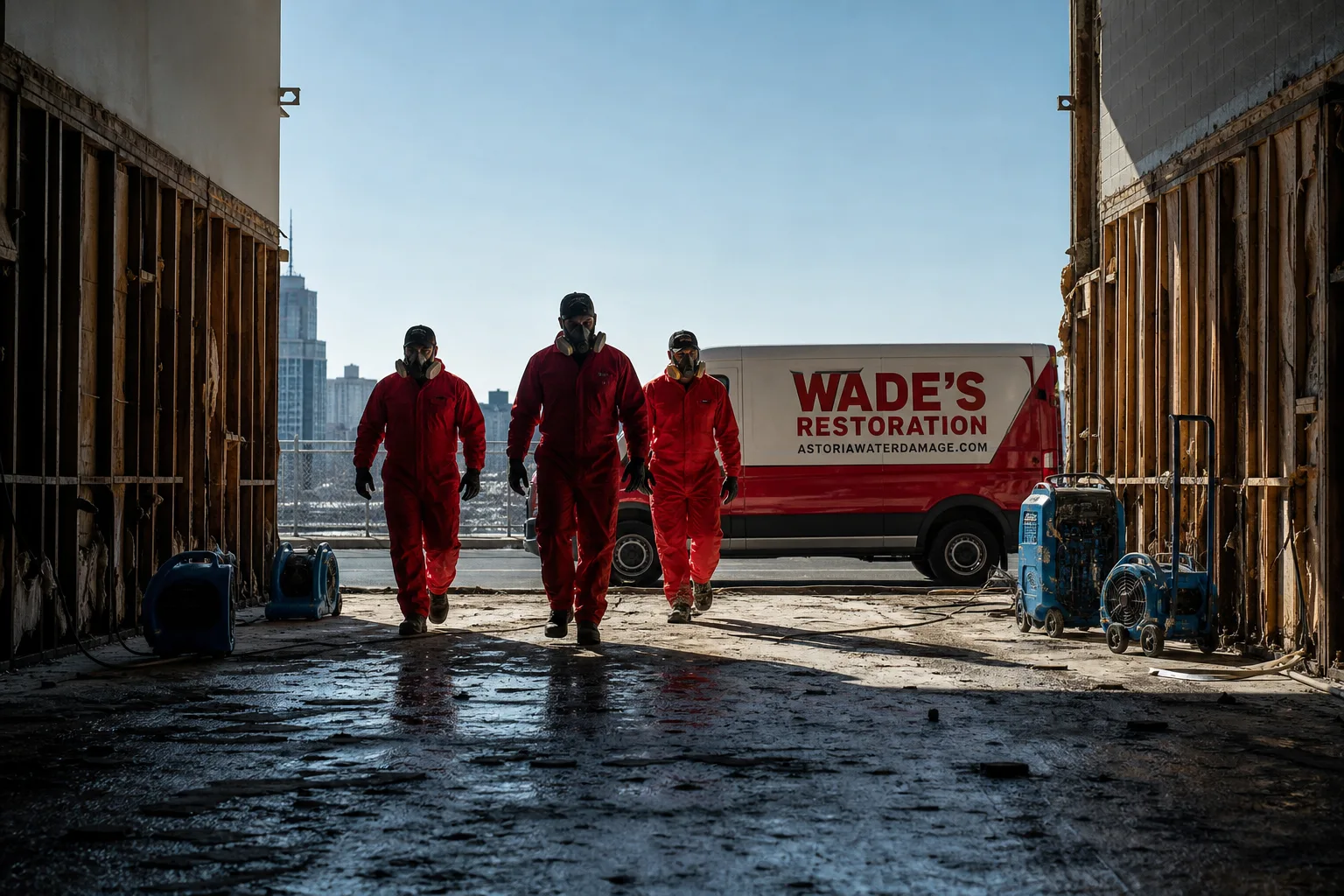
Free visual inspection and a written scope of work before any mitigation begins - photos, moisture readings, and drying logs go in your claim file
The scope we write is the scope we bill. Anything new gets shown to you, in writing, before we touch it.
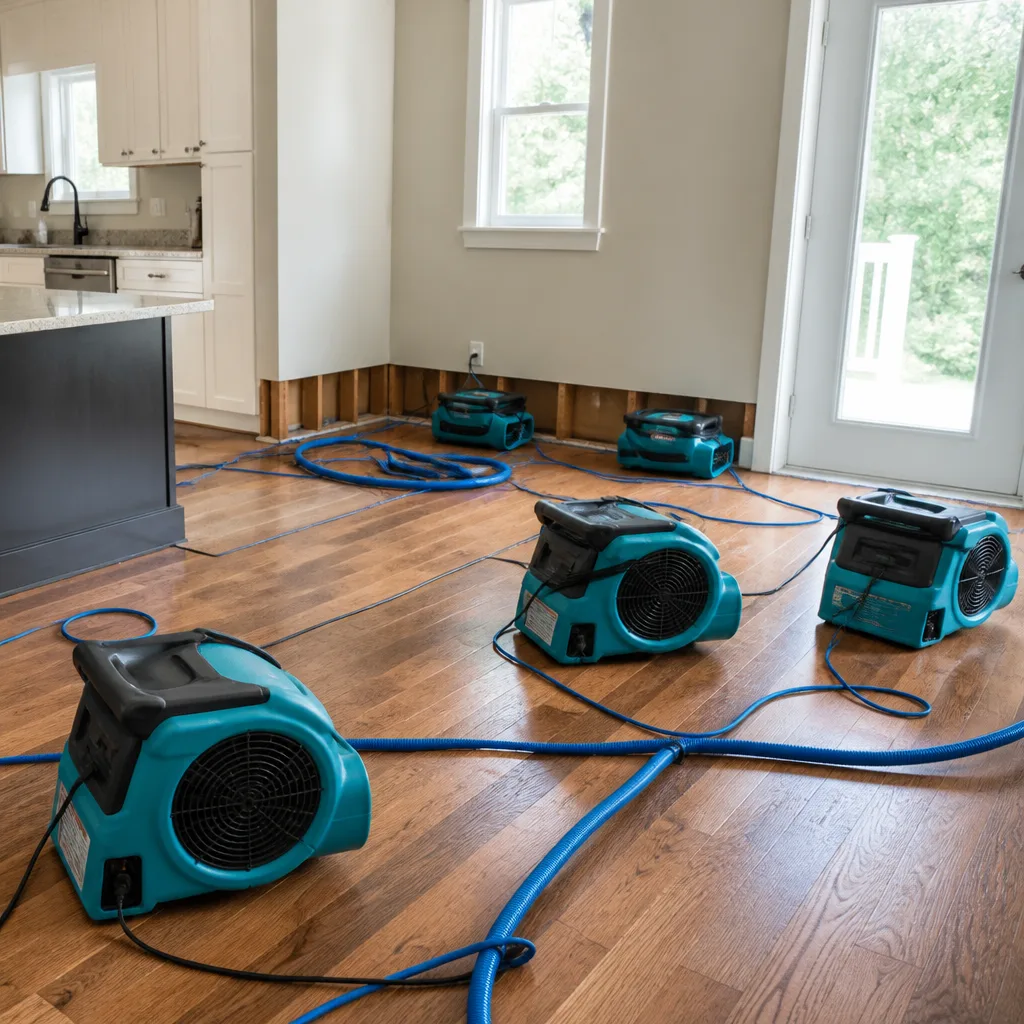
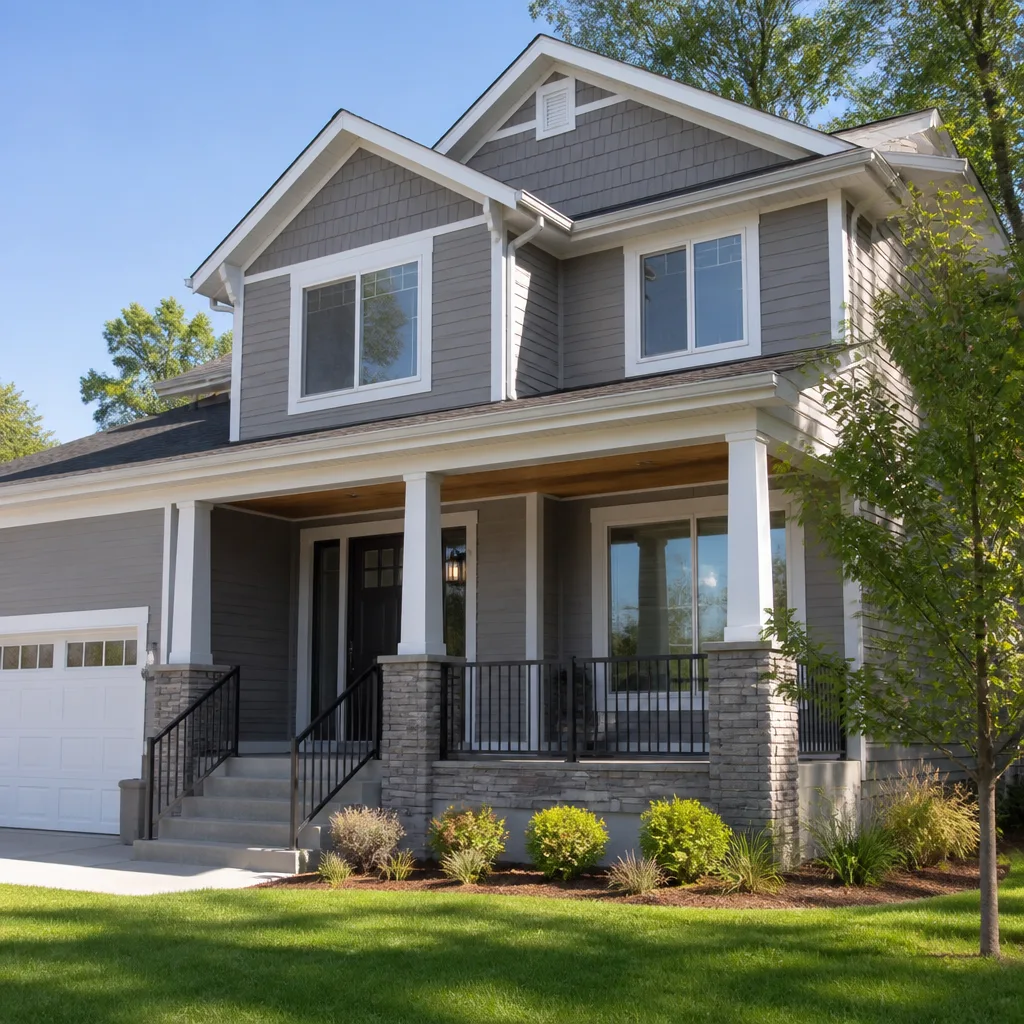
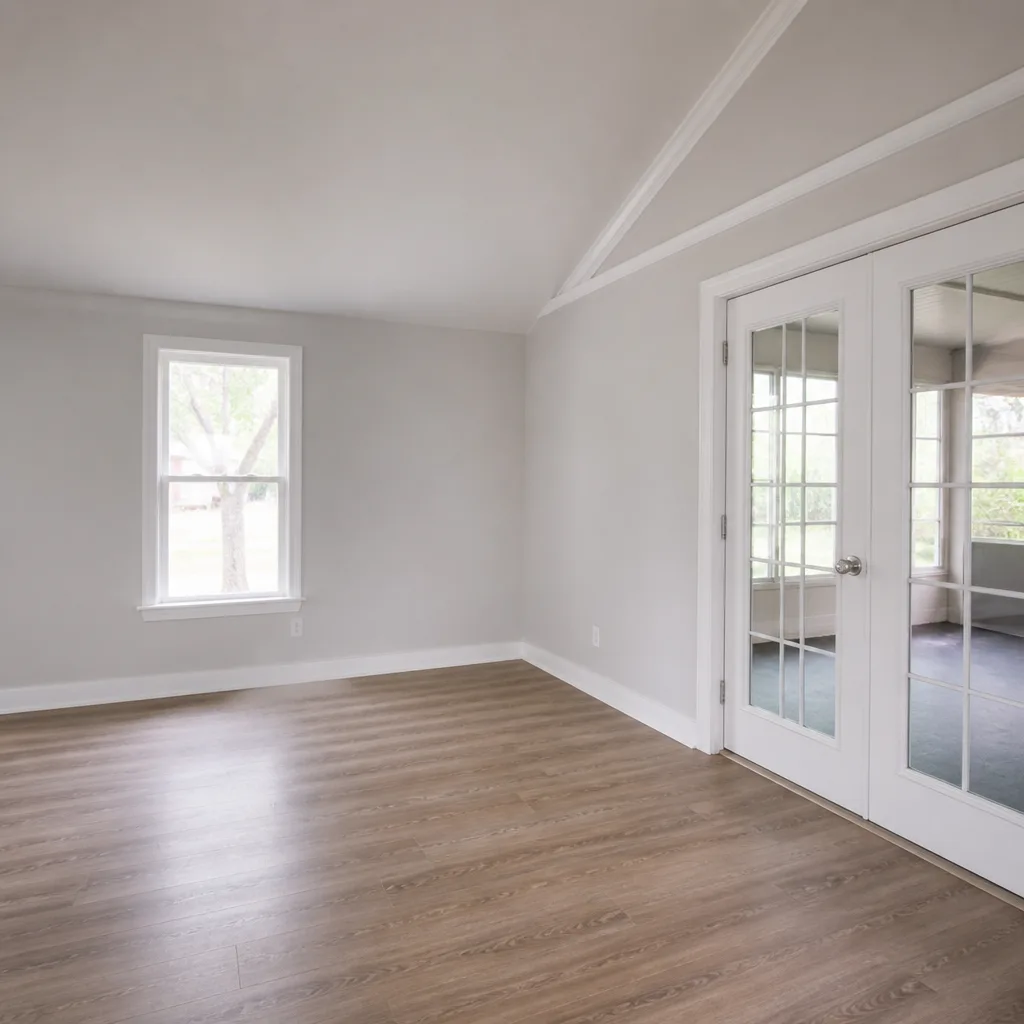

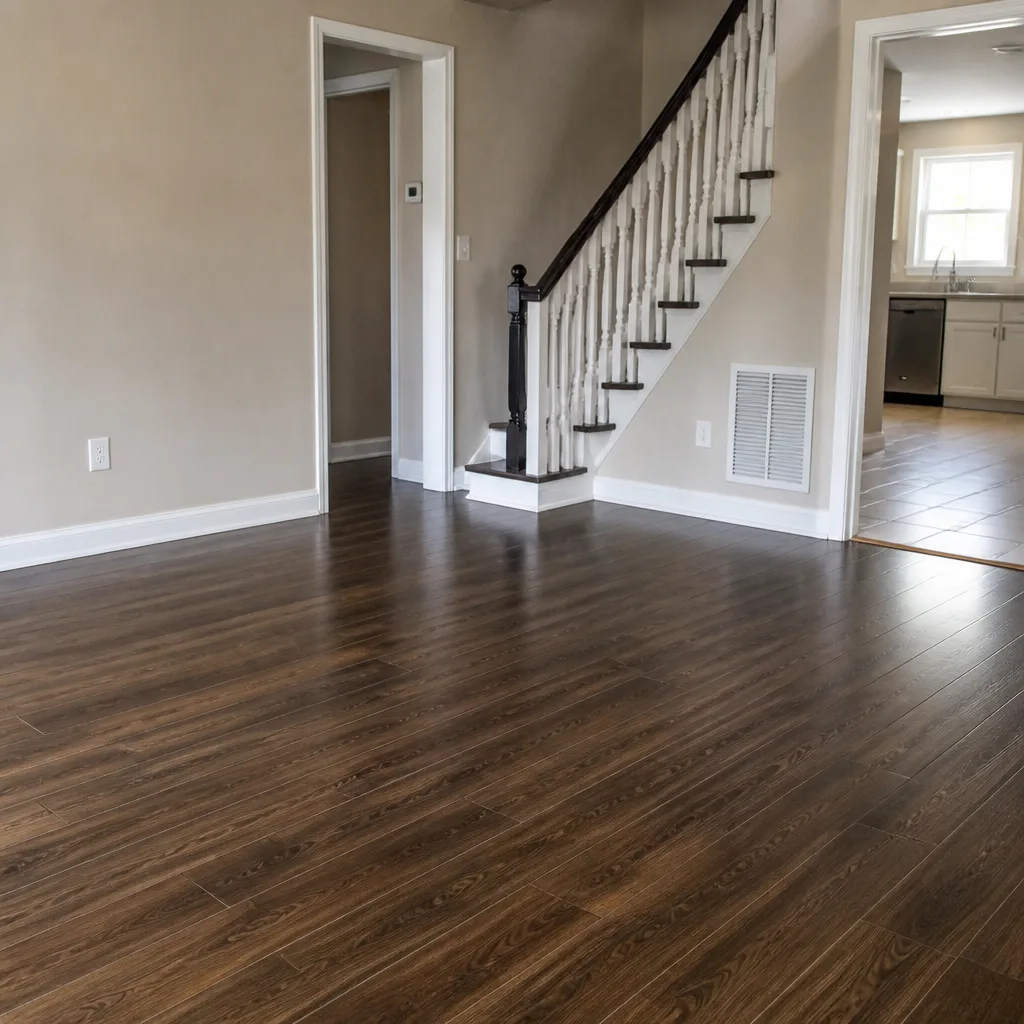

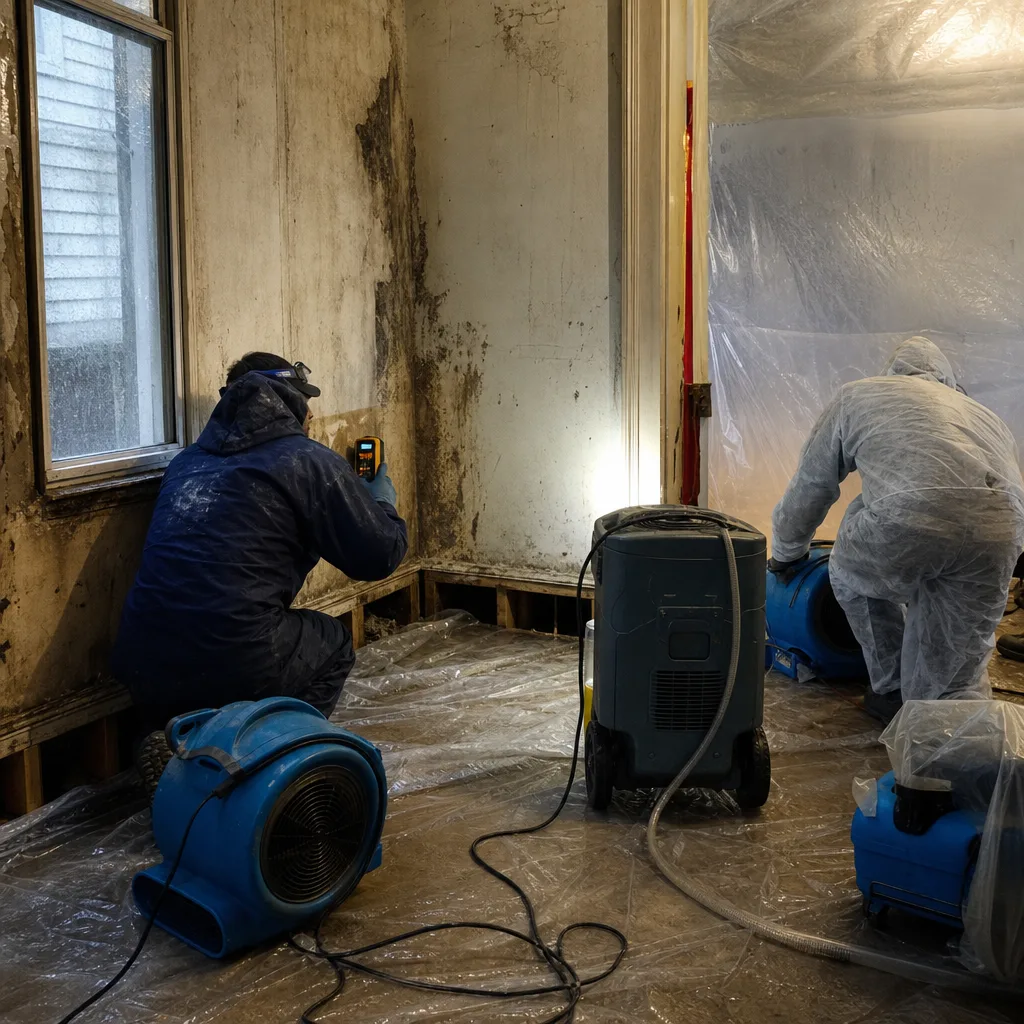 Before
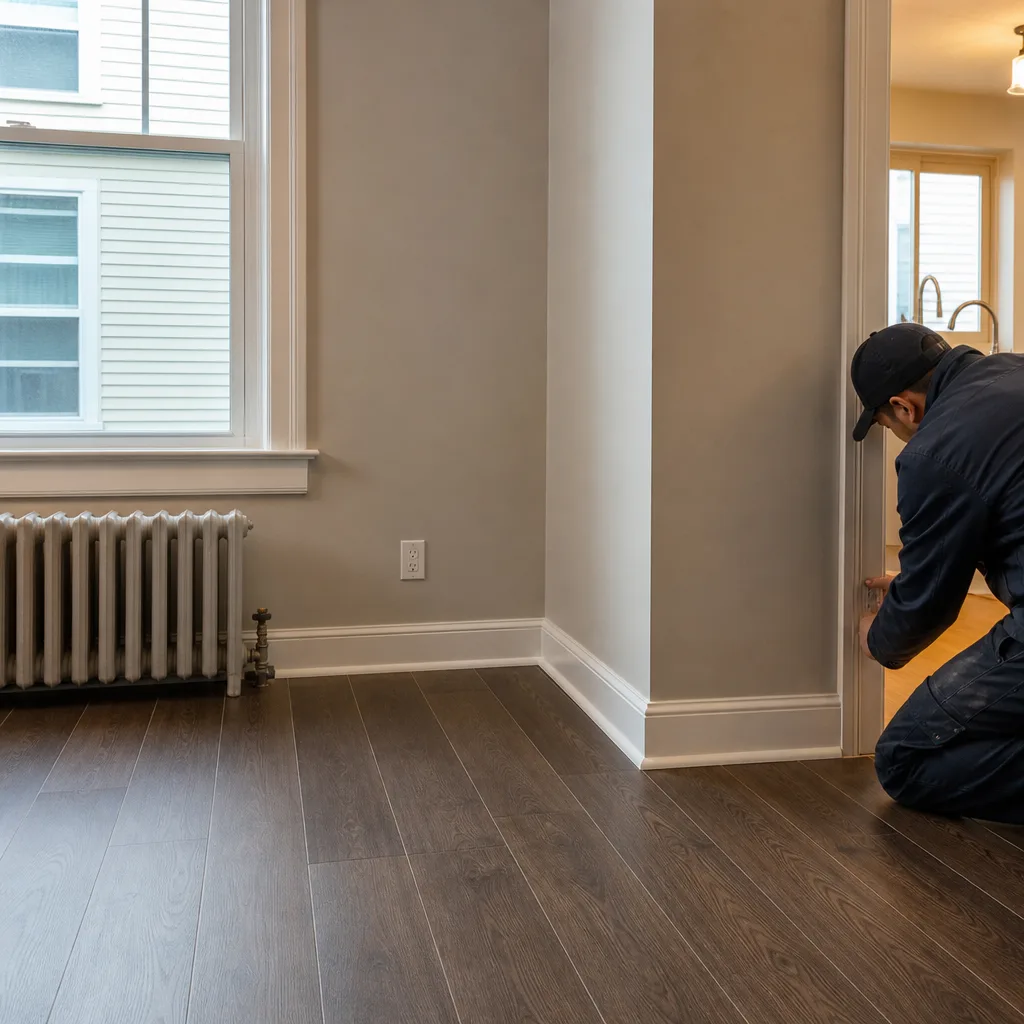 After
After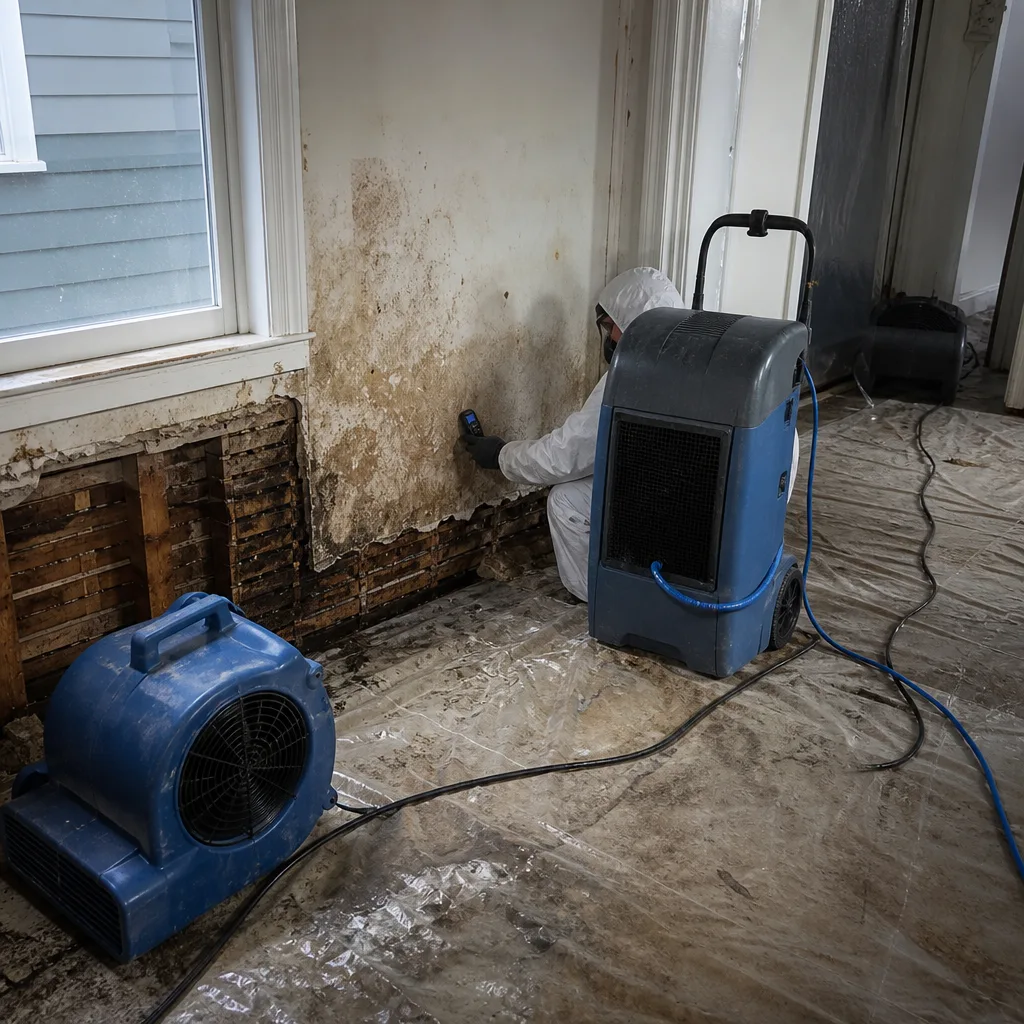 Before
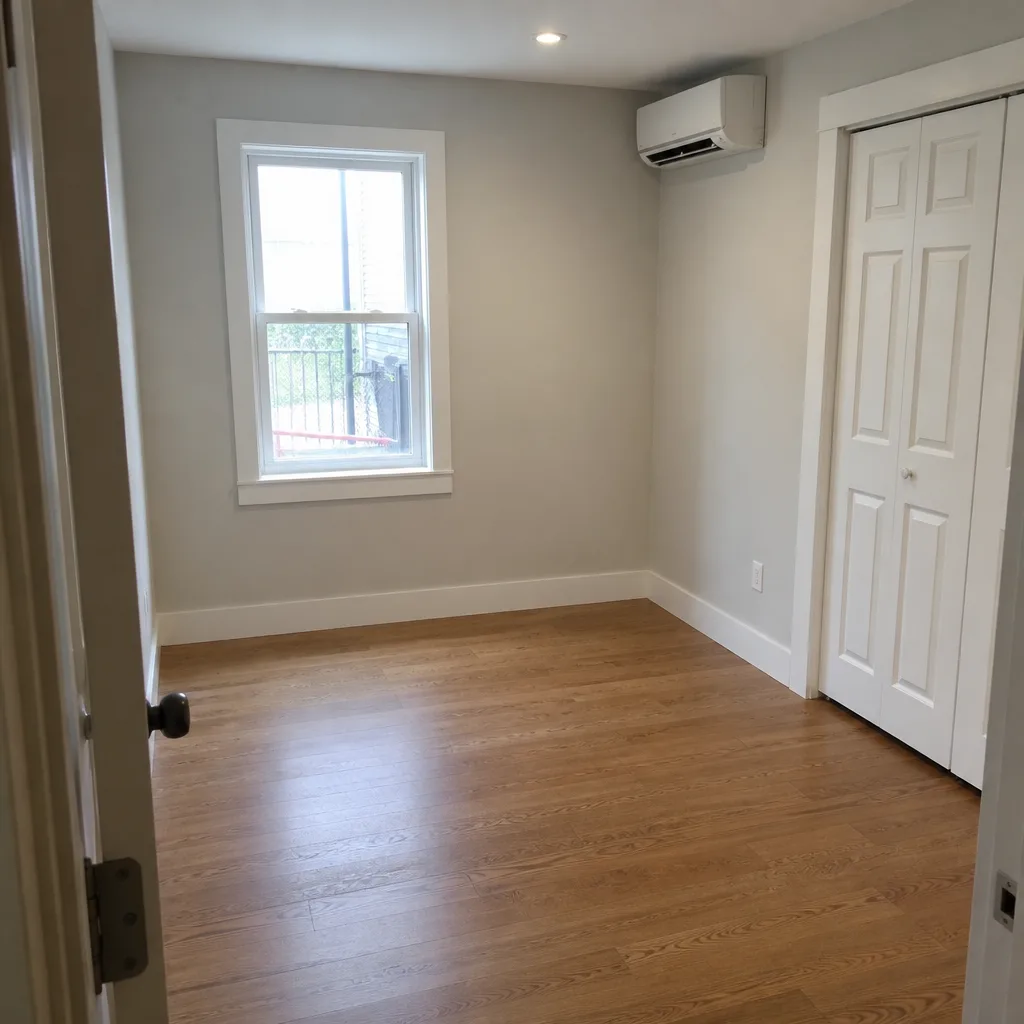 After
After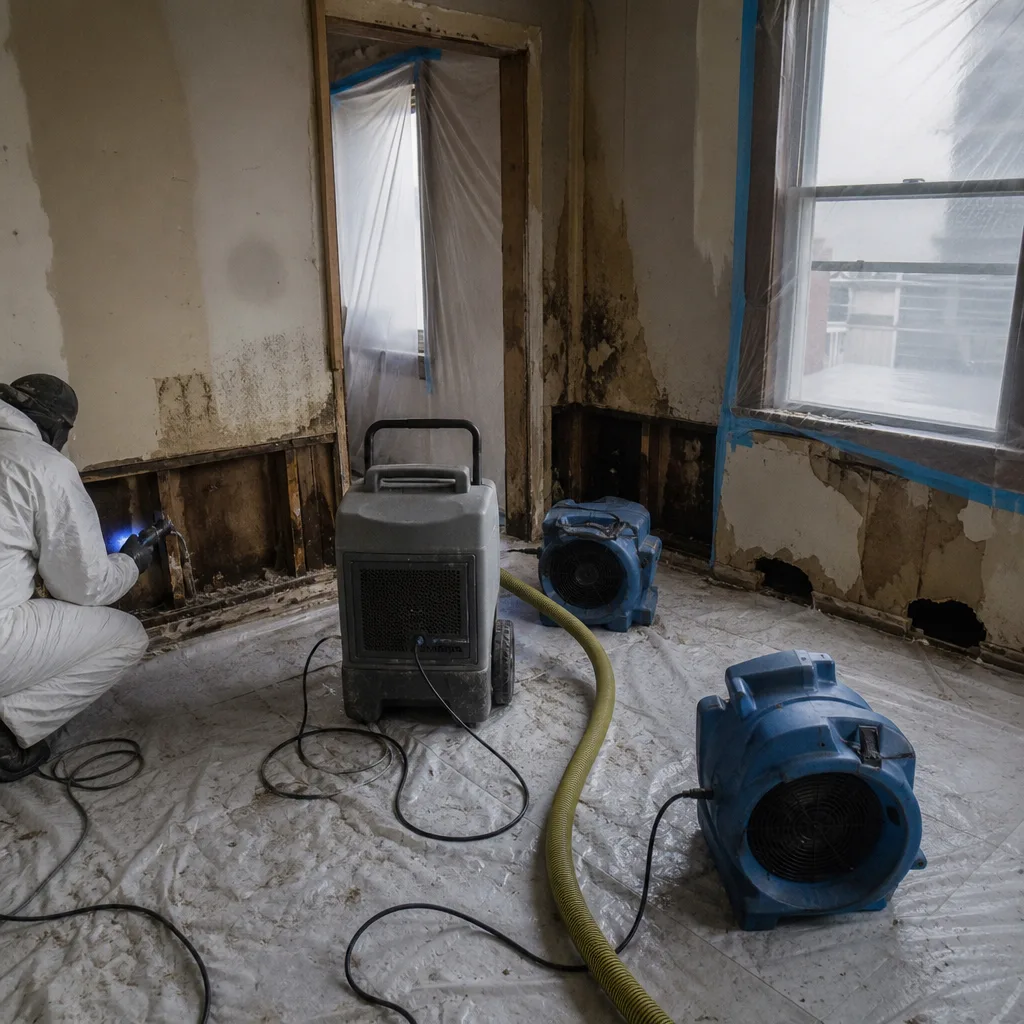 Before
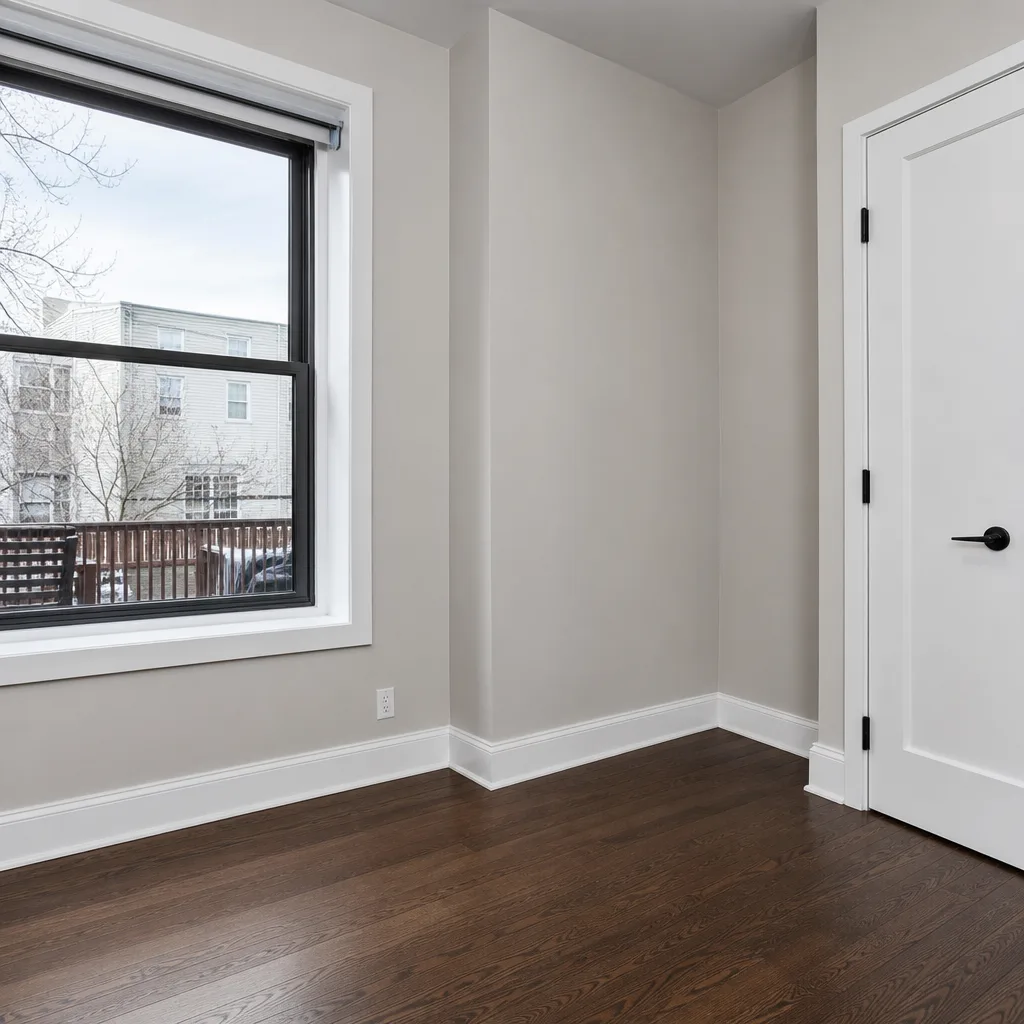 After
After24/7 Emergency Sewage Cleanup in Financial District
Sewage cleanup in Financial District runs $180 to $650 for minor category 2 toilet overflows and between $2,500 and $9,000 when category 3 black water from tidal backflow or a cracked cast-iron drain line floods a sub-basement or lower floor. That range depends on how far saline sewage has wicked into porous masonry, how many square feet of drywall and insulation need cutting out, and whether a post-Sandy flood-proofing compliance review kicks in. You will get a straight number on the phone, not a vague “we’ll see when we get there.” Call (363) 208-1526 and you will talk to a real person who can be at your building within the hour.
We are not a national franchise call center. Wade Ferris answers his own phone, and when the backup is in a Financial District sub-basement at two in the morning, that matters. The first hour after a sewage backup decides whether you are cleaning a contained spill or tearing out salt-crystallized drywall across three rooms. Our crews are staged near Lower Manhattan and know the difference between a standard backup in a postwar apartment and a tidal backflow event in a 1910 warehouse on Beaver Street. Free visual inspection, no trip charge, and a written scope before we touch anything.
Understanding Sewage Cleanup Severity in Financial District Properties
Not all sewage water is the same, and in Financial District buildings the distinction is not academic. Category 2 water, what the trade calls gray water, comes from washing machine discharge, sump pump failures, and toilet overflows without solid waste. It carries bacteria and has to be treated, but the building materials it touches can usually be dried and sanitized if we get there fast. Category 3 water, black water, contains raw sewage, harbor backflow, or seawater that has sat. It is a pathogen load, not a dampness problem. In a FiDi conversion-era skyscraper with deep multi-level sub-basements, category 3 water does not just pool on the floor. It wicks into masonry, vapor rises into wall cavities, and mold colonization starts within 24 hours behind the drywall where you cannot see it.
The building stock here compounds the severity. Converted late-19th- and early-20th-century commercial towers retain layered mechanical infrastructure: original cast-iron drain lines, steam distribution pipes, chilled water risers. When a drain line fails three floors up, the sewage travels through punched slab openings and chases before it pools in the sub-basement. By the time you see it, it has been filtering through building assemblies for hours. Moisture mapping with thermal imaging and hygrometers is not optional on these jobs. Neither is masonry salt testing, which almost no restoration firm outside coastal Lower Manhattan performs.
Why Financial District Property Owners Choose Wade’s Restoration
- 45-minute response commitment: Crews staged near Lower Manhattan, not dispatched from Jersey or upstate. Wade heads out himself on after-hours calls.
- 24/7 live answer: A real person picks up. Wade answers his own cell after hours. No voicemail, no answering service, no third-party triage.
- IICRC-certified crews: We hold WRT and ASD certifications and apply AMRT protocols on sewage and black water work. The paper is real and current.
- Free visual inspection: No charge to look. We tell you what needs doing and what can wait. Seniors and veterans get 10% off, always.
- Direct insurance billing: We document from the first hour, bill your carrier directly, and Wade talks to the adjuster himself so you are not the messenger.
- One team from extraction to reconstruction: Same crew, same moisture logs, same accountability. No handoff to a sub you have never met.
Our Sewage Cleanup Process
Inspection & Assessment
We categorize the water, identify the source, and map the migration path. In FiDi that means tracing how sewage moved through slab penetrations, chase walls, and original drain lines. Thermal imaging and moisture meters give us a containment perimeter before we cut anything.
Extraction & Stabilization
Truck-mounted Dri-Eaz pumps pull black water out fast. Where category 3 water has pooled in sub-basements, we use submersible pumps rated for solids. The goal is stopping capillary action into masonry before salt and sewage can wick upward.
Drying & Dehumidification
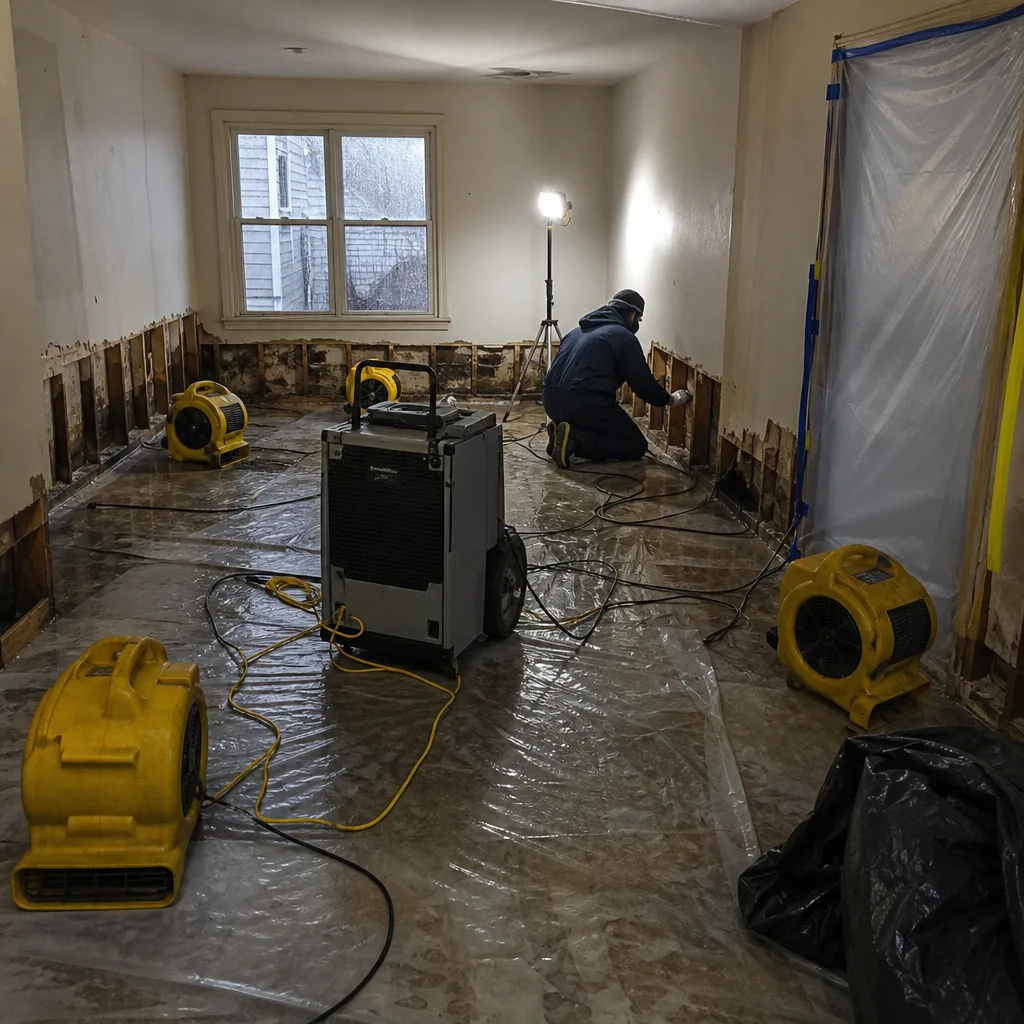
Phoenix LGR dehumidifiers and XPOWER air movers run around the clock. In below-sea-level FiDi sub-basements we run them longer than inland jobs because saturated masonry releases moisture for weeks. Daily moisture readings go in your log.
Cleaning & Sanitization
HEPA air scrubbers run during all disturbance work. Hard surfaces get antimicrobial treatment. Porous materials that absorbed category 3 water get cut out, not sprayed and hoped for.
Salt & Efflorescence Treatment
This is the FiDi-specific step. Saline water leaves crystallized salt inside masonry that keeps drawing moisture and feeding mold. We test for efflorescence, treat with the right masonry antimicrobials, and verify the wall cavity is actually dry before rebuilding.
Repairs & Restoration
Drywall, insulation, baseboard, flooring, paint. We rebuild to the building’s compliance standards, including post-Sandy Local Law moisture-barrier requirements where they apply to your property.
Need Emergency Sewage Cleanup in Financial District Now?
Crews minutes away, answering live 24 hours a day. The sooner we start, the less it costs.
Working With Your Insurance Company
Here is what most people do not know about sewage claims in Financial District: the building’s position in FEMA Flood Zone AE changes everything. A sewage backup caused by tidal backflow through the combined storm-sewer system is generally a flood claim under NFIP, not a standard homeowner’s water damage claim. A cracked cast-iron drain line that leaks sewage without a storm event, that is usually covered under your standard policy. The distinction decides whether you pay a deductible or the full bill. Wade has been arguing these claims since 2007 and talks to adjusters directly, in their language.
What We Provide Your Insurer
- Thorough documentation of the loss from the first hour
- Photos of all damage, room by room, with time stamps
- Moisture readings and drying logs, updated daily
- A detailed, line-item scope of work
- Direct coordination with your carrier, including NFIP claims
Built for Financial District’s Loss Calendar
FiDi does not have one sewage season. It has three, and they hit different parts of the building stock in different ways. Late winter is the freeze-burst window: January deep freezes split supply lines in poorly insulated mechanical shafts, and when the thaw comes you get water where it should not be. Spring and fall bring king tides and nor’easters, the real FiDi signature. A king tide combined with heavy rain pushes harbor water backward through combined storm-sewer lines into sub-basements that sit at or below sea level. That is category 3 black water arriving through floor drains and floor-level plumbing fixtures, and it does not behave like a toilet overflow. Summer comes with sudden downpour flash flooding overloading the same combined system. Add decades of salt-air corrosion eating at original cast-iron drain lines, and the backup risk never fully goes away. We plan our response calendar around these patterns because we have lived them here.
Sewage Cleanup Across Financial District’s Neighborhoods
The Financial District packs about 60,000 residents into a square mile of converted towers, and every corridor has its own failure profile. Around Stone Street, the oldest street in Manhattan, we see sub-basement backups in former warehouse structures where original brick sewer connections are still in service. Near the South Street Seaport and along the East River side, tidal backflow through storm drains is the dominant failure mode, and those buildings often carry the most aggressive NFIP documentation requirements. The blocks around Wall Street and Broad Street house massive commercial-to-residential conversions where sewage travels through mechanical chases for multiple floors before pooling, making source identification a real diagnostic job. We see hot spots in our own Sewage Cleanup call logs concentrated after king tide events along the harbor side between Battery Park and the Brooklyn Bridge. Battery Park City, just west, shares the same flood zone exposure but sits on newer landfill with different drainage behavior than the original Manhattan street grid. When you call, you will probably recognize the street name we ask about. We know these blocks.
Specialized Sewage Cleanup Services We Offer in Financial District
Black Water Extraction
Category 3 extraction is a different job than pumping out a flooded laundry room. We use truck-mounted Dri-Eaz pumps and submersible solids-rated pumps to move raw sewage and saltwater backflow out of FiDi sub-basements before it wicks into masonry. Speed governs everything here, because category 3 water left for 24 hours colonizes wall cavities with mold that requires full containment to remediate.
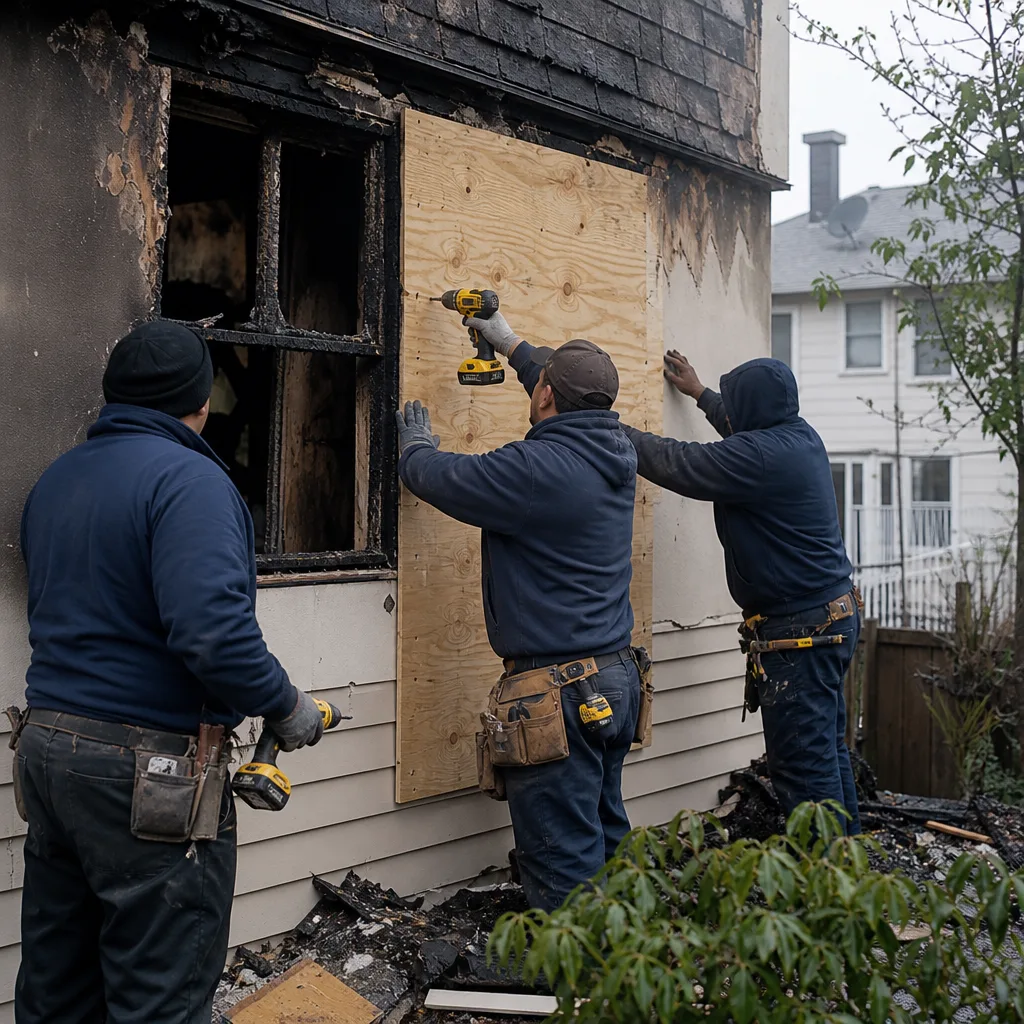
Sanitization & Disinfection
Saltwater-complicated sewage requires more than bleach and hope. We apply EPA-registered antimicrobials appropriate for category 3 exposure, fog affected cavities where vapor has traveled, and run HEPA air scrubbers to capture aerosolized pathogens during the disturbance work. In coastal FiDi buildings we also test masonry for salt residue and efflorescence before we clear the space.
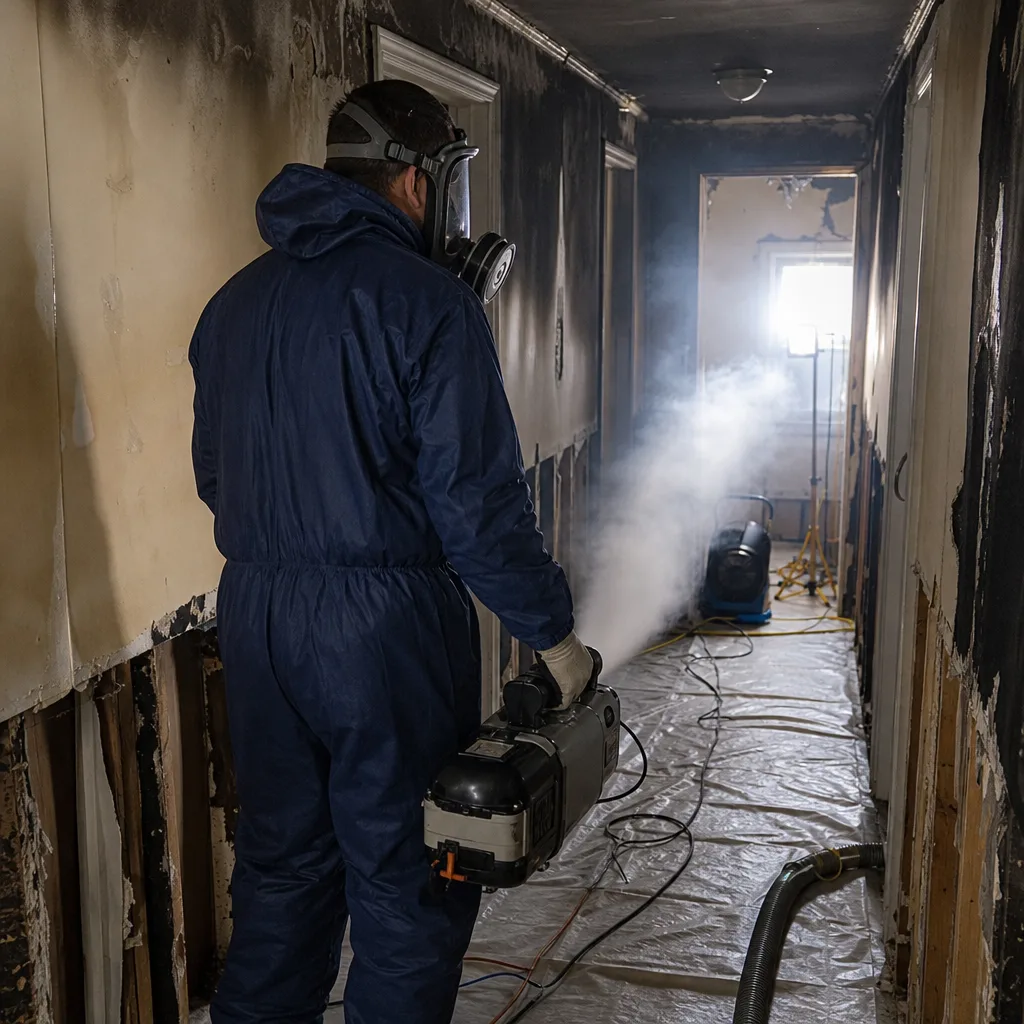
Sewage Backup Cleanup
From a toilet overflow in a converted office tower on Wall Street to a floor drain backup in a Stone Street basement restaurant, the scope changes with the water category and the building’s plumbing legacy. We trace the source, contain the affected area, extract, dry, and rebuild. You get the moisture log at the end, because you should.
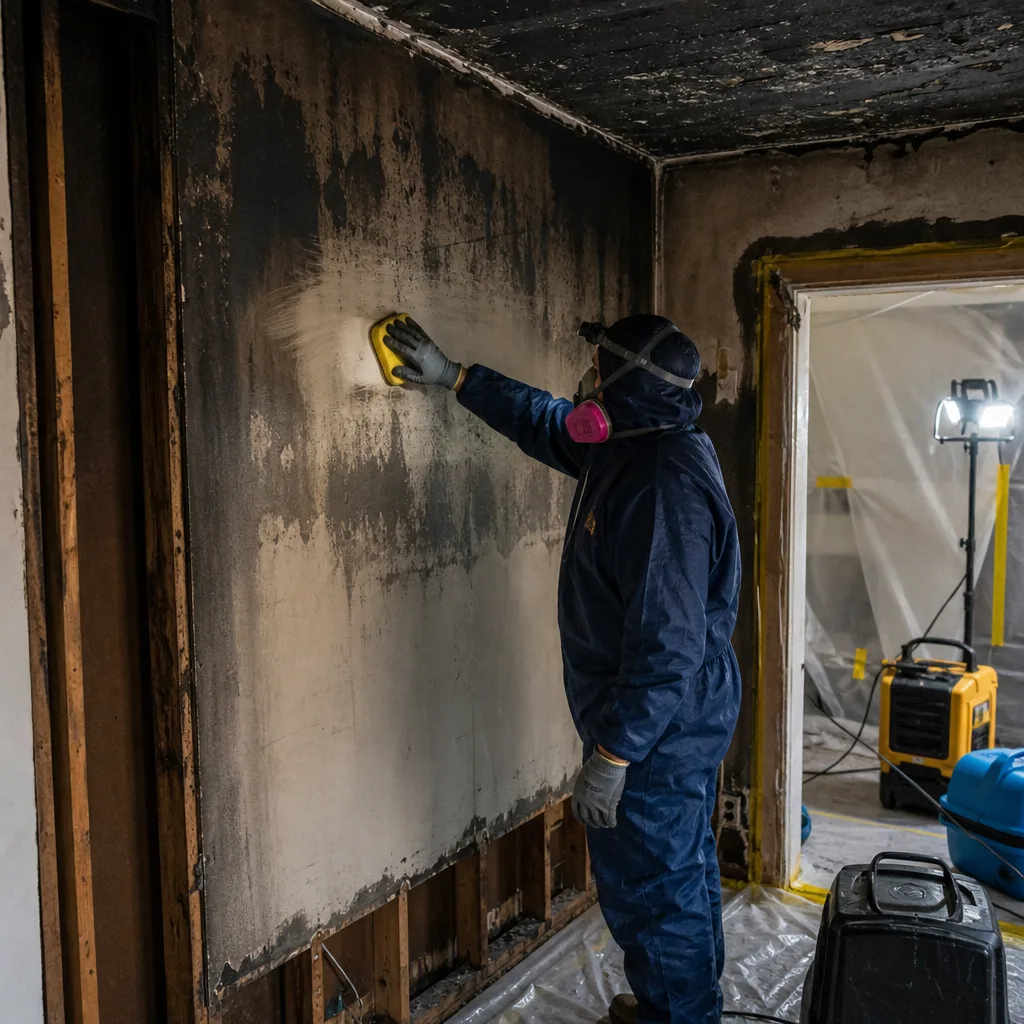
Toilet Overflow Cleanup
Category 2 overflows without solid waste are usually salvageable when we are on site within hours. In older FiDi conversions, though, an overflow on the 20th floor rarely stays on the 20th floor. We map the migration through slab penetrations and dry below as well as at the source.
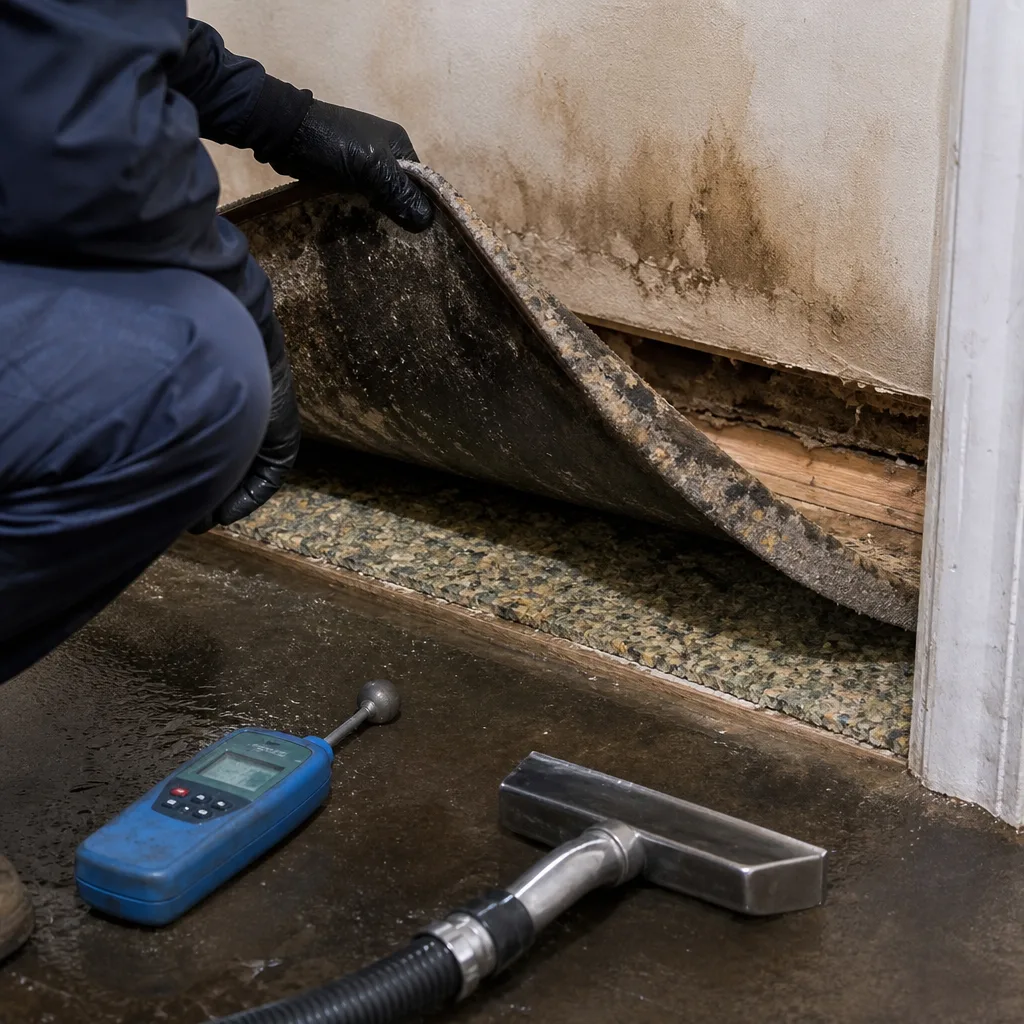
Septic Failure Cleanup
FiDi is almost entirely on city sewer, but a handful of legacy properties and some nearby low-rise structures still have field systems or hold tanks. Failure there means black water pooling at grade or below, and the cleanup requirements are the same as tidal backflow: extract, contain, sanitize, test.
What happens when you call
- 1
A real person answersNo phone trees - you reach a local pro.
- 2
You get an upfront price rangeHonest numbers before anyone is dispatched.
- 3
A background-checked tech heads outLicensed & insured, dispatched right away.
- 4
You approve before work beginsNothing starts until you say go.
Sewage Cleanup Costs in Financial District, NY
Straight numbers for Financial District work. A contained toilet overflow cleanup runs $180 to $400. A sewage backup in a single bathroom with drywall removal and drying typically lands between $800 and $2,200. A sub-basement black water event involving tidal backflow or a failed cast-iron line runs $2,500 to $9,000 once you factor in extraction, containment, masonry treatment, drying, and rebuild. What moves the price: how far sewage migrated, whether salt testing and efflorescence treatment are required, how many floors of building assemblies were penetrated, and whether your NFIP claim covers flood-related backup versus standard policy coverage. Call for a free visual inspection and we will write you a firm scope before any work starts. No trip charge inside the county. Second opinions on written estimates are free, always.
We Also Serve Cities Near Financial District
We work the full harbor-facing corridor. Sewage cleanup calls also come from Astoria with its older combined-sewer streets, Lower Manhattan neighbors sharing the same stock, Flushing with low-lying residential blocks, and Midtown Manhattan where pre-war tower plumbing creates similar multi-floor migration problems.
Serving Financial District, NY - Our Local Coverage Area
We’re based in the Financial District area and know this community well. Use the map below to see our service coverage - if you’re nearby, we can almost certainly help.
Financial District Sewage Cleanup Questions, Answered
How does saltwater from a prior flood affect a sewage cleanup in a Financial District sub-basement?
Saltwater from a prior flood leaves crystallized salt inside masonry that keeps drawing moisture from the air and re-wetting the wall cavity, even after visible water is gone. In FiDi sub-basements, this means we cannot clear a sewage job until we test for efflorescence and treat the masonry specifically for salt. Standard drying protocols without salt testing will fail here because the wall keeps feeding itself moisture and mold regrows.
Do I need flood insurance to cover a sewage backup in FiDi if my building is in FEMA Zone AE?
If the backup came in through tidal backflow or storm surge, yes, that is typically an NFIP flood claim and a standard homeowner policy will deny it. If a cracked drain line or building plumbing failure caused the sewage release without a storm event, your standard policy generally covers that. The difference decides thousands of dollars, which is why we document the source and causation from the first hour and coordinate directly with your adjuster.
Why does my Financial District building require longer drying times after sewage extraction compared to Midtown?
Your building’s masonry walls and sub-basement location change the physics. Sea-level or below-grade masonry holds moisture for weeks, and harbor-sourced water carries salt that slows evaporation. Midtown buildings on higher ground with less porous assemblies dry faster. We run Phoenix dehumidifiers longer in FiDi, take daily moisture readings, and will not sign off on dry until the numbers say dry, not just the surface.
Can you handle a sewage backup on a high floor of a converted pre-war office tower, or only in basements?
We handle both. High-floor backups in converted towers are actually more complex because sewage travels down through slab penetrations and mechanical chases to floors below. We map the full migration path, not just the source floor. Our equipment goes up service elevators; our crews know how tower buildings work.
What is the difference between category 2 and category 3 water in a Financial District sewage backup, and why does it matter for my building’s compliance?
Category 2 carries bacteria but no solid waste or seawater. Category 3 contains pathogens, raw sewage, or harbor backflow. Category 3 demands full containment, disposal of porous materials, and antimicrobial treatment. For FiDi buildings under post-Sandy Local Law compliance, category 3 events also trigger documentation requirements around moisture barriers and flood-proofing that category 2 jobs do not. We handle that paperwork.
How fast can someone actually get to my Financial District building?
Within 45 minutes, usually faster during normal hours. Crews are staged near Lower Manhattan. Wade himself covers after-hours emergency calls and answers his own phone. Call (363) 208-1526 and you will get a live person and a real arrival time.
Can I stay in my home during sewage cleanup?
For a contained category 2 overflow on one floor, usually yes with the affected area sealed off. For category 3 black water that has migrated into wall cavities or the HVAC path, we generally recommend relocating while containment is established and HEPA scrubbing runs. Each job gets a straight answer at inspection.
What should I do in the first 30 minutes after a sewage backup in FiDi?
Call us, then shut off water to the affected fixture if you can do so safely. Do not flush, do not run water anywhere in the building, and do not wade through the water barefoot or in street shoes. Category 3 water is a pathogen load. Close doors to unaffected areas and move valuables up. We will talk you through the rest on the phone while the crew is on the way.
Written by Wade Ferris, Owner at Wade’s Restoration, serving Financial District since 2007.