
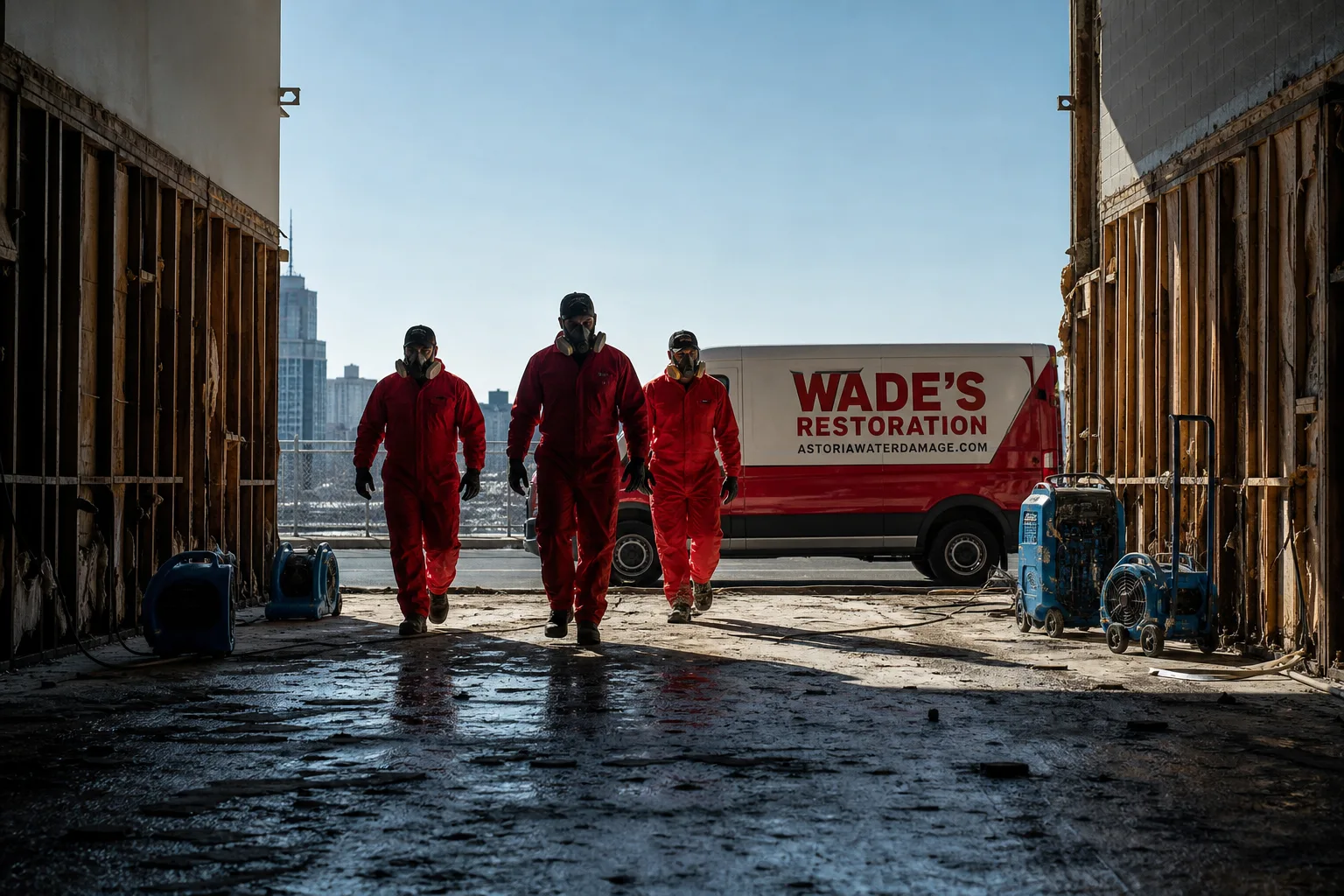
Free visual inspection and a written scope of work before any mitigation begins - photos, moisture readings, and drying logs go in your claim file
The scope we write is the scope we bill. Anything new gets shown to you, in writing, before we touch it.
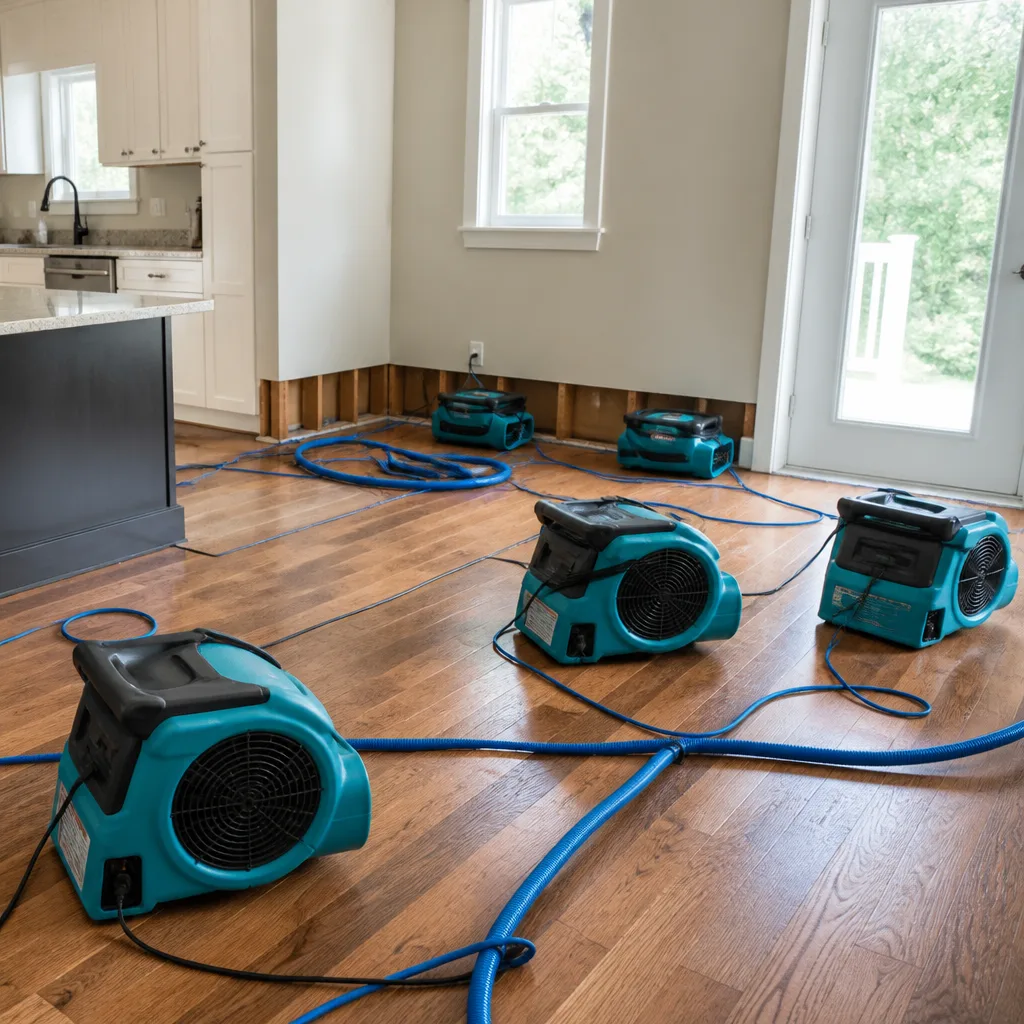
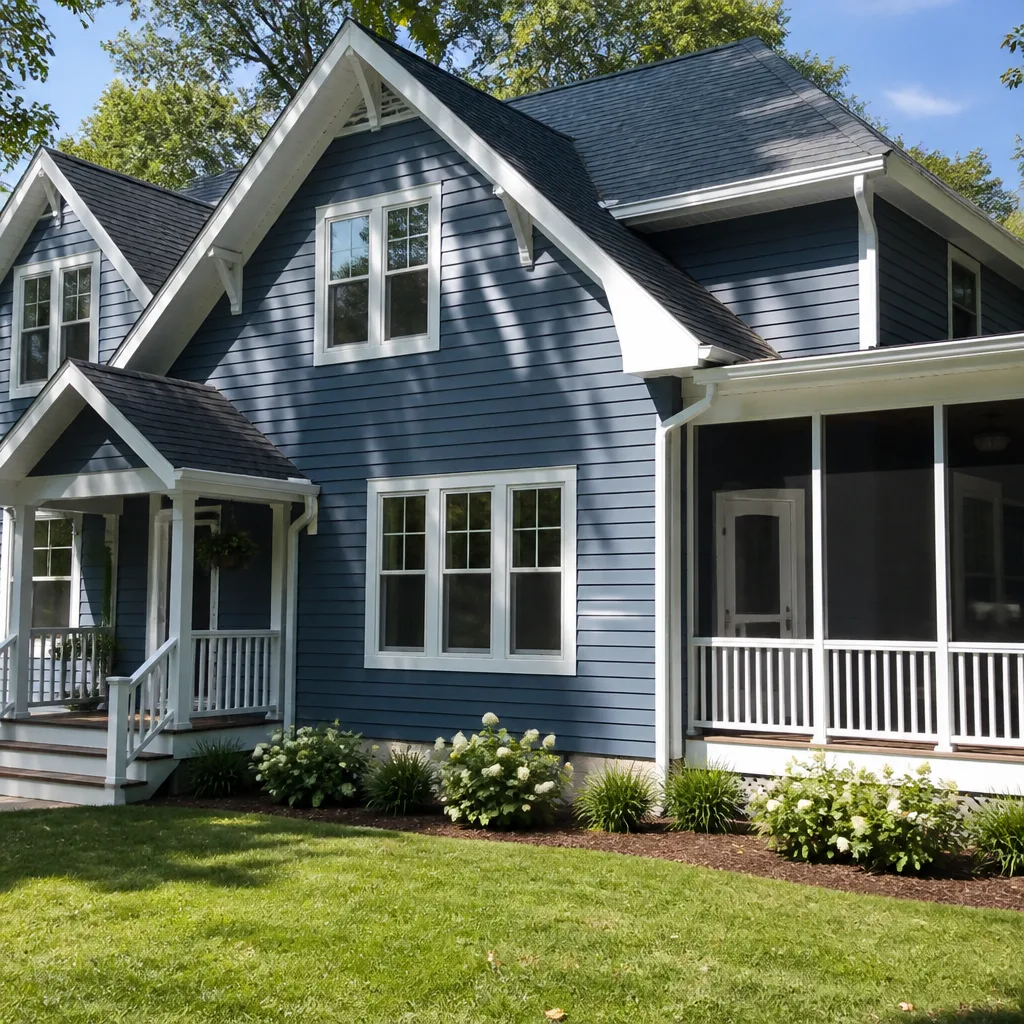
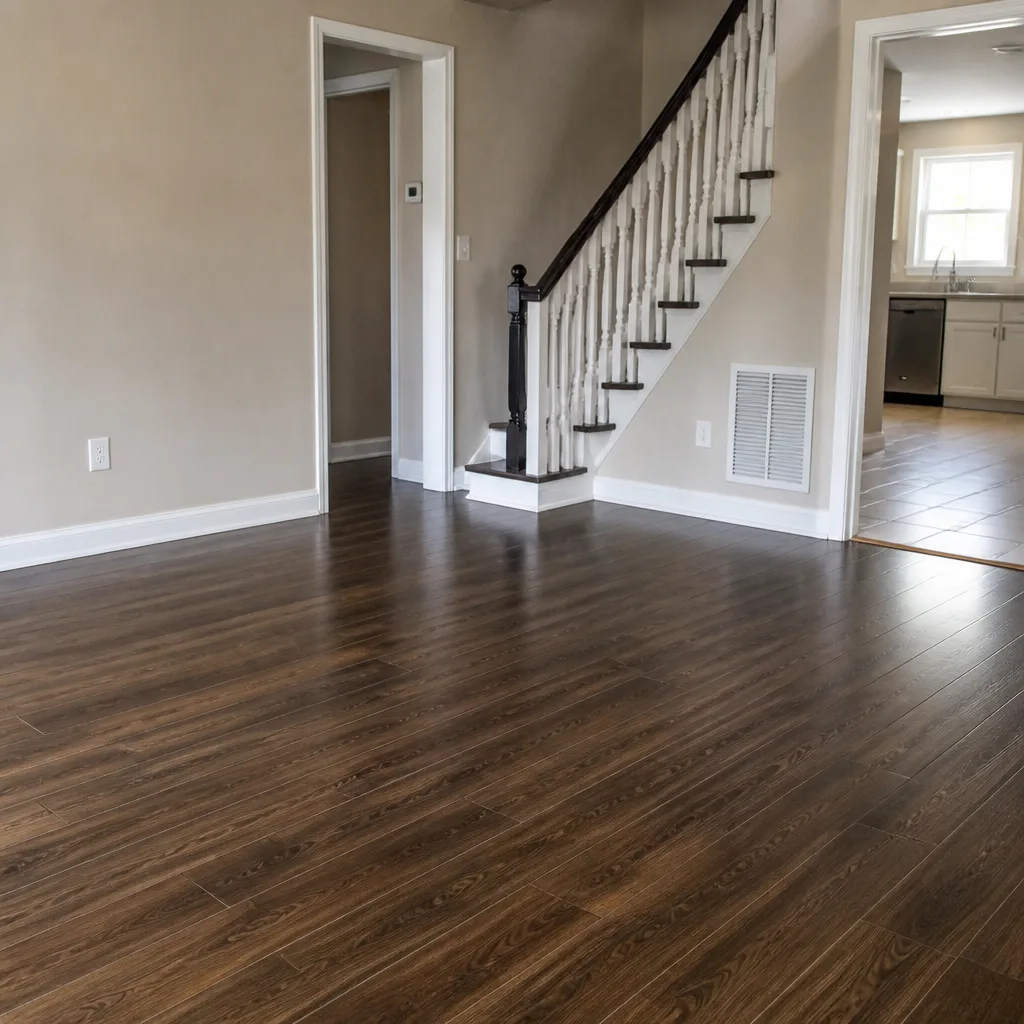
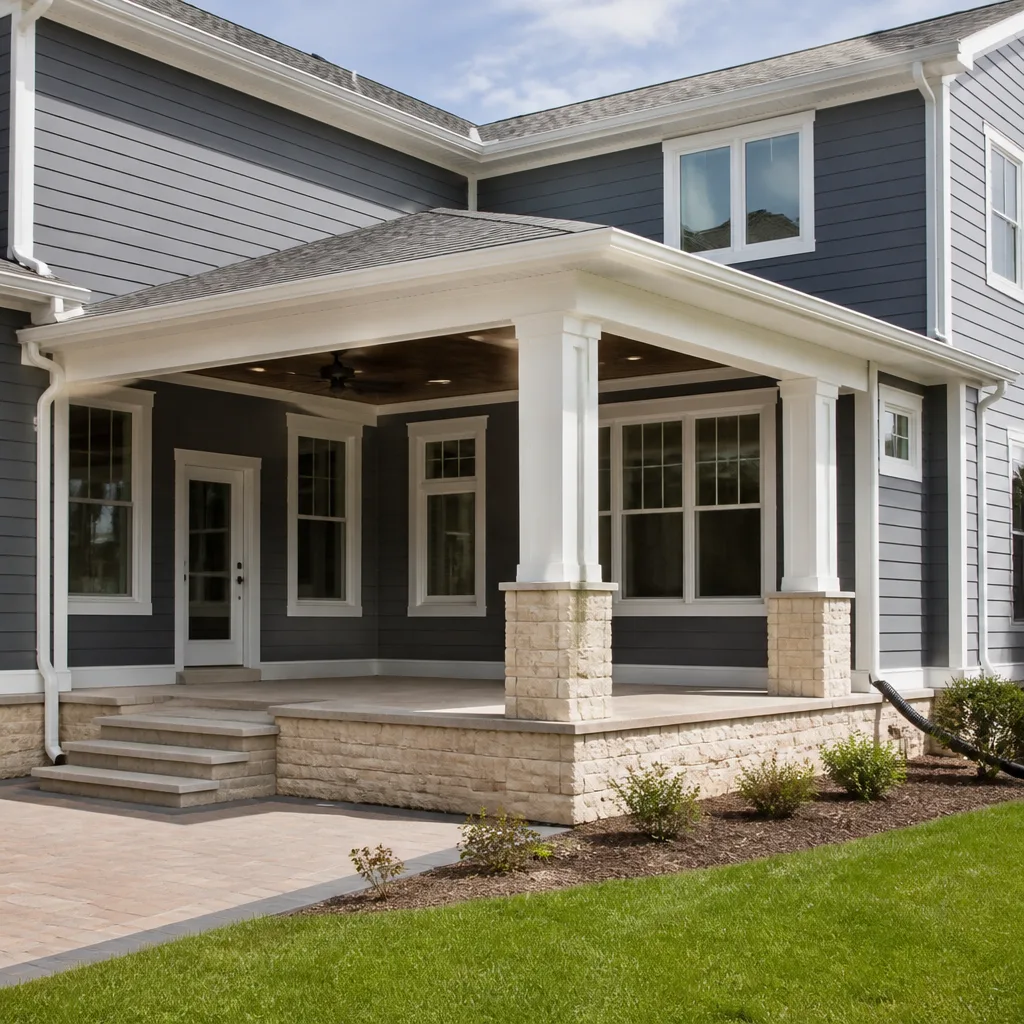
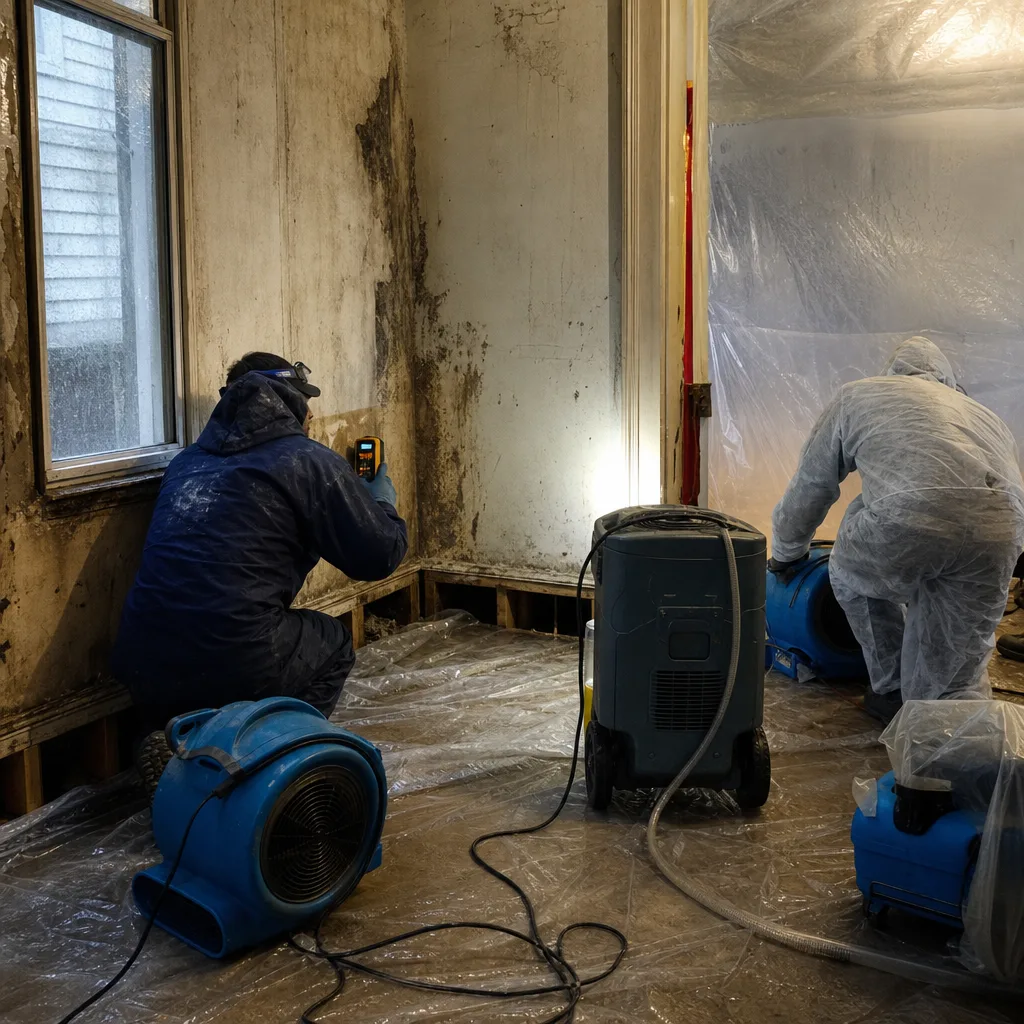 Before
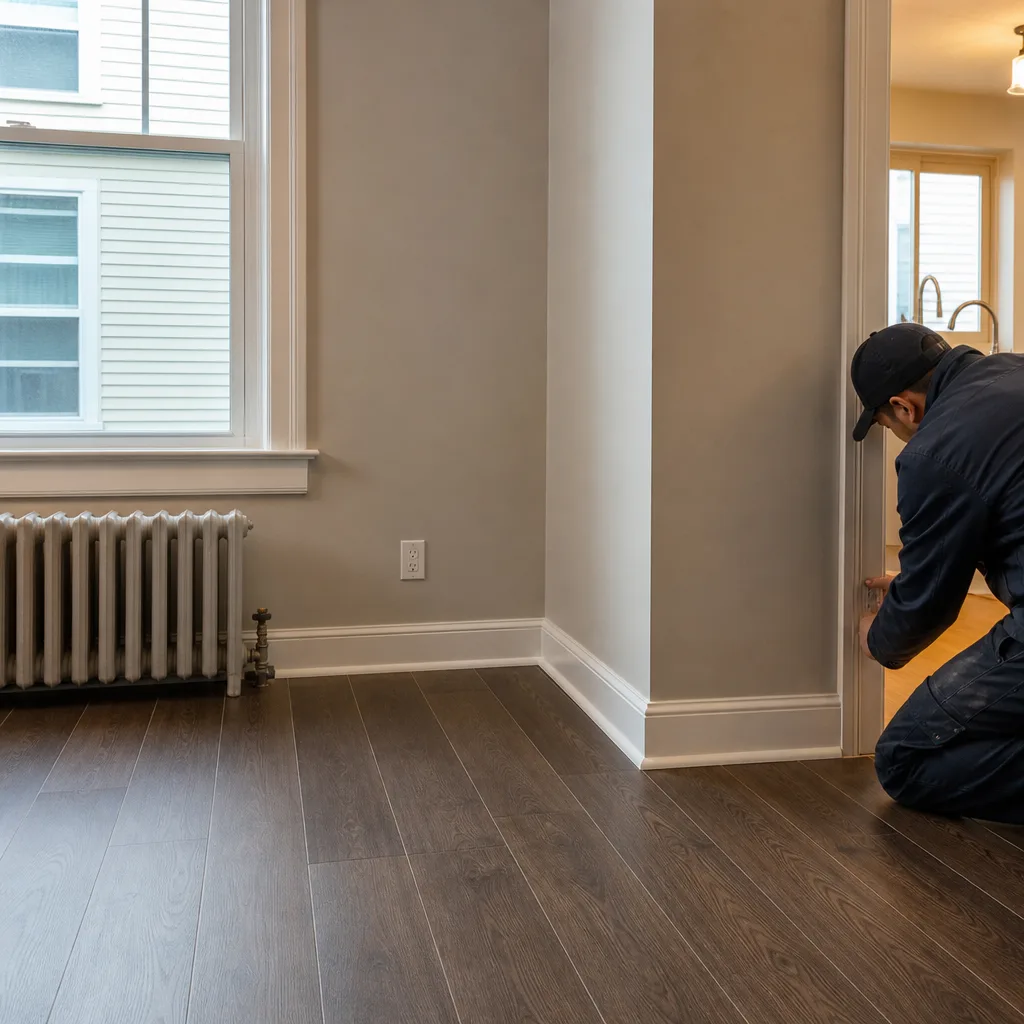 After
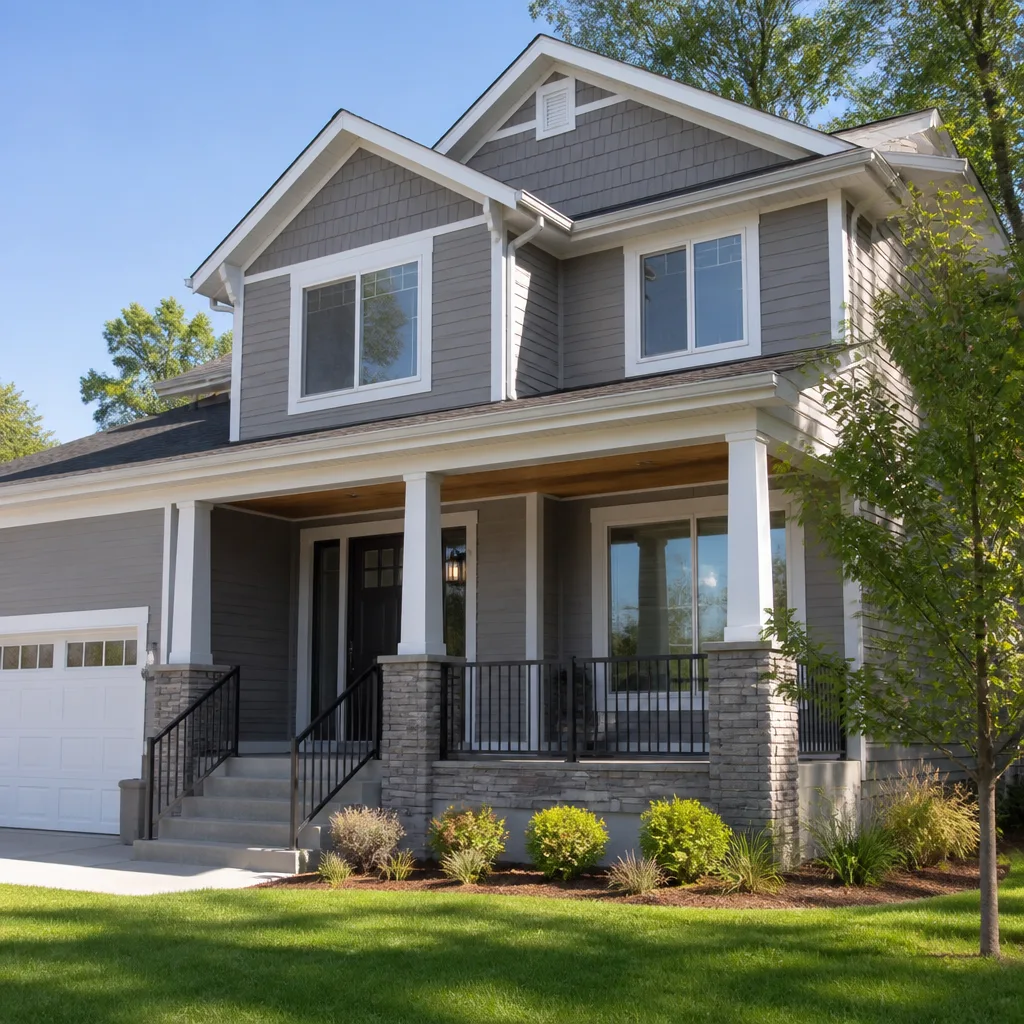
After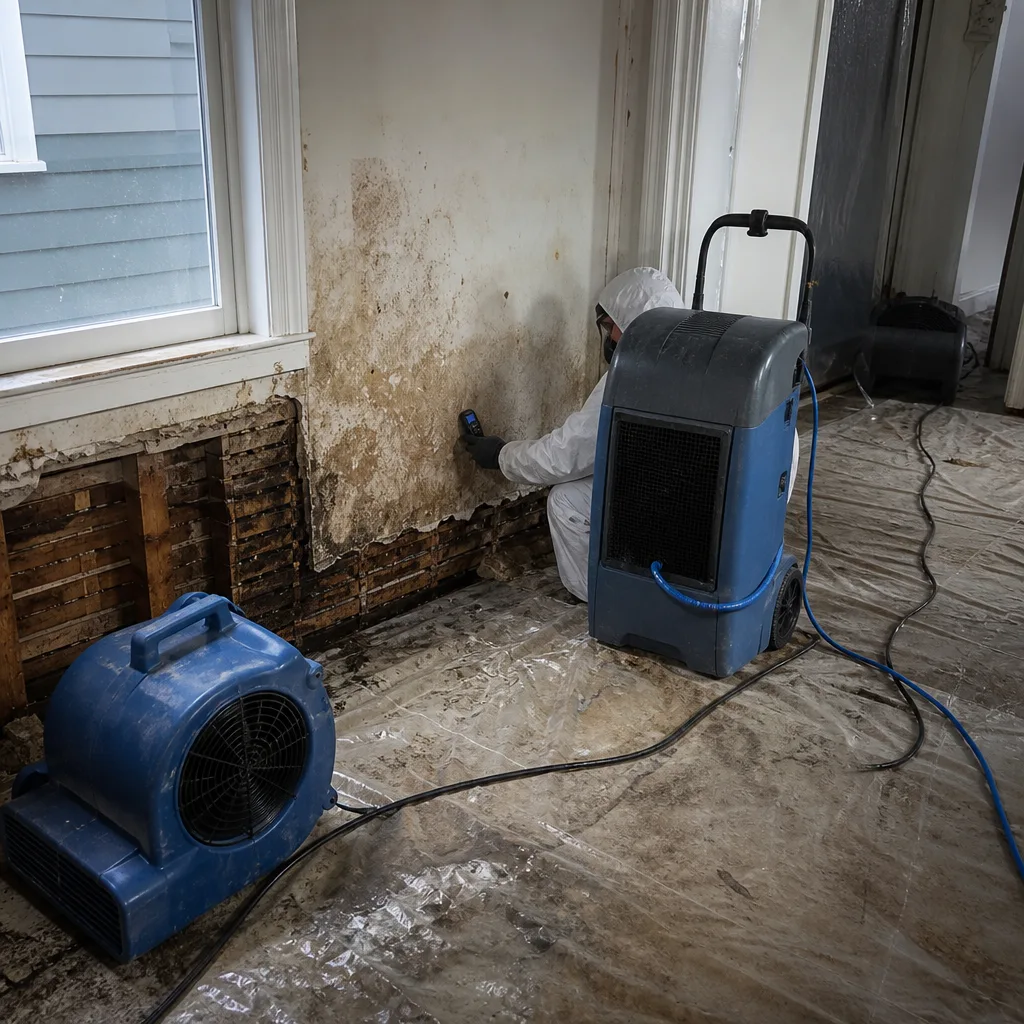 Before
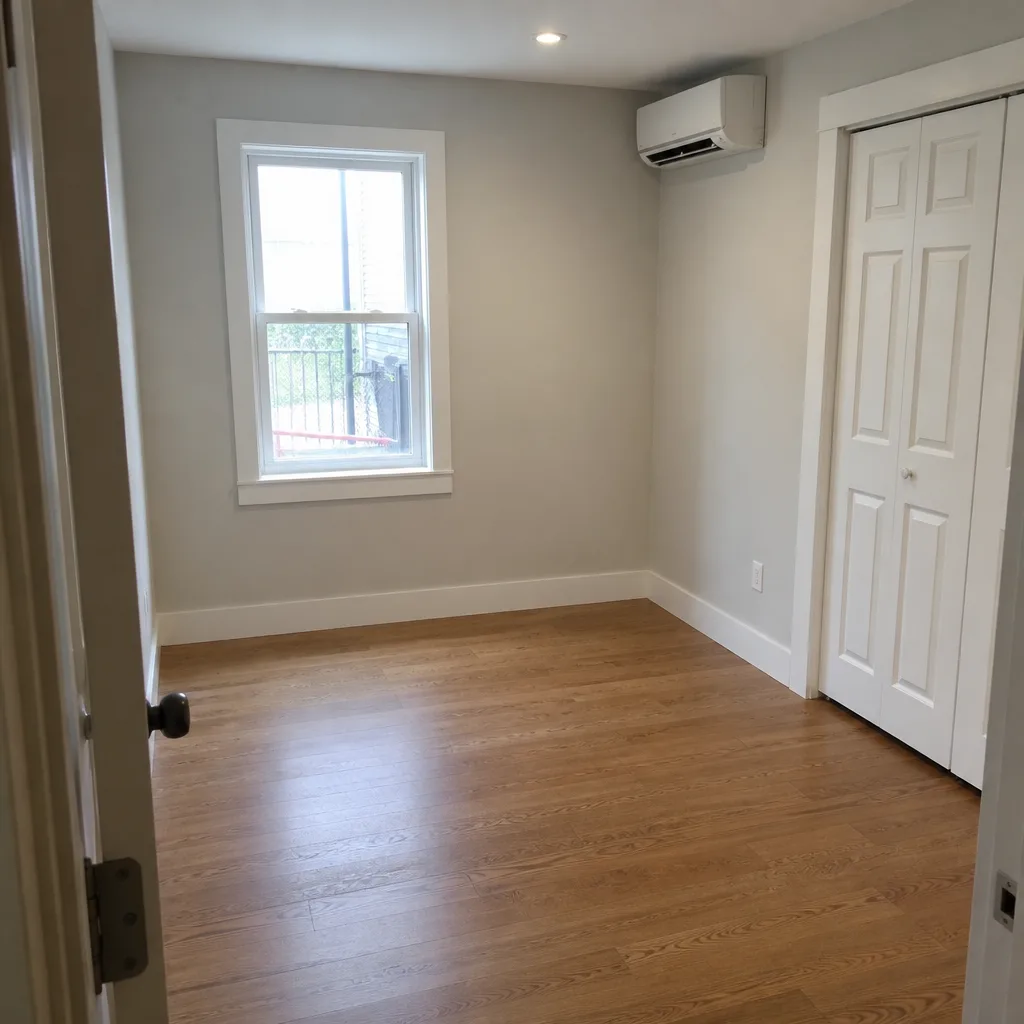 After
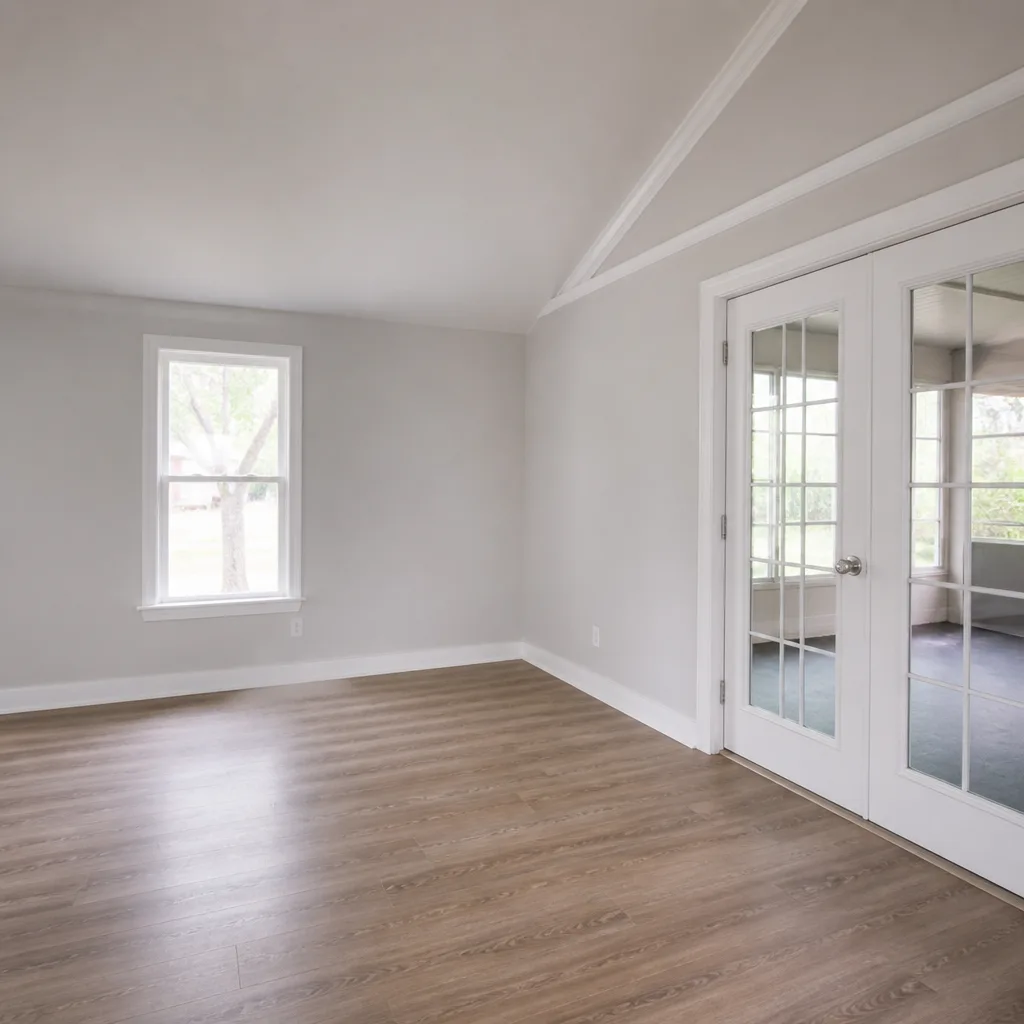
After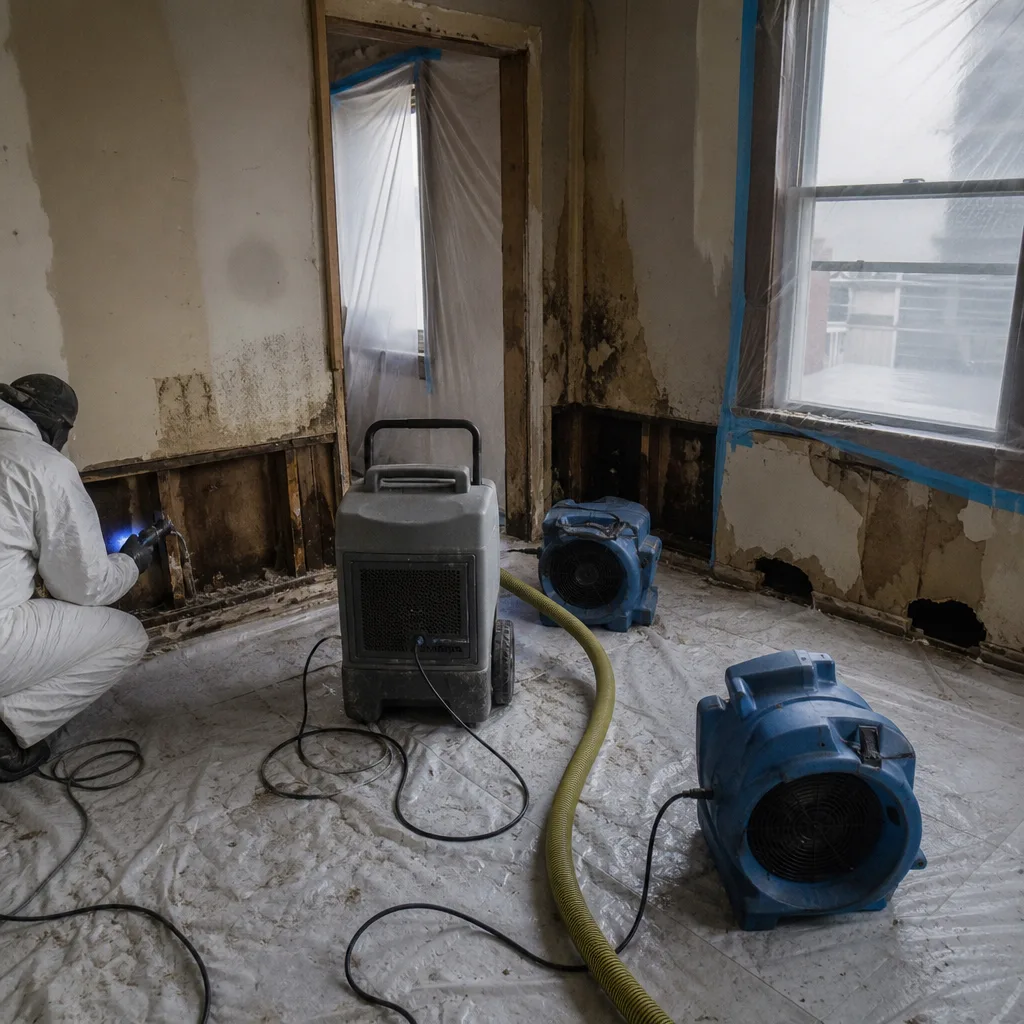 Before
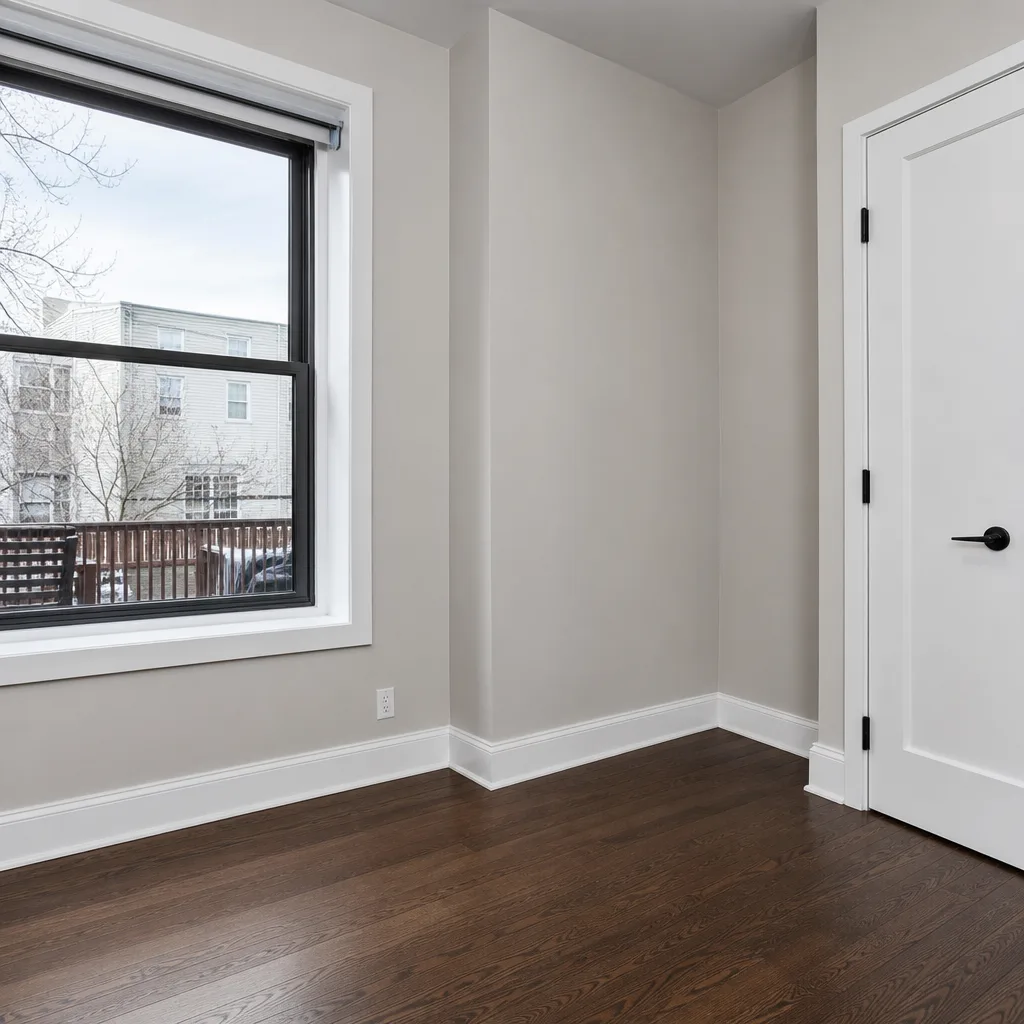 After
After24/7 Emergency Fire & Smoke Damage Restoration in Financial District
Fire and smoke damage in Financial District moves fast, and so do we. Call (363) 208-1526 any hour, day or night, and you’ll get a real person, not a phone tree. Wade’s Restoration has crews staged around Lower Manhattan who can be inside your building assessing soot migration and smoke penetration within the hour, because the first 60 minutes after a fire determine how much of your contents and structure can actually be saved. The smoke that drifts into wall cavities and sub-basement corridors in FiDi’s converted pre-war buildings starts setting into porous materials fast, and once it does, odor removal gets harder and more expensive. We offer a free visual inspection to any Financial District property owner, and we’ll tell you straight what needs to happen next.
Key Takeaways
- Fires here leave behind more than soot. FiDi buildings carry salt residue from Sandy-era floodwater in masonry and sub-basement walls, which changes how smoke and water damage must be treated.
- Insurance claims in FiDi are different. Many buildings fall under NFIP flood coverage rules when suppression water mixes with saltwater intrusion, and we handle the adjuster conversation directly.
- You can call Wade himself. The owner answers his own phone at midnight, and the 90-Day Done Right Promise is in writing on every fire and smoke job.
- Free visual inspection, no trip charge in-county. You’ll see the damage documented in photos and moisture readings before any work begins.
Understanding Fire & Smoke Damage Restoration Severity in Financial District Properties
Not all fire damage is the same, and in Financial District the building stock makes severity harder to read than it looks. Smoke residue falls into roughly three categories: light surface soot from a small kitchen fire, medium protein-based residue that clings to painted surfaces and requires chemical cleaning, and heavy charred or oil-based residue from structural fires that demand full containment and demolition. In FiDi, where most homes sit inside converted late-19th- and early-20th-century commercial towers, smoke travels through shared ventilation shafts, elevator cores, and original cast-iron structural channels. That means a fire on the 12th floor can push soot into units two or three floors away through paths you’d never see from inside the affected apartment. Add in the salt issue: suppression water that drains down through walls with Sandy-era salt crystals dissolved inside becomes a mildly saline solution that accelerates corrosion on electrical boxes, metal studs, and plumbing, and it also changes how porous concrete and brick hold onto smoke odor. Our team uses thermal imaging and moisture meters to map where that water went and how much of it mixed with residual salts before we ever open a wall.
Why Financial District Property Owners Choose Wade’s Restoration
- 45-minute response commitment to FiDi addresses. Wade has crews positioned near Lower Manhattan, and the owner answers his own phone so there’s no dispatch delay. When you call at 2 AM, someone is already on the road.
- 24/7 live answer, always a real person. No answering service, no voicemail maze. You’ll talk to someone who can actually make decisions about your fire and smoke damage restoration, not a call-center script.
- IICRC-certified crews with FSRT and WRT credentials. Fire & Smoke Restoration Technician and Water Restoration Technician certifications matter on combined fire-and-water losses, which are most of what we see in FiDi’s old buildings.
- Free visual inspection with photo documentation. We show you what the soot did, where the suppression water went, and what the salt readings in your walls look like before you commit to anything.
- Direct insurance billing and adjuster coordination. Wade talks to the carrier himself. You’re never stuck relaying details between an adjuster and a restoration crew.
- One team from first board-up to final repaint. We don’t hand you off to a subcontractor for reconstruction. The same crew that sets containment also handles the structural fire repair.
Our Fire & Smoke Damage Restoration Process
Inspection & Assessment
We arrive, walk the affected and adjacent units, and document everything: soot pattern, char depth, smoke migration paths, moisture levels in walls and subfloor, and salt readings in masonry where relevant to FiDi’s flood history. You get a written scope before any work starts.
Extraction & Stabilization
Any standing suppression water gets extracted with truck-mounted and portable Dri-Eaz equipment. We board up broken windows and tarp penetrations, paying attention to high-floor salt spray exposure that can degrade temporary closures faster than inland buildings.
Drying & Dehumidification
Air movers and Phoenix dehumidifiers run continuously while we monitor daily with hygrometers and thermal imaging. In FiDi, we watch for salt-drawn moisture re-wetting masonry behind walls, which can restart mold growth and reactivate smoke odor weeks after visible drying.
Cleaning & Sanitization
Soot is removed from surfaces with HEPA vacuums and chemical sponges suited to the finish. We treat cast-iron elements, brick, and masonry with antimicrobials where salt residue creates a hospitable environment for contamination.
Odor Removal & Deodorization
Thermal fogging and ozone treatment are the standard tools, but FiDi’s salt-drawn moisture in porous substrates means we often extend dwell times and re-test before calling it done. The salt changes how smoke molecules bond to concrete and brick, and standard treatment times don’t always hold here.
Repairs & Restoration
Drywall replacement, structural repairs, refinishing, and contents restoration. We handle the entire Fire & Smoke Damage Restoration scope, including pack-out and return of your belongings, with one accountable team from start to finish.
Need Emergency Fire & Smoke Damage Restoration in Financial District Now?
Crews minutes away, answering live 24 hours a day. The sooner we start, the less it costs.
Working With Your Insurance Company
Insurance claims for fire damage in Financial District are rarely straightforward, because so many buildings fall under a mix of standard homeowner coverage and NFIP flood provisions. When suppression water mixes with saltwater intrusion in a sub-basement, the adjuster may want to argue about coverage. That’s Wade’s conversation to have, not yours. From the first hour on site, we document everything: photos of the fire scene, moisture readings in walls and floors, salt assays on masonry where relevant, and a line-item scope of work that matches what your carrier expects to see. Wade deals directly with the adjuster, and you get copies of the same documentation so nothing happens behind your back. The 90-Day Done Right Promise covers every fire and smoke restoration job, in writing, so you’re not fighting a warranty claim later if soot odor returns or drywall fails.
What We Provide Your Insurer
- Thorough documentation of the loss
- Photos of all damage, room by room
- Moisture readings and drying logs
- A detailed, line-item scope of work
- Direct coordination with your carrier
Built for Financial District’s Loss Calendar
Fire losses in Financial District don’t follow one tidy seasonal pattern the way storm damage does in the suburbs. What we see here tracks the building stock. Winter months bring electrical fires from overloaded circuits in pre-war conversions, especially in units with portable heaters running against original wiring that was never designed for modern loads. Spring and summer see kitchen fires spread quickly through open floor plans in converted loft spaces, where high ceilings and exposed ductwork give smoke a fast path to adjacent units. Late summer through fall is when we respond to fires triggered by aging mechanical systems, steam risers that overheat, and boiler issues in buildings that still run original infrastructure from the 1910s and 1920s. The one constant across every season: suppression water in a FiDi high-rise travels down through multiple floors and mixes with whatever is in those walls, including salt from surge history. Fire damage restoration in Financial District always means thinking about water and salt, not just soot.
Fire & Smoke Damage Restoration Across Financial District’s Neighborhoods
FiDi compresses a lot of different building types into a small footprint, and each pocket has its own fire damage profile. Around the Stone Street historic district, the tight cluster of low-rise brick buildings from the 1830s means fire spreads laterally through shared party walls, and smoke travels through original timber joists that hold odor stubbornly. Up in the converted towers along Broadway and Wall Street, high-floor fires produce vertical smoke migration through elevator shafts and mechanical chases, so you’ll often need containment on floors above and below the fire unit. Over near the South Street Seaport corridor, buildings with direct harbor exposure accumulate salt film on window frames and exterior surfaces even in normal conditions, which means post-fire board-up and sealing work degrades faster than a block inland. And in the residential conversions along Pearl Street and Water Street, deep sub-basement spaces that sit below sea level add the salt-in-masonry complication we’ve described, where suppression water wicks into walls that already hold residual saline from Sandy’s surge. This is why a generic restoration playbook doesn’t work down here.
Specialized Fire & Smoke Damage Restoration Services We Offer in Financial District
Odor Removal & Deodorization
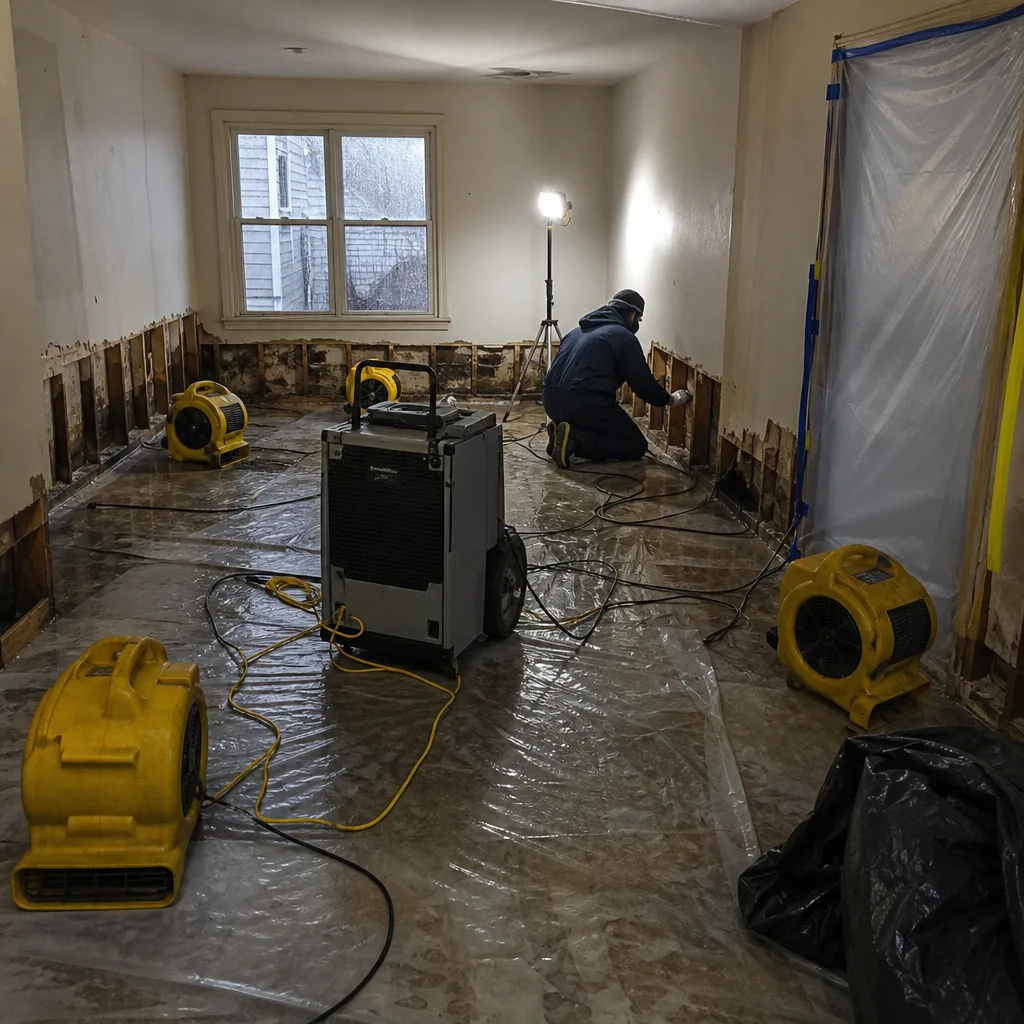
Smoke odor in FiDi buildings is harder to kill than it should be, and the reason is the salt. Porous cast-iron columns, brick party walls, and concrete slabs with residual saline inside create a micro-environment where smoke molecules bind more tightly and moisture lingers longer. We run longer thermal fogging dwell times, use ozone in contained spaces, and re-test air quality before we clear the unit. Standard treatment cycles that work in a drywall-and-lumber suburban house often leave a faint smoke smell behind in a Wall Street loft, and that means a callback nobody wants.
Contents Cleaning & Pack-Out
After a fire in a FiDi apartment, your furniture, clothing, electronics, and papers need to be inventoried, packed, and treated off-site or in a contained area. We handle pack-out with photo documentation of every item, run HEPA cleaning and ozone treatment on salvageable contents, and store everything in a climate-controlled facility until your unit is ready for move-back. The salt-air issue matters here too: contents exposed to harbor air and fire residue can develop corrosion on metal surfaces faster, so processing time matters.
Structural Fire Repair
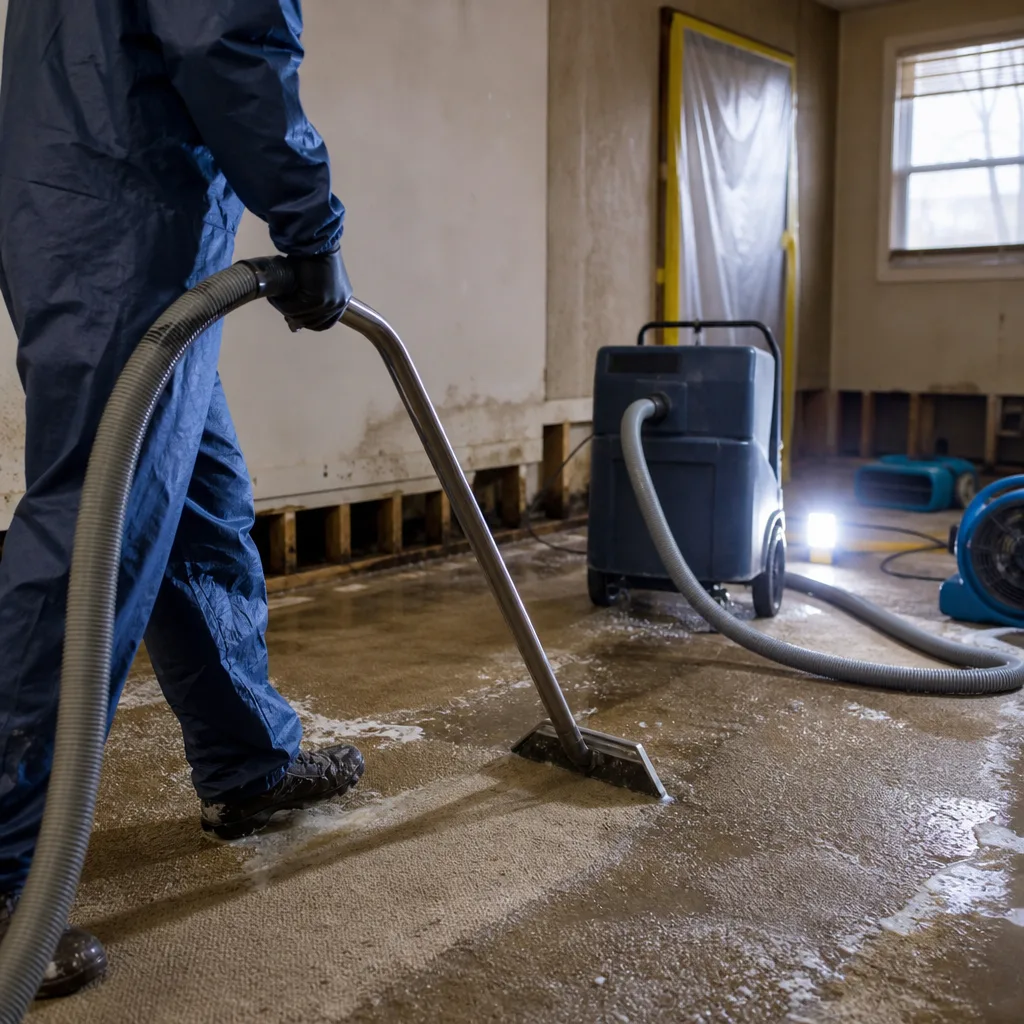
Most of what we rebuild in Financial District involves repairing fire-damaged framing, replacing compromised drywall, and restoring surfaces in buildings that are old enough that materials matter. Cast-iron structural elements that may have been exposed to saltwater historically require inspection after fire exposure, because heat stress on already-corroded iron is a different risk profile than a modern steel building. We coordinate with building engineers when structural questions come up, and we bring the finished unit back to code, including any local flood-proofing compliance items that apply to lower floors.
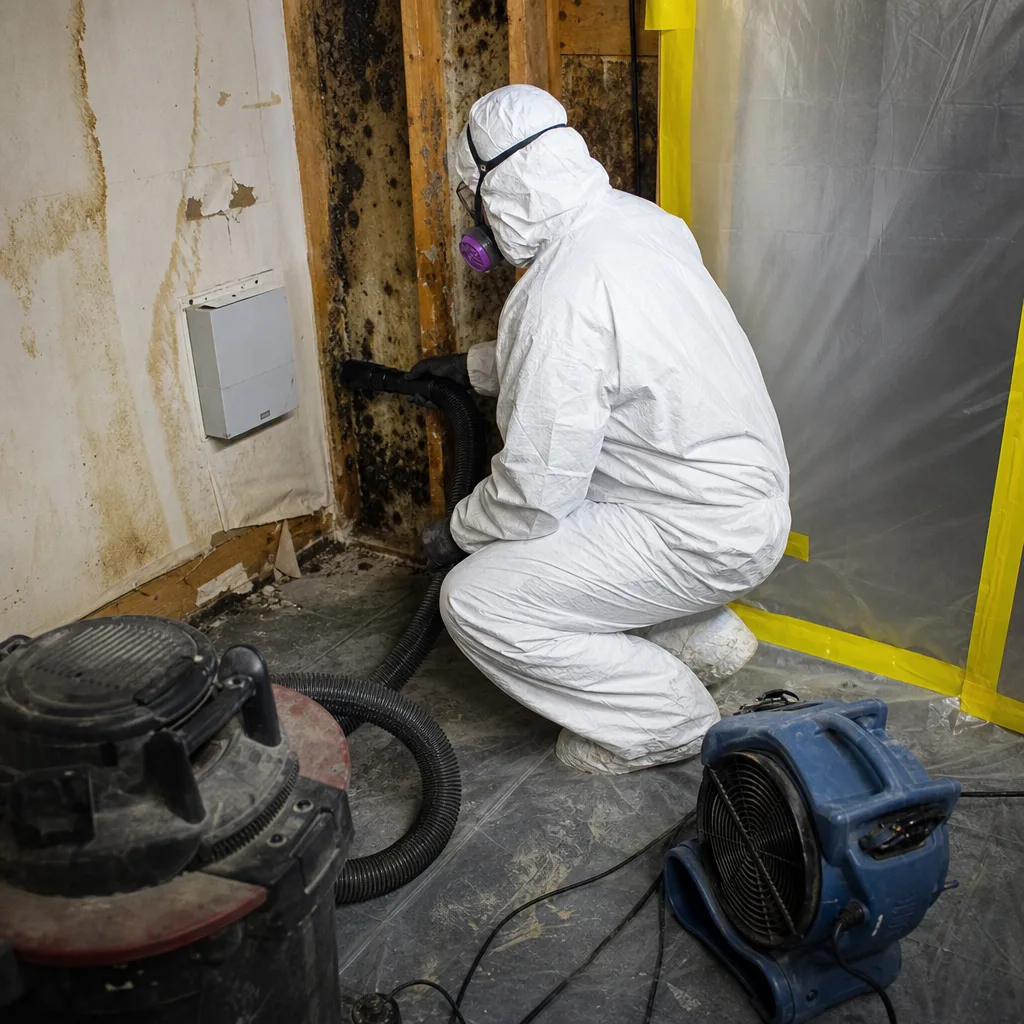
Fire Damage Cleanup
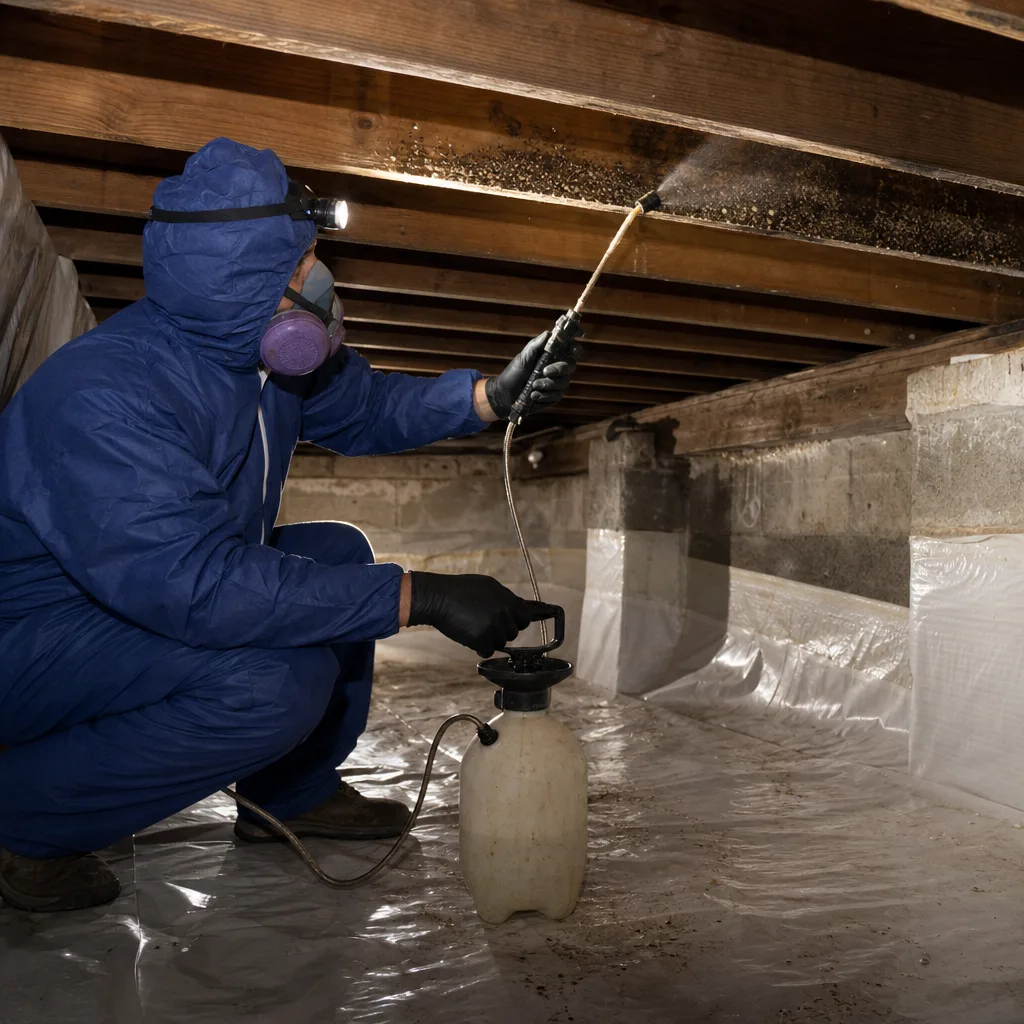
Soot removal and debris clearing come first, and in FiDi that means working carefully in buildings with shared ventilation and narrow service elevators. We set HEPA-filtered negative air containment to keep soot from spreading to neighbors through common shafts, and we handle all debris removal through building-approved routes. Every step gets documented for your insurer.
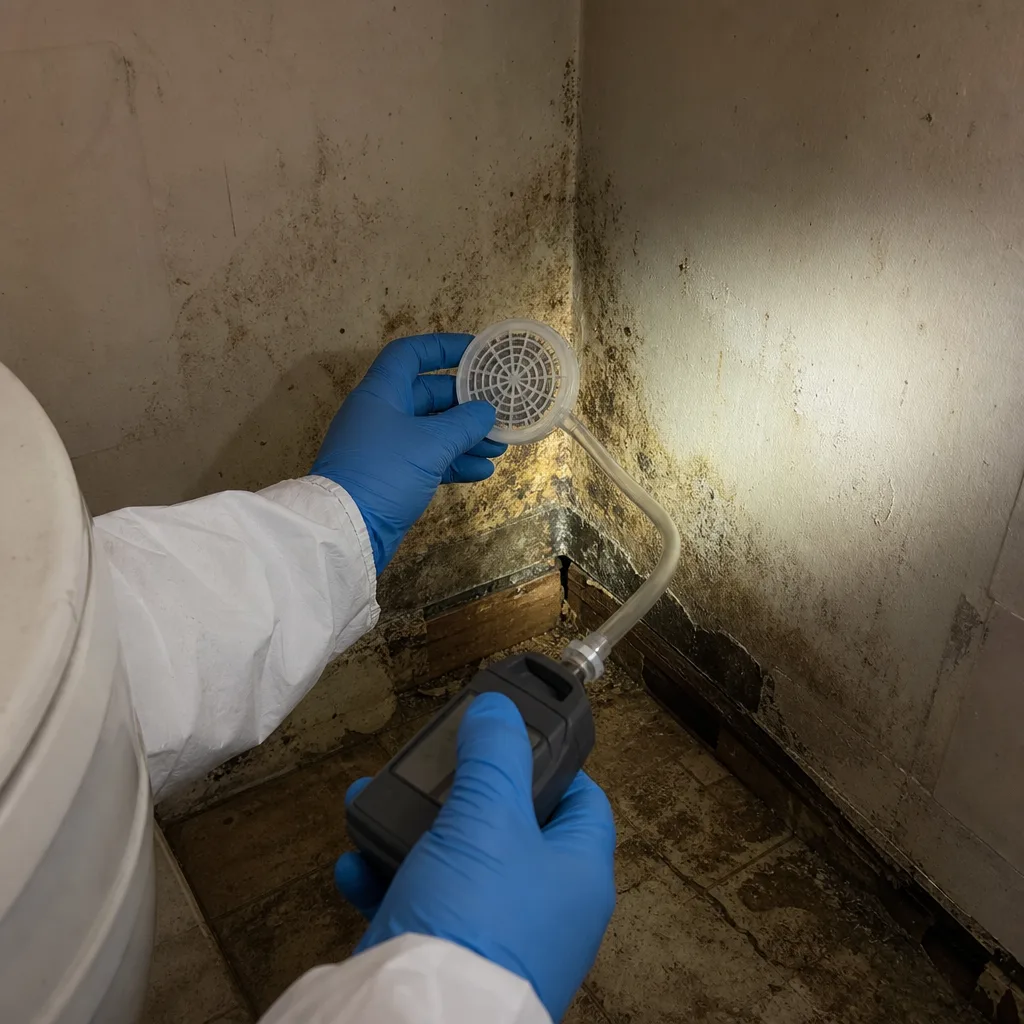
Smoke & Soot Removal
Wet smoke residue from a smoldering fire carries different chemistry than dry smoke from a fast-burning one. In FiDi’s masonry-heavy buildings, we test the soot type before choosing the cleaning method, because using the wrong chemical on porous brick or limestone can drive residue deeper. Thermal fogging and chemical sponges do the heavy lifting, but the method depends on what burned and what surface it landed on.
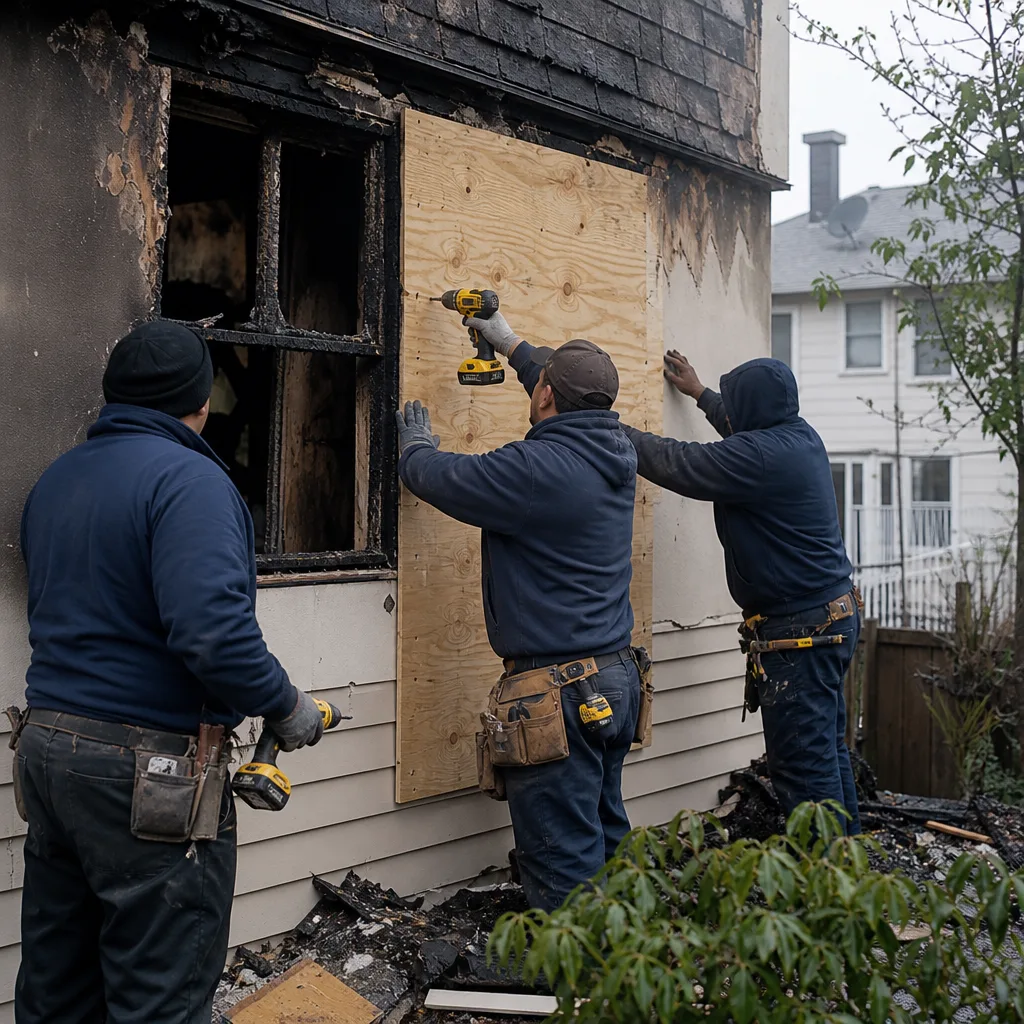
Emergency Board-Up & Tarping
Broken windows on a FiDi high-rise need immediate closure, and the board-up has to hold against harbor wind and salt spray that corrodes fasteners faster than inland. We use pressure-treated lumber and reinforced fastening on exposed sides, and we check temporary closures after storms. A board-up that fails a week later lets rain and soot back into an already-compromised unit.
What happens when you call
- 1
A real person answersNo phone trees - you reach a local pro.
- 2
You get an upfront price rangeHonest numbers before anyone is dispatched.
- 3
A background-checked tech heads outLicensed & insured, dispatched right away.
- 4
You approve before work beginsNothing starts until you say go.
Fire & Smoke Damage Restoration Costs in Financial District, NY
Here’s the honest picture for Financial District pricing as of 2026. A small kitchen fire with light soot and minor drywall repair typically runs $2,900 to $5,500. A moderate fire with smoke migration into an adjacent unit, odor treatment, and pack-out of contents usually lands between $7,000 and $14,000. A larger structural fire with significant drywall demolition, sub-basement water extraction, structural repair, and full deodorization can reach $25,000 to $60,000 or more. What moves the price in FiDi specifically: salt readings that add masonry treatment time, building requirements for specialized containment, service-elevator scheduling, and NFIP documentation when flood provisions come into play. Most of these jobs are covered by insurance once the adjuster accepts the scope, and our free visual inspection gives you a line-item estimate before you sign anything.
Financial District Fire & Smoke Damage Restoration Price Ranges
- Small kitchen fire, light soot: $2,900 – $5,500
- Moderate fire with smoke migration & pack-out: $7,000 – $14,000
- Structural fire with sub-basement water & rebuild: $25,000 – $60,000+
- Board-up only, emergency response: $450 – $1,200
- Odor removal & deodorization, full unit: $1,800 – $4,500
We don’t charge a trip fee inside our own county, and we offer a free second opinion on any written estimate you’ve already received. Seniors and veterans get 10% off, always. Call (363) 208-1526 for an exact quote on your Financial District fire damage.
We Also Serve Cities Near Financial District
Wade’s Restoration runs crews throughout the metro area, and we regularly work in Astoria, Lower Manhattan, Flushing, and Midtown Manhattan. If your property sits near the Financial District border, we can usually have someone on site just as fast as a local FiDi response.
Financial District Fire & Smoke Damage Restoration Questions, Answered
How does being in FiDi’s flood zone change how you handle fire-damaged drywall?
Flood Zone AE status means lower floors in FiDi buildings are subject to NFIP flood provisions, not just standard fire coverage. When suppression water from a fire drains into walls that sit below the flood elevation and that water mixes with residual salt from Sandy, the drywall is treated as Category 3 water-loss material and removed rather than dried in place. We document this with moisture readings, salt assays where relevant, and photos, then we present the findings to your adjuster. Call (363) 208-1526 and we’ll explain what applies to your specific building.
Why do you mention salt assays on a fire damage job in FiDi?
Because sub-basement masonry in Financial District that took on storm surge during Sandy holds salt crystals that ordinary moisture meters don’t detect. Salt pulls moisture from the air, keeps walls damp, feeds mold, and changes how smoke odor bonds to concrete and brick. Testing for salt content tells us whether we need extended drying, antimicrobial treatment, or longer deodorization dwell times. Skipping this step in FiDi is the number one reason fire restoration jobs get called back for lingering odor.
Do you need special containment in converted office towers around Wall Street?
Yes, and it’s not optional. Converted office towers share ventilation shafts, elevator cores, and mechanical chases across multiple residential units. Without HEPA-filtered negative air containment, soot from a fire on one floor migrates to neighbors, and you end up liable for damage to units that were never touched by flame. We set containment that works within each building’s floor plan and clearance requirements.
How does salt air affect board-up work on FiDi high-rises after a fire?
Harbor salt spray corrodes standard fasteners quickly, and a board-up that holds fine inland can start loosening within a week or two on an exposed FiDi facade. We use pressure-treated lumber, coated fasteners, and re-inspected closures after significant weather. A board-up that fails lets rain, salt spray, and soot into an already-damaged unit, and that’s a second loss nobody needs.
What’s different about deodorizing a FiDi loft after a fire?
Loft spaces in FiDi conversions usually mean high ceilings, exposed brick, cast-iron columns, and original wood beams. Those porous materials hold smoke molecules deeper than drywall, and if the walls carry residual salt moisture, the odor bonds harder. We run longer thermal fogging dwell times, use ozone in contained spaces, and re-test before we call the job done. Standard suburban deodorization timelines simply don’t hold in these buildings.
How long does fire and smoke damage restoration take in Financial District?
A small kitchen fire with light soot and no structural issues can be completed in three to six days. A moderate fire with smoke migration, pack-out, and deodorization typically runs two to four weeks. Structural fires with sub-basement water extraction, rebuild, and salt treatment can take six to twelve weeks. Your building’s elevator scheduling and management requirements also affect the timeline.
Can we stay in our FiDi apartment during fire restoration?
It depends on the severity and which floors are affected. For light soot cleanup in an isolated unit, you can often stay with containment barriers in place. For smoke migration into shared shafts, active drying, or deodorization with ozone, we recommend temporary relocation. Your insurance policy usually covers additional living expenses for displacement, and we document everything so the claim supports it.
What should I do in the first 30 minutes after a fire in Financial District?
Call us at (363) 208-1526, and don’t wipe soot off walls or surfaces before we assess it. Improper wiping can grind residue into porous finishes and make odor removal harder. Open windows if safe, turn off HVAC if you can access it, and stay out of any area with standing water. The faster we document the scene, the cleaner the claim and the better the restoration outcome.
Serving Financial District, NY - Our Local Coverage Area
We’re based in the Financial District area and know this community well. Use the map below to see our service coverage - if you’re nearby, we can almost certainly help.
Call Wade’s Restoration for Fire & Smoke Damage Restoration in Financial District
When a fire hits a FiDi apartment, you don’t need a national call center and a rotating cast of subcontractors. You need one accountable team that knows this neighborhood’s buildings, its salt history, and its insurance landscape. Wade Ferris founded this company in 2007, publishes his name and address, answers his own phone, and stands behind every fire and smoke job with the 90-Day Done Right Promise in writing. Call (363) 208-1526 now for a free visual inspection and straight answers about what your Financial District fire damage is going to take to fix.
Written by Wade Ferris, Owner at Wade’s Restoration, serving Financial District and the surrounding New York metro since 2007.